MONTENEGRO SOTHEBY’S INTERNATIONAL REALTY

Uncategorized Sotheby's Real Estate

Currently available 686 Properties to view

Seafront
Seafront

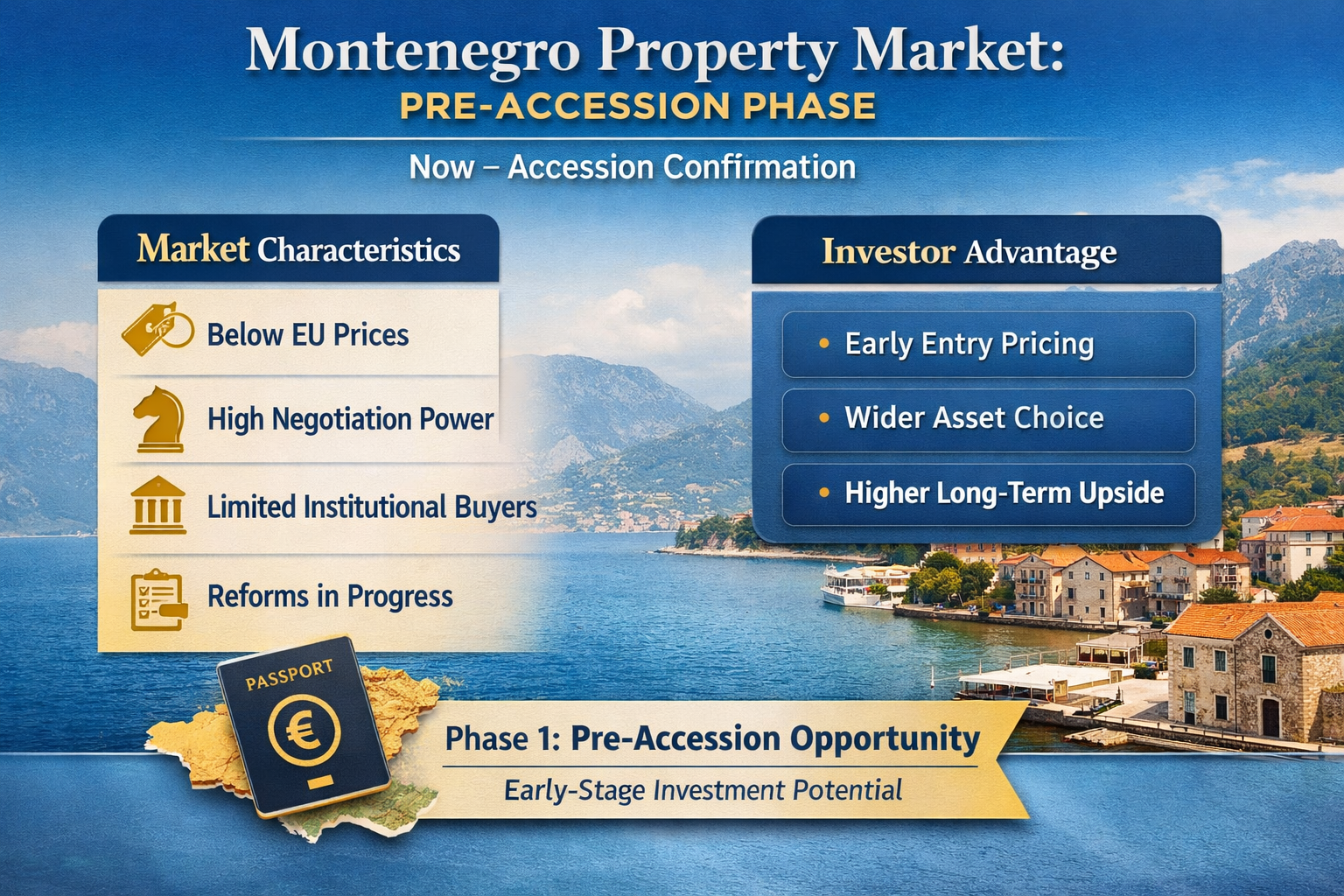
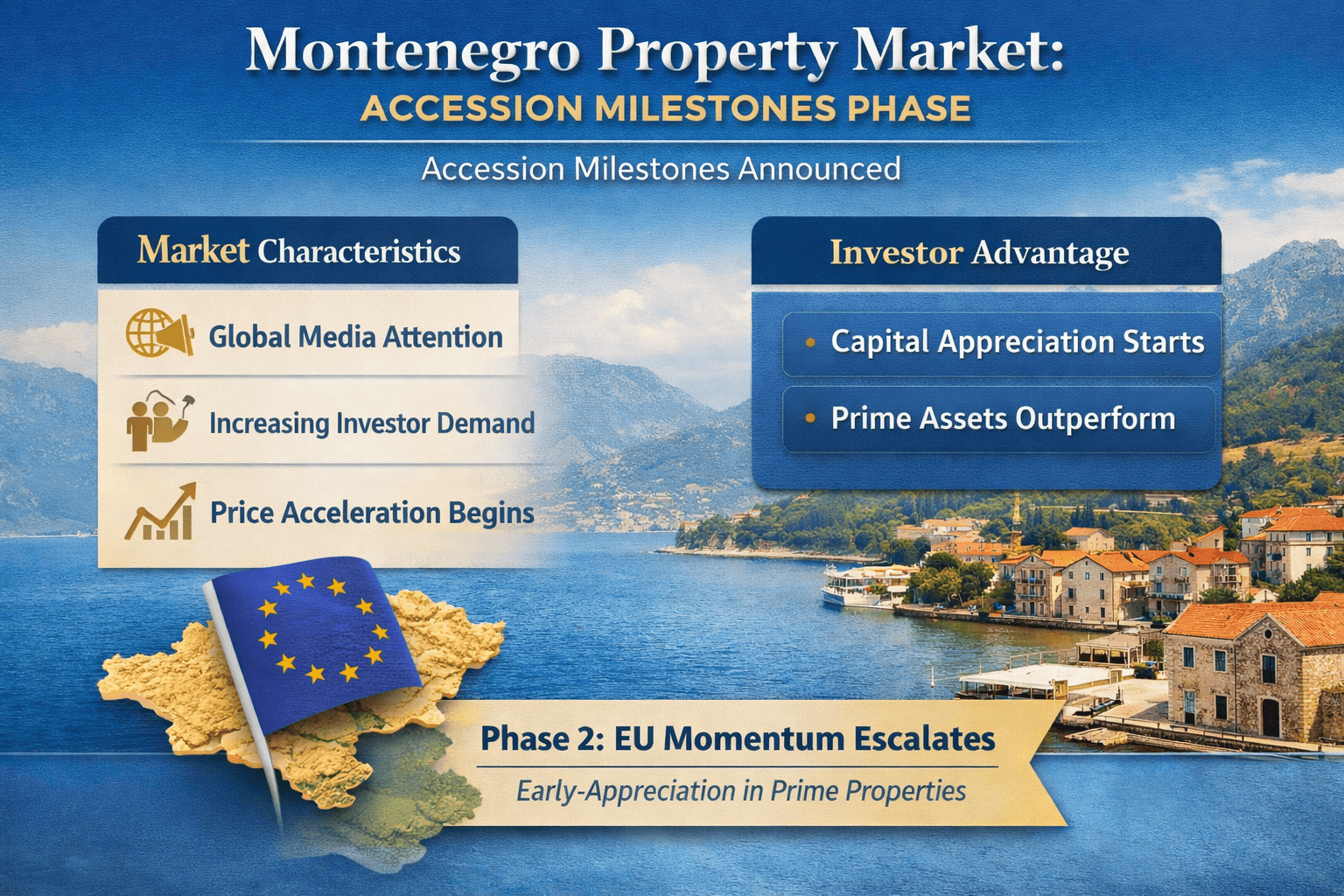
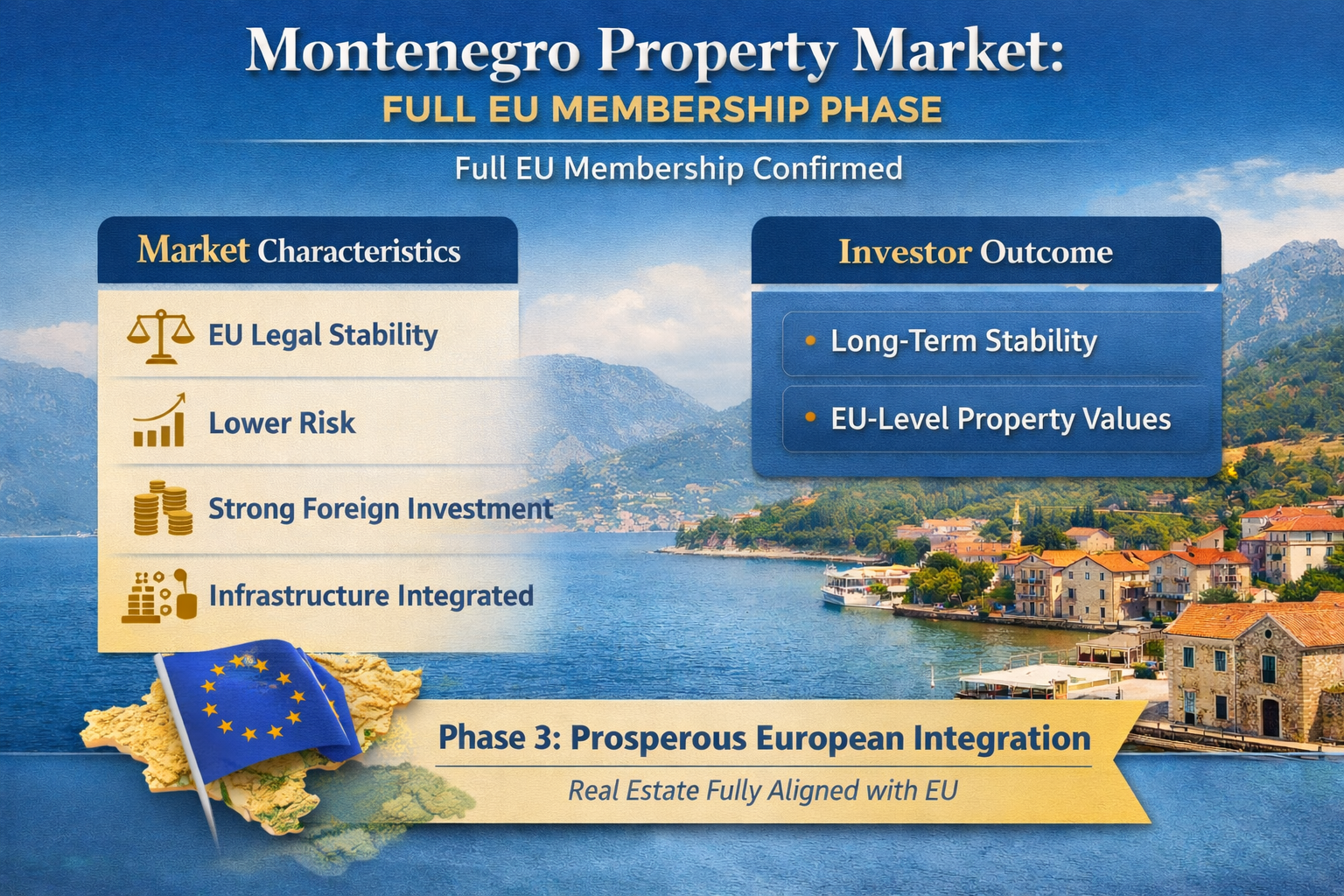
Montenegro Hotel Investment Opportunities

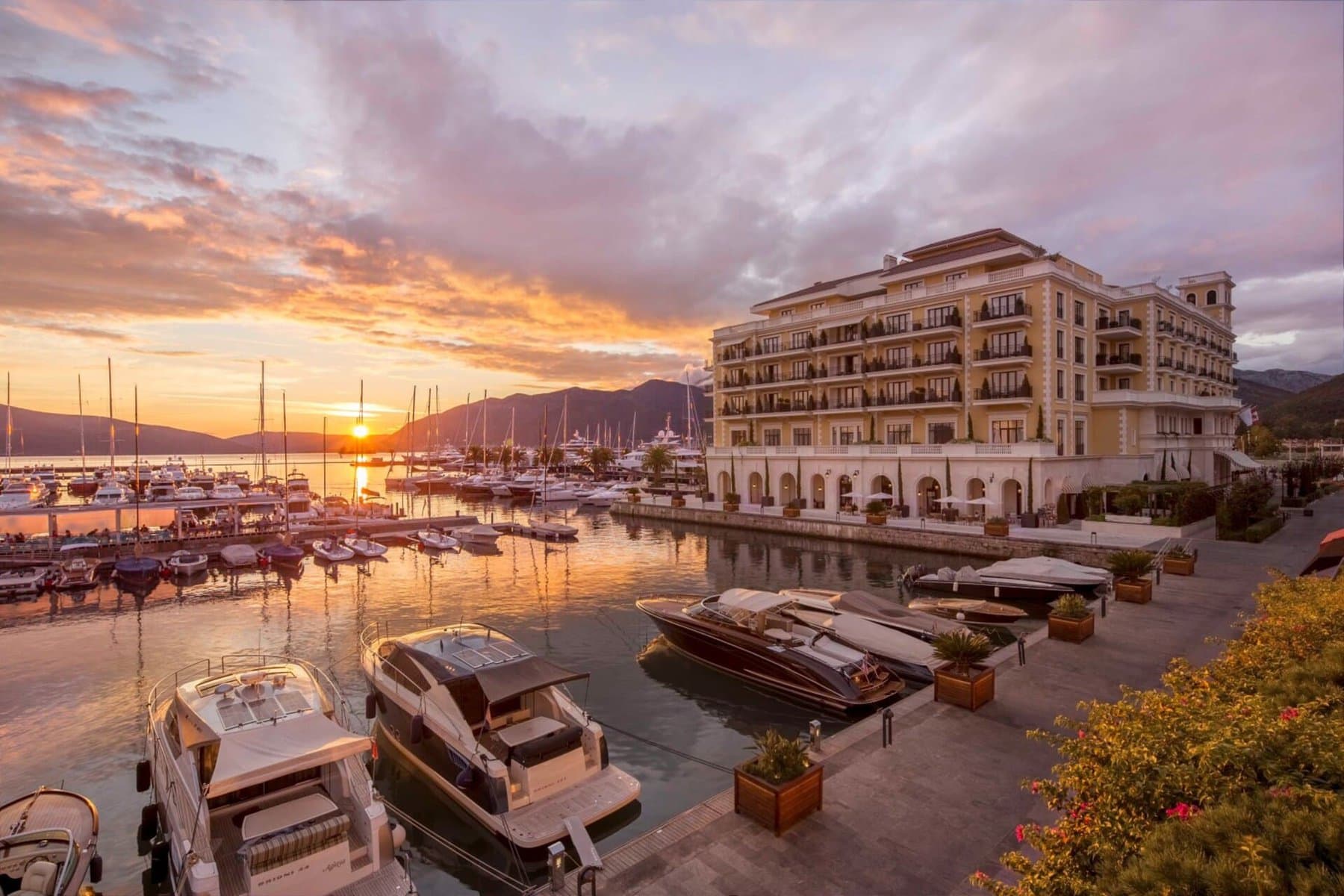
A 40-key waterfront hotel in the Bay of Kotor is not competing with a 40-key city hotel in a mature European capital. It is competing for a different kind of traveler – one who values marina access, privacy, design, and the sense of arriving early to a market still gaining international depth. That is what makes Montenegro hotel investment opportunities especially compelling for investors who understand the premium attached to scarce locations.

For buyers looking beyond conventional residential acquisitions, the hotel segment offers a rare combination of lifestyle alignment and commercial upside. Montenegro has spent the last decade moving from an under-the-radar Adriatic destination to a recognized luxury leisure market, and that shift matters. It has brought branded developments, upgraded marina infrastructure, higher-spending visitors, and stronger global visibility to a relatively small coastline where prime hospitality stock remains limited.

Why Montenegro hotel investment opportunities stand out

Scale is part of the appeal. Montenegro is not a mass-market destination with endless development land along the coast. The supply of truly distinguished hotel assets – waterfront, marina-adjacent, heritage, or positioned in established luxury enclaves – is naturally constrained. For investors, limited supply can support pricing power when the asset is well located and properly operated.

Demand quality also deserves attention. This is not simply a volume story built on peak-summer occupancy alone. The strongest hospitality opportunities tend to attract a more affluent guest profile, particularly in destinations tied to yachting, branded residential communities, or internationally known coastal settings. That can translate into stronger average daily rates and more resilient long-term positioning, even if seasonality still needs to be managed carefully.

There is also a market-timing argument. Montenegro remains earlier in its hospitality maturity curve than many Mediterranean comparables. In practical terms, that means investors may still find assets or development opportunities with room for repositioning, branding improvements, or operational upgrades. In saturated destinations, much of that value has already been priced in.

The hotel segments worth watching

Not every hotel investment thesis in Montenegro is the same. The market is more nuanced than simply buying “coastal hospitality.” In most cases, the opportunity sits within one of several distinct categories.

Luxury boutique hotels are often the most attractive for buyers seeking character and scarcity. These properties can perform particularly well in heritage settings or intimate waterfront locations where design, service, and setting justify premium rates. The trade-off is that smaller room counts can create operational sensitivity. A boutique hotel needs thoughtful positioning, disciplined cost control, and a clear guest proposition.

Marina-linked and resort-adjacent hotels offer a different profile. In areas associated with luxury berthing, branded residences, or integrated lifestyle developments, the hotel benefits from broader destination infrastructure. Restaurants, retail, beach clubs, and concierge-driven guest services can extend visitor spend and strengthen occupancy patterns. These assets may carry higher entry pricing, but they often appeal to investors who prioritize established prestige and lower market education risk.

Then there are repositioning opportunities – older hotels or hospitality properties in strong locations that no longer meet current luxury expectations. For experienced investors, this can be where value is created. A dated asset with the right footprint may respond well to renovation, brand alignment, or a shift in category. Yet this is also where discipline matters most. Construction budgets, permitting realities, and operator strategy must be tested rigorously before any acquisition moves forward.

Where location makes the biggest difference

In hospitality, geography is never just about scenery. It shapes guest mix, pricing power, season length, and exit appeal.

The Bay of Kotor remains one of the most compelling areas for premium hotel investment because it combines visual distinction with international recognition. Properties here often benefit from a strong emotional draw – dramatic waterfront settings, UNESCO-linked heritage context, and a sense of exclusivity that appeals to high-value travelers. The constraint, naturally, is that truly prime opportunities are limited and pricing can reflect that scarcity.

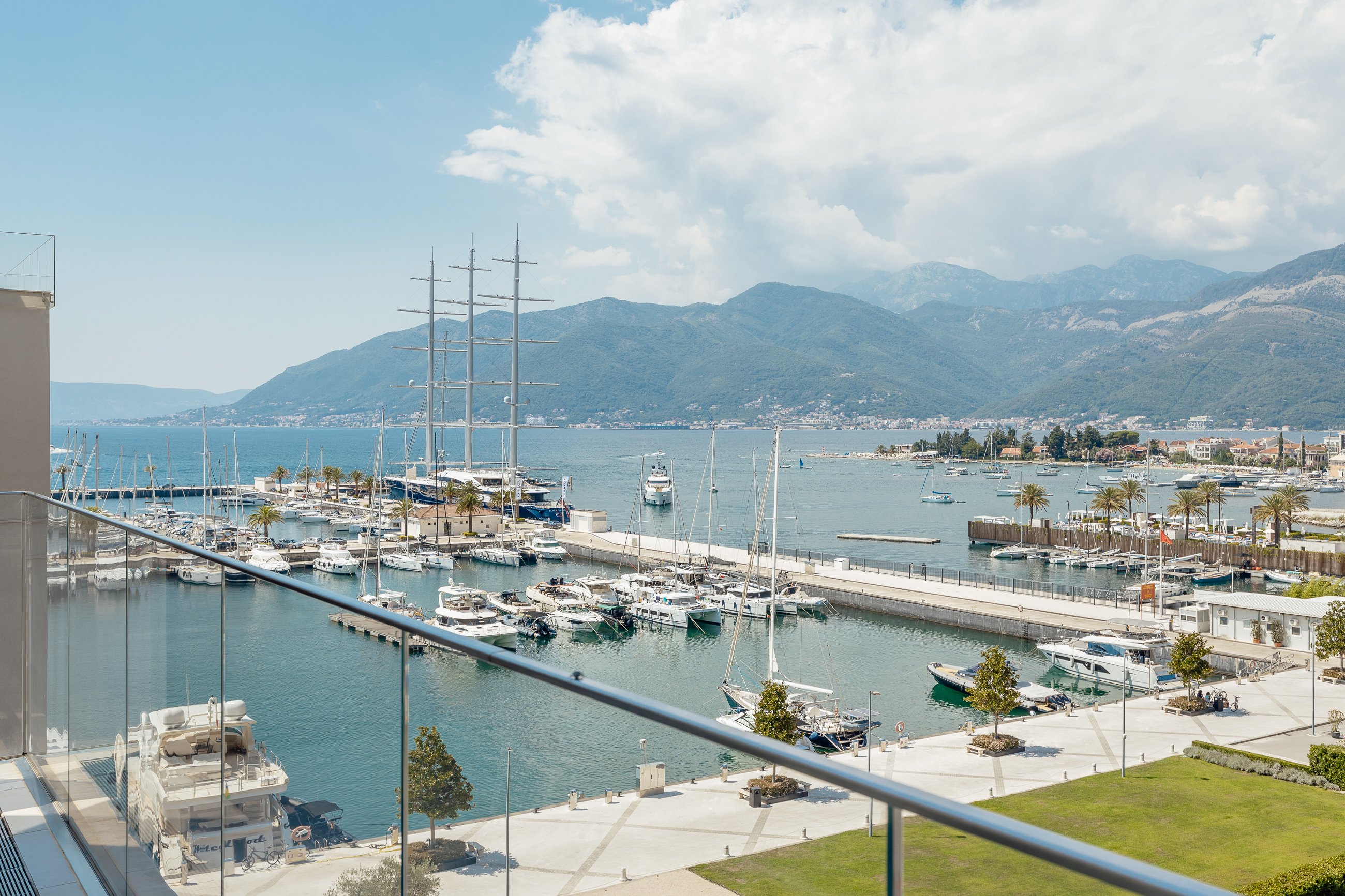
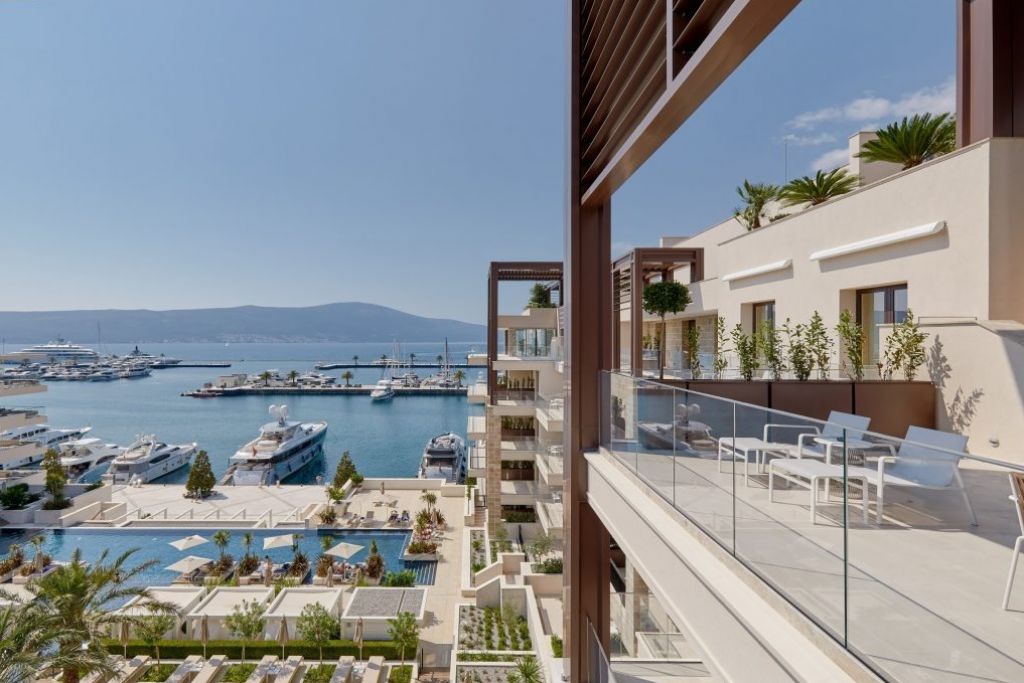
Tivat and Porto Montenegro tend to appeal to investors who want a more contemporary luxury ecosystem. The marina, international profile, and polished infrastructure create a strong base for hospitality tied to yachting and affluent leisure travel. This can be attractive from a positioning standpoint, particularly for assets that cater to guests who expect service standards comparable to more established global resort destinations.

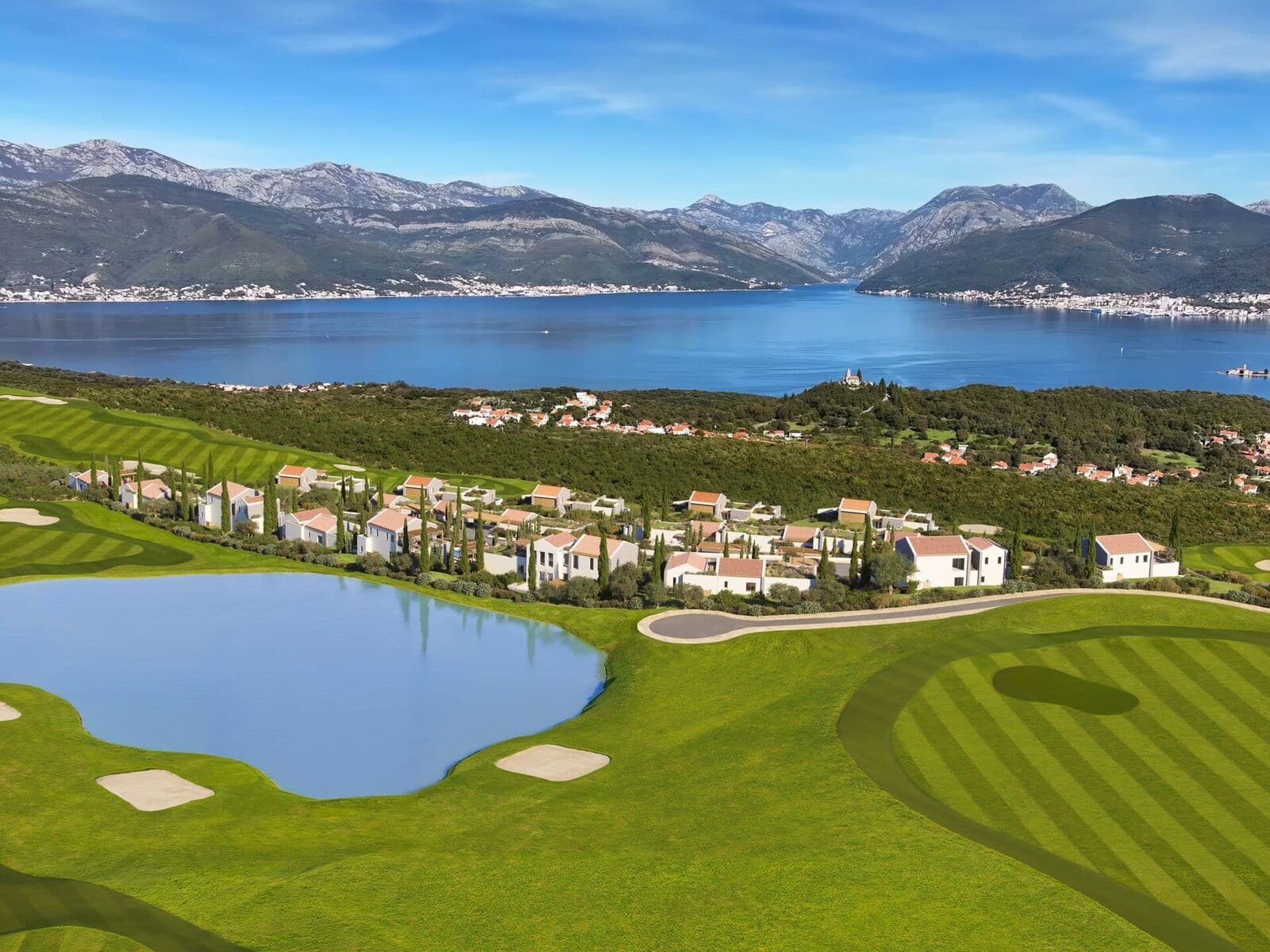
Luštica Bay and Portonovi represent another layer of interest. These master-planned environments support a high-end lifestyle narrative that is increasingly relevant in hospitality. Guests are not only booking a room. They are buying into a curated coastal experience, with architecture, amenities, and service level working together. For hotel investors, that kind of ecosystem can support brand strength, though entry into these markets requires careful attention to asset type and operational model.

The Budva Riviera offers a different equation, with broader name recognition and a more active tourism profile. In the right submarket, that can support strong seasonal trading. At the same time, investors need to differentiate between assets that fit the upper-luxury segment and those that are more exposed to volume-driven demand. The returns may look attractive on paper, but guest positioning matters.

What sophisticated investors evaluate before buying

The headline story is attractive, but hotel investment is ultimately an underwriting exercise. A beautiful location does not compensate for weak operations or the wrong concept.

First, investors should examine seasonality with realism. Montenegro’s luxury profile has strengthened, but many hospitality assets still rely heavily on the warmer months. That does not automatically weaken the case for investment. It simply means the business plan must be built around a clear shoulder-season and off-season strategy, whether through wellness, events, marina traffic, destination dining, or private buyouts.

Second, operator quality can materially affect value. A well-run independent boutique hotel can outperform expectations, but only if service, revenue management, and market positioning are precise. In other cases, a brand or experienced management structure may create more credibility and rate support. It depends on the asset, the target guest, and the investor’s own tolerance for operational involvement.

Third, buyers should separate land value from trading value. In a market with limited coastal supply, some hospitality assets are compelling partly because of their underlying real estate. Others stand out because the operating business itself has room to grow. The best opportunities often combine both, but not always. Clarity on what is really being purchased helps avoid overpaying for a story that is not reflected in actual performance.

Montenegro hotel investment opportunities and the value-add case

For many investors, the strongest angle is not simply buying a stabilized hotel and holding it. It is identifying where a property can be elevated.

A renovation may improve room mix, guest flow, and visual identity. A refined food and beverage concept may reposition the hotel within its local market. Better digital distribution, stronger partnerships, and more disciplined rate strategy can meaningfully improve performance without changing the physical footprint. In a market still evolving, these operational gains can be more achievable than in destinations where every inefficiency has already been stripped out.

That said, value-add projects are not interchangeable. Heritage buildings can carry design prestige but also technical complexity. Waterfront properties may command attention while facing tighter planning parameters. Larger repositioning projects may promise scale but require more time, capital, and local coordination. Investors who succeed here tend to balance ambition with patience.

The role of advisory and local insight

Cross-border hotel investment carries layers that go beyond financial modeling. Market access, local relationships, legal structuring, and a realistic read on submarket demand all influence the final outcome.

This is where experienced local guidance becomes especially valuable. The difference between a hotel that looks attractive in a presentation and one that performs as an asset often lies in details that are easy to miss from abroad – micro-location, future neighboring development, road access, staffing dynamics, guest seasonality by origin market, and the practical implications of upgrading an existing property. For international investors, those details matter as much as headline yield assumptions.

Firms with deep experience in Montenegro’s premium property landscape, including Sotheby’s International Realty Montenegro, can help narrow that gap by bringing curated access and market-specific perspective to the search process. For buyers at the luxury end of the market, that often leads to better decisions, not just faster ones.

The most interesting hotel opportunities are rarely the loudest. They are the assets in exceptional locations, with a clear identity, realistic room for improvement, and a market behind them that is still moving upward. For investors willing to look carefully and act selectively, Montenegro remains one of the more persuasive hospitality stories on the Adriatic.

New Developments Versus Resale Montenegro

A sea-view apartment with marina access can look equally compelling whether it is brand new or has already been lived in for a few seasons. That is why the question of new developments versus resale Montenegro is rarely about which option is better in the abstract. It is about which option better matches your timeline, lifestyle priorities, risk tolerance, and long-term strategy.

For many international buyers, the appeal of Montenegro is clear – a fast-maturing luxury market, exceptional coastline, and a relatively limited supply of prime waterfront and marina-adjacent property. The more nuanced decision comes later, when a buyer must choose between the polish and convenience of a newly built residence and the character, immediacy, and often location advantage of a resale home.

New developments versus resale Montenegro: the real difference

At the high end of the market, this is not simply a choice between old and new. It is a choice between two different ownership experiences.

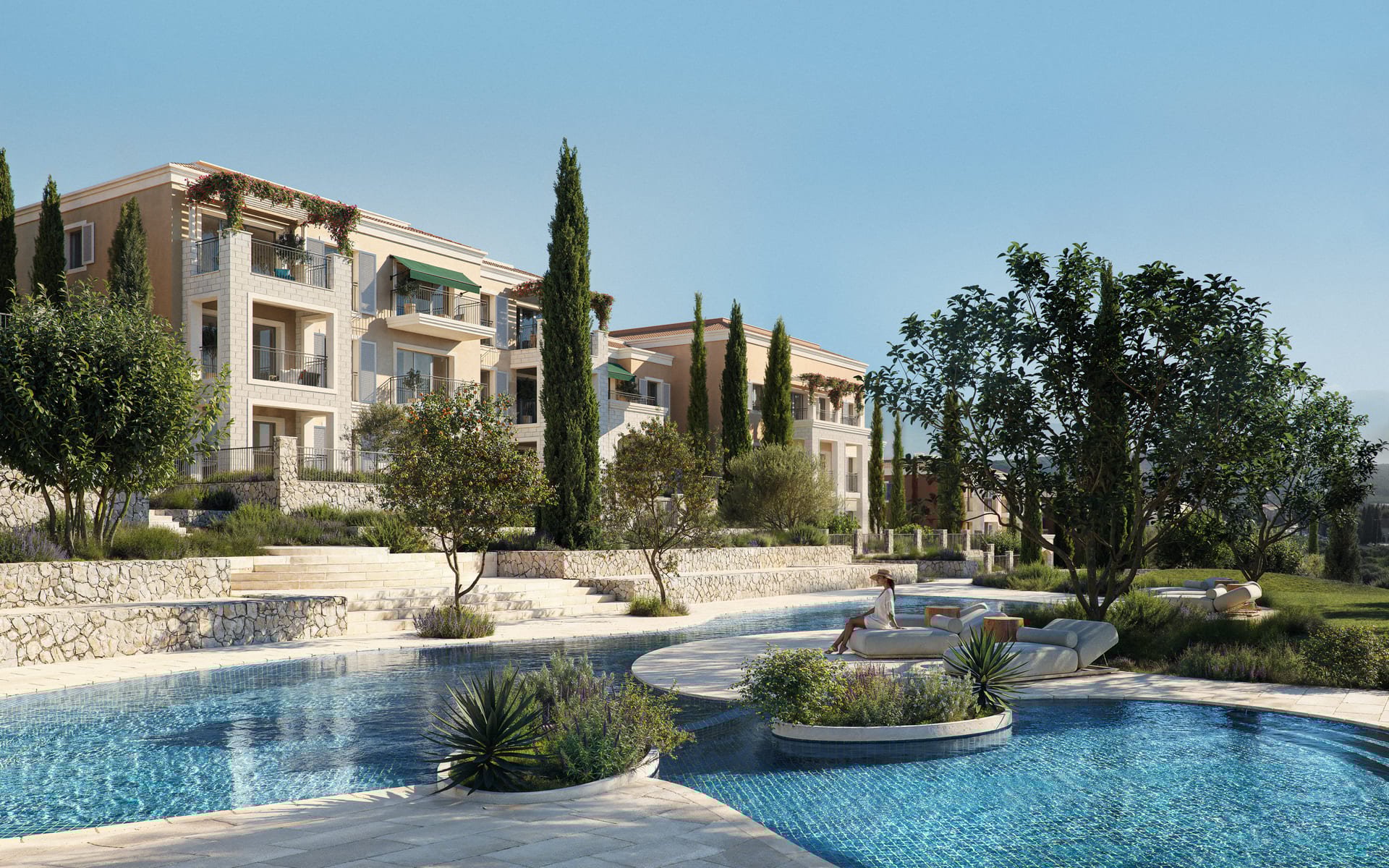
A new development usually offers contemporary design, modern infrastructure, branded or master-planned amenities, and low near-term maintenance. In destinations such as Porto Montenegro, Luštica Bay, and Portonovi, new-build inventory can also deliver a more controlled environment – security, concierge services, marina access, wellness facilities, managed rental options, and a cohesive aesthetic standard.

A resale property, by contrast, often offers immediate certainty. You see the exact unit, exact view, exact light, exact surroundings, and exact quality of upkeep. In established enclaves around the Bay of Kotor or the Budva Riviera, resale homes may also provide access to locations where very little new stock can still be created.

For affluent buyers, that distinction matters. Scarcity can be just as valuable as novelty.

Why many buyers favor new developments

The strongest argument for a new development is ease. Buyers who want a turn-key second home with minimal operational friction are often drawn to newer residences because they offer a simpler ownership profile from day one.

Layouts tend to reflect current buyer expectations – open living spaces, larger terraces, integrated parking, elevators, energy-efficient systems, and smart-home functionality. In premium projects, the finish quality is also more consistent, and amenities are designed for an international audience accustomed to resort-level service.

There is also an investment case. Early entry into a respected project can sometimes provide pricing upside as construction progresses, the destination matures, and surrounding infrastructure improves. This can be especially attractive to buyers who are comfortable purchasing off-plan or during an early release phase.

That said, new developments are not automatically the superior investment. Premium pricing is often built in from the beginning, especially in high-profile waterfront projects. The buyer is paying not only for the residence, but for the broader ecosystem – brand positioning, services, architecture, and future market perception.

The trade-offs of buying new

The convenience of new construction comes with its own considerations. If a property is not yet completed, the buyer is accepting development risk, delivery timelines, and the possibility that the final atmosphere of the neighborhood will only fully emerge over time.

Even in completed projects, there can be a period of transition. Retail components may still be opening, landscaping may still be maturing, and the social rhythm of the community may not yet be fully established. For some buyers, this is part of the upside. For others, especially those wanting immediate charm and a settled environment, it can feel too early.

There is also the matter of individuality. New developments often deliver elegance and consistency, but some buyers find them less distinctive than an older waterfront villa or a well-positioned resale apartment with established provenance.

Where resale can offer a clear advantage

Resale properties appeal to buyers who want clarity, speed, and something less standardized. In practical terms, a completed resale home allows for a much more concrete assessment of value. You are not relying on plans or renderings. You are buying what already exists.

This matters in view-sensitive markets. A sea view that appears generous on paper can feel quite different in person once neighboring buildings, road positioning, and topography are taken into account. With resale, those variables are already visible.

Resale can also provide stronger location leverage. In some of Montenegro’s most desirable coastal positions, the best plots were secured years ago. As a result, older inventory may sit closer to the water, within more traditional settings, or in micro-locations that newer planning cannot easily replicate.

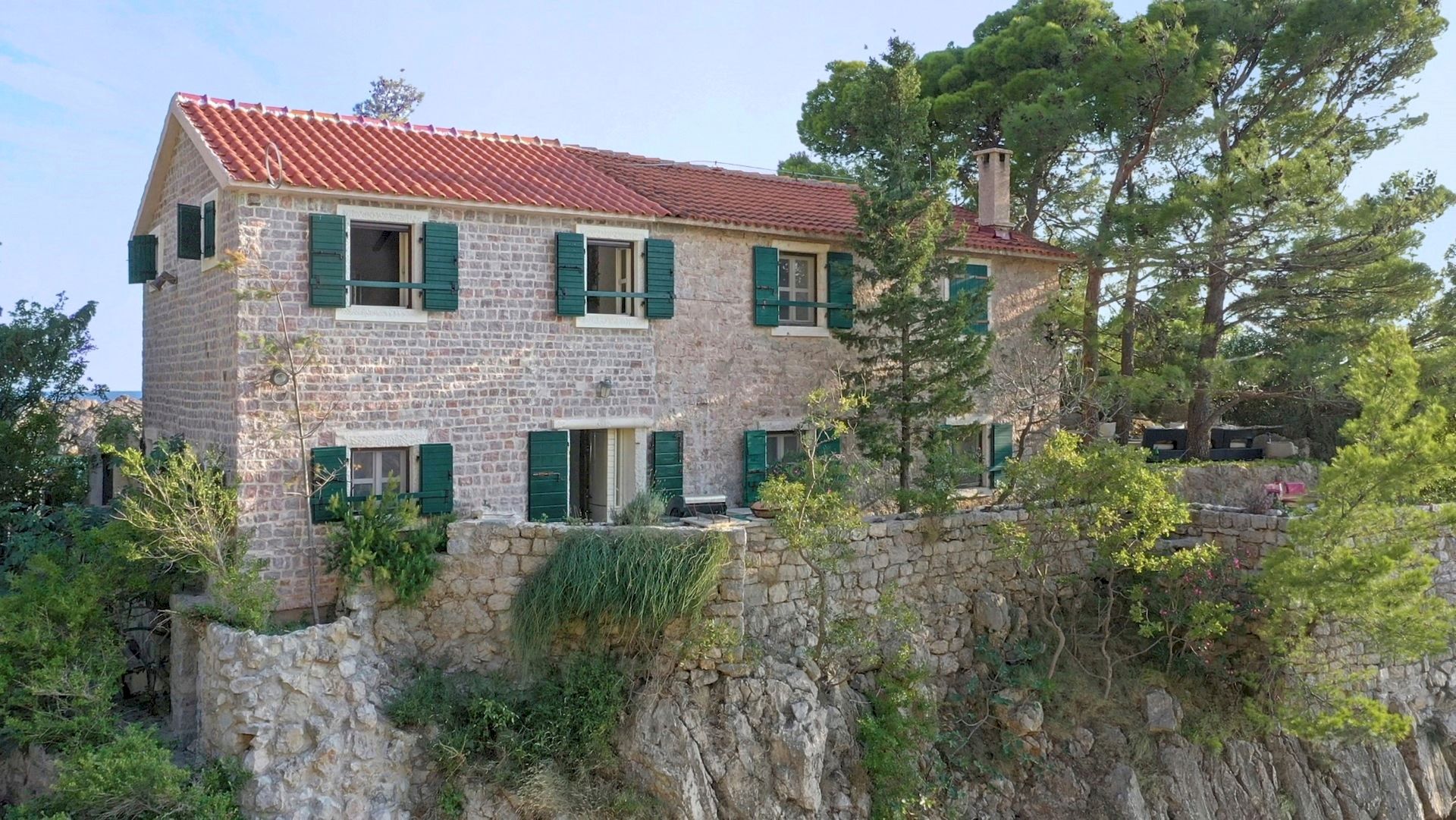
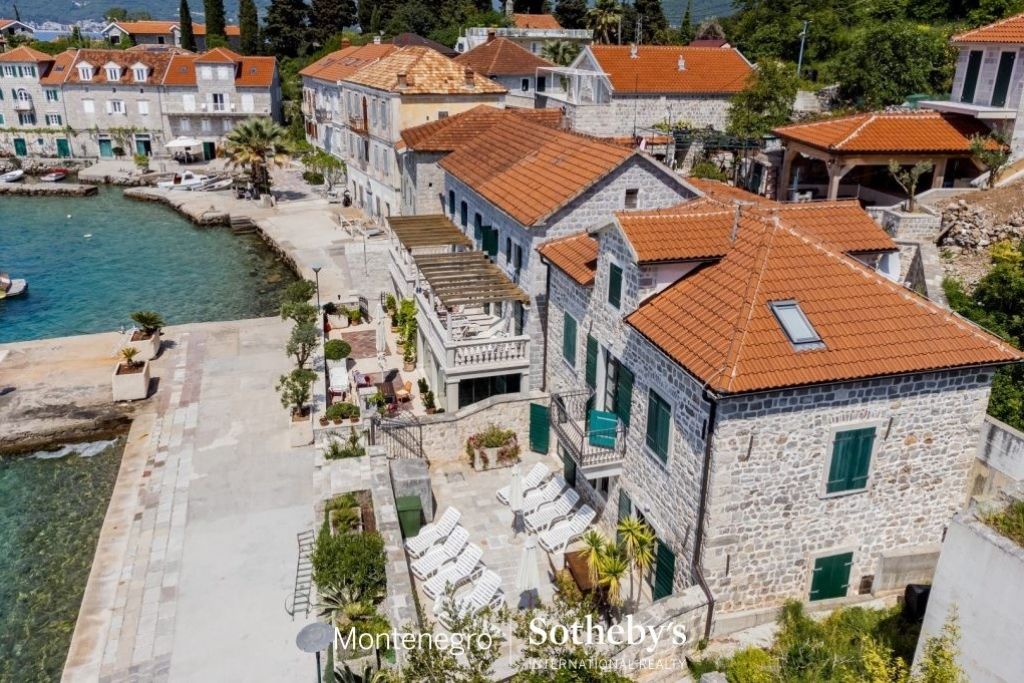
For buyers focused on authenticity, that can be decisive. A stone villa in a historic bay setting or a long-held apartment in a prime waterfront line may carry a sense of place that a new residence, however polished, does not attempt to imitate.

The trade-offs of buying resale

The main consideration with resale is variability. Two properties in the same building can differ materially in condition, renovation quality, legal readiness, and future maintenance needs. A resale purchase often demands sharper due diligence, particularly in relation to title, permits, building management, and renovation history.

There may also be hidden costs. An attractive asking price can quickly look less compelling if the property requires modernization, upgraded systems, facade work, or interior reconfiguration to meet current luxury expectations.

For investors, resale can be especially case-specific. Some units are immediately rentable and well-positioned for seasonal demand. Others may need substantial repositioning before they perform at the level buyers expect in the premium segment.

Lifestyle choice versus investment choice

In many cases, the right answer depends on what you want the property to do for you.

If the property is primarily a lifestyle purchase – a low-maintenance coastal residence for seasonal use, family stays, and occasional rental income – a new development may be more aligned with that goal. The service environment, building management, and modern amenity package can reduce friction and make ownership more enjoyable from abroad.

If the property is intended as a legacy asset or a highly specific lifestyle expression, resale may offer more emotional value. Buyers who care about privacy, architectural individuality, or owning in an established waterfront setting often accept the extra complexity because the end result is more personal and harder to replicate.

If the priority is capital appreciation, it depends on entry point and asset quality. New developments can benefit from project momentum and destination growth. Resale properties can outperform when they are purchased below replacement value, positioned in truly scarce locations, or upgraded intelligently.

New developments versus resale Montenegro for rental potential

Rental performance is another area where buyers should avoid blanket assumptions.

New developments often rent well because guests and short-term tenants respond to fresh interiors, branded surroundings, and amenities such as pools, beach clubs, fitness centers, and concierge services. They also photograph well, which matters in a highly visual booking market.

Resale properties can compete strongly when they offer something distinctive – a better front-line position, more generous terrace, old-town proximity, private berth access, or a villa format that stands apart from apartment inventory. In the luxury segment, uniqueness can command just as much pricing power as newness.

The operational side matters too. Some developments are designed with rental management in mind, which simplifies ownership for overseas clients. A resale home may offer stronger upside, but achieving it can require more active oversight, local coordination, or renovation planning.

How sophisticated buyers usually decide

The strongest buyers do not begin with a fixed preference for new or resale. They begin with a brief.

A clear brief usually covers five points: how often the property will be used, whether rental income matters, how quickly occupancy is needed, how much operational involvement is acceptable, and what type of location carries the most value for the buyer.

Once those priorities are clear, the path becomes easier. A buyer seeking a lock-and-leave marina residence with predictable management may be best served by a new development. A buyer seeking a rarer waterfront address with long-term scarcity value may find the better opportunity in resale stock.

This is where local guidance becomes especially valuable. The right comparison is not between categories in general, but between specific assets. A premium new apartment should be weighed against the best resale alternatives in the same lifestyle bracket, not against the entire market. That is often where real value appears.

Sotheby’s International Realty Montenegro regularly sees buyers move toward the right decision once the comparison becomes practical rather than theoretical – not new versus old, but service versus privacy, convenience versus scarcity, early-entry upside versus immediate certainty.

A well-chosen property can succeed in either category. The more useful question is simpler: when you arrive, or when you decide to sell, which type of asset is more likely to feel irreplaceable?

7 Top Bay of Kotor Neighborhoods

Choosing among the top Bay of Kotor neighborhoods is less about finding a single “best” address and more about matching the right setting to your lifestyle, privacy preferences, and investment goals. In this market, two homes with similar views can offer very different ownership experiences depending on whether you value marina access, Old Town character, rental demand, or a quieter waterfront rhythm.

For buyers considering the bay, that distinction matters. The Bay of Kotor is compact, but each enclave has its own pace, buyer profile, and property mix. Some areas are polished and internationally recognized. Others remain more discreet, with stronger appeal for those who prioritize authenticity and long-term scarcity over visibility.

What makes the top Bay of Kotor neighborhoods stand out

The strongest neighborhoods tend to share a few fundamentals: direct water access, protected views, limited future supply, and a setting that supports both personal use and resale appeal. Beyond that, the differences become highly practical. A family relocating seasonally may prioritize year-round services and easier road access. A yacht owner may care far more about berthing, concierge support, and a marina-centered social scene. An investor may focus on branded developments, professional rental management, and international buyer recognition.

That is why the Bay of Kotor should be assessed neighborhood by neighborhood rather than as one uniform market. Below are seven locations that consistently attract serious attention from luxury buyers.

1. Porto Montenegro, Tivat

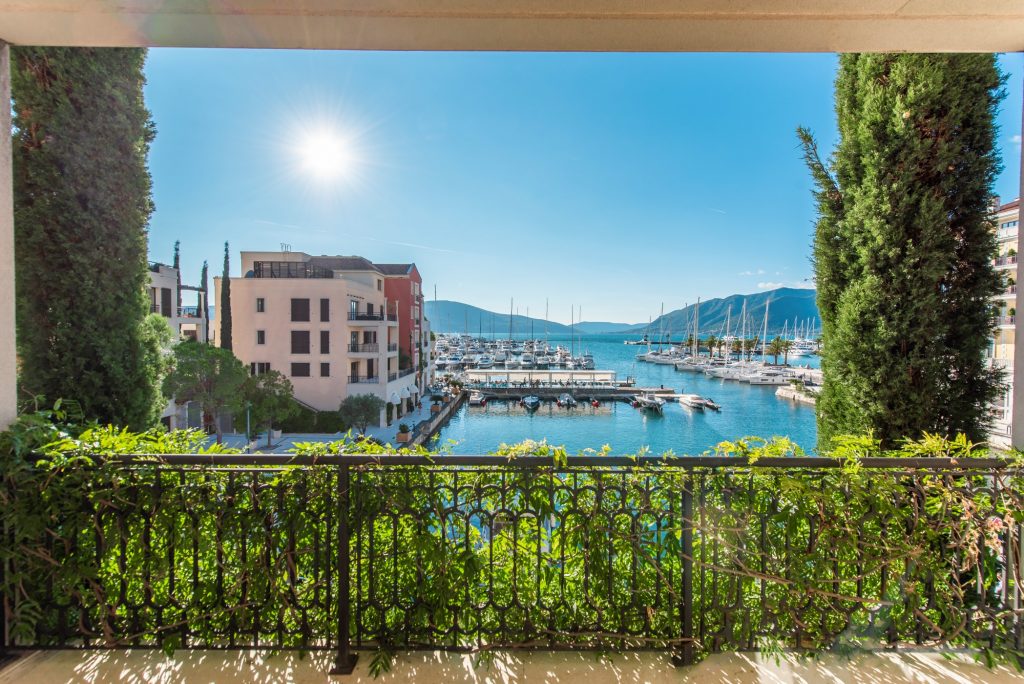
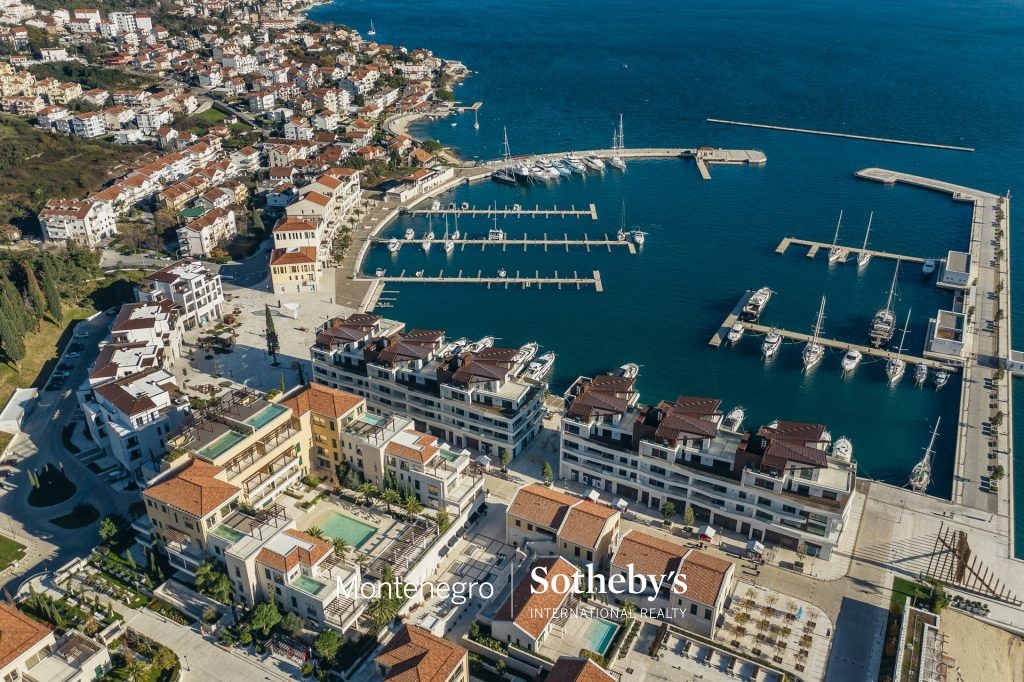
Porto Montenegro is the bay’s most established luxury marina address. For many international buyers, it offers the easiest entry point because the proposition is immediately clear: premium residences, full-service amenities, superyacht infrastructure, retail, dining, and a lifestyle designed for effortless ownership.

This neighborhood suits buyers who want convenience without compromise. If you intend to arrive frequently, entertain, or place importance on professionally managed buildings and services, Porto Montenegro is a strong fit. The residential stock is also easier for international clients to evaluate because the product is consistent, branded in its presentation, and supported by a highly legible lifestyle offering.

The trade-off is equally clear. Porto Montenegro is more structured and social than the quieter historic villages around the bay. Buyers seeking deep privacy, stone-house character, or a more traditional waterfront atmosphere may find it polished but less intimate.

2. Donja Lastva, Tivat

Just beyond the marina energy of central Tivat, Donja Lastva offers a more understated waterfront setting. This area appeals to buyers who want proximity to Porto Montenegro without living directly inside its busiest orbit. It feels more residential, more relaxed, and in many pockets more traditionally coastal.

Properties here range from refined apartments to waterfront homes and older residences with renovation potential. For buyers who value walkability to the marina while preserving a degree of separation, Donja Lastva often strikes the right balance.

From an investment perspective, the appeal comes from adjacency. Areas near high-profile lifestyle hubs often benefit from demand spillover, especially among buyers who want similar access with a softer residential feel. The right property here can offer both lifestyle convenience and enduring relevance.

3. Kotor Old Town and Dobrota

Kotor Old Town is one of the Adriatic’s most recognizable heritage settings, and that status gives it a unique type of value. Buyers drawn to cultural depth, architectural character, and a true sense of place often begin here. A residence inside or near the Old Town is rarely just about square footage. It is about living within a UNESCO-protected environment where scarcity is built into the location itself.

For many luxury purchasers, however, Dobrota is the more practical choice. Stretching along the waterfront just beyond Kotor, Dobrota combines beautiful stone villas, elegant seafront homes, and apartment residences with easier access, more open views, and a calmer residential tone. It remains close to the Old Town while feeling less constrained by its medieval layout.

This part of the bay works well for buyers who care about heritage and visual drama but still want an address that supports modern living. The nuance is that property here can vary widely in quality, micro-location, and access. Two listings in Dobrota may look similar on paper yet differ significantly in road approach, privacy, parking, and waterfront usability.

4. Perast

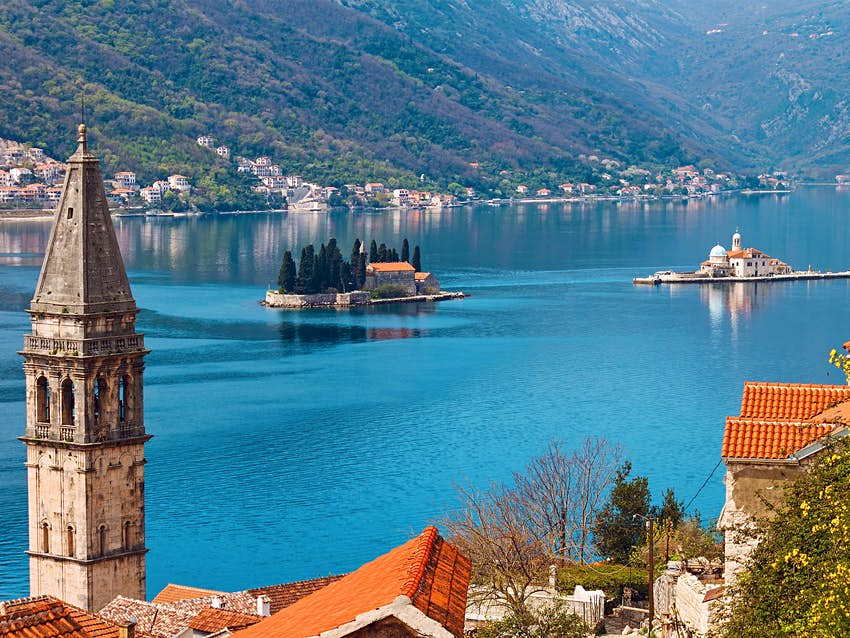
Perast is one of the bay’s most exclusive and visually refined addresses. Small, historic, and highly protected, it attracts buyers who place a premium on beauty, rarity, and prestige. The architectural consistency here is part of its value. There are few places in the bay where the setting feels so composed.

This is not the neighborhood for buyers seeking fast-paced marina life or extensive modern inventory. Perast is better suited to those who want a trophy property, a heritage residence, or a deeply atmospheric second home in a location with limited supply.

That limited supply is exactly why Perast remains compelling. Opportunities are relatively rare, and when exceptional properties do come to market, they tend to attract sophisticated buyers who understand the long-term value of scarcity. The compromise, naturally, is practicality. Access, parking, and modernization can require more patience here than in newer luxury developments.

5. Prcanj

Prcanj is often appreciated by buyers who know the bay well. It sits between the high-profile visibility of Kotor and the postcard prestige of Perast, offering a quieter waterfront identity with elegant old captains’ homes, churches, and a slower residential cadence.

For those seeking authenticity without the constant flow of a major tourist core, Prcanj can feel especially well judged. It is attractive for lifestyle buyers who want calm mornings, direct water proximity, and a setting that still feels connected to the historic fabric of the bay.

From a market standpoint, Prcanj can present value relative to more famous addresses nearby, though that depends heavily on exact positioning and property condition. Well-restored waterfront homes are still highly prized. Properties set back from the water or requiring substantial renovation need a more selective eye.

6. Muo

Directly facing Kotor across the water, Muo has become increasingly appealing to buyers who want dramatic views of the Old Town and mountains while remaining just outside the busiest core. The perspective from Muo is one of its great advantages. Some of the bay’s most memorable outlooks are found here.

The neighborhood feels intimate and residential, with a mix of traditional houses and newer homes. It suits buyers who want visual impact and a sense of retreat while staying close to Kotor’s restaurants, marinas, and cultural appeal.

The key consideration in Muo is property-specific positioning. Road access, waterfront frontage, parking, and privacy can vary notably. For discerning buyers, this is the kind of market where local advisory insight matters because the premium sits not only in the neighborhood name, but in the exact placement of the home.

7. Orahovac and Ljuta

Orahovac and Ljuta appeal to buyers at the quieter, more private end of the luxury spectrum. These villages are known for their clear water, elegant shoreline, and lower-key atmosphere. They tend to attract those who are less interested in being seen and more interested in owning a beautiful waterfront base with a refined sense of calm.

This part of the bay works particularly well for families and second-home buyers who want privacy and natural beauty, yet still expect strong aesthetic standards. Waterfront villas and distinctive stone properties here can feel deeply personal rather than standardized.

The trade-off is that these locations are less activated by retail and social infrastructure than marina-centered districts. For some buyers, that is the attraction. For others, especially those planning frequent short stays or high-volume rentals, a more service-rich location may perform better.

How to choose among the top Bay of Kotor neighborhoods

The right neighborhood depends on how you intend to use the property over the next five to ten years. If your priority is turnkey ownership, marina access, and internationally legible luxury, Porto Montenegro is difficult to ignore. If you want heritage, atmosphere, and lasting architectural scarcity, Kotor, Perast, and parts of Dobrota deserve close attention.

If privacy and quieter waterfront living matter more than visibility, Prcanj, Muo, Orahovac, and Ljuta may be stronger matches. Buyers focused on rental performance usually benefit from locations with broader international recognition and easier guest logistics. Buyers thinking primarily about personal enjoyment may find greater long-term satisfaction in the less obvious villages, where the experience of ownership feels more distinctive.

At the top end of the market, selecting the right neighborhood is only the first step. Street position, sun exposure, water frontage, access, and building quality can shape value as much as the address itself. That is why serious buyers generally benefit from a curated, on-the-ground view of the bay rather than relying on broad impressions alone.

In a market this nuanced, the best property is rarely just the most impressive one. It is the one that fits how you want to live now and how you want your investment to hold its appeal later.

Why Invest in Bay of Kotor Real Estate

A waterfront apartment in the Bay of Kotor is not just a beautiful address. In the right location, it can also be a rare combination of lifestyle asset, income-producing property, and long-term hold in a market that still feels earlier in its growth cycle than many established Mediterranean destinations. That is the real answer to why invest in Bay of Kotor property now: scarcity, international appeal, and a level of relative value that is becoming harder to find on the coast of Southern Europe. For sophisticated buyers, the Bay is compelling because it does not rely on one story alone. Some clients are drawn by the setting – protected water, mountain backdrops, marinas, historic towns, and a pace that feels more private than busier resort markets. Others are focused on numbers – constrained waterfront supply, increasing global visibility, and demand from both seasonal travelers and second-home buyers. The strongest case for investment sits where those two stories meet.

Why invest in Bay of Kotor now

Timing matters in real estate, especially in coastal markets where the best inventory is finite. The Bay of Kotor benefits from a simple structural advantage: there is only so much prime waterfront, marina-adjacent, and sea-view property to acquire. That scarcity supports pricing over time, particularly for well-positioned homes with direct water access, strong architecture, privacy, and proximity to luxury hospitality or yachting infrastructure. At the same time, the market has matured enough to attract serious international interest without yet reaching the pricing levels seen in fully saturated Mediterranean enclaves. For buyers comparing opportunities across the Adriatic and beyond, that balance is significant. You are not entering an undiscovered location, but you may still be entering before the market is fully priced like more established luxury coastlines. This does not mean every property will perform equally well. Micro-location, build quality, views, parking, access, and rental suitability all matter. In the Bay, selectivity is not optional. It is where much of the upside is won or lost.

A lifestyle market with investment discipline

Luxury real estate performs best when there is genuine end-user demand behind it. The Bay of Kotor has that advantage. Buyers are not purchasing here only for speculation. They come for the experience of ownership – boating access, historic character, mountain-and-sea scenery, privacy, and a calmer atmosphere than many louder summer destinations. That matters because lifestyle resilience often supports market resilience. Locations that people truly want to use, not just trade, tend to hold attention through shifting cycles. A residence in the Bay can serve multiple purposes at once: family retreat, summer base, remote-work residence, rental asset, or legacy property to hold long term. For international clients, that flexibility is especially attractive. A property can be enjoyed personally for part of the year and professionally managed for short-term rentals during high-demand periods. When chosen carefully, the asset is not idle. It works while still preserving the emotional value that lifestyle investors care about.

Limited supply is the core investment story

If one factor most clearly explains why invest in Bay of Kotor real estate, it is supply. The geography itself places natural limits on development. Waterfront plots are finite. Historic areas have character and planning sensitivities. Premium positions near marinas, promenades, and protected views are not easily replicated. This creates an important divide within the market. Prime homes are not interchangeable with average inventory. A front-line waterfront apartment in a prestigious enclave, a villa with private mooring potential, or a branded residence near a world-class marina sits in a very different category from secondary stock with weaker access or compromised views. For investors, that distinction should shape acquisition strategy. The Bay rewards quality over volume. In practical terms, one exceptional property often has a more defensible long-term position than several mediocre ones. Scarcity does not protect every asset equally. It protects the best-located assets first.

International demand continues to broaden

The buyer profile in the Bay of Kotor is increasingly global. Interest comes from Europe, the United States, the Middle East, Turkey, and other wealth centers where buyers are seeking a foothold in a more discreet Mediterranean setting. That breadth matters because markets supported by diverse demand tend to be less dependent on any single national buyer group. The Bay also benefits from Montenegro’s wider rise as a luxury coastal destination. High-end marina developments, hospitality investment, and stronger international awareness have raised the market’s profile. For many affluent buyers, the country is no longer a niche discovery. It is now part of a broader Mediterranean property conversation. That broader recognition can support capital values over time, especially in premium segments. As more global buyers enter the market, they tend to concentrate around proven locations, branded environments, and properties that meet international expectations for design, service, and convenience.

Rental potential, with the right property

Not every investor is looking for rental yield, but many appreciate the option. The Bay of Kotor has clear short-term rental appeal because it attracts travelers who want more than a standard beach holiday. They are often looking for scenery, sailing, old-town charm, fine dining, and a more refined coastal experience. Properties that perform best in the rental market are usually those that combine visual appeal with practical ease. Guests will pay for views, waterfront access, and proximity to marinas or historic centers, but they also care about parking, modern interiors, outdoor space, and straightforward arrival logistics. A beautiful home with difficult access can underperform a less romantic but better-functioning asset. Seasonality is a real consideration. Rental demand is strongest in peak months, and owners should assess realistic occupancy, management costs, and the property’s year-round usability. Still, for well-positioned luxury residences, short-term rental income can meaningfully offset carrying costs while preserving owner flexibility.

Infrastructure and prestige support long-term value

Luxury markets do not advance on scenery alone. They need services, accessibility, quality hospitality, and buyer confidence. The Bay of Kotor has benefited from continued investment in exactly those areas. Marinas, high-end residential projects, improved amenities, and international-standard service have changed how the region is perceived by global buyers. Prestige also compounds over time. Once a destination establishes itself as a credible luxury market, it tends to attract better operators, stronger resale demand, and more selective buyers. That does not create instant appreciation, and no advisor should present it that way. But it does help explain why prime assets in the Bay have moved from purely lifestyle purchases into serious portfolio discussions. For many clients, this is where a curated approach becomes essential. The market includes traditional stone houses, modern apartments, resort-style residences, villas, and land opportunities. The right choice depends on your priorities: privacy, rental return, marina access, future resale, or personal enjoyment. Sotheby’s International Realty Montenegro typically advises buyers to begin with the end use and work backward from there.

The trade-offs buyers should consider

A credible investment case always includes the limitations. The Bay of Kotor is not a market for purely passive buying. Asset selection matters, and local guidance matters just as much. Planning rules, property condition, topography, and title clarity can vary from one opportunity to another. Liquidity can also differ by segment. Ultra-prime homes appeal to a narrower buyer pool than mid-market apartments, even if they may hold prestige better over the long term. Historic properties can be exceptional, but restoration costs and maintenance requirements should be evaluated carefully. New-build residences may offer easier ownership and rental management, but some buyers will pay a premium for that convenience. This is why serious investors tend to focus on clarity rather than hype. The question is not whether the Bay is attractive. It plainly is. The question is which property type, in which exact location, best fits your time horizon and use case.

Who the Bay suits best

The Bay of Kotor is especially well suited to buyers who want more than a transactional investment. It appeals to those who value limited supply, architectural character, marina culture, and a setting that feels both exclusive and usable. It also suits investors who understand that prime coastal real estate tends to reward patience, quality, and disciplined buying. If your goal is maximum short-term yield at any cost, there may be other markets or other property types to consider. If your goal is to own a distinctive asset in a rising luxury destination with personal enjoyment built into the investment thesis, the Bay makes a strong case. That is often the deciding factor. The best property purchases are not only financially sensible. They remain desirable year after year, even when market conditions change. In the Bay of Kotor, that enduring desirability is precisely what makes careful investment worth considering.

Montenegro Luxury Buyer Guide

A waterfront apartment with a superyacht berth below, a hillside villa above the Bay of Kotor, a branded residence with hotel-level service – luxury real estate here is not one market. A strong Montenegro luxury buyer guide starts with that distinction, because the right purchase depends less on price alone and more on how you plan to live, arrive, entertain, and hold the asset over time.

For many international buyers, the appeal is clear. Montenegro offers a rare mix of Adriatic coastline, limited prime inventory, growing global visibility, and a lifestyle that still feels selective rather than overbuilt. But premium markets reward precision. The best purchase is usually the one aligned with your habits, your time horizon, and your tolerance for operational complexity.

What makes the Montenegro luxury market different

Luxury property in Montenegro tends to concentrate in a small number of high-profile coastal and marina-led destinations. That creates clarity, but it also means micro-location matters more than first-time buyers often expect. Two homes may sit within the same broader region and perform very differently in terms of privacy, rental demand, walkability, seasonality, and long-term resale appeal.

This is also a market where lifestyle and investment logic frequently overlap. Buyers may want a residence for personal use, but they are also considering capital preservation, future liquidity, and income potential. A turnkey apartment in a fully serviced marina community can suit one buyer better than a larger detached villa if ease of ownership and rental management are priorities. Another buyer may accept more complexity in exchange for land value, architectural individuality, and stronger privacy.

In other words, luxury here is not a single category. It ranges from polished branded environments to discreet waterfront homes with a far more private feel.

Montenegro luxury buyer guide by location

Porto Montenegro

Porto Montenegro appeals to buyers who want structure, service, and international marina culture. The environment is polished and highly legible – residences, retail, dining, leisure amenities, and yacht infrastructure are designed to work together. For second-home owners who value convenience and lock-and-leave ownership, this is often one of the most straightforward options.

The trade-off is that buyers are paying for an ecosystem, not only square footage. That can be exactly the point. If your priorities include concierge support, walkability, marina access, and a community with global recognition, the premium can make sense.

Luštica Bay

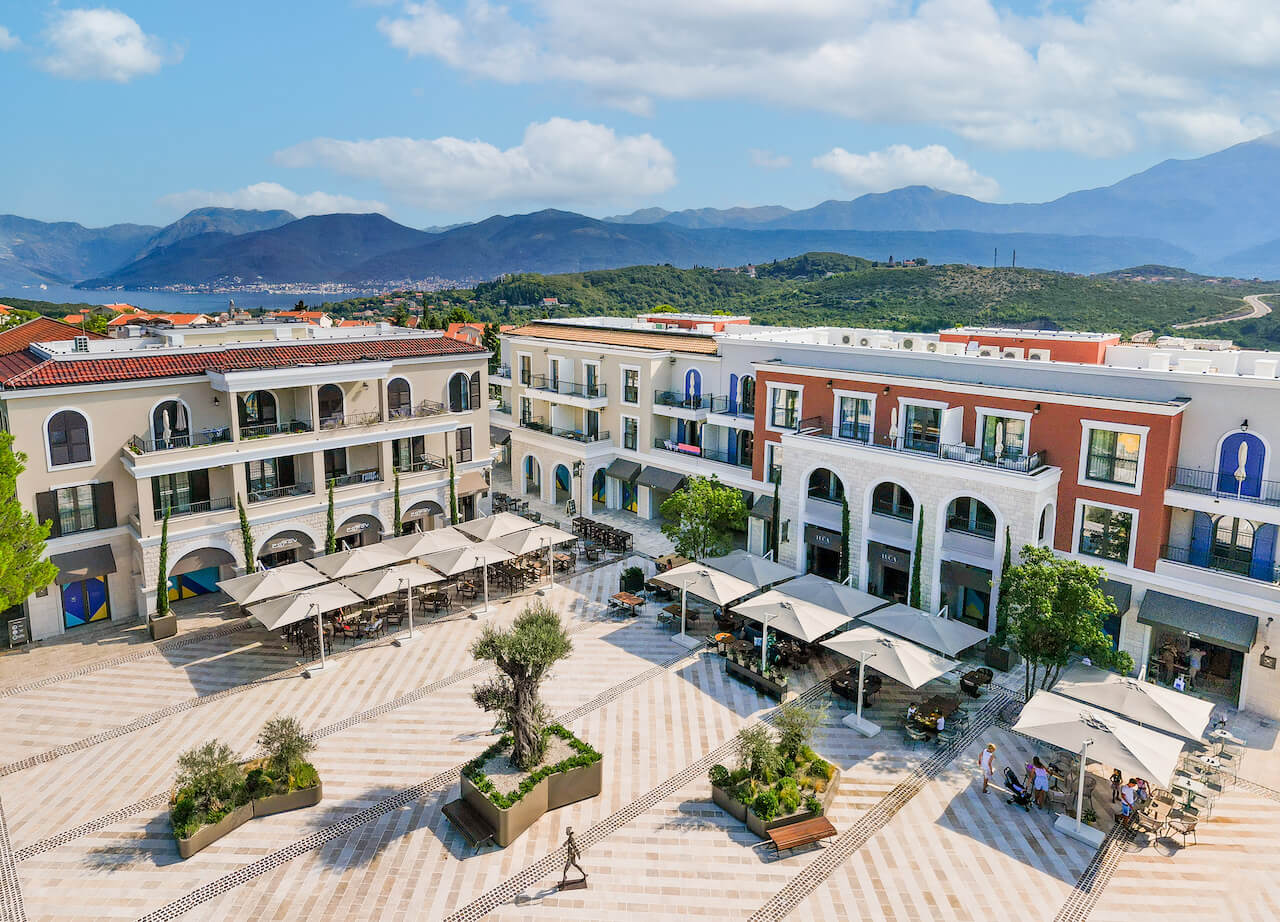
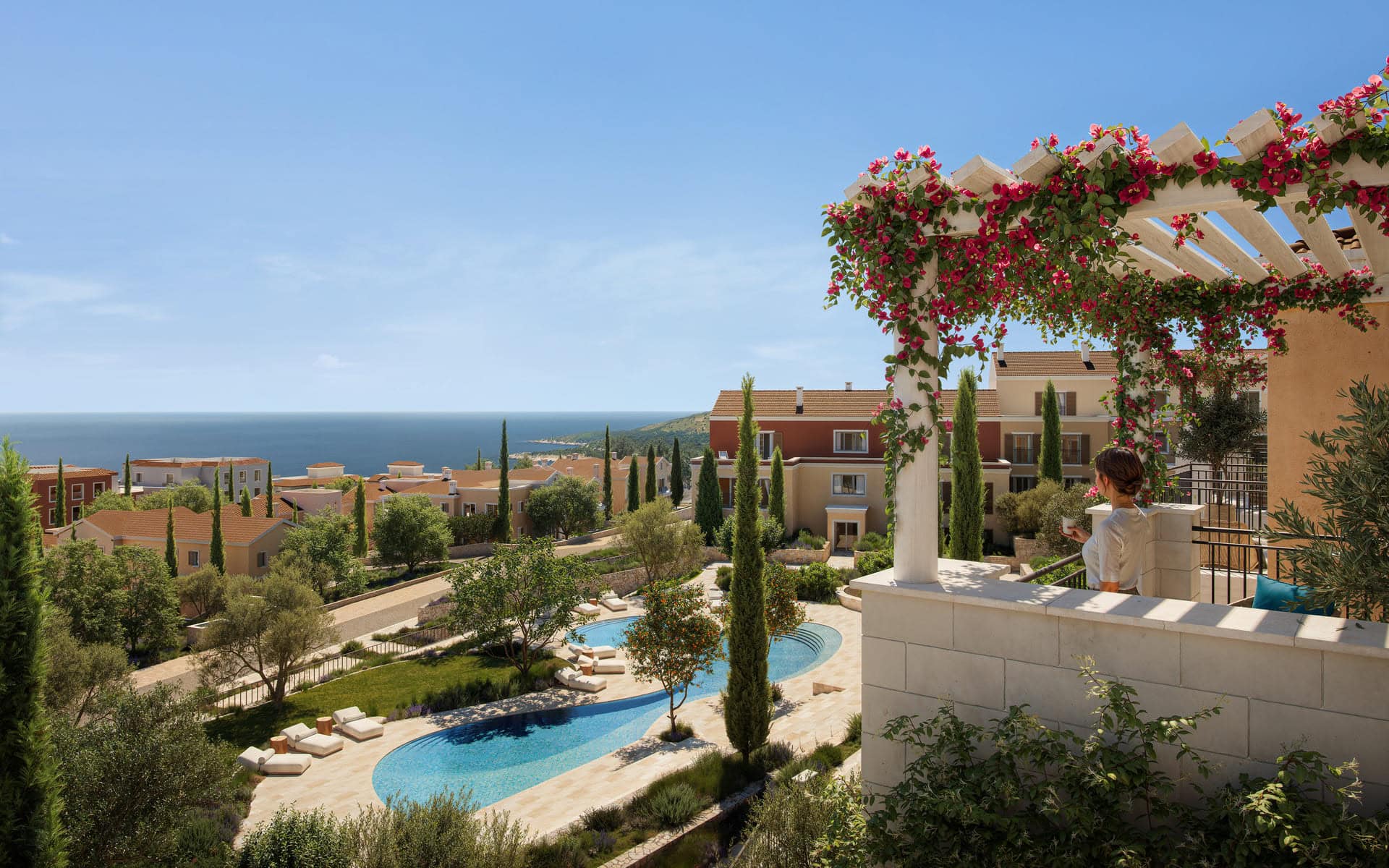
Luštica Bay tends to attract buyers looking for a more lifestyle-led resort setting with a master-planned feel. It offers strong visual coherence, sea views, leisure amenities, and a calmer rhythm than some busier waterfront zones. This can work especially well for families or buyers who want a refined second-home environment without the density of a more urban marina destination.

Its appeal often lies in long-term livability. If you are thinking beyond a seasonal stay and want a place that feels composed and easy to return to, this market deserves close attention.

Portonovi

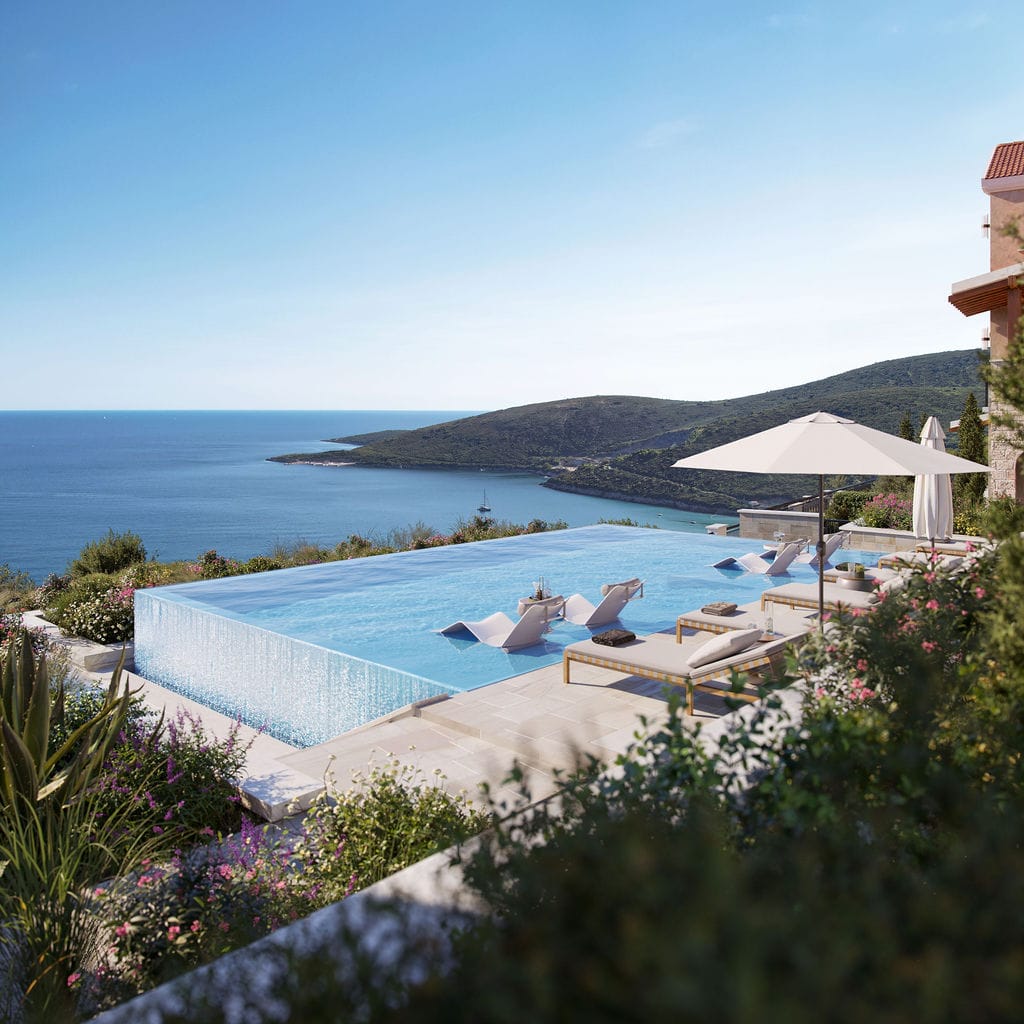
Portonovi is often considered by buyers drawn to statement positioning, resort services, and marina proximity with a high-end hospitality layer. It suits purchasers who want a contemporary luxury setting, strong amenity access, and a property that can function as a residence with a managed-lifestyle component.

For some, this delivers confidence and convenience. For others, it can feel more destination-oriented than residential. The right fit depends on whether you want your property to feel like a private retreat, a social waterfront address, or something in between.

Bay of Kotor

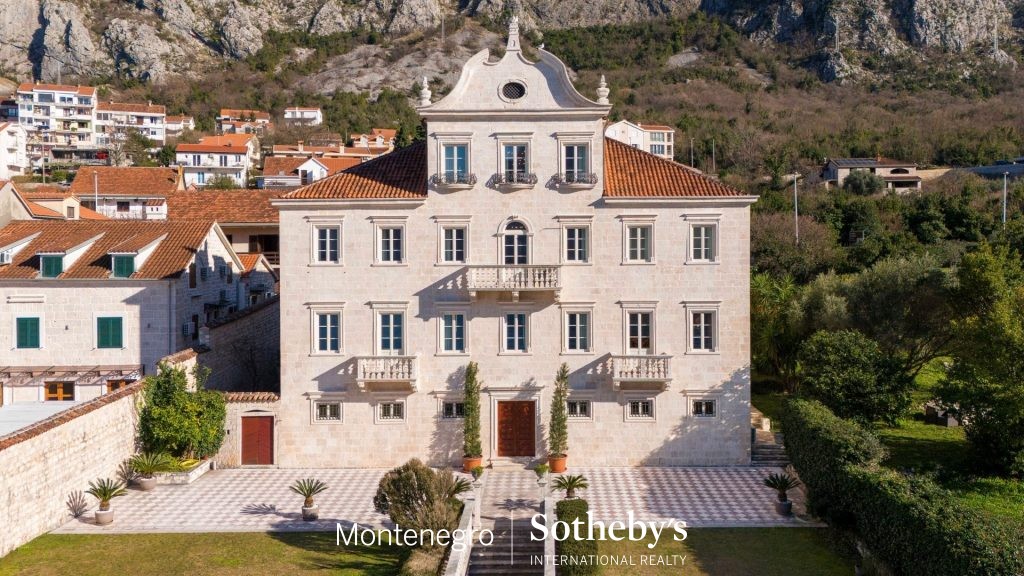
The Bay of Kotor attracts buyers for very different reasons. Here, the appeal is often heritage, topography, dramatic views, and homes with character. The market can include beautifully positioned stone houses, waterfront residences, and villas in settings that feel more intimate and established than master-planned resorts.

This is where nuance matters. Charming and rare properties can require more due diligence, more bespoke maintenance, and a more patient search. Yet for buyers who value authenticity and visual permanence, the Bay can offer a type of prestige that newer developments cannot replicate.

Budva Riviera

The Budva Riviera is broader and more varied. It includes areas with strong seasonal energy, luxury seafront property, and investment-oriented appeal linked to tourism and rental demand. Buyers focused on visibility, rental performance, and access to a dynamic summer market often look here first.

Still, selectivity is essential. Some pockets feel highly exclusive and enduring. Others are driven more by short-term activity. If your purchase is meant to be a long-hold luxury asset, not every address along the Riviera will serve the same purpose.

What to evaluate before you buy

Lifestyle fit comes first

Start with the way you actually use property. If you travel often and want minimal friction, a serviced apartment in a prime marina setting may outperform a villa that needs staffing, garden care, and year-round oversight. If privacy, hosting space, and architectural individuality matter most, a detached home may be worth the extra complexity.

Many buyers make the mistake of buying for an imagined lifestyle. The better approach is to buy for your real pattern of use in the next three to seven years.

Understand the inventory type

New-build residences, branded developments, resale villas, waterfront houses, and land all sit in different risk and reward categories. Newer turnkey inventory generally offers easier ownership and clearer finishes. Resale character homes may offer uniqueness and location scarcity but require more scrutiny around condition, compliance, and future maintenance.

Land can be compelling, particularly for buyers who want a signature home, but it adds planning, permitting, timing, and execution risk. For some investors, that is a strategic advantage. For lifestyle buyers seeking immediate enjoyment, it is often the wrong starting point.

Look past headline pricing

In luxury real estate, the purchase price is only the opening figure. Buyers should assess service charges, management structure, furnishing needs, parking or berth access, maintenance intensity, and the practical cost of owning from abroad. A less expensive property can become less attractive if it creates ongoing operational friction.

Equally, a premium residence in the right setting may hold value better because the buyer pool remains stronger and more international.

The purchase process for international buyers

A practical Montenegro luxury buyer guide should address one concern directly: cross-border transactions feel more manageable when they are handled in the right sequence.

The first step is not usually viewing everything available. It is defining the brief with discipline – preferred location, property type, ownership purpose, budget range, and non-negotiables such as berth access, walkability, privacy, or rental capability. That shortens the search and improves decision quality.

From there, viewings should be curated. In the luxury segment, too many options can cloud judgment. A focused shortlist reveals market differences quickly and helps buyers calibrate what represents true value.

Once a property is selected, the legal and transactional phase should be handled with experienced local professionals. Title review, planning status, building documentation, contract terms, and acquisition structure all matter. The right advisory process is not about adding drama to the transaction. It is about reducing uncertainty before commitment.

This is where an established brokerage with both international standards and local market fluency can materially improve the experience. Sotheby’s International Realty Montenegro, for example, operates in precisely that space between curation and execution, which is often what international buyers value most.

Investment thinking without losing sight of lifestyle

Many luxury purchases begin as lifestyle decisions and become investment decisions over time. That is perfectly reasonable, but it helps to be honest about your priorities. If rental return is central, focus on location durability, serviceability, season length, and tenant appeal. If capital preservation is the main goal, scarcity and enduring desirability usually matter more than short-term yield.

The strongest assets often share a few qualities: exceptional waterfront or sea-view positioning, proven destination appeal, limited direct competition, and easy ownership for international buyers. But no property scores highest on every measure. A private villa may offer stronger emotional value and weaker rental simplicity. A branded residence may offer greater ease and slightly less individuality. That tension is normal.

Common mistakes premium buyers can avoid

One common error is treating Montenegro as a single coastal market. It is not. Another is overvaluing novelty and undervaluing long-term location strength. New finishes are easy to find. Truly defensible positions are not.

Buyers also sometimes wait for certainty that never arrives. In prime luxury property, the best opportunities are rarely obvious bargains. They are well-located assets that remain desirable through different market cycles.

The most effective approach is measured rather than rushed: define the objective, compare like with like, verify the details carefully, and buy where quality, place, and practicality meet. When those elements align, the property tends to feel right long after the transaction is complete.

How to Finance a Montenegro Luxury Home

A waterfront villa in the Bay of Kotor or a branded residence in Porto Montenegro rarely becomes available at the exact moment your capital is sitting in the ideal structure. That is why understanding how to finance Montenegro luxury home purchases matters early, not after you have found the right property. In this market, timing, liquidity, banking relationships, and transaction structure often shape the deal as much as price.

For high-net-worth buyers, financing a luxury property in Montenegro is less about chasing the lowest rate and more about choosing the right capital strategy. Some buyers prefer a clean cash acquisition for speed and negotiating leverage. Others preserve liquidity through private banking facilities, asset-backed lending, or carefully structured cross-border borrowing. The best route depends on where your wealth is held, your tax residency, the property type, and how quickly you want to close.

How to finance Montenegro luxury home purchases wisely

The first distinction to make is simple: are you buying with domestic financing, international financing, or existing liquidity? In practice, many luxury buyers use one of three approaches. They either purchase fully in cash, borrow against assets held elsewhere, or secure a mortgage or lending facility through a bank willing to support a cross-border real estate purchase.

Cash remains common at the top end of the market because it reduces execution risk. Sellers of prime homes often favor buyers who can move decisively, especially for rare waterfront properties, marina residences, and new-build inventory in sought-after developments. A cash position can also strengthen negotiating power, but it comes with an obvious trade-off. Capital tied up in property is capital no longer available for business, investment, or portfolio diversification.

That is why many sophisticated buyers look beyond the simple cash-versus-mortgage question. They look at the cost of capital, the opportunity cost of liquidity, currency exposure, and whether a property is intended primarily as a lifestyle asset, an income-producing investment, or part of a longer-term relocation plan.

The most common ways affluent buyers finance

For international clients, financing often starts outside Montenegro rather than within it. Private banks frequently offer lending against liquid portfolios, investment accounts, or broader wealth positions. This can be attractive because underwriting may be based more on your overall balance sheet and relationship history than on the local property alone. It also allows you to complete a purchase without waiting for a local mortgage process that may be more document-heavy or narrower in scope.

A second route is a mortgage or real estate loan arranged through a regional or local bank. Availability depends on the borrower profile, nationality, source of funds, income verification, and the nature of the property. Banks are generally more comfortable with clearly titled, completed properties in established locations than with complex land acquisitions or highly bespoke development scenarios. Financing terms can vary significantly, so assumptions based on your home market are rarely reliable here.

A third option is bridging or short-term finance. This can suit buyers who want to secure a property immediately while reorganizing liquidity, selling another asset, or refinancing later through a different structure. It is effective when timing is critical, though the cost of short-term capital is usually higher and should be weighed carefully.

What lenders and advisors will want to see

If you are evaluating how to finance Montenegro luxury home acquisitions efficiently, document readiness is a major advantage. Whether you work with a private bank or a local lender, expect close review of identity documents, proof of funds, source of wealth, tax residency, income or asset statements, and the ownership structure of the purchasing entity if one is involved.

On the property side, the bank or advisor will typically assess title clarity, planning and permitting where relevant, valuation support, and the marketability of the asset. This is especially important in luxury markets where no two homes are truly identical. A contemporary villa in Luštica Bay, a sea-facing apartment in Portonovi, and a heritage-style residence in the Bay of Kotor may all sit at similar price points while presenting very different underwriting profiles.

For that reason, financing should never be separated from due diligence. A property that is easy to love architecturally may not be equally simple to finance. Buyers who engage legal and advisory support early tend to avoid delays that can compromise negotiations later.

Property type affects your financing options

Completed apartments and branded residences in internationally recognized developments are often the most straightforward to finance because they offer transparency, established comparables, and strong resale appeal. Standalone villas can also finance well, provided title, access, and documentation are clear.

Land, renovation projects, and partially completed properties are more nuanced. Some lenders view them as higher risk, which may mean lower loan-to-value ratios, stricter terms, or no financing at all. If your goal is design freedom or development upside, that may still be worthwhile, but it should be part of the calculation from the start.

Currency and residency questions matter

Many buyers earn in one currency, hold wealth in another, and purchase in euros. That creates a practical issue: financing may appear attractive until exchange rate shifts change the true cost of ownership. If your liabilities and income are mismatched by currency, ask whether hedging or a different borrowing base would make more sense.

Residency status also matters. Some banks are more receptive to clients from certain jurisdictions or with existing regional ties. Others may require a larger equity contribution from non-residents. This is not unusual in cross-border real estate, but it reinforces why pre-qualification should happen before you make an offer, not after.

Costs beyond the purchase price

Luxury buyers rarely underestimate the property itself. They more often underestimate the total capital needed around the purchase. Depending on the transaction, you may need to account for transfer tax or VAT treatment, legal fees, notary and registration expenses, banking costs, valuation fees, and any setup costs if an ownership structure is being used.

Then come the practical ownership expenses. In prime developments, service charges, marina access, maintenance, security, and property management can be meaningful annual line items. For a second home or investment property, these costs may be entirely acceptable, but they should still be modeled before financing is finalized. A low leverage strategy paired with underestimated carrying costs can be less efficient than a slightly higher leverage strategy designed around real annual ownership outlay.

How to choose the right financing strategy

There is no universal best answer to how to finance Montenegro luxury home purchases because the right structure depends on what you want the property to do for you. If it is a personal retreat and legacy asset, simplicity and speed may outweigh leverage. If it is part of a broader investment thesis, preserving liquidity may matter more. If relocation is part of the picture, banking and ownership decisions should align with your wider residency, estate, and tax planning.

This is where experienced local guidance becomes valuable. The strongest purchase strategies usually combine market insight with practical coordination across agent, lawyer, banker, and advisor. A buyer may arrive focused on rate alone and leave realizing that timing, documentation, and asset structure are the real drivers of a successful deal.

In premium destinations such as Porto Montenegro, Luštica Bay, Portonovi, and select waterfront areas along the Budva Riviera and Bay of Kotor, desirable properties can move quickly when pricing and presentation align. Buyers who already understand their financing route are in a far stronger position to act with confidence.

A smarter timeline for financing a luxury home

The ideal time to start financing discussions is before your property search becomes highly specific. Early conversations help define budget realistically, identify any jurisdictional limitations, and surface documentation requirements before they become urgent. They also allow you to compare structures calmly rather than making decisions under the pressure of a live negotiation.

Once you identify a target property, the process becomes more precise. Valuation, legal review, reservation terms, deposit timing, and lender conditions all need to fit together. Delays in one area can affect the entire transaction. That is particularly relevant in the luxury segment, where sellers expect well-prepared counterparties and where distinctive homes do not always wait for financing to catch up.

Sotheby’s International Realty Montenegro often sees that the smoothest acquisitions come from buyers who treat financing as part of acquisition strategy, not a separate banking exercise. It is a subtle distinction, but an important one.

A well-bought luxury home should feel considered from every angle, including how it was funded. The right financing structure does more than help you complete a purchase. It protects flexibility, supports long-term ownership, and lets the property play the role you intended from the beginning.

Are Montenegro Marina Homes Appreciating?

A waterfront apartment with a private berth, hotel-style services, and year-round marina life is not priced the same way it was five years ago. That is the practical backdrop to the question many international buyers now ask first: are Montenegro marina homes appreciating?

The short answer is yes, in the right projects and at the right level of quality. But this is not a market where every waterfront property rises at the same pace, or for the same reasons. In Montenegro’s prime marina communities, appreciation has been strongest where limited inventory, international buyer demand, branded or highly serviced environments, and a credible long-term masterplan come together.

Are Montenegro marina homes appreciating in prime locations?

In the leading marina developments, values have generally moved upward over the past several years, supported by a shift in Montenegro’s profile from emerging Adriatic alternative to established luxury destination. Buyers who once looked only at the French Riviera, parts of Italy, Croatia, or Greece increasingly view Montenegro as a market that still offers relative value at the top end, particularly when marina access, new construction, and lifestyle infrastructure are part of the package.

That matters because marina homes are not only residential assets. They sit at the intersection of luxury real estate, yachting culture, hospitality, and international mobility. A residence in Porto Montenegro, Luštica Bay, or Portonovi is often evaluated not simply as square footage on the water, but as part of a wider ecosystem that includes dining, retail, beach clubs, concierge support, security, rental appeal, and berth access. When that ecosystem matures, real estate values often follow.

Still, appreciation is not linear. Prime resale units with strong views, walkability, privacy, and proven rental demand tend to outperform. Secondary units without those advantages may still gain value, but usually more modestly.

What is driving appreciation?

The first factor is scarcity. True marina-front inventory is limited by geography and planning constraints. There are only so many homes that combine direct waterfront positioning, modern finishes, and access to a professionally managed marina environment. As these communities become better known internationally, that scarcity becomes more visible to buyers who are accustomed to much higher entry pricing in other Mediterranean markets.

The second driver is buyer profile. Montenegro’s marina market attracts affluent international purchasers who are less dependent on local mortgage conditions and more focused on lifestyle fit, long-term upside, and asset quality. That can create resilience at the upper end. Even when broader markets slow, trophy and best-in-class properties often retain attention because they are purchased with a longer view.

The third is place-making. Appreciation in marina communities is closely tied to whether a development succeeds as a destination, not just as a construction project. Restaurants, beach access, retail curation, wellness amenities, events, landscaping, and year-round usability all influence how desirable a residence becomes over time. Buyers pay a premium for places that feel complete.

Finally, there is the visibility effect. Montenegro has gained increasing recognition among globally mobile families, yacht owners, and investors seeking a more discreet luxury market with strong natural beauty and improving high-end infrastructure. As visibility rises, so does competition for the most established marina addresses.

Which marina areas have shown the strongest momentum?

Porto Montenegro remains one of the clearest reference points. Its appeal is rooted in more than waterfront architecture. It has established itself as a functioning luxury neighborhood with marina prestige, retail and dining, managed residences, and a reputation that carries internationally. Properties here tend to benefit from liquidity relative to the broader market because buyers understand the location immediately.

Portonovi has also drawn significant attention, particularly from buyers who value resort-level services, branded hospitality influence, and a polished coastal setting. The quality of the environment matters in this segment. Where the experience feels consistently premium, values are more likely to be supported over time.

Luštica Bay is somewhat different, which is part of its appeal. Its long-term master-planned character, lower-density feel, and emphasis on lifestyle and design create a different appreciation profile. In markets like this, value growth can be linked not only to existing amenities but to confidence in future phases and the successful delivery of the wider vision.

For investors, the key point is that each marina market has its own rhythm. A buyer focused on immediate prestige and established resale comparables may lean one way. A buyer interested in earlier-stage upside within a carefully planned luxury environment may lean another.

Are Montenegro marina homes appreciating faster than non-marina property?

In many cases, prime marina homes have outperformed standard coastal apartments and less curated waterfront stock. That does not mean every marina residence automatically beats every non-marina asset. Exceptional villas in the Bay of Kotor or highly desirable properties on the Budva Riviera can also see meaningful appreciation.

But marina homes often enjoy a premium because they offer a rarer combination of services, security, design consistency, and international recognizability. For overseas buyers, especially those purchasing a second or third residence, that level of convenience carries real value. It reduces uncertainty and broadens future resale appeal.

This is one reason professionally managed residences tend to attract both lifestyle buyers and investors. A home that is easy to lock, leave, enjoy, and potentially rent has a wider audience than one that requires constant local oversight.

Where caution still matters

A rising market does not remove the need for selectivity. Some buyers enter with the assumption that “marina” alone guarantees strong capital growth. In practice, appreciation depends on the asset within the asset class.

Floorplan efficiency matters. So does orientation, privacy, view protection, building reputation, service quality, parking, and proximity to the most active parts of the marina. Two apartments in the same development can have meaningfully different long-term performance.

Pricing discipline matters too. In a high-demand location, buyers sometimes accept a weak layout or compromised position because the address feels secure. Over time, the market usually rewards the best residences first. Average units can appreciate, but they are often more exposed when buyers become selective.

There is also a timing element. If a buyer acquires in an earlier growth phase of a marina community, appreciation potential may be stronger, but execution risk is higher. If a buyer acquires in a mature and established destination, the risk profile may be lower, but entry pricing may already reflect much of the market’s confidence. Neither approach is inherently better. It depends on objectives.

What sophisticated buyers should look at before purchasing

A serious buyer should look beyond asking prices and ask a more useful set of questions. How much truly comparable inventory exists? Is the community functioning year-round or mostly seasonal? Has the development maintained quality over time? Is there sustained international demand, or is pricing driven by a narrow buyer pool? And if the property were resold in three to seven years, what would make it stand out?

Rental performance can offer clues, even for buyers who do not intend to rent. Homes that attract premium short-term or seasonal demand often benefit from stronger visibility and a broader future resale audience. That said, rental yield should not be confused with appreciation. Some of the highest-value residences are held primarily for lifestyle and preserve value through scarcity rather than income.

Legal clarity, ownership structure, service charges, and community rules also deserve close review. In luxury real estate, small operational details can influence long-term ownership experience more than buyers expect.

So, are Montenegro marina homes appreciating for the long term?

For well-positioned homes in leading marina developments, the case for long-term appreciation remains credible. The combination of limited waterfront supply, growing international awareness, and high-quality branded or master-planned environments continues to support demand. Montenegro still sits in a compelling space for buyers who want prime Adriatic access without entering the pricing levels seen in more saturated Mediterranean luxury markets.

That said, this is no longer a market where any purchase will do. The stronger strategy is selective acquisition: prime position, established quality, real lifestyle utility, and a community with enduring international relevance. Those are the homes most likely to hold attention and value.

For buyers considering an entry now, the question is not only whether Montenegro marina homes are appreciating. It is whether the specific property in front of you will still look compelling when the market becomes even more discerning. That is where careful guidance and local market intelligence make all the difference.

Best Yacht Access Properties in Montenegro

A 40-meter berth outside your residence changes the property brief immediately. For buyers focused on the best yacht access properties in Montenegro, the question is not simply waterfront versus inland. It is whether a home supports the way you arrive, depart, entertain, and store value.

That distinction matters in this market. Montenegro’s coastline is compact, which creates a rare combination – resort living, international marina infrastructure, and private residential ownership within a relatively short cruising range. But yacht access is not one thing. For some buyers, it means stepping from an apartment into a full-service superyacht marina. For others, it means a private pontoon, direct tender access, or quick run times to the Adriatic’s most desirable anchorages. The right choice depends on vessel size, usage pattern, privacy expectations, and whether the property is primarily for lifestyle, charter, or long-term investment.

What defines the best yacht access properties in Montenegro

The strongest yacht-oriented properties tend to succeed on four levels at once. First, there is physical access: berth availability, marina depth, dock services, and the ease of moving between residence and boat. Second, there is residential quality: architecture, views, privacy, and year-round comfort. Third, there is location value: proximity to airports, dining, and established luxury ecosystems. Fourth, there is future resilience: whether the destination is likely to remain relevant as buyer expectations and marina demand continue to rise.

That is why the most compelling opportunities are usually found in a handful of micro-markets rather than scattered evenly across the coast. A beautiful waterfront home may still be inconvenient for serious yachting if docking is limited or weather exposure is poor. Likewise, a marina apartment may be practical but less suitable if a buyer wants discretion, larger interior volumes, or a more private arrival experience.

Porto Montenegro – the most established marina-residential option

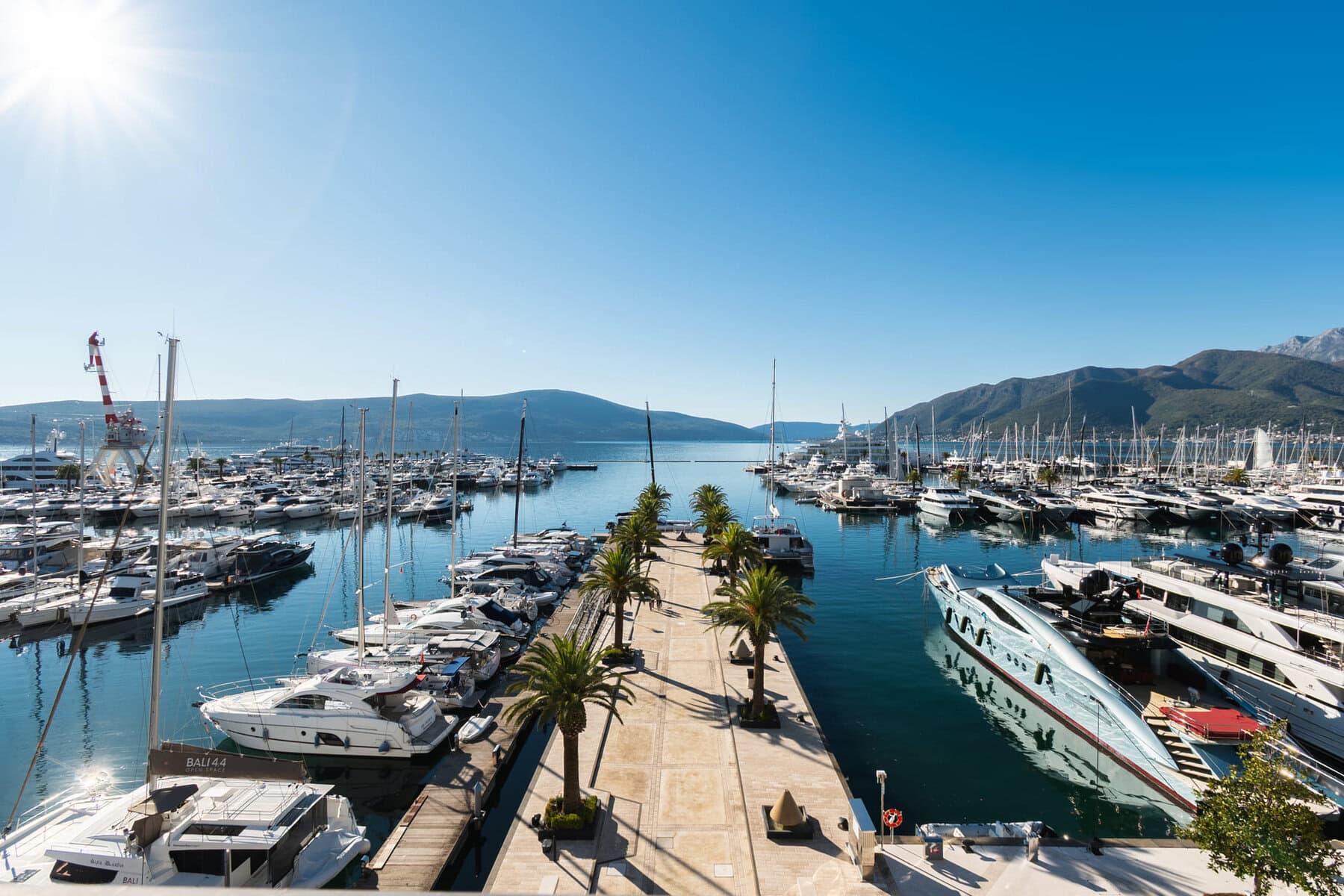
For many international buyers, Porto Montenegro is the clearest answer to the search for the best yacht access properties Montenegro offers. It combines one of the Adriatic’s best-known marina environments with a mature luxury residential setting, and that balance is difficult to replicate.

The appeal is straightforward. Owners can keep a vessel in a professionally managed marina designed for larger yachts, while also owning an apartment or penthouse within a polished, walkable waterfront district. For buyers who use their property frequently but do not want the obligations of a stand-alone villa, this model is highly efficient. You have concierge-led services, security, dining, retail, and a social scene that feels international without losing its local coastal character.

From an investment perspective, Porto Montenegro tends to attract consistent buyer attention because it is understood. Liquidity is often stronger in markets where the product is easy to explain: branded environment, known marina, established amenities, and clear rental appeal. The trade-off is that it is less secluded than a private waterfront estate. Some clients value that energy. Others prefer more distance from the marina core.

Luštica Bay – yacht lifestyle with a broader residential horizon

Luštica Bay offers a different proposition. It appeals to buyers who want marina access within a master-planned coastal setting that feels more spacious and resort-like. The marina village environment has a calmer rhythm than some better-known yachting hubs, and that can be especially attractive for families or buyers who intend to spend extended periods in residence.

Properties here often suit clients looking beyond immediate docking convenience alone. They want yacht access, but also golf, beaches, wellness, and a more expansive sense of place. This is where the phrase best yacht access properties in Montenegro becomes more nuanced. For some, the best option is not the largest marina or the highest footfall, but the location where yacht ownership integrates most naturally with the rest of daily life.

The trade-off is timing and maturity. In a developing luxury destination, buyers may gain from entering before full saturation, but they are also buying into a longer arc of place-making. For many sophisticated investors, that is precisely the attraction.

Portonovi – polished waterfront ownership with strong marina credentials

Portonovi has quickly positioned itself as one of the Adriatic’s premium marina-led residential destinations. It offers a refined, highly serviced environment that resonates with buyers who expect contemporary design, hospitality-led standards, and straightforward yacht integration.

The marina component is central, but so is the overall quality of the setting. Buyers looking here are often balancing three priorities: a home that feels prestigious, boating access that supports serious use, and a location with strong international recognition. Portonovi answers that brief well.

Compared with older waterfront towns, the experience is more curated. That can be a major advantage for buyers who value maintenance standards, security, and turnkey ownership. It can also feel more structured than a traditional village setting. Whether that is a benefit or a limitation depends on what kind of coastal life the buyer wants.

Bay of Kotor waterfront villas – privacy, character, and direct sea access

Not every yacht-oriented buyer wants a marina residence. Some are looking for a waterfront villa in the Bay of Kotor, where direct sea access, private mooring potential, and architectural character create a more intimate ownership experience.

This segment can be exceptional, but it requires careful evaluation. A stone villa on the water may deliver romance, privacy, and a highly personal sense of arrival. Yet yacht practicality varies considerably from one property to the next. Shoreline configuration, local access restrictions, mooring conditions, tender logistics, and seasonal traffic all matter. A villa may be perfect for a day boat or chase boat and less practical for a larger yacht that requires dedicated marina infrastructure.

For buyers who already berth a primary yacht in a major marina and simply want a distinguished waterfront residence for private use, these homes can be particularly compelling. They offer what marina apartments usually do not – heritage, discretion, and the feeling of owning a piece of the bay rather than a position within a resort district.

Budva Riviera – lifestyle-driven access with selective opportunities

The Budva Riviera is better known for energy, beaches, and hospitality than for purely marina-centric ownership, but selective properties here still appeal to yacht buyers. This is especially true for clients who prioritize a lively summer base with fast access to dining, nightlife, and charter-friendly movement along the coast.

The best opportunities tend to be highly specific rather than broad category leaders. In other words, this is not usually the first market for a buyer whose top priority is large-vessel infrastructure beside the home. It is more relevant for those whose yachting lifestyle is one part of a wider social and seasonal brief.

How to choose the right yacht access property

The smartest purchases usually begin with the boat, not the brochure. Berth size, beam, draft, crew needs, and maintenance expectations shape the real shortlist far more than photography does. If you plan to spend only a few weeks each year onboard, a marina residence may outperform a private villa in convenience. If privacy and personal entertaining matter more, a waterfront house with protected access may be the better fit.

It is also worth separating emotional value from operational value. A spectacular home on the water can be deeply satisfying as a lifestyle purchase, even if it is not the most efficient yachting asset. There is nothing wrong with that, provided the buyer is clear about the compromise.

For investors, rental logic enters the conversation. Marina-adjacent apartments in recognized luxury destinations may appeal to a broader tenant and resale audience than highly individual waterfront estates. Villas, however, can command stronger emotional premiums when location, frontage, and architecture align.

This is where experienced local guidance becomes especially important. In a market with multiple waterfront formats and fast-rising international interest, the apparent best option is not always the right one for a specific ownership strategy. Sotheby’s International Realty Montenegro often works with buyers at this exact intersection – balancing berth requirements, location preference, privacy, and long-term asset positioning.

A market where access and scarcity meet

Montenegro stands out because very few Mediterranean markets still offer this mix of marina infrastructure, luxury residential stock, and relative room for growth. That does not mean every waterfront property is a yachting property, or that every marina residence is equally valuable. The best yacht access homes are the ones where boating convenience, residential quality, and market credibility align without strain.

For some buyers, that will be a polished apartment in Porto Montenegro or Portonovi. For others, it will be a quieter position in Luštica Bay or a private waterfront villa in the Bay of Kotor. The right answer is rarely the most obvious one. It is the property that fits your vessel, your lifestyle, and the standard of ownership you expect after the purchase is complete.

The advantage of buying well here is simple: when the home and the harbor work together, the property becomes more than a residence. It becomes the natural starting point for everything that brought you to the coast in the first place.

Portonovi Compared to Porto Montenegro

For buyers narrowing their search to Montenegro’s top waterfront addresses, Portonovi compared to Porto Montenegro is rarely a simple matter of newer versus more established. Both deliver polished marina living, strong international appeal, and a high standard of residential product. The real distinction lies in atmosphere, surrounding landscape, buyer profile, and how each destination fits the way you actually want to spend time there.

This is where many decisions become more personal than purely financial. A residence in either location can serve as a lifestyle asset, a seasonal base, or a long-term investment. But the experience of ownership feels meaningfully different.

Portonovi compared to Porto Montenegro: the core difference

If you want the shortest possible answer, Portonovi feels more private, resort-led, and outwardly serene. Porto Montenegro feels more urban, social, and integrated into the rhythm of an established waterfront town.

Portonovi sits at the entrance to Boka Bay, with broad Adriatic views and a setting that feels more open and retreat-oriented. The architecture is elegant and cohesive, and the overall impression is one of space, order, and discretion. For buyers who want a branded, managed environment with a resort sensibility, it often resonates immediately.

Porto Montenegro, in contrast, has a stronger sense of movement. Located in Tivat, it is tied to a lively town center, an international airport nearby, and a marina village that has matured over time into a recognizable luxury address. There is more visible energy – more foot traffic, more dining density, more year-round social life, and a slightly more cosmopolitan pace.

Neither is objectively better. The right choice depends on whether you prioritize calm and retreat, or animation and connectivity.

Setting and atmosphere

Portonovi benefits from a dramatic position near the mouth of the bay. The light feels wider, the views more expansive, and the development itself more self-contained. Buyers who value privacy tend to appreciate that sense of separation. Even in peak season, the environment can feel composed rather than busy.

Porto Montenegro offers a different kind of prestige. Its appeal comes not only from the marina and residences, but from the fact that it functions as part of a broader destination. Tivat has developed into one of the country’s most accessible luxury hubs, and that creates convenience. You can step out from a residence into a fuller urban setting, with retail, cafés, restaurants, and services close at hand.

For some buyers, that convenience is essential. For others, it introduces more activity than they want around a second home.

Which setting suits which buyer?

Portonovi often appeals to buyers seeking a peaceful family base, a wellness-oriented second home, or a residence where hospitality and privacy are equally important. Porto Montenegro often attracts buyers who enjoy marina culture, social visibility, and an address with stronger day-to-day momentum.

That distinction matters more than many expect. A beautiful apartment in the wrong atmosphere can feel less valuable than a slightly less dramatic unit in a place that matches your habits exactly.

Real estate style and residential character

The residential offer at Portonovi generally feels resort-driven and architecturally unified. There is a consistency to the design language, landscaping, and common areas that gives the destination a curated finish. Residences often appeal to buyers who want turnkey quality, managed services, and a predictable ownership experience.

Porto Montenegro has greater variation. Some residences feel highly contemporary, others more classic marina-facing. The development has evolved in phases, which creates a broader range of product types, views, price points, and micro-locations. For buyers who like choice, that can be an advantage. For buyers who want one clearly defined aesthetic, Portonovi may feel more cohesive.

This difference also affects resale positioning. In Portonovi, the consistency of the destination supports a clear brand impression. In Porto Montenegro, individual buildings and positions can perform differently based on marina frontage, pedestrian flow, and proximity to amenities.

Marina appeal and yachting lifestyle

Both destinations are credible choices for buyers connected to the yachting world, but their marina identities are not identical.

Porto Montenegro has built a strong international reputation around superyacht culture. Its marina environment is central to the destination’s image, and that gives the location a particular visibility among owners, charter clients, and globally mobile buyers. If marina prestige and established nautical positioning are high on your list, Porto Montenegro has a compelling edge.

Portonovi also offers serious marina appeal, but the mood is somewhat quieter and more resort-oriented. For owners who want direct access to the water without placing the social theater of the marina at the center of everyday life, that balance can be highly attractive.

In practical terms, a yacht owner may lean toward Porto Montenegro for network, profile, and marina culture, while a buyer who simply enjoys being near the sea may prefer Portonovi’s calmer expression of waterfront luxury.

Lifestyle, dining, and seasonality

Lifestyle is often where the decision becomes clear.

Portonovi is polished and comfortable, with a strong hospitality component and an atmosphere that suits restorative time. It tends to favor buyers who imagine slow mornings, spa and wellness access, family stays, and a more insulated kind of luxury. It can be especially attractive to those who already lead fast-paced lives elsewhere and want their Montenegro residence to feel like a reset.

Porto Montenegro is more outward-facing. The destination has a stronger social pulse, especially for owners who enjoy walking to dinner, meeting guests for drinks by the marina, or spending time in a setting that feels active beyond the peak summer weeks. It is often the better fit for buyers who want their residence to be part of a visible lifestyle ecosystem rather than a retreat from it.

That said, seasonality affects both. Summer brings energy everywhere. The more relevant question is how you want the property to feel outside the busiest periods. Porto Montenegro generally holds a stronger sense of continuity because of its town integration and infrastructure. Portonovi can feel more exclusive and tranquil, which many buyers see as a strength rather than a limitation.

Investment perspective and buyer demand

From an investment standpoint, both destinations sit in the premium tier of the market, but they perform through slightly different strengths.

Porto Montenegro benefits from brand recognition, marina prestige, and a longer track record. For some investors, that maturity supports confidence. There is a clearer history of buyer demand, rental interest, and international awareness. Liquidity may also feel more understandable because the destination is already deeply established in luxury Mediterranean conversations.

Portonovi, on the other hand, can appeal to buyers looking for upside within a newer luxury ecosystem. Its resort quality, visual coherence, and prime coastal position give it strong long-term credentials. Buyers who enter at the right moment may value the combination of lifestyle quality and relative freshness in the market.

The trade-off is straightforward. Established destinations offer more historical proof. Newer luxury enclaves can offer a stronger sense of early positioning if their trajectory continues upward.

Price sensitivity and value perception

In both locations, value is highly specific to building, view, layout, and service level. Waterfront frontage, marina exposure, branded components, and private outdoor space all influence pricing in ways that can make broad comparisons misleading.

What matters more is value perception. Some buyers see Porto Montenegro’s premium as justified by recognition, infrastructure, and marina identity. Others see Portonovi as offering stronger experiential value because of its tranquility, newer feel, and resort environment.

This is why serious buyers rarely choose based on price per square foot alone. In the luxury segment, alignment with lifestyle and exit strategy tends to matter more.

Access, convenience, and practical ownership

Porto Montenegro holds a practical advantage for many international owners because of its proximity to Tivat Airport and the convenience of being embedded in a developed town environment. For buyers making frequent short stays, that ease can be meaningful.

Portonovi remains highly accessible, but the ownership experience is more destination-based. That suits clients who arrive for longer stays and want to settle into a quieter pattern once they are there.

Practical ownership also includes services, maintenance, rental management potential, and the quality of on-site support. In both destinations, buyers should look beyond the residence itself and examine how the property will be managed over time. In luxury real estate, convenience after closing matters as much as the initial impression during a viewing.

So, which one should you choose?

Choose Portonovi if you want privacy, resort refinement, architectural consistency, and a home that feels insulated from noise and pace. It is especially well suited to buyers seeking a calm second home, wellness-led lifestyle, or a family retreat with understated prestige.

Choose Porto Montenegro if you want social energy, marina visibility, urban convenience, and an address with a long-established international profile. It is often the stronger fit for owners who value walkability, yachting culture, and a more active daily setting.

For many clients, the decision becomes obvious only after seeing both through the lens of actual use. Not where you would like to be for a weekend, but where you want to arrive repeatedly, host family and friends, and hold value over time. That is usually where the right property reveals itself.

If the choice still feels close, that is not a problem. It usually means you are looking in the right tier of the market – and that the next step is not more browsing, but sharper guidance built around how you plan to live, invest, and return.

Lustica Bay Property Review for Buyers

A well-positioned apartment in Luštica Bay can feel like two acquisitions at once – a lifestyle asset on the Adriatic and an early stake in a destination still shaping its long-term identity. That is what makes a Lustica Bay property review worth doing carefully. Buyers are not simply comparing square footage or sea views. They are assessing the strength of a master-planned coastal community, the staying power of branded infrastructure, and the value of entering a market before full maturity is priced in.

For many international buyers, Luštica Bay stands out because it offers something Montenegro rarely delivered at this scale in earlier years: coherence. Rather than a scattered collection of villas and apartments, it is a planned environment with architecture, marina access, hospitality, walkability, and service layered into the purchase decision. That creates appeal, but it also changes how property should be evaluated.

Lustica Bay property review: what sets it apart

Luštica Bay is not best judged by the standards used for a standalone seafront villa or an apartment in a traditional town center. Its premium comes from controlled placemaking. Buyers are paying not only for the home itself, but for a managed setting with marina village character, organized amenities, contemporary Mediterranean design, and a more curated owner experience.

This matters because master-planned destinations tend to perform differently from fragmented local markets. Values often benefit from consistency in design standards, ongoing infrastructure investment, and stronger buyer confidence at resale. In Luštica Bay, that consistency is a meaningful part of the proposition, especially for overseas owners who place a premium on ease of ownership and reliable presentation.

The trade-off is equally clear. If your ideal property is deeply private, historically rooted, or highly individual, a structured resort community may feel more composed than personal. Some buyers want exactly that sense of order. Others prefer the unpredictability and charm of older coastal neighborhoods.

Location, access, and the lifestyle equation

The peninsula setting is one of Luštica Bay’s strongest advantages. It feels removed enough to preserve privacy and calm, yet it remains practical for airport access and wider movement along the coast. That balance matters for second-home owners who want arrival to feel effortless rather than logistical.

Lifestyle is central to the value case. The marina, beach access, restaurants, leisure facilities, and future-forward planning make it attractive for buyers who want a home that is ready to use from day one. This is particularly relevant for families and investors who do not want to spend years managing renovations, utility upgrades, or fragmented service arrangements.

Still, location works differently depending on your priorities. If you want immediate immersion in a historic urban setting, Luštica Bay offers a polished resort atmosphere rather than old-world density. If you prioritize waterfront leisure, boating access, and a clean, modern aesthetic, it compares very well.

The appeal for second-home buyers

For second-home purchasers, convenience is rarely a secondary issue. It often determines how often the property is actually used. Luštica Bay performs well here because the environment is designed around owner usability. Security, maintenance standards, and amenity access are not afterthoughts.

That said, buyers should distinguish between occasional-use convenience and year-round living preferences. A property can be excellent for seasonal enjoyment yet less ideal for someone seeking the cultural rhythm of a fully established town through every month of the year.

Property types and what you are really buying

A proper Lustica Bay property review should separate product categories. Apartments, townhouses, and villas do not carry the same buyer logic, even within the same destination.

Apartments typically appeal to buyers prioritizing lock-and-leave ownership, lower operational complexity, and rental potential. In a resort environment, these units can be especially compelling when views, proximity to the marina, and pedestrian access align. Layout efficiency and terrace usability often matter more than raw interior size.

Townhouses tend to serve buyers who want more privacy and family functionality without the full maintenance profile of a standalone villa. They often sit in an attractive middle ground between investment practicality and lifestyle richness.

Villas command attention for obvious reasons, but they should be reviewed with more discipline. Prestige alone does not guarantee stronger performance. Orientation, micro-location, privacy, access, and long-term relevance within the wider community matter more than headline size.

Pricing and value: premium, but why?

Luštica Bay sits in the upper tier of Montenegro’s residential market, and that pricing is generally tied to a combination of location quality, development standards, amenity infrastructure, and international buyer appeal. The question is less whether it is expensive, and more whether the premium is justified for your objectives.

For many buyers, it is. Compared with markets where prime waterfront resort property has already reached full maturity, Luštica Bay can still represent relative value. The entry price may feel substantial in local terms, but internationally it often compares favorably against equivalent marina or branded lifestyle destinations on the Mediterranean.

Where caution is needed is in assuming all units appreciate equally. In planned communities, the best-performing properties usually have a specific advantage: stronger views, better walkability, rare layouts, superior privacy, or positioning in phases that remain highly desirable even as new inventory appears. Buyers should be selective, not merely enthusiastic.

Rental potential and investor logic

Rental demand can support the investment case, especially for well-located apartments and turnkey homes suited to seasonal luxury travel. The destination’s appeal to short-stay and summer visitors adds a layer of income potential that many lifestyle buyers value.

However, rental upside should be treated as a variable, not a promise. Seasonality, management standards, service charges, and competition from similar units all affect returns. Investors focused purely on yield may find other strategies more efficient. Luštica Bay tends to be strongest when the buyer wants both enjoyment and income, rather than maximum yield at any cost.

Build quality, design, and long-term desirability

One of Luštica Bay’s advantages is architectural consistency. The design language is contemporary Mediterranean, generally refined, and aligned with what international luxury buyers expect from a coastal resort destination. Good materials, clean lines, and outdoor living integration support enduring appeal.

Yet quality should never be assumed uniformly just because a project has a strong name or strong branding. Buyers should still assess finishing standards, storage, parking practicality, sun exposure, and how the property will age in a marine environment. Salt air is demanding. Exterior durability and maintenance planning matter.

Desirability over time often comes down to details that are easy to miss in a first viewing. Is the terrace genuinely livable, or simply decorative? Does the unit have year-round light? Is there enough privacy when neighboring phases are completed? These questions often shape owner satisfaction more than brochure imagery.

Risks and trade-offs buyers should weigh

No serious property review is complete without addressing the limits of the proposition. Luštica Bay’s strengths are real, but so are the trade-offs.

First, buyers are entering a destination that continues to evolve. That creates upside, but it also means some areas may feel more mature than others at any given moment. Future development can enhance value, though it can also affect views, traffic flow, and the sense of immediate completion.

Second, service charges and ownership costs deserve close attention. In managed luxury environments, convenience is part of the value, but it is not cost-free. Buyers should understand what is covered, what is not, and how those expenses fit their intended usage.

Third, resale liquidity is usually strongest for the most universally appealing properties. Highly specific homes can still be excellent purchases, but they may take longer to trade when market conditions shift.

Is Luštica Bay the right fit?

The best candidates for purchase here are buyers who value ease, quality control, marina or resort lifestyle, and a setting that feels internationally legible from the start. It is especially appealing for those who want a second home that can be enjoyed immediately, with less operational friction and stronger institutional confidence than more informal segments of the coastal market.

Buyers seeking deep historic character, complete seclusion, or purely opportunistic pricing may find better alignment elsewhere. That is not a criticism of Luštica Bay. It simply reflects the fact that premium planned destinations serve a particular kind of buyer exceptionally well.

For those considering an acquisition, the smartest approach is not to ask whether Luštica Bay is good in the abstract. It is to ask whether the specific property in front of you is among the best expressions of what the destination can offer. When that answer is yes, the purchase tends to make sense on more than one level – personally, strategically, and over time.

A well-chosen home here should still look compelling after the first excitement fades, because the strongest luxury purchases are the ones that continue to justify themselves every season after closing.

Montenegro Second Home Guide for Buyers

A second home on the Adriatic can mean very different things depending on where you buy. In Montenegro, one address may offer marina access and branded residences, another may deliver quiet waterfront privacy, and a third may be better suited to rental performance than personal retreat. That is why a Montenegro second home guide should start with one question: what, exactly, do you want this property to do for you?

For many international buyers, the appeal is immediate. Montenegro offers a compact coastline, a growing luxury profile, and a market where lifestyle and long-term value can still meet at a more favorable entry point than many established Mediterranean destinations. But the right purchase depends on more than scenery. It depends on location, usage, ownership structure, timing, and the kind of service you expect after completion.

Why Montenegro works as a second-home market

Montenegro sits in a rare position. It feels established enough to support serious luxury buying, yet early enough in its growth cycle to remain compelling for buyers who prefer to enter a market before it becomes fully priced in. The country has attracted attention from yacht owners, internationally mobile families, and investors looking for a residence that serves both personal use and capital preservation.

The practical appeal matters as much as the emotional one. Buyers are drawn to its Adriatic setting, improving infrastructure, and the concentration of premium residential destinations within a relatively short driving radius. You can base yourself in a full-service marina community, a historic bay setting, or a more secluded waterfront enclave without sacrificing access to restaurants, beach clubs, or seasonal international traffic.

That said, Montenegro is not one single market. A buyer seeking a lock-and-leave apartment with concierge services is solving for something different than a family looking for a stand-alone villa with privacy, mooring access, and summer entertaining space. The strongest purchases begin with that distinction.

Montenegro second home guide: choose the right location first

In luxury property, location is never just geography. It determines your daily experience, your liquidity on resale, and often your rental audience.

Porto Montenegro is often the natural starting point for buyers who want an internationally recognizable marina environment, polished amenities, and a property that feels effortless to own. It suits buyers who value walkability, service, and the convenience of arriving for a long weekend without planning around maintenance. For some, that ease is worth the premium attached to prime marina residences.

Luštica Bay appeals to buyers who want a more master-planned coastal experience with a resort character. It can be especially attractive for families and those who want a second home that blends leisure, modern infrastructure, and a more contained community atmosphere. Depending on the exact phase and product type, it may also offer a different price-value equation than older, fully mature enclaves.

Portonovi tends to attract buyers who prioritize a refined resort setting and a high level of service with waterfront access. The product is polished, internationally minded, and well suited to purchasers who want a residence aligned with a premium hospitality environment.

The Bay of Kotor offers a different kind of prestige. Here, the draw is atmosphere – historic stone architecture, dramatic mountain-meets-sea views, and a sense of place that is harder to replicate in newer developments. The trade-off is that inventory can vary widely in condition, access, and modernization. A beautiful waterfront house may carry more complexity than a newer branded residence, but for the right buyer, the character is the point.

Budva Riviera is often part of the conversation for buyers who want energy, beach access, and a broader lifestyle mix. It can make sense for those who intend to use the home actively during the summer and who are comfortable with a more dynamic seasonal setting.

What to buy: apartment, villa, or branded residence?

Property type should follow usage. If your second home will be used for shorter stays, an apartment in a managed development often makes the most sense. It is easier to maintain, easier to secure when vacant, and generally easier to place into a rental program if that matters to you.

A villa offers a different reward profile. You gain space, privacy, and a stronger sense of personal retreat. You may also gain complexity. Staffing, landscaping, pool maintenance, security, and access logistics all become more relevant. For buyers who visit frequently and want a home that feels distinctly theirs, this can be the right trade. For others, it becomes an operational burden.

Branded residences occupy a valuable middle ground. They appeal to buyers who want service standards, design consistency, and stronger confidence around management. In a second-home context, that convenience can be a meaningful part of the asset’s value, not just a lifestyle detail.

The buying process: where luxury buyers need clarity

A cross-border purchase should feel organized from the start. The most efficient transactions begin with a tailored shortlist, followed by focused viewings and early legal orientation before a buyer becomes emotionally committed to the wrong property.

At this stage, buyers should evaluate more than finishes and views. Title position, development status, homeowners’ association rules, parking, marina access, property management terms, and rental restrictions can all influence whether a property actually fits your goals. This is particularly important in mixed-use and resort environments where ownership benefits and obligations vary by project.

Foreign buyers also need clarity on ownership structure and transaction steps. The legal framework, due diligence process, and closing mechanics should be reviewed early with qualified local professionals. In premium transactions, speed is helpful, but certainty is better. A well-advised buyer is rarely the one who rushes.

For this reason, many international purchasers prefer to work with an advisor who can coordinate the search, explain regional distinctions, and keep the process coherent from first inquiry through closing. That is especially valuable when comparing very different micro-markets in a short period of time.

Costs, taxes, and the real budget behind a second home

The purchase price is only one part of the decision. A realistic Montenegro second home guide should account for acquisition costs, annual ownership expenses, and the cost of convenience.

New-build and resale properties can carry different tax treatment. Ongoing expenses may include community fees, property management, insurance, maintenance, utilities, and, for villas, additional service support. In luxury developments, higher annual fees may initially seem like a negative, but they often fund the very features that preserve ease of ownership and support value – security, concierge services, upkeep of shared spaces, and amenity standards.

This is where buyers should resist false economy. A cheaper property that is harder to maintain, harder to rent, or harder to resell is not necessarily the better buy. The right benchmark is total ownership experience over time.

Lifestyle value versus investment value

Many buyers want both, but one usually leads. If lifestyle is your priority, focus on the property you will genuinely use. The best second homes are the ones owners return to often, not the ones that look best in a spreadsheet.

If investment discipline is equally important, ask harder questions. Which locations have the deepest buyer demand at the luxury end? Which assets are most likely to remain desirable in resale? Is rental potential seasonal or more resilient? Are you buying into a globally legible destination, or a niche product with a narrower future audience?

Marina-front apartments, branded residences, and well-positioned waterfront homes often hold attention because they are easy to understand and difficult to replicate. Very idiosyncratic homes can be exceptional lifestyle purchases, but they may have a smaller resale pool. Neither route is wrong. It depends on whether personal enjoyment or market fluidity matters more to you.

Timing your purchase

Some buyers prefer to shop during peak season when the destination is fully alive and they can experience each area at its most active. Others prefer the quieter months, when comparison is easier and decision-making tends to be more disciplined. Both approaches work.

What matters more is understanding what you are seeing. A summer viewing may flatter a location’s energy while masking traffic, noise, or service strain. An off-season visit may understate the social appeal of a marina or beach community. Ideally, buyers assess both the property itself and the rhythm of the location across the periods they expect to use it.

A final perspective for second-home buyers

The best second-home decisions are rarely about buying the most property for the money. They are about buying the right property for the life you actually intend to live. In Montenegro, that might be a marina residence you can lock and leave without a second thought, a waterfront villa for long family summers, or a refined apartment in a destination with enduring international appeal. The opportunity is real, but the smartest purchases come from precision, not urgency.

How to Buy Waterfront Home Montenegro

A waterfront purchase in Montenegro can look deceptively simple from the terrace. The view is clear, the marina is minutes away, and the lifestyle sells itself. What deserves closer attention is how to buy waterfront home Montenegro in a way that protects both enjoyment and long-term value.

For international buyers, the appeal is easy to understand. Montenegro offers a rare mix of Adriatic coastline, full-service marina communities, historic bay settings, and a luxury market that still feels earlier in its growth cycle than many established Mediterranean destinations. The opportunity is strong, but waterfront real estate is not one uniform category. A stone villa on the Bay of Kotor, a branded residence in a resort setting, and a contemporary apartment near a yacht marina may all be called waterfront, yet they perform very differently as assets and as homes.

How to buy waterfront home Montenegro with the right brief

The first decision is not legal or financial. It is strategic. Buyers often begin by asking what is available, when the better question is what role the property should play in their life and portfolio.

If the home is primarily for private seasonal use, privacy, orientation, access to the water, and ease of maintenance usually matter more than maximum rental yield. If the property is intended as a hybrid lifestyle and investment purchase, the conversation changes. Managed residences, newer developments, and marina-adjacent apartments may offer stronger rental appeal and simpler operational oversight than a traditional standalone waterfront house.

This is also where location choice becomes more refined. Porto Montenegro tends to attract buyers who value yachting infrastructure, polished services, and international familiarity. Luštica Bay appeals to those seeking a master-planned coastal environment with a more resort-led rhythm. Portonovi brings branded luxury and a high-service waterfront experience. The Bay of Kotor offers heritage, drama, and rarity, particularly for buyers drawn to older stone properties and protected settings. Budva Riviera often enters the conversation for clients prioritizing beach access, stronger summer energy, and broader rental demand.

A well-defined brief saves time, but it also prevents expensive mismatches. A buyer seeking peaceful year-round living may be underwhelmed by a high-traffic summer destination. Another looking for rental performance may overpay for charm in a micro-location with limited access and operational complexity.

Choosing the right kind of waterfront property

Not all waterfront homes deliver the same ownership experience. In Montenegro, the distinction between first-line, sea-view, marina-front, and waterfront with direct access is especially important.

First-line property generally carries the greatest prestige, but prestige alone is not enough. Some homes sit on the water with extraordinary views yet have difficult vehicle access, limited parking, or restrictive renovation parameters. Others are in newer luxury developments where ownership is easier, amenities are stronger, and future liquidity may be broader, even if the experience feels more curated than private.

Older waterfront villas can be exceptional acquisitions, particularly in architecturally significant areas. They may also require more due diligence around title history, boundaries, permissions, structural condition, and modernization costs. New-build and branded residences usually offer greater clarity on specifications, services, and management, though at a different pricing structure and often with homeowners’ fees that should be evaluated carefully.

The best purchase is not always the most dramatic one. It is the one where setting, legal clarity, quality, and intended use are aligned.

The buying process for waterfront property

For foreign buyers, the process should feel orderly when handled correctly. That begins with a curated search rather than broad browsing. A serious acquisition process typically starts with shortlist development, location comparison, and targeted viewings built around your criteria, not around inventory volume.

Once a property is selected, the next phase is reservation and negotiation. At this stage, price is only one part of the discussion. Closing timeline, included furnishings, payment structure, and any conditions tied to due diligence can materially affect value. On premium waterfront assets, negotiation often turns on nuance rather than headline discounts.

Legal review follows. This is where experienced local counsel becomes essential. Buyers should expect a full examination of title, ownership rights, encumbrances, planning status, building permits where relevant, and any property-specific issues that could affect future use or resale. If the home is within a managed development, the legal review should also extend to community rules, service obligations, and ongoing charges.

After the legal phase, the transaction proceeds through formal contract documentation, payment execution, and registration. The exact structure can vary depending on whether the property is a resale, off-plan unit, completed new development, or company-held asset. What matters most is that the process is clearly sequenced and professionally coordinated.

Costs to plan for beyond the asking price

A luxury buyer should view acquisition cost as broader than purchase price alone. Transaction planning should include taxes, legal fees, notary or administrative costs where applicable, and any advisory or technical checks needed before closing.

Waterfront ownership also carries recurring expenses that differ by property type. A villa may involve private maintenance, landscaping, security, façade upkeep, and dock-related considerations if applicable. A resort or branded residence may substitute those variables with structured service charges and management fees. Neither model is inherently better. It depends on whether you prefer private control or operational simplicity.

Insurance deserves particular attention for waterfront homes. Exposure, building age, and construction profile can influence both availability and cost. Buyers should also assess practical ownership matters such as winterization, humidity management, and year-round property oversight if the home will not be occupied full time.

Due diligence that matters more on the coast

Waterfront assets reward discipline. A beautiful setting can distract from issues that become obvious only after purchase.

Access is one of the first. Some of the most charming homes in historic coastal areas offer limited car access or rely on shared approaches. That may be acceptable for a buyer prioritizing authenticity, but it should be a conscious choice. Privacy is another. A house near the sea may appear secluded in shoulder season and feel very different in peak summer.

Condition is equally important. Salt air, moisture, and exposure can accelerate wear, especially on older properties. Technical inspections should look beyond aesthetics to roofing, stonework, waterproofing, windows, terraces, and infrastructure. If the property has been renovated, buyers should verify the standard and legality of the work rather than assuming the finish tells the full story.

Planning constraints also deserve close review. In protected or heritage-sensitive areas, renovation, expansion, and exterior alterations may be more limited than international buyers expect. For some purchasers, that restriction protects value and preserves setting. For others, it conflicts with future plans for customization.

Market judgment: lifestyle purchase or investment asset?

The strongest waterfront purchases usually satisfy both emotional and financial logic, but not every property will excel equally at both.

If your priority is legacy ownership, scarcity tends to matter most. Distinctive first-line homes in exceptional positions, particularly in tightly held coastal pockets, can command enduring interest because there is little true replacement stock. If your focus is income or easier resale, a newer apartment or serviced residence in an internationally recognized marina or resort destination may offer a more predictable buyer pool.

This is where local market reading becomes valuable. Pricing on the coast is shaped not only by square footage and frontage, but by orientation, walkability, berth access, development reputation, services, and the quality of surrounding stock. Two waterfront properties can appear similar in photographs and behave very differently in the market over time.

For buyers entering Montenegro for the first time, this is often the moment when advisory support creates the most value. A credible brokerage should not simply present options. It should help you eliminate the attractive but unsuitable ones.

How to buy waterfront home Montenegro without rushing the decision

Prime coastal property can create urgency, especially when inventory is limited in the best locations. That urgency is real, but it should not replace judgment. A disciplined buyer moves efficiently, not impulsively.

The most successful acquisitions are usually made by clients who compare locations carefully, understand the trade-offs between charm and convenience, and assess the property as both a residence and an asset. They ask simple but decisive questions: How will this home live in January, not just in August? How easy will it be to maintain from abroad? Does the premium reflect true rarity, or only marketing language?

In the luxury segment, confidence comes from preparation. When the brief is clear, the legal process is properly guided, and the property genuinely fits the buyer’s objectives, the purchase tends to feel less like a leap and more like a well-timed move.

The Adriatic has no shortage of beautiful views. The more valuable skill is knowing which one is worth owning.

Top Branded Residences Montenegro Buyers Rate

A private marina berth, hotel-grade services, and a residence maintained to international standards – these are the expectations shaping demand for top branded residences Montenegro buyers now seek. For affluent purchasers, the appeal is not only the address. It is the combination of lifestyle ease, brand credibility, and a level of management that can protect both enjoyment and long-term asset value.

Branded residences occupy a specific place in Montenegro’s luxury market. They are not simply high-end apartments with a famous name attached. At their best, they offer a fully considered ecosystem: architecture, service, amenities, rental support, security, and a location with enduring appeal. In a market that still has room for growth, that distinction matters.

What defines the top branded residences in Montenegro?

The strongest branded residential offerings tend to share a few qualities. First, the brand must mean something beyond marketing. Buyers at this level are looking for operational standards, design consistency, and service delivery that match the name behind the development.

Second, the setting must justify the premium. In Montenegro, that usually means direct waterfront access, marina positioning, a well-planned resort environment, or a rare vantage point over the Adriatic or Bay of Kotor. A branded residence can carry prestige, but location still drives liquidity and desirability.

Third, the development needs to function well over time. Some projects impress at launch and become less compelling once owners begin using them. The top-tier options are the ones where concierge services, maintenance, privacy, wellness facilities, and owner support remain reliable after completion.

For international buyers, another factor is ease. Cross-border ownership becomes more attractive when there is a professional structure around lettings, management, staffing, and day-to-day administration. That convenience is one reason branded residences have gained such traction among globally mobile families and investors.

Top branded residences Montenegro buyers usually compare

In practice, most serious buyers narrow their attention to a handful of prime coastal destinations. Each has a distinct personality, and the right fit depends on whether the priority is marina life, resort privacy, family use, or investment performance.

Porto Montenegro

Porto Montenegro remains one of the market’s most established branded and serviced residential environments. Its appeal is immediate: a world-class superyacht marina, polished waterfront promenades, luxury retail, dining, and a residential offering designed around convenience and international standards.

For buyers who want an address with global recognition and an active social atmosphere, Porto Montenegro often sits near the top of the shortlist. The residences here tend to attract owners who value walkability, yacht access, and the ability to arrive for short stays without operational friction.

The trade-off is that this is a visible, well-known destination. Some buyers appreciate that energy and prestige. Others prefer a more secluded setting. From an investment perspective, however, established demand and strong rental interest can make the proposition especially compelling.

Luštica Bay

Luštica Bay offers a different version of branded luxury. It is more resort-led, more expansive, and in many ways more lifestyle-curated. Buyers are often drawn to its master-planned character, golf component, marina village atmosphere, and a setting that feels more private than a traditional town-based waterfront location.

This appeals strongly to families and second-home buyers who want a residential environment rather than a purely seasonal destination. The architecture and planning here are designed to create a coherent long-term community, which is an advantage for purchasers thinking beyond immediate occupancy.

The key question is use case. If your priority is quiet, structured resort living with room to evolve over time, Luštica Bay is highly persuasive. If you want the livelier rhythm of a marina district with more concentrated retail and nightlife, another destination may fit better.

Portonovi

Portonovi has established itself as one of the Adriatic’s most polished luxury resort addresses, with branded residences that appeal to buyers who expect five-star infrastructure from day one. The waterfront setting at the entrance to Boka Bay, the marina, the wellness orientation, and the overall quality of execution have made it a serious contender for buyers comparing elite regional options.

There is a particular sense of completeness here. For many purchasers, that matters. They are not buying into a concept that may mature later. They are buying into a functioning destination with a clear standard of service, presentation, and owner experience.

Portonovi often resonates with buyers who value privacy and resort comfort but still want access to a wider coastal circuit. It also performs well with clients who are already familiar with branded hospitality and expect the residential side to reflect the same discipline.

Why branded residences command a premium

The premium attached to branded residences is rarely about finishes alone. It reflects trust. In luxury real estate, trust has monetary value because it reduces uncertainty around management quality, maintenance standards, rental positioning, and future buyer perception.

This is especially relevant in an emerging market where quality can vary significantly between projects. A credible branded scheme helps international buyers assess risk with more confidence. It creates a benchmark they can measure against.

There is also the matter of resale. A residence within a recognized ecosystem is often easier to explain to future buyers than a standalone luxury apartment, however beautiful it may be. That does not mean every branded property will outperform a non-branded one. A poorly positioned branded asset can still underwhelm, while an exceptional independent waterfront villa may prove more desirable. But within the apartment and resort-residence category, branding often strengthens marketability.

How to evaluate top branded residences Montenegro offers

Buyers are best served by looking past the headline brand and asking practical questions. Who manages the property day to day? What are the annual ownership costs? Is there a rental program, and if so, how is it structured? Are owners satisfied after purchase, not just during the sales process?

It is equally important to assess the micro-location within the development. Two residences in the same branded project can perform quite differently depending on view corridor, privacy, floor level, building position, and proximity to amenities. In the luxury segment, nuance drives value.

Seasonality should also be considered carefully. Montenegro’s coast has a strong summer profile, but premium destinations with year-round services, marina activity, wellness infrastructure, and owner support generally offer a more resilient ownership experience. Buyers planning frequent use outside peak season should pay close attention to this point.

For investors, rental demand is part of the equation, but not the whole story. The better question is whether the property will remain desirable five to ten years from now. Lasting value usually comes from a combination of scarce location, disciplined management, and a buyer profile that remains deep enough to support resale liquidity.

Branded residences versus standalone luxury property

This is not a simple hierarchy where one format is always better. It depends on the buyer.

A standalone villa may offer more privacy, more land, and a stronger sense of individuality. For some clients, that is the essence of luxury. But private ownership of a villa also tends to involve more operational responsibility, from staffing and maintenance to security and seasonal oversight.

A branded residence is often the more practical choice for buyers who want lock-and-leave convenience without compromising on quality. It suits those who travel frequently, divide time across several homes, or prefer a professionally run environment. Families relocating for longer periods may weigh these advantages differently depending on schooling, space requirements, and lifestyle preferences.

In our experience, the decision often comes down to how an owner intends to live. Buyers focused on effortless enjoyment and structured service often gravitate toward branded residences. Buyers focused on privacy and custom living may accept the greater complexity of an independent property.

Who should consider branded residences now?

The current market especially suits buyers who want Mediterranean lifestyle exposure without entering an overcrowded prime market at a fully mature pricing level. Montenegro still offers that rare combination of beauty, marina culture, and relative value when compared with longer-established luxury coastal destinations.

Branded residences are particularly well suited to first-time buyers in the country, international owners who will not be resident year-round, and investors who place a premium on recognizable product. They can also work very well for buyers who want a second home with hospitality support rather than a private home that requires independent administration.

That said, selectivity matters. Not every branded residence deserves attention simply because it carries a polished identity. The best opportunities are usually found where brand, location, design, and long-term operational quality are aligned.

For buyers considering the top branded residences Montenegro has to offer, the smartest next step is rarely to chase the broadest name. It is to identify the residence that fits your way of living, your time horizon, and your standards once the novelty of the purchase has passed.

Montenegro Coastal Apartments Worth Buying

The right apartment on the Adriatic does more than provide a beautiful view. It shapes how you spend your summers, where you berth your yacht, how easily you travel, and whether your purchase feels simply enjoyable today or genuinely strategic five years from now. That is why Montenegro coastal apartments continue to attract buyers who are not just chasing scenery, but evaluating lifestyle, timing, and long-term value in one decision.

For many international purchasers, the appeal is unusually well balanced. Montenegro offers a compact coastline with a concentrated collection of high-end destinations, from established marina communities to quieter waterfront enclaves with more privacy and lower density. The result is a market where a buyer can compare very different forms of luxury within a relatively short geographic stretch.

Why Montenegro coastal apartments stand out

Coastal apartment markets across the Mediterranean often divide into two camps. Some offer prestige but little upside, with pricing already fully matured. Others promise growth but lack the infrastructure, service standards, or product quality that affluent buyers expect. Montenegro sits in a more interesting middle ground.

Its best coastal addresses combine natural beauty with rising international recognition, improving infrastructure, and a luxury residential pipeline that has become more sophisticated in recent years. Buyers are increasingly looking at branded residences, marina-serviced apartments, and well-managed waterfront developments rather than standalone holiday homes that demand constant oversight.

That distinction matters. A well-positioned apartment in a professionally managed setting can be easier to maintain, easier to lock and leave, and more predictable from both a lifestyle and investment standpoint. For globally mobile owners, convenience is not a secondary benefit. It is often part of the core value.

The locations that shape the market

Not all coastal addresses serve the same buyer profile. The strongest opportunities depend on whether the priority is marina access, historic charm, rental performance, privacy, or year-round usability.

Porto Montenegro

Porto Montenegro remains one of the most recognizable luxury addresses in the country. For buyers who want an internationally legible product, strong amenities, polished service, and a marina-centered lifestyle, it is often a natural starting point. Apartments here tend to appeal to owners who value convenience, walkability, branded surroundings, and a community that feels active beyond peak summer.

Pricing typically reflects that positioning. Buyers may pay a premium for location, management quality, and global brand recognition, but that premium can be justified for those who prioritize liquidity and ease of ownership.

Luštica Bay

Luštica Bay speaks to a slightly different sensibility. It offers planned resort living with a more expansive coastal setting, modern architecture, and a strong emphasis on integrated amenities. For buyers who want a refined second home with lifestyle infrastructure built into the destination, this area has become increasingly compelling.

It can be especially attractive to families and buyers who want a calmer atmosphere without sacrificing quality. The trade-off is that some purchasers still prefer the immediate prestige and established market profile of more mature marina addresses.

Portonovi

Portonovi has brought another layer to the upper end of the market, combining waterfront residences with resort hospitality and a distinctly polished finish. It appeals to buyers who want a turnkey apartment in a setting that feels private, secure, and service-led. Wellness, marina access, and branded hospitality have helped shape its identity.

For some investors, that level of integrated luxury supports strong long-term positioning. For others, the key question is whether the product aligns with how they actually plan to use the property, rather than simply how impressive it appears during a first visit.

Bay of Kotor

The Bay of Kotor offers a different kind of value. Here, buyers are often drawn by dramatic scenery, heritage architecture, and a more layered sense of place. Apartments in and around the bay can range from newly built waterfront residences to carefully positioned homes near historic towns.

This area tends to attract purchasers who care as much about atmosphere as amenities. The trade-off is that stock can be more varied, and buyers need to distinguish carefully between true prime waterfront product and properties that borrow prestige from the wider region without matching its best locations.

Budva Riviera

The Budva Riviera remains relevant for buyers focused on energy, beach access, and seasonal rental demand. Certain apartment assets here can perform well as lifestyle investments, particularly where sea views, modern design, and access to established hospitality infrastructure come together.

It is not the right fit for every buyer. Some prefer the quieter tone of the bay or the curated environment of a marina development. But for purchasers comfortable with a more vibrant setting, the Riviera can still present attractive options.

What to evaluate beyond the view

A sea-facing terrace is the easiest feature to fall in love with and one of the least useful metrics on its own. In the luxury segment, the real differences tend to sit beneath the surface.

Build quality deserves close attention, especially in coastal conditions where salt air, humidity, and seasonal use can expose weaknesses quickly. The quality of façade materials, glazing, mechanical systems, and ongoing maintenance can influence not only comfort but future resale strength.

Management is equally important. Buyers of Montenegro coastal apartments often expect lock-and-leave simplicity, discreet service, and reliable property oversight. That expectation is realistic in the right development and misplaced in the wrong one. A beautiful apartment in a poorly managed building can become burdensome faster than many first-time international buyers anticipate.

Layout also matters more than headline square footage. In prime coastal properties, buyers consistently value outdoor living, natural light, privacy from neighboring units, and orientation that supports both views and comfortable daily use. A technically larger apartment can feel less premium than a smaller residence with a superior floor plan and a better relationship to the water.

The investment case, realistically considered

Montenegro is often discussed as a growth market, and there is substance behind that view. International demand has expanded, luxury development has become more credible, and the country has gained visibility among buyers seeking alternatives to more saturated Mediterranean destinations.

Still, strong investment decisions require selectivity. Not every coastal apartment benefits equally from this momentum. Prime developments with international appeal, consistent management standards, and limited direct competition generally hold their position better than generic inventory built to chase tourism demand.

Rental potential can be attractive, particularly in serviced or resort-linked environments, but it should be assessed carefully. Yields vary by location, building quality, seasonality, and operational structure. Buyers who want income should think beyond peak summer occupancy and ask how the property performs across shoulder seasons, what management costs apply, and whether the building genuinely stands out in its local market.

Capital appreciation is also nuanced. The best-performing apartments are often those that sit at the intersection of scarcity and usability: rare waterfront positioning, strong amenities, trusted management, and broad appeal to future international buyers. A lower entry price alone does not create a better investment.

Buying with clarity in a cross-border market

For international buyers, confidence usually comes from process as much as product. The most successful purchases begin with a clear brief: how often the apartment will be used, whether berthing matters, how much service is expected, what level of privacy is required, and whether the property is primarily a lifestyle acquisition or part of a wider portfolio strategy.

That clarity helps narrow the search quickly. It also prevents a common mistake in this market, which is comparing apartments that may share a coastline but serve entirely different ownership goals.

Professional guidance matters most when it brings honesty to those comparisons. A client considering a marina residence, a resort apartment, and a historic-bay waterfront home is not choosing between versions of the same asset. They are choosing between lifestyles, management models, and resale audiences. At the upper end of the market, that distinction deserves careful handling.

This is where a curated approach adds value. Firms such as Sotheby’s International Realty Montenegro tend to work best for buyers who do not want to sift through broad inventory without context, but instead want a shortlist aligned with budget, use case, and long-term objectives.

Who Montenegro coastal apartments suit best

These properties are especially well suited to buyers who want a Mediterranean base without the scale, pricing, or saturation of more mature markets. They also appeal to investors who see value in entering quality locations while the market still has room to evolve.

The right buyer is usually not looking for volume. They are looking for selectivity. They want a residence they can use with ease, hold with confidence, and feel proud to own. Whether that means a serviced marina apartment, a design-led residence in a planned community, or a quieter waterfront home in the bay depends on personal priorities more than any market headline.

The most rewarding purchase is rarely the one that looks best in photographs. It is the one that fits the way you intend to live, travel, host, and invest – and still feels like the right decision after the first season has passed.

Luxury Apartment Buying Guide Montenegro

A sea-view apartment in Montenegro can look effortless at first glance – a marina below, a private terrace above, and a polished sales presentation in between. Yet the difference between a beautiful purchase and a well-judged one often comes down to details that are less visible on the first viewing. This luxury apartment buying guide Montenegro is designed for buyers who want both lifestyle appeal and disciplined decision-making.

For many international purchasers, Montenegro sits in a rare position. It offers Adriatic waterfront living, a growing luxury profile, and a market that still feels earlier in its maturity than more saturated Mediterranean destinations. That creates opportunity, but it also means buyers should evaluate each apartment with care. Not every prime address serves the same purpose, and not every impressive residence delivers the same long-term value.

How to use this luxury apartment buying guide Montenegro

Start with the question behind the purchase. A residence intended for private summer use, a marina-centered second home, and an investment-driven acquisition may all point to different properties. Buyers sometimes begin with aesthetics – frontage, finishes, brand association – but the stronger approach is to define the asset’s role first and then assess location, building quality, legal clarity, and resale profile through that lens.

This is especially relevant in Montenegro’s luxury coastal market, where inventory ranges from branded residences and resort apartments to quieter waterfront buildings and hillside developments with panoramic views. Two apartments at a similar price point can perform very differently depending on access, management quality, rental appeal, and future supply in the surrounding area.

Choose the right location before the right apartment

In luxury real estate, location is never a generic checkbox. It shapes the rhythm of ownership, the depth of demand, and the resilience of value over time.

Porto Montenegro

Porto Montenegro tends to attract buyers who want a polished marina lifestyle, strong services, and an international residential environment. Apartments here often appeal to yacht owners, seasonal residents, and buyers who place a premium on walkability, retail, dining, and professionally managed surroundings. The trade-off is that you are paying for a highly established luxury ecosystem, so value assessment should focus on building position, view protection, and the exact character of the residence rather than the address alone.

Luštica Bay

Luštica Bay appeals to buyers who prefer a more master-planned, lower-density setting with a resort feel. It can be especially attractive for families and those looking for a quieter second-home experience with modern infrastructure. Here, the right question is not only what the apartment offers today, but how the wider destination is evolving and how future phases may affect convenience, atmosphere, and price progression.

Portonovi

Portonovi stands out for branded luxury, waterfront positioning, and a highly curated environment. For some buyers, that provides comfort, prestige, and stronger rental interest at the top end of the market. For others, it may feel more hospitality-led than residential. Neither is inherently better – it depends on whether you want a private retreat, a lock-and-leave asset, or a residence with year-round service intensity.

Bay of Kotor and Budva Riviera

The Bay of Kotor often attracts buyers drawn to heritage, dramatic scenery, and a more atmospheric coastal setting. Budva Riviera, by contrast, can offer stronger energy, beach access, and broader seasonal demand. Apartments in these areas require more property-specific due diligence because quality and positioning can vary significantly from one micro-location to the next.

What defines a truly prime luxury apartment

A premium price should be supported by more than design finishes. In Montenegro’s upper market, genuine quality usually rests on a combination of position, privacy, management, and longevity.

The first factor is orientation and view security. A broad water view is valuable, but so is understanding whether that view is protected or vulnerable to nearby development. An apartment on a lower floor may be beautifully designed and still face future exposure if surrounding plots are built out.

The second is building standards. Buyers should look beyond attractive common areas and ask practical questions about construction quality, sound insulation, maintenance systems, parking, security, and property management. In lifestyle-led developments, service standards can directly influence enjoyment, rental performance, and eventual resale strength.

The third is layout efficiency. Luxury buyers tend to focus on terraces, ceiling height, and finish materials, which matters, but circulation, storage, guest privacy, and natural light are just as important. A larger apartment is not always the better asset if the layout is compromised or the exterior space lacks usable proportion.

Financial thinking at the top end of the market

Luxury purchases are often emotional, but experienced buyers know that discipline matters most when a property is easy to fall in love with.

Price per square foot is useful only in context. A residence with better frontage, stronger rental desirability, superior management, and a more protected outlook may justify a meaningful premium over another apartment in the same district. At the same time, buyers should be cautious about paying purely for novelty or branding if the underlying fundamentals are less convincing.

Operating costs deserve attention early. Service charges, maintenance obligations, parking fees, and management structures can vary substantially between developments. In some cases, a fully serviced residence offers excellent convenience and rental readiness. In others, higher recurring costs may reduce efficiency if the property is intended primarily as a long-term hold.

Rental potential should also be assessed honestly. Some apartments perform well as seasonal luxury rentals, particularly those in marina or resort settings with strong guest infrastructure. Others are better suited to private use and occasional leasing. A realistic rental outlook depends on unit type, building rules, seasonality, and the depth of comparable inventory nearby.

Due diligence that protects both lifestyle and capital

A careful purchase process should feel reassuring, not cumbersome. Still, buyers should never mistake an elegant presentation for completed diligence.

Legal review is essential. Ownership status, title clarity, building permissions, usage rights, and any development-specific obligations should be checked thoroughly by qualified local counsel. This is particularly important for international buyers who may be unfamiliar with transaction processes, ownership structures, or documentation norms.

Equally important is understanding what exactly is included in the purchase. In some luxury apartments, parking, storage, furnishings, marina privileges, or access to amenities may be structured differently than expected. Clarifying those details early prevents friction later and helps compare opportunities accurately.

If the apartment is within a resort or branded scheme, buyers should examine management terms, rental program structures if relevant, and any restrictions on occupancy or leasing. Prestige can add value, but it may also come with operational frameworks that should align with your intended use.

Viewing with an investor’s eye

A private viewing should answer more than whether the apartment feels attractive. It should reveal how the asset will live, perform, and age.

Pay attention to arrival experience, not just the residence itself. The approach road, parking, entrance sequence, and common areas shape daily ownership and guest perception. In luxury real estate, weak arrival can quietly undermine a strong interior.

Observe the development in real time. A building may photograph well while revealing noise exposure, limited privacy, or inconsistent upkeep in person. If possible, view at different times of day. Morning light, afternoon sun, traffic flow, and marina activity can materially change the experience.

Ask direct questions about neighboring plots and future construction. In a market still evolving, nearby development can improve an area – or alter the character that made the apartment appealing in the first place.

Why representation matters in a cross-border purchase

International buyers rarely need more information. They need filtered, reliable guidance. That is where strong representation makes a meaningful difference.

A well-advised search should narrow the market quickly, eliminate mismatched inventory, and frame each opportunity against your priorities. It should also surface nuances that online listings cannot capture, such as the difference between a landmark address and a genuinely superior apartment within that address.

For many high-net-worth buyers, time is the scarcest asset in the transaction. Working with an experienced luxury brokerage such as Sotheby’s International Realty Montenegro can make the process more precise, especially when shortlist curation, local market interpretation, and purchase coordination matter as much as access to inventory.

The most successful purchases in Montenegro are rarely the fastest or the most impulsive. They are the ones where the property, location, and ownership structure align cleanly with the buyer’s wider goals. If you approach the search with clarity, patience, and informed guidance, the right apartment will feel compelling for the right reasons – not only on viewing day, but for years afterward.

Montenegro Residency Through Real Estate

A waterfront apartment in Porto Montenegro or a stone villa above the Bay of Kotor can satisfy more than a lifestyle ambition. For many international buyers, Montenegro residency through real estate is part of a broader plan – greater mobility, a Mediterranean base, portfolio diversification, and a foothold in a market that still feels early compared with more saturated coastal destinations.

That said, this is one of those subjects where precision matters. Buyers often assume that purchasing property automatically grants residence rights. In practice, the relationship between owning real estate and obtaining residence in Montenegro is more nuanced. Property can play a meaningful role in a residency strategy, but it should be approached with clear legal guidance, realistic expectations, and a strong understanding of what ownership does and does not provide.

How Montenegro residency through real estate works

Foreign nationals can buy property in Montenegro in many cases, including apartments, houses, and certain categories of land, subject to applicable rules and due diligence. Property ownership may then support an application for temporary residence, but it is not the same as a direct citizenship-by-investment route, nor is it a guarantee of permanent status simply because a purchase has been completed.

This distinction is where many buyers need the most clarity. The property is typically the foundation of the residence application, not the end of the process. Authorities still review the application itself, and the applicant must satisfy documentary and procedural requirements. Those requirements can evolve, which is why current legal advice is essential before a purchase is structured around residency goals.

For affluent buyers, the practical question is rarely just, Can I buy? It is, Will this purchase support the life I want to build here over the next five to ten years? That includes tax planning, family use, travel patterns, operating costs, exit strategy, and whether the asset itself stands on its own merits even if residency rules change.

What property ownership may offer

When buyers explore Montenegro residency through real estate, they are usually looking for a combination of flexibility and security. A qualifying property can help demonstrate a legitimate residential connection to the country. For clients who want a seasonal base with the option to spend extended time in the region, that can be attractive.

It also aligns with a different kind of investment thesis than buyers often see elsewhere in Europe. Montenegro remains relatively compact, and prime supply in the most desirable coastal enclaves is inherently limited. In locations such as Luštica Bay, Portonovi, and select parts of the Budva Riviera and Bay of Kotor, buyers are not simply purchasing square footage. They are acquiring access to scarce waterfront positions, marina infrastructure, branded or service-led residences, and a market still maturing in an upward direction.

That matters because a residency-driven purchase should still be a strong property decision. If a buyer is choosing between an undistinguished apartment selected only for paperwork purposes and a well-positioned asset with enduring lifestyle and resale appeal, the second option is usually the wiser one. Residency objectives can change. Quality real estate tends to remain relevant longer.

What buyers should not assume

The most common mistake is assuming that any property purchase creates an automatic, permanent right to live in Montenegro without further obligations. Another is treating residency as the sole reason to buy.

Temporary residence frameworks are administrative processes. They involve documentation, timelines, and renewals. Buyers should also expect that different property types, ownership structures, and personal circumstances may affect the path. A straightforward apartment purchase by an individual buyer may be simpler than a more layered acquisition involving corporate ownership, co-owners, inherited title issues, or undeveloped land.

There is also a practical lifestyle point. Owning real estate and having a residence permit are only part of what makes a cross-border move work well. Families may need to think about schooling, healthcare access, marina proximity, airport connectivity, privacy, staffing, and whether they prefer a vibrant resort environment or a quieter waterfront setting. In luxury markets, these details shape satisfaction far more than brochures do.

The buying process matters as much as the address

A beautiful property can still become a poor acquisition if the legal and transactional groundwork is weak. That is especially true when residence planning is attached to the purchase.

Before moving forward, buyers should confirm title, planning status, building permits where relevant, encumbrances, utility arrangements, and any restrictions affecting use. If the property is in a newer development, it is sensible to understand management structures, service charges, rental policies, and long-term maintenance standards. If it is an older villa or house, renovation permissions and infrastructure access deserve careful attention.

This is where experienced local advisors add real value. An international buyer may be completely comfortable assessing architecture, location, and pricing, yet still miss administrative or municipal details that affect both enjoyment and eligibility. The right advisory team reduces friction and helps align the purchase with the buyer’s actual objectives rather than a vague idea of “Mediterranean residency.”

Which locations tend to attract residency-minded buyers

Not every buyer looking at residence options wants the same thing. Some want a polished marina lifestyle with concierge services, walkable amenities, and easy ownership. Others want privacy, heritage, and a more residential feel.

Porto Montenegro often appeals to globally mobile owners who value yachting infrastructure, high service levels, and a lock-and-leave apartment or branded residence. Luštica Bay attracts buyers seeking a more integrated coastal setting with golf, marina access, and a master-planned environment designed for long-term use rather than just peak-season occupancy. Portonovi is often considered by those who prioritize wellness, resort-level services, and a refined waterfront atmosphere.

Elsewhere, the Bay of Kotor offers a different proposition – historic character, extraordinary views, and a stronger sense of place. The Budva Riviera tends to attract buyers who want energy, beach access, and a broader hospitality ecosystem. The right choice depends on how the owner intends to use the property, not only on price or permit assumptions.

Investment logic beyond the residence question

The strongest buyers tend to treat residency as one benefit among several, not the entire rationale. That approach creates more resilience.

Montenegro appeals because it offers a rare combination: Adriatic coastline, low inventory in prime waterfront locations, increasing international visibility, and pricing that can still look compelling relative to established Mediterranean luxury markets. For some investors, that suggests upside. For lifestyle buyers, it offers the chance to secure a residence in a destination that still feels selective rather than overbuilt.

But trade-offs remain. Liquidity differs by micro-location and product type. Trophy waterfront homes and well-executed residences in major branded or marina-led developments generally attract stronger international interest than generic stock in secondary positions. Rental demand can be attractive in peak seasons, but yields should be modeled conservatively and ownership decisions should not depend on optimistic short-term rental assumptions alone.

A sensible way to approach residency planning

The prudent sequence is simple. First, define your actual goal. Is it seasonal residence, family relocation, tax planning support, a future retirement base, or a strategic second home with optional residence rights? Second, verify the current legal pathway with qualified counsel before you reserve a property. Third, choose an asset you would still be pleased to own even if your residency timeline shifted.

This tends to produce better outcomes than the reverse sequence, where a buyer purchases quickly because they heard that real estate equals residency and only later examines the details. In premium markets, urgency should come from quality and scarcity, not from incomplete assumptions.

For buyers who want both a lifestyle asset and a well-structured acquisition process, Sotheby’s International Realty Montenegro is often part of that conversation precisely because the decision is not only about finding a property. It is about matching location, asset quality, ownership practicality, and long-term intent.

Is Montenegro residency through real estate right for you?

If you are looking for a purely administrative residency solution with no interest in the underlying asset, there may be simpler paths in other jurisdictions or other categories. If, however, you want a residence strategy tied to a tangible coastal investment and a genuinely usable second home, Montenegro deserves serious consideration.

The appeal is clearest for buyers who value optionality. You can spend meaningful time on the Adriatic, hold a property in an emerging luxury market, and potentially support a temporary residence application through ownership, all while enjoying a destination that combines marina culture, mountain scenery, and a more discreet tone than many better-known Mediterranean addresses.

The right move is rarely the fastest one. It is the purchase that still makes sense after the paperwork is filed, after the first season ends, and after the market matures. That is usually where the best real estate decisions begin.

Best Sea View Apartments Montenegro Buyers Want

A sea view can mean very different things once you begin looking seriously. In Montenegro, the best sea view apartments Montenegro buyers pursue are not defined by water alone. The real distinction lies in how the view interacts with privacy, orientation, building quality, marina access, rental potential, and the long-term strength of the address.

For affluent buyers, that difference matters quickly. A dramatic terrace over the Bay of Kotor may offer calm, protected scenery and a more timeless residential feel, while a front-row marina apartment in Porto Montenegro or Portonovi may deliver stronger lifestyle infrastructure, branded services, and a different investment profile. The right choice is rarely about finding a beautiful apartment. It is about finding the right version of coastal living for the way you intend to use the property.

What defines the best sea view apartments in Montenegro

At the luxury end of the market, sea view is only the starting point. Buyers tend to focus on whether the apartment captures open horizon views, framed bay views, or direct waterfront perspectives with marina frontage. Each creates a different atmosphere and often signals a different type of building, neighborhood, and ownership experience.

Orientation is one of the first points worth examining. A west-facing apartment can offer exceptional sunsets, but in peak summer it may also take on more heat and require stronger climate control. A south-facing residence often balances light well throughout the day, which many owners prefer for extended seasonal use. On paper, both are sea view properties. In practice, they live very differently.

Floor level matters too. Higher floors usually widen the visual field and improve privacy, but they can reduce the sense of connection to the shoreline, promenades, or marina activity. Lower floors may feel more immersive and immediate, especially in resort residences, though landscaping, pedestrian traffic, or neighboring structures can affect the quality of the outlook.

Then there is the question serious buyers often ask a little later than they should – is the view protected? A beautiful terrace today does not always guarantee the same sightline in five years. In established luxury enclaves and tightly planned waterfront developments, that risk is often lower than in loosely developed coastal pockets where nearby construction remains possible.

Best sea view apartments Montenegro offers by location

The strongest sea view apartment opportunities tend to cluster in a few distinct coastal markets, each with its own rhythm, buyer profile, and price logic.

Porto Montenegro

For buyers who want a polished marina environment with an international standard of service, Porto Montenegro remains one of the market’s most recognizable addresses. Sea view apartments here often combine open-water or marina-facing aspects with immediate access to dining, retail, yacht berths, and managed amenities.

This location tends to appeal to owners who value convenience and prestige as much as the apartment itself. The trade-off is that you are buying into a vibrant lifestyle setting rather than a secluded one. For many clients, that is precisely the point.

Luštica Bay

Luštica Bay offers a more master-planned, low-density interpretation of luxury coastal living. The best apartments here often pair sea views with a more relaxed architectural setting, integrated community design, and a sense of retreat.

This can be especially attractive for buyers who want resort infrastructure without the intensity of a more active marina center. Depending on the specific micro-location, some residences emphasize open Adriatic outlooks, while others frame the coastline in a quieter, more residential way.

Portonovi

Portonovi has established itself as a refined waterfront destination where buyers can expect strong design standards, premium amenities, and an upscale marina environment. Sea view apartments in this setting tend to attract those looking for a turnkey lifestyle with hospitality-grade services and contemporary finishes.

For investors, Portonovi can also present an interesting balance between personal use and rental appeal, particularly when the apartment sits within a service-rich segment of the development. That said, the strongest units are typically the ones with a truly commanding orientation rather than a partial or angled view marketed more generously than it should be.

Bay of Kotor

The Bay of Kotor has a different kind of appeal. Here, the most desirable apartments are often defined by cinematic scenery rather than resort branding alone. Views across the bay can feel layered, historic, and unusually intimate, with mountains and water creating a dramatic setting that is difficult to replicate elsewhere in the Mediterranean.

This market often suits buyers drawn to character, heritage, and a more residential atmosphere. The trade-off is that stock can vary considerably by building age, parking availability, and access. A remarkable view does not automatically mean modern specifications or easy year-round logistics, so careful filtering is essential.

Budva Riviera

Along the Budva Riviera, sea view apartments can range from highly contemporary residences to elevated units above the coastline with sweeping perspectives and strong summer demand. This area tends to attract buyers who prioritize energy, beach access, and liquidity in a well-known leisure market.

The upside is visibility and activity. The downside, depending on the exact address, can be seasonality and density. The best purchases here are often a step removed from the busiest zones while still retaining easy access to the coast.

How sophisticated buyers evaluate sea view value

The most experienced buyers do not ask only whether a sea view apartment is attractive. They ask whether the premium attached to that view is justified.

A direct panoramic position in a fully serviced marina development may command a meaningful premium over an inland-facing unit in the same building, and often for good reason. It can be more desirable for resale, more compelling for short-term premium rental, and more emotionally persuasive at first viewing. But not every sea view premium is equally rational.

Sometimes a secondary-row apartment with a broad, protected outlook offers better long-term value than a front-line unit with more exposure, less privacy, or heavier noise from promenades and seasonal activity. In other cases, a large terrace and strong interior proportions can matter more than absolute waterfront placement. Luxury buyers are not simply buying a postcard. They are buying usability.

This is where local guidance becomes decisive. Two apartments may appear comparable online, yet one sits in a building with stronger management, better future resale positioning, and a more defensible view corridor. Those details are where value is either preserved or quietly diluted.

Features that matter beyond the view

In this segment of the market, a sea-facing terrace alone is not enough. Buyers typically look closely at ceiling height, glazing, outdoor living proportions, parking, security, concierge services, wellness amenities, and the quality of building management.

Interior layout deserves more attention than many buyers initially give it. An apartment can have an outstanding sea view but still feel compromised if the main living area is narrow, the primary suite lacks orientation to the water, or the terrace is too shallow to use comfortably. The best residences make the view part of daily living rather than a feature seen only from one corner of the room.

Year-round practicality also matters. If you plan to use the apartment outside the peak summer season, access, heating and cooling systems, storage, and building operations become more important. This is especially true for international owners who want a residence that remains easy to lock, leave, and return to with confidence.

Buying with lifestyle and exit strategy in mind

The strongest purchases tend to satisfy both personal enjoyment and future marketability. Even if your focus is entirely lifestyle today, resale appeal should remain part of the conversation.

Marina-adjacent apartments with branded or service-oriented positioning may appeal to a broad international buyer pool later. Bay-view residences in highly distinctive historic settings may attract a more selective buyer, but often with strong emotional conviction. Neither route is inherently better. It depends on whether your priority is immediacy, privacy, rental performance, legacy ownership, or some combination of the three.

This is why a curated search is more effective than a broad one. Rather than asking for every sea view apartment in the market, serious buyers are usually better served by narrowing the search to a few proven locations, a clear usage profile, and non-negotiable criteria around view protection, amenities, and building quality. For clients working with Sotheby’s International Realty Montenegro, that level of filtering is often what turns a good shortlist into the right acquisition.

A sea view is easy to admire. Choosing the apartment that makes that view valuable for years to come takes a more disciplined eye, and that is usually where the best opportunities reveal themselves.

Bay of Kotor Luxury Homes Worth Watching

A stone villa above the water in Perast feels very different from a contemporary residence in Orahovac or a restored historic home in Dobrota. That is precisely why Bay of Kotor luxury homes continue to attract serious international buyers – not as a single property category, but as a collection of distinct lifestyle and investment opportunities shaped by setting, architecture, and access.

For buyers considering Montenegro’s prime coastal market, the Bay of Kotor stands apart. It offers the visual drama of a protected Adriatic inlet, a more intimate atmosphere than larger resort corridors, and a level of architectural character that is increasingly difficult to find in newer Mediterranean destinations. The appeal is immediate, but the smartest acquisitions happen when beauty is matched with a clear understanding of micro-location, inventory quality, and long-term usability.

Why Bay of Kotor luxury homes hold their appeal

The bay is not defined by one type of luxury. Some buyers want a front-line waterfront villa with a private mooring and unobstructed views. Others are looking for a discreet apartment in a refined development, close to marinas, dining, and year-round services. Still others prioritize heritage value – old stone homes with restoration pedigree, outdoor terraces, and a sense of permanence that newer stock cannot easily replicate.

This range matters because luxury at the top end is rarely about square footage alone. In the Bay of Kotor, premium value is often created by a combination of scarcity and context. Waterfront plots are limited. Historic houses in the right position rarely come to market. New-build opportunities with strong design standards and privacy are selective. When these factors align, the result is a home that serves both lifestyle expectations and capital preservation goals.

The bay also offers a measured pace that many affluent buyers now prefer. It is sophisticated without being overstated. You can move from a private terrace overlooking the water to a marina, a UNESCO-protected old town, or a quiet village restaurant within a short drive. That balance of serenity and access is one of the market’s strongest advantages.

The locations that shape the market

Not every address around the bay delivers the same experience, and that is where good advice becomes valuable.

Perast and the heritage segment

Perast remains one of the most recognizable addresses for buyers who value old-world architecture and a highly distinctive waterfront setting. Inventory here tends to be limited and emotionally driven. Buyers are often paying for rarity, historical integrity, and one of the most iconic outlooks in the region.

That said, heritage properties can involve trade-offs. Protected architecture may limit extensive alterations. Parking and access can be more constrained than in modern developments. For the right buyer, those are acceptable compromises. For others, they reduce day-to-day practicality.

Kotor and Dobrota

Kotor and neighboring Dobrota appeal to buyers who want immediate access to the old town, strong rental relevance, and a mix of historic and contemporary homes. In Dobrota in particular, premium waterfront residences and elegant apartments continue to draw attention because they combine views, proximity, and relatively easy access to services.

This part of the market can work well for buyers who split time between personal use and seasonal rental. The trade-off is that the most central zones are more active in peak season, so privacy and quiet should be assessed carefully at the property level rather than assumed from the broader location.

Orahovac, Ljuta, and quieter waterfront pockets

For buyers who prioritize discretion, lower density, and a more residential atmosphere, smaller settlements such as Orahovac and Ljuta often deserve closer attention. These areas can offer extraordinary waterfront homes with a more private feel while remaining within practical reach of Kotor and marina destinations.

In this segment, view corridors, water access, and road positioning have a significant effect on value. Two homes in the same village can perform very differently depending on orientation, direct frontage, and outdoor living quality.

Tivat-side access and marina proximity

Homes within reach of Tivat and the luxury marina environment appeal to buyers who place a premium on yachting access, international connectivity, and polished infrastructure. While not every such property sits within the historic core of the bay, many buyers searching Bay of Kotor luxury homes are really seeking this combination of scenic waterfront living and easy access to a globally oriented service ecosystem.

For international owners, this can be especially attractive. A home that is peaceful but still convenient to airport access, concierge services, and year-round amenities tends to be easier to use, easier to rent selectively, and easier to hold with confidence.

What defines a truly prime home in the bay

At the top of the market, the difference between good and exceptional is often subtle. It is not just about whether a home is on the water. It is about how the property sits on the water, how private it feels, and how well the architecture responds to the landscape.

A prime residence typically offers a combination of uninterrupted views, strong sun exposure, meaningful outdoor space, and a sense of arrival. Private berths, direct sea access, landscaped terraces, and well-executed interiors all add value, but only when they support the overall experience of the property. A large villa with compromised access or a busy road between the home and the sea may not command the same long-term demand as a smaller but better-positioned asset.

Construction quality also deserves close attention. In a coastal setting, materials, engineering, and maintenance standards matter. Buyers should look beyond finishes and consider insulation, structural condition, moisture protection, and the quality of waterfront infrastructure if applicable. In the luxury segment, poor technical execution is expensive to correct and can affect resale confidence.

Bay of Kotor luxury homes as an investment decision

Lifestyle is often the starting point, but investment logic remains part of the conversation for many international buyers. The bay continues to draw attention because it combines finite waterfront supply with broader global awareness of Montenegro as a rising premium destination.

That does not mean every luxury property is an equal investment. A beautifully presented home can still underperform if its location is too niche, if legal documentation is incomplete, or if its resale audience is too narrow. The most resilient assets tend to share a few traits: strong positioning, broad international appeal, quality construction, and practical ownership use.

Rental potential also varies. Some homes are ideal private retreats but less suited to short-term income because of access limitations or highly personalized design. Others, especially refined apartments and villas near key visitor centers or marinas, may offer stronger seasonal appeal. The right choice depends on whether the buyer’s priority is yield, personal enjoyment, or long-term capital appreciation.

How sophisticated buyers approach the search

The most successful purchases usually begin with a clear brief. Waterfront can mean many things in the Bay of Kotor. It may mean direct frontage, elevated panoramic views, private jetty access, or simply close visual proximity to the sea. Defining what matters most at the outset saves time and improves decision quality.

Buyers also benefit from thinking in terms of use cases. A family summer base, a lock-and-leave apartment, a heritage home for longer stays, and an investment-led acquisition all require different criteria. Privacy, walkability, marina access, staffing options, and ease of maintenance should be weighed early, not after a shortlist has been built.

This is where a curated, advisory-led approach has real value. Sotheby’s International Realty Montenegro, for example, works with buyers who are not simply browsing listings but evaluating lifestyle fit, legal clarity, and long-term positioning in a relatively nuanced coastal market.

Buying with confidence in a nuanced market

Cross-border real estate decisions are rarely just about aesthetics. Title review, planning status, shoreline considerations, ownership structure, and renovation constraints can all influence the quality of an acquisition. In a market as location-sensitive as the bay, local knowledge is not a luxury. It is part of risk management.

That is particularly true for high-value homes where off-market context, seller motivation, neighborhood changes, and micro-market pricing can affect timing and negotiation. A polished listing may show the home well, but it will not tell you whether the neighboring parcel changes the privacy profile, whether a restoration was done to a high standard, or whether the same budget could secure a stronger asset a few minutes away.

For the right buyer, the Bay of Kotor offers a rare combination of scenic distinction, architectural depth, and international upside. The best homes here do more than impress on arrival. They remain compelling after the second visit, the legal review, and the practical questions about how ownership will actually feel. That is usually the clearest sign that a property is worth pursuing.

How to Choose the Right Property in Montenegro for Your Lifestyle and Goals

How to choose the right property in Montenegro starts with one simple idea: the best choice is not always the most beautiful home or the most famous location. It is the property that fits how you actually plan to live, travel, use, and manage it. Choosing the right property in Montenegro is rarely about finding the most beautiful home or the most famous location. It is about finding the property that fits how you actually plan to live, travel, use, and manage it. A home that looks perfect on paper can still be the wrong choice if it does not match your lifestyle, privacy needs, budget comfort, or ownership plan.

That is why the best buying decisions usually begin with fit, not emotion. Before comparing individual homes, it helps to define what the property is meant to do for you: serve as a second home, support seasonal living, work as a relocation base, or make sense as part of a broader investment strategy.

Why choosing the right property is about fit, not just location

Location matters, but it is only one part of the decision.

Many buyers assume that once they choose the right part of Montenegro, the rest becomes easy. In reality, the same location can contain properties that suit completely different lifestyles. Two homes may sit near each other and still create a very different ownership experience.

A good property choice depends on how all the pieces work together: location, privacy, maintenance level, service support, travel rhythm, layout, and how the home fits your real use over time.

That is why the better question is not only “Where should I buy?” but also “What kind of property will actually work for the way I plan to own it?”

Start with your ownership goal: second home, relocation, investment, or seasonal use

This is usually the step that brings the most clarity.

Second home

If the property is meant to be a second home, the focus should usually be on enjoyment, ease of use, and how naturally the property fits into repeat travel. Buyers in this category often benefit from choosing simplicity, comfort, and low-friction ownership over unnecessary complexity.

Relocation

If the property may support relocation or longer stays, the decision becomes broader. It is no longer only about appearance or holiday appeal. Daily comfort, practical living, privacy, and long-term usability become much more important.

Investment

If the purchase is partly or mainly investment-led, the decision should be approached differently. Lifestyle can still matter, but it should not be confused with the same logic used for a personal-use home.

Seasonal use

If the plan is seasonal living, buyers usually need to think carefully about how often they will travel, how easy the property is to manage from abroad, and whether the home feels right for repeated stays rather than a short emotional visit.

The clearer the ownership goal, the easier it becomes to filter out the wrong properties early.

Apartment, villa, or branded residence: which format suits you best

Property format changes the ownership experience more than many buyers expect.

Apartment

An apartment often suits buyers who want easier management, a more structured ownership setup, and a property that feels practical for part-time use. It can be especially appealing for buyers who want lock-up-and-leave simplicity.

Villa

A villa usually suits buyers who want more space, more independence, and a stronger sense of privacy. It can feel more personal and more lifestyle-led, but it may also require more operational attention.

Branded residence

A branded residence often appeals to buyers who want premium service, stronger support, and a more polished arrival-and-use experience. For some, that level of convenience is worth more than total independence.

The best format is not the most impressive one. It is the one that matches the level of involvement, privacy, and support you actually want from ownership.

How privacy, service, and maintenance level affect the decision

These factors often matter more after purchase than before it.

Privacy

Some buyers want a home that feels open, social, and connected to the surrounding lifestyle. Others want quiet, distance, and a greater sense of retreat. A property can be beautiful and still feel wrong if the privacy level does not match the buyer.

Service

Service matters most when buyers want ease. Some owners want staff support, managed surroundings, and a more structured experience. Others prefer independence and do not want the property to feel hospitality-led.

Maintenance

Maintenance is one of the least glamorous parts of buying, but one of the most important. The right property is not only the one you want to buy. It is the one you will still feel comfortable owning six months and three years later.

That is why service level and maintenance burden should be treated as decision factors, not afterthoughts.

What buyers often get wrong when they choose emotionally

Emotion is part of buying property. The mistake is letting it make the whole decision.

Common mistakes include:

  • choosing the view over the ownership experience
  • falling for a beautiful home that does not fit the real use case
  • underestimating maintenance and management from abroad
  • confusing short-stay excitement with long-term ownership comfort
  • choosing status over practicality
  • buying a property type that looks impressive but feels inconvenient in practice

The strongest buyers still respond emotionally to a home, but they test that feeling against real ownership logic before moving forward.

How to compare properties when everything looks attractive on paper

This is where many buyers lose clarity.

When several properties seem attractive, comparison should become more structured. Instead of asking which one looks best, ask which one works best for your life.

A useful comparison usually includes:

  • how often you will really use the home
  • how easy it is to arrive, leave, and manage
  • whether the privacy level matches your expectations
  • whether the home feels suited to short stays, long stays, or both
  • how much service or independence you want
  • whether the property supports your budget not only at purchase, but in ownership

When buyers compare in this way, the shortlist usually becomes smaller and better very quickly.

What questions to ask before you shortlist seriously

Before building a serious shortlist, buyers should be able to answer a few core questions.

  • What is the real purpose of this purchase?
  • How often will I be here?
  • Do I want simplicity or space?
  • Do I want support or independence?
  • How much privacy do I really need?
  • Do I want a property that feels easy, impressive, or both?
  • What kind of ownership would still feel right after the first excitement fades?

If those answers are not clear yet, it is usually too early to compare homes seriously.

How a curated advisory process helps narrow the right options faster

A curated advisory process saves time because it filters by fit before it filters by inventory.

Instead of sending a buyer a broad collection of attractive listings, the stronger approach is to define the ownership logic first: property type, location rhythm, privacy level, maintenance comfort, travel frequency, and whether the purchase is lifestyle-led or investment-led.

Once that is clear, the shortlist becomes much more useful. The conversation shifts from “Which property is nicest?” to “Which property is most right for this buyer?”

That is usually where advisory adds the most value. Not by showing more options, but by narrowing the right ones faster.

FAQ

How do I choose the right property in Montenegro?

Start with your ownership goal, not with appearance alone. The right property depends on how you plan to use it, how often you will travel, what level of privacy and service you want, and what kind of ownership experience will feel manageable and rewarding over time.

Is an apartment or villa better for a foreign buyer?

Neither is always better. An apartment may suit buyers who want easier management and simpler part-time use. A villa may suit buyers who want more privacy, more space, and a more independent lifestyle format.

What type of property is easier to manage from abroad?

In many cases, properties with a more structured setup are easier to manage from abroad. Buyers who value simplicity often lean toward homes that support a lower-friction ownership experience.

Should I choose based on lifestyle or resale value first?

That depends on the purpose of the purchase. If the property is mainly for personal use, lifestyle fit should usually come first. If the purchase is more investment-led, the evaluation logic may be different. The key is not to confuse one goal with the other.

What do buyers usually regret after choosing the wrong property?

They often regret choosing emotionally without thinking enough about daily use, privacy, maintenance, travel rhythm, or the reality of owning from abroad. The wrong property is often not a bad home. It is simply the wrong fit.

How many properties should I shortlist before visiting?

A focused shortlist is usually more useful than a broad one. Buyers often make better decisions when they compare a smaller number of well-matched options rather than trying to see everything that looks attractive online.

Book a private consultation to define the right property type, location, and ownership setup for your goals

If you want to avoid choosing by emotion alone, the most useful next step is to define what the right property should actually do for you.

Montenegro Sotheby’s International Realty can help you narrow the right property type, location, privacy level, and ownership structure based on your lifestyle, travel rhythm, and long-term goals.

Montenegro Waterfront Villas Worth Watching

A private jet into Tivat, a short drive along the bay, and suddenly the question is no longer whether the coast is beautiful. It is whether Montenegro waterfront villas still offer the kind of access, scarcity, and upside sophisticated buyers could once only find in earlier-stage Mediterranean markets. For many buyers, that is exactly the appeal.

This segment sits at the intersection of lifestyle acquisition and strategic positioning. You are not simply purchasing a house by the sea. You are evaluating shoreline scarcity, marina proximity, view protection, rental relevance, and future liquidity in one of Europe’s most closely watched luxury coastal markets.

Why Montenegro waterfront villas attract serious buyers

True waterfront inventory is limited by geography. The most desirable homes are concentrated in a relatively small number of coastal enclaves where land, planning constraints, and view corridors naturally restrict supply. That scarcity matters. It supports pricing over time, but it also means buyers need clarity about what qualifies as genuinely waterfront, what is merely sea-view, and what carries the strongest long-term appeal.

Montenegro also offers an unusual balance. It delivers a yachting lifestyle, historic settings, newer branded developments, and a market that still feels less saturated than many established Mediterranean destinations. For international buyers, that creates a compelling combination of prestige and relative value. The trade-off is that micro-location matters more than broad market headlines. A villa on a quiet stretch of the Bay of Kotor serves a very different purpose than a contemporary residence near a full-service marina.

For investors, the category is attractive because demand comes from several directions at once. Some buyers want a summer residence with private mooring potential or quick marina access. Others are focused on portfolio diversification and seasonal rental performance. Many want both. The best opportunities tend to satisfy emotional and practical criteria at the same time.

The locations that define the market

Not all waterfront addresses perform in the same way, even when they appear similar on paper.

Bay of Kotor

The Bay of Kotor appeals to buyers who value drama, heritage, and a more intimate waterfront setting. Stone villas, village houses with direct water access, and architecturally distinctive homes are especially sought after here. The setting is hard to replicate – protected waters, mountain backdrops, and a strong sense of place.

This area often suits buyers who prioritize atmosphere and privacy over resort energy. The nuance is that inventory can be highly individual. Some homes have immense character but require careful review of access, parking, modernization, and shoreline specifics. In heritage-rich zones, charm and practicality do not always arrive in equal measure.

Tivat and Porto Montenegro surroundings

For buyers who want immediate access to an international marina environment, Tivat and the surrounding waterfront areas stand apart. Here, the value proposition is convenience, service, and contemporary luxury. Villas close to Porto Montenegro attract owners who split time between residences, travel frequently, or expect a polished infrastructure around them.

This is often a strong fit for globally mobile families and yacht owners. The market can be more design-led and lifestyle-oriented, with modern builds, security, and easier year-round usability. The trade-off is that some buyers seeking seclusion may prefer more discreet waterfront pockets outside the core marina zone.

Luštica Bay and nearby coast

Luštica Bay and its surrounding coastline appeal to buyers who want a planned luxury environment without sacrificing natural beauty. The architecture is more curated, the amenities are integrated, and the ownership experience is often simpler for those purchasing from abroad.

For some clients, this level of structure is a major advantage. For others, a fully planned destination may feel less individual than a stand-alone villa on an older stretch of coast. It depends on whether ease of ownership or one-of-a-kind character sits higher on your list.

Portonovi and the Herceg Novi Riviera

Portonovi has helped elevate the western side of the bay for buyers who want branded luxury, marina access, and a resort-caliber setting. Villas in and around this area benefit from a strong hospitality backdrop and a polished arrival experience.

This can be especially appealing to buyers who intend to entertain, rent selectively, or maintain a residence with full support while abroad. As with any resort-adjacent property, buyers should weigh the premium attached to services and branding against their own usage patterns and investment horizon.

Budva Riviera

The Budva Riviera offers a different rhythm. It is more energetic, more seasonal in parts, and often more relevant for buyers with a sharper eye on rental demand and broader tourism flow. Waterfront villas here can command attention for direct sea access and panoramic positions, particularly in more exclusive pockets away from the busiest zones.

Buyers should be selective. Some addresses benefit from excellent visibility and convenience, while others may feel too exposed during peak season. Privacy, road access, and neighborhood quality make an enormous difference here.

What distinguishes a strong waterfront villa

At this level of the market, the headline view is only the beginning. Sophisticated buyers tend to look beyond photos and ask more precise questions.

Direct water frontage is one of the clearest value drivers, but frontage alone is not enough. The quality of the shoreline, orientation to sun, shelter from wind, and degree of privacy all affect enjoyment and resale strength. A home with elegant access to the sea and protected views may outperform a larger property with a less usable waterfront edge.

Architecture also matters, though not always in the obvious way. Contemporary villas with clean lines and large glazing often attract buyers looking for immediate comfort and a modern lock-and-leave lifestyle. Traditional stone residences, when properly restored, carry a different kind of prestige and can be irreplaceable in the right setting. Neither is automatically better. The stronger asset is usually the one that suits its surroundings and has been executed with discipline.

Then there is infrastructure. This includes berthing options, road approach, parking, staff accommodation, technical systems, and year-round functionality. International buyers often fall in love with the setting first, only to realize later that ease of ownership is just as valuable as the sea view. The most successful acquisitions balance romance with practicality.

Buying with both lifestyle and investment in mind

Many luxury buyers do not separate personal use from investment logic. They expect a property to enrich family life while also protecting capital. That is a reasonable approach, but it helps to be clear about which objective leads.

If the villa is primarily for personal use, the questions are more intimate. How private is the setting in summer? How quickly can you reach a marina, airport, or dining destination? Is the home designed for multi-generational stays, staff support, and extended occupancy?

If investment performance matters equally, a different lens is needed. Buyers should consider rental relevance, maintenance profile, ease of management, and the likely future buyer pool. Highly specific trophy properties can be extraordinary to own, yet somewhat narrower in resale audience. More versatile villas in established luxury enclaves may offer broader appeal, even if they feel less singular.

This is where experienced guidance becomes valuable. A polished brochure can present every villa as exceptional. In reality, some properties are exceptional because they are rare. Others are exceptional because they are easy to own, easy to rent, and easy to resell. The distinction matters.

Practical considerations international buyers should not overlook

Cross-border acquisitions require a calm, structured process. Waterfront property adds another layer because shoreline conditions, access rights, planning context, and technical details deserve close review. Buyers should expect thorough due diligence rather than a rushed decision driven by seasonality.

It also helps to understand that pricing in this segment reflects more than square footage. Waterfront depth, jetty potential, gated positioning, and proximity to established luxury anchors can all justify a premium. Two villas a short drive apart may belong to very different value categories.

For foreign buyers, local market interpretation is often the real differentiator. The strongest advisors do more than arrange viewings. They help narrow the search, explain trade-offs between regions, clarify where premiums are justified, and identify assets with lasting appeal. In a market where the best opportunities are often highly nuanced, that guidance can save both time and capital.

Sotheby’s International Realty Montenegro operates precisely in that advisory space, where curation matters as much as access.

Are Montenegro waterfront villas still an early opportunity?

That depends on what you compare them to. Montenegro is no longer undiscovered, and prime waterfront stock is not cheap. Yet compared with many mature Mediterranean markets, buyers can still find a more favorable entry point relative to lifestyle quality, marina infrastructure, and future positioning.

The smarter question is not whether the market is early in absolute terms. It is whether a particular asset is early relative to its future relevance. A well-located waterfront villa near enduring luxury anchors, with real privacy and limited comparable supply, may still look attractively timed years from now.

For buyers with a clear brief, this market rewards precision. The right villa is not simply beautiful on arrival. It continues to make sense after the viewing, after the legal review, and after the first seasons of ownership. That is the standard worth holding if you are buying on the water.

Buying Waterfront Property in Montenegro: What Foreign Buyers Should Know

Buying waterfront property in Montenegro is not just about finding the most impressive sea view. The stronger decision comes from comparing how a waterfront home will actually work in practice: privacy, service, access, maintenance, day-to-day ease, and whether it suits short stays, longer stays, or a broader lifestyle plan. Waterfront property in Montenegro attracts international buyers for a simple reason: it combines Adriatic coastal living with very different ownership settings, from the Bay of Kotor’s heritage atmosphere to Tivat’s marina-led lifestyle and Budva’s more energetic seaside rhythm. Official tourism positioning highlights the Bay of Kotor for sailing, yachting, kayaking, and family-friendly coastal use, while Tivat is presented through easy access and premium marina villages such as Porto Montenegro and Luštica Bay.

But buyers make the wrong decision when they compare waterfront homes by the view alone. The stronger comparison is how the property will actually work in practice: privacy, service, access, maintenance, day-to-day ease, and whether the home is meant for short stays, long stays, or a wider lifestyle plan.

Why waterfront property in Montenegro attracts international buyers

Waterfront homes are attractive here not only because they sit by the sea, but because they can offer very different versions of coastal ownership. Some buyers want a marina environment with service and polish. Others want a quieter bay setting, a heritage backdrop, or a more private lifestyle feel.

That variety matters. Montenegro’s coast is not one single waterfront product. The Bay of Kotor is officially presented through nautical activity, family use, and historic atmosphere, while Budva is positioned around a more active Mediterranean tourism rhythm, and Tivat around premium hospitality, air access, and marina villages.

That is why waterfront property in Montenegro often appeals most to premium buyers who are not just buying proximity to water, but a specific ownership experience.

Apartment, villa, or branded residence: which waterfront format fits you

Different waterfront formats suit different buyers.

Waterfront apartment

A waterfront apartment often suits buyers who want a more structured ownership experience, easier lock-up-and-leave use, and a property that feels simpler to manage across shorter stays.

Waterfront villa

A waterfront villa usually suits buyers who want more space, more separation, and a stronger sense of privacy or personal control. It can feel more lifestyle-led and more individual, but also more demanding from an ownership perspective.

Branded residence

A branded residence often appeals to buyers who want premium service, stronger operational support, and a more polished arrival-and-use experience. For some owners, that convenience matters more than having the most independent format.

The right choice depends less on status and more on how you expect to use the property when you are actually there.

What matters beyond the sea view

This is where serious waterfront comparisons become more useful.

A sea view can attract you to the property, but it should not be the main reason you buy it. What matters just as much is how the home functions once the first emotional reaction fades.

Buyers should compare:

  • how private the property really feels
  • how easy access is in day-to-day use
  • whether the setting feels calm or exposed
  • what level of service supports the home
  • how practical the layout is for repeat stays
  • whether the immediate surroundings match the ownership plan

The strongest waterfront purchase is usually not the most dramatic one. It is the one that stays enjoyable and practical over time.

Privacy, access, service, and maintenance in waterfront ownership

Waterfront ownership should be judged as an operating experience, not only as a visual one.

Privacy

Some waterfront homes feel open and social. Others feel protected and more secluded. Neither is better by default. The right fit depends on whether you want activity around you or distance from it.

Access

Good waterfront living is not only about being by the water. It is also about how easy the property is to arrive at, leave, and use repeatedly. Official tourism positioning for Tivat emphasizes easy air access, which is one reason that part of the coast often appeals to buyers who want smoother repeat use.

Service

Some buyers want a home that works almost like hospitality-supported ownership. Others prefer more independence. This is often the difference between choosing a branded or serviced setting and a more standalone format.

Maintenance

Waterfront homes can involve more maintenance sensitivity simply because sea-facing living is exposed by nature. The practical question is not whether maintenance exists, but whether the ownership structure and support level make it easy to manage.

Waterfront second home vs long-term lifestyle property

A waterfront second home and a long-term lifestyle property are not always the same purchase.

A second home is often chosen for ease, repeat enjoyment, and short-to-medium stays. In that case, buyers usually benefit from focusing on convenience, service, low-friction ownership, and whether the property feels easy to return to.

A long-term lifestyle property is often judged more broadly. Buyers may care more about space, privacy, daily rhythm, and whether the location still feels right beyond the holiday mindset.

That distinction matters because the same waterfront home can feel ideal for one use case and less convincing for the other.

What foreign buyers often underestimate when comparing waterfront homes

The most common mistake is buying the feeling of the first visit rather than the logic of long-term ownership.

Buyers often underestimate:

  • how much privacy level changes the living experience
  • how important access and logistics become over repeated stays
  • how different a marina setting feels from a quiet bay setting
  • how much service support can affect ease of ownership
  • how strongly use case should shape the shortlist

Some homes are visually persuasive but operationally less suitable. Others look calmer at first and become more convincing the longer you compare them properly.

How to evaluate waterfront property by use case, not emotion alone

A better waterfront decision usually starts with one question: what is this property meant to do for me?

If the answer is second-home use, the shortlist should prioritize convenience, ease, and enjoyment.

If the answer is privacy and long-stay lifestyle, the shortlist should lean more toward space, separation, and a location with a more settled rhythm.

If the answer is premium lock-up-and-leave ownership, serviced or more structured formats may make more sense.

The sea view still matters. It just should not make the whole decision on its own.

How to build the right waterfront shortlist in Montenegro

The cleanest way to build a shortlist is to narrow the ownership logic first and the property second.

Start with:

  • how often you will use the home
  • whether you want social energy or privacy
  • whether service matters more than independence
  • whether the property is for second-home use or a broader lifestyle base
  • whether you prefer apartment, villa, or branded residence format

Only after that should you compare specific homes.

In Montenegro, buyers often end up narrowing waterfront choices through area rhythm as much as property type. Tivat tends to suit buyers drawn to marina convenience and premium hospitality. The Bay of Kotor tends to suit buyers who value scenery, heritage atmosphere, and nautical lifestyle. Budva usually attracts those who want a more active seaside rhythm, while Herceg Novi can appeal to buyers looking for coastal beauty with a calmer premium base.

FAQ

Is waterfront property in Montenegro a good buy?

It can be, especially for buyers who want coastal ownership tied to real lifestyle use. Montenegro offers several distinct waterfront settings rather than one single model, which is why the quality of the decision usually depends on matching the home to the ownership plan.

What should I check before buying a seafront property?

Look beyond the view. Check privacy, access, service level, maintenance setup, ownership practicality, and whether the home fits your actual use case over time.

Is a waterfront apartment or villa better?

Neither is always better. A waterfront apartment may suit buyers who want easier use and simpler management. A villa may suit buyers who want more space, privacy, and a more independent ownership format.

Are waterfront homes harder to maintain?

They can be more demanding to manage than non-waterfront homes because coastal living requires more practical attention over time. That is why maintenance support and ownership structure matter so much in waterfront purchases.

Which areas in Montenegro are best for waterfront property?

That depends on the lifestyle you want. Tivat often suits buyers drawn to marina-led convenience and premium hospitality. The Bay of Kotor often suits buyers who value scenery, yachting, and heritage atmosphere. Budva tends to fit a more energetic coastal rhythm, while Herceg Novi can suit buyers looking for a calmer premium base.

What do foreign buyers usually overlook in waterfront purchases?

They often focus too much on the sea view and too little on privacy, access, service, repeat-use comfort, and how the property will actually feel to own beyond the first impression.

Request a curated waterfront shortlist tailored to your lifestyle and privacy preferences

If you are comparing waterfront property in Montenegro, the most useful next step is to narrow the right format, area, and ownership style before you compare individual homes.

Montenegro Sotheby’s International Realty can prepare a tailored waterfront shortlist based on how you plan to use the property, how much privacy you want, and what kind of coastal ownership experience fits you best.

Is Montenegro a Good Place to Buy a Second Home?

Is Montenegro a good place to buy a second home? For the right buyer, yes, but not in exactly the same way it suits everyone. It tends to fit people who want coastal living, strong scenery, a lifestyle-led purchase, and a home they will genuinely use rather than treat as a distant financial asset. The country’s appeal is closely tied to its Adriatic coast, the Bay of Kotor, marina life, historic towns, and a rhythm that many international buyers see as easier to enjoy in repeated stays than in a purely investment-first ownership model.

The better question is not whether Montenegro is good in general. It is whether Montenegro fits your second-home plan. For some buyers, it is an excellent match. For others, the same qualities that make it attractive can also become the reason it feels less practical over time.

Why Montenegro is on the radar for second-home buyers

Montenegro draws attention because it offers a combination that many second-home buyers actively look for: coast, scenery, historic atmosphere, marina-led lifestyle, and a setting that can feel both relaxed and visually distinctive. Official tourism positioning around the Bay of Kotor highlights sailing, yachting, hiking, kayaking, and other coastal experiences, while also presenting the area as suitable for couples, families, seniors, and youth.

The country also benefits from having places that feel very different from one another. Some buyers are drawn to polished marina environments and convenience. Others prefer heritage atmosphere, bay views, or a quieter premium coastal base. That variety is one reason Montenegro stays on the shortlist for second-home ownership.

What kind of buyer usually finds Montenegro a strong fit

Montenegro is often a strong fit for buyers who want a home that adds to their lifestyle in a visible, repeatable way.

That usually includes buyers who:

  • want coastal living rather than a purely urban second-home experience
  • plan to use the property regularly for holidays or longer seasonal stays
  • care about scenery, water, and outdoor lifestyle
  • value character and atmosphere, not just square metres and finish level
  • want a second home that feels emotionally rewarding, not just financially rational

Buyers who see the property as a place to return to, not just to hold, are often the ones who feel Montenegro most clearly.

Coast, lifestyle, seasonality, and ease of use in practice

Montenegro’s second-home appeal is closely tied to how people actually use it. The coastal setting is a major part of that. The official tourism profile around the Bay of Kotor presents the area across spring and summer and highlights beach, boating, sailing, and outdoor activity, while UNESCO-linked heritage adds cultural depth to the lifestyle side of ownership.

In practice, that makes Montenegro especially attractive to buyers who want their second home to be connected to the coast, visible beauty, and repeat-use lifestyle. For many, the appeal is not only the property itself but the wider experience of arriving, staying, and moving through the area.

That said, second-home ownership here usually works best when buyers are realistic about seasonality. A place that feels ideal for repeated stays may still suit some months better than others. The right decision depends on whether you want a true seasonal base, a broader lifestyle foothold, or something closer to year-round personal use.

Second home vs pure investment: why the mindset matters

This is one of the most important distinctions a buyer can make.

If you are buying a second home, the property should support your lifestyle first. That means location, ease of use, travel rhythm, privacy level, and emotional value matter a great deal.

If you are buying as a pure investment, you are asking a different question. You may care less about how the place feels and more about how the asset performs. Those two mindsets can overlap, but they are not the same.

Montenegro often makes the most sense when buyers understand that clearly. It can be a very compelling second-home destination. That does not automatically mean every purchase should be treated as an investment-first decision.

What ownership feels like beyond the purchase itself

The buying moment is only the start. What matters just as much is how the property feels once you own it.

A good second home should feel easy to return to, easy to enjoy, and aligned with the way you actually live. That means the surrounding area matters as much as the unit itself. Buyers should think about pace, privacy, convenience, and whether the location will still feel right after the first excitement fades.

In Montenegro, this usually means choosing with long-term use in mind rather than buying on visual emotion alone.

Common mistakes buyers make when choosing Montenegro emotionally

Montenegro is visually persuasive. That can be a strength, but it can also lead buyers into the wrong decision.

Common mistakes include:

  • choosing a location because it feels beautiful on a short trip, without thinking about repeat use
  • confusing a strong holiday impression with a strong ownership fit
  • assuming a popular coastal area will automatically suit family use or privacy needs
  • buying mainly on view, without thinking enough about lifestyle rhythm
  • treating a second-home decision as if it were the same as a pure investment purchase

The strongest buyers usually enjoy the emotional appeal, but still make the final choice through ownership logic.

When Montenegro works especially well for international buyers

Montenegro often works especially well for international buyers who want a second home that feels distinct from everyday life, but still practical enough to use more than once a year.

It can be especially appealing for buyers who want:

  • a coastal base with strong scenery
  • a second home shaped by lifestyle, not only by asset logic
  • a place that supports repeated seasonal living
  • access to marina, bay, beach, or heritage-driven settings
  • a mix of relaxation, visual appeal, and active outdoor use

Official tourism materials position parts of the coast, especially the Bay of Kotor and Tivat area, around yachting, walking, outdoor leisure, and multi-profile visitor appeal, which helps explain why international second-home interest often clusters around lifestyle-led coastal ownership rather than a single one-size-fits-all buyer profile.

How to decide whether Montenegro fits your second-home plan

The best way to decide is to ignore broad hype and ask a few more useful questions.

Montenegro may be a strong fit if:

  • you want a lifestyle-led second home
  • you expect to use the property regularly
  • coast, scenery, and atmosphere matter to you
  • you are choosing for enjoyment as much as ownership logic
  • you want the home to feel like a place to return to, not just a line in a portfolio

Montenegro may be a weaker fit if:

  • you want a purely passive ownership experience
  • you do not expect to use the property often
  • seasonality would frustrate you more than it would suit you
  • you are looking for a decision driven only by investment logic
  • you want a second home without much emotional or lifestyle component

In the end, Montenegro is often a very good second-home choice for the right buyer. The key is to decide whether you are choosing a lifestyle base, an investment vehicle, or something in between.

FAQ

Is Montenegro a good country for a second home?

Yes, it can be. Montenegro is often a strong fit for buyers who want coastal living, scenery, lifestyle value, and a home they plan to use regularly. It tends to work best when the purchase is driven by genuine second-home use rather than by a purely passive investment mindset.

Why do foreign buyers choose Montenegro?

Foreign buyers are often drawn by the Adriatic coast, the Bay of Kotor, marina lifestyle, historic towns, and the wider feeling of owning in a place that is both scenic and lifestyle-led. Official tourism positioning around the Bay of Kotor highlights sailing, yachting, hiking, and broad visitor appeal, which helps explain that interest.

Is Montenegro better for lifestyle or investment?

For many buyers, Montenegro makes the clearest sense as a lifestyle-led second-home destination. Some buyers may also evaluate it through an investment lens, but the stronger ownership logic often comes from how well the property fits real personal use.

What are the downsides of owning a second home in Montenegro?

The main downside is usually not Montenegro itself, but mismatch. Buyers can make poor decisions if they choose too emotionally, misunderstand seasonality, or buy a home that looks attractive on a short visit but does not suit long-term repeat use.

Is Montenegro suitable for seasonal living?

Yes, for many buyers it is. Official tourism materials present major coastal areas through spring and summer use, outdoor activity, and broad lifestyle appeal, which aligns well with seasonal second-home ownership.

Who is Montenegro not the right fit for?

Montenegro may be the wrong fit for buyers who want a purely passive ownership experience, do not expect to use the home often, or want to make the decision through investment logic alone without much lifestyle component.

Book a private second-home consultation based on your lifestyle and ownership goals

If you are deciding whether Montenegro really fits your second-home plan, the most useful next step is to compare your lifestyle goals with the right locations, ownership rhythm, and type of property.

Montenegro Sotheby’s International Realty can help you assess whether Montenegro is the right fit for the way you want to use a second home, and which parts of the market align best with that plan.

What Taxes Apply to Montenegro Property?

A waterfront apartment in Porto Montenegro or a stone villa overlooking the Bay of Kotor can be an emotional purchase, but the tax side should never be left to emotion. If you are asking what taxes apply to Montenegro property, the right answer depends on how you buy, how you hold, and what you plan to do with the asset after completion.

For international buyers, Montenegro is often appealing because the tax framework is relatively straightforward compared with many established Mediterranean markets. That said, straightforward does not mean identical in every transaction. A resale apartment, a newly built branded residence, a development plot, and an income-producing villa can each create different tax outcomes. The smartest approach is to review the structure of the purchase before signing a reservation or sale agreement.

What taxes apply to Montenegro property when you buy?

The first tax most buyers want to understand is the acquisition tax. In Montenegro, property purchases generally fall into one of two broad categories. You may pay real estate transfer tax, or the transaction may instead be subject to VAT, depending largely on the type of property and who is selling it.

For resale property, buyers commonly pay real estate transfer tax. This is typically calculated as a percentage of the market value assessed by the tax authority, not always strictly the purchase price stated in the contract. In many standard transactions, the rate is 3%, though the effective treatment can vary if the assessed value differs from the agreed price or if the deal involves specific property rights rather than a simple freehold transfer.

For newly built property sold by a developer, VAT may apply instead of transfer tax. This matters because buyers sometimes assume every purchase is taxed the same way, when in practice new developments can be structured differently. VAT is generally built into the purchase price quoted by the developer, but that should never be assumed. At the luxury end of the market, especially in branded residences or resort-style projects, buyers should ask very clearly whether VAT is included in the advertised price and whether transfer tax is excluded as a result.

This is one of the first areas where professional guidance adds real value. A property that appears competitively priced may not remain so once the tax treatment is fully understood.

Annual taxes on Montenegro property ownership

Once you own the property, the main recurring tax is annual property tax. Municipal authorities assess this tax, and the amount depends on factors such as the property type, size, location, age, and estimated market value. A prime coastal residence will usually sit at a different level than a rural inland holding, and a high-specification apartment in a marina development may be assessed differently from an older village house.

The exact rate varies by municipality, which is why buyers should avoid relying on a single national estimate. In practice, annual property tax in Montenegro is often considered moderate by international standards, but premium properties can still attract meaningful carrying costs. If you are comparing homes across different areas, annual tax is worth factoring into the ownership profile alongside service charges, maintenance, and management fees.

For buyers acquiring a second home for private use, this annual tax is usually the main ongoing public charge. For investors, it is only one part of the picture.

Rental income tax if you lease the property

If the property will be rented out, rental income tax becomes relevant. This is particularly important for buyers entering Montenegro for lifestyle reasons but intending to offset costs through seasonal lettings or long-term leases.

Rental income is generally taxable, and the final amount can depend on whether the owner is an individual or operating through a company, how income and allowable expenses are reported, and whether the rental model is short term or long term. In some cases, the practical tax treatment may also be influenced by local registration and tourism-related compliance requirements, especially for short-stay hospitality use.

This is where intent matters. A buyer who uses the property a few weeks each year and rents it selectively may face a different administrative reality from an investor building a structured rental portfolio. The tax itself is only part of the issue. Proper registration, accounting, and reporting are just as important.

For high-value waterfront homes, buyers should also think beyond tax rates alone. Premium seasonal rentals can be attractive, but the compliance standard should match the caliber of the asset.

Capital gains tax when you sell

If you later sell at a profit, capital gains tax may apply. Broadly speaking, a gain is calculated as the difference between the acquisition value and the sale value, with certain documented costs potentially taken into account.

This area is often misunderstood by overseas buyers, especially those accustomed to different holding-period exemptions in other jurisdictions. Montenegro does not automatically mirror the rules people know from Western Europe, the UK, or the US. If you expect appreciation to be part of your investment thesis, the tax position on exit deserves attention from the start, not only at resale.

The way you document the acquisition price, renovation costs, and transaction expenses can affect the final tax outcome. For that reason, clean paperwork is not just a legal matter. It can also have direct financial consequences years later.

Do companies and individuals face the same tax treatment?

Not always. Some buyers purchase in their personal name, while others use a local or foreign company for privacy, estate planning, liability management, or investment structuring. The right route depends on the buyer’s wider tax residence, portfolio strategy, financing plan, and succession goals.

A corporate acquisition can sometimes make sense, particularly for development projects, hospitality assets, or properties intended for active rental operations. But a company structure may also introduce accounting obligations, corporate tax considerations, and exit complexities that are unnecessary for a straightforward personal second-home purchase.

This is a classic case of trade-offs. The more sophisticated structure is not automatically the better one. For many private buyers, clarity and simplicity can be more valuable than theoretical optimization.

Other costs buyers often confuse with taxes

When evaluating what taxes apply to Montenegro property, buyers sometimes bundle taxes together with all closing expenses. They are not the same thing.

Legal fees, notary costs, court registration charges, translation expenses, due diligence costs, and agency fees may all arise during the purchase process, but they are not taxes. In luxury transactions, these supporting costs are usually modest relative to the value of the asset, yet they still deserve a line in the acquisition budget.

There can also be location-specific or building-specific costs after purchase, such as community maintenance fees, marina-related charges, or resort management fees. Again, these are ownership expenses rather than taxes, but they can materially affect annual carrying cost in premium developments.

What taxes apply to Montenegro property in special cases?

Some transactions require more careful analysis. Land purchases for future development can raise additional questions around planning status, future VAT treatment, and whether the buyer will later build, sell, or hold. Mixed-use assets, boutique hotels, or commercial spaces can also trigger a different tax profile from a purely residential apartment.

Inheritance and gift scenarios deserve separate advice as well, particularly for international families with assets across several jurisdictions. The local property tax position may be only one part of a wider estate planning conversation.

Foreign buyers should also keep their home-country tax exposure in mind. Owning property in Montenegro may create reporting obligations or tax implications where you are resident, even if the local tax burden is comparatively favorable. A sound acquisition is one that works both locally and internationally.

A practical way to evaluate the tax picture

Before committing to a property, ask for a transaction-specific cost outline that separates purchase price, applicable tax, annual ownership tax, and expected income or exit tax exposure. That sounds obvious, but it is surprising how often buyers review only the headline price and general legal steps.

At the high end of the market, a tax-efficient purchase is rarely about finding a loophole. It is about choosing the right asset, under the right structure, with full clarity on future use. Sotheby’s International Realty Montenegro often helps buyers frame these questions early, so tax, legal, and lifestyle priorities are aligned before the process moves too far.

The best property decisions feel effortless only because the groundwork is exact. When tax is addressed early, ownership becomes much easier to enjoy.

New-Build vs Resale Property in Montenegro: Which Is Better for You?

New-build vs resale property in Montenegro is not a question with one universal answer. The better option depends on how you plan to use the property, how quickly you want it to be ready, how much uncertainty you are comfortable with, and what matters more to you: modern condition, immediate usability, character, location, or timing. The better option depends on how you plan to use the property, how quickly you want it to be ready, how much uncertainty you are comfortable with, and what matters more to you: modern condition, immediate usability, character, location, or timing.

For some buyers, a new-build home feels cleaner, simpler, and easier to manage. For others, resale property makes more sense because what they see already exists, the location is established, and the ownership decision feels more concrete. The right choice usually comes down to ownership priorities, not general assumptions.

Why this choice matters more than buyers think

Many buyers treat this as a secondary question. They start by looking at price, location, or view, and only later realise that the type of property changes the entire buying experience.

New-build and resale homes can suit very different buyer expectations. One may offer a more modern living environment and a cleaner starting point. The other may offer immediate clarity, a more established setting, and fewer unknowns about what already exists.

That is why this decision matters early. It affects timeline, risk, remote buying comfort, renovation planning, and even how confident a buyer feels throughout the process.

What usually attracts buyers to new-build property

New-build property often attracts buyers who want a home that feels fresh, modern, and easier to step into without major updates.

What buyers usually like about new-build

  • modern layouts and finishes
  • lower likelihood of immediate renovation work
  • a cleaner visual presentation
  • a more contemporary lifestyle feel
  • the appeal of being the first owner

For many foreign buyers, new-build property feels emotionally easier because it reduces the sense of inheriting someone else’s decisions, taste, or maintenance history.

Why buyers choose it in practice

Some buyers want a property that looks ready from day one. They prefer modern standards, cleaner lines, and less ambiguity about condition. That can make new-build especially appealing for second-home use, part-time living, or buyers who do not want a renovation project in another country.

What usually attracts buyers to resale property

Resale property usually attracts buyers who want something more tangible, more established, and often more specific in terms of setting or character.

What buyers usually like about resale

  • the property already exists in its finished form
  • the surroundings are easier to evaluate
  • the ownership decision can feel more concrete
  • there may be more location variety
  • some homes offer stronger character or a more settled atmosphere

For many buyers, resale property feels easier to judge because the lifestyle context is already there. You are not only evaluating the home itself. You are also seeing the building, the street, the access, and the wider setting as they already function.

Why buyers choose it in practice

Resale often appeals to buyers who care about certainty. They want to understand exactly what they are buying now, not what it should become later. That can be especially valuable when the property is meant for immediate use or when the buyer prefers an asset with a more visible real-world track record.

How costs, timing, and risk differ between the two

This is usually where the choice becomes more practical.

Timing

New-build property may involve a different timeline depending on the stage of completion. Some buyers are comfortable with that. Others want immediate usability and prefer to avoid waiting.

Resale property is often easier for buyers who want to understand the property in its completed form and move faster once the transaction is ready.

Costs

The headline price is only one part of the picture. Buyers should also think about what the property may require after purchase.

With new-build, the attraction is often that fewer updates may be needed at the start. With resale, there may be cases where the purchase price is only the beginning of the ownership budget if upgrades, furnishing changes, or renovation work are needed.

Risk

Neither option is risk-free. They simply involve different kinds of risk.

With new-build, buyers may focus more on delivery, completion, specifications, and how the final result matches expectations. With resale, the focus often shifts to current condition, maintenance history, and whether the home needs more work than it first appears.

The better choice depends on which type of uncertainty you are more comfortable managing.

Which option suits remote buyers better

Remote buyers usually need more clarity, not less. That is why the right answer depends on what kind of reassurance matters most.

Why new-build can work well for remote buyers

Some remote buyers prefer new-build because the product can feel more standardised and easier to present clearly. They may like the idea of modern layouts, cleaner finish levels, and fewer visible unknowns.

Why resale can also work well for remote buyers

Other remote buyers feel safer with resale because the home already exists exactly as it is. They can judge the setting, the view, the building, and the overall atmosphere more directly. For them, that tangible reality creates more confidence than buying into a newer product.

The real answer

Remote buyers are usually best served not by a general rule, but by choosing the type of property that gives them the clearest decision-making visibility. Some need the comfort of something new. Others need the comfort of something already proven.

New-build vs resale for second-home buyers

Second-home buyers often care about ease, enjoyment, and how quickly the property can become part of their life.

New-build can be attractive when the goal is simplicity. Buyers may want a property that feels current, clean, and easier to step into without immediate changes.

Resale can be more attractive when the buyer wants a specific location feel, a more established atmosphere, or a property with clearer day-one reality.

The best fit depends on whether the second home is meant to feel effortless and modern, or grounded and location-specific.

New-build vs resale for investors

Investor logic usually depends on the buyer’s strategy.

Some investors are drawn to new-build because they want a more modern product, easier market positioning, or a cleaner starting point. Others prefer resale because the asset already exists in an established context and may be easier to assess through current condition and real-world location appeal.

The most important point is that investment should not be reduced to “new is better” or “resale is safer.” The stronger question is: which asset type better matches your holding period, risk tolerance, and use plan?

How to decide based on your ownership priorities, not general assumptions

A good decision usually starts with honest priorities.

Choose new-build if you mainly want:

  • modern condition
  • less immediate upgrade work
  • a cleaner visual product
  • a more contemporary living environment
  • a property that feels easier to step into

Choose resale if you mainly want:

  • something already tangible and complete
  • an easier sense of what exists today
  • a more established setting
  • stronger location specificity
  • more confidence in the immediate reality of the asset

Ask yourself these questions first

  • Do I want immediate clarity, or am I comfortable with a more future-oriented decision?
  • Does modern finish matter more to me than an established environment?
  • Am I buying mainly for lifestyle, investment, or both?
  • Do I want a home I can evaluate exactly as it stands today?
  • Which kind of uncertainty feels more manageable to me?

In most cases, the better property type is the one that supports your ownership plan with less friction.

FAQ

Is it better to buy new-build or resale property in Montenegro?

Neither is automatically better. New-build may suit buyers who want a modern, ready-feeling home with less immediate work. Resale may suit buyers who want a more tangible, established asset with clearer day-one reality.

What are the advantages of new-build property?

New-build property often appeals because it feels modern, fresh, and easier to step into without immediate renovation. Buyers are often drawn to cleaner finishes, contemporary layouts, and the sense of starting with a newer home.

What are the advantages of resale property?

Resale property can offer more immediate clarity because the home already exists in its final form. Buyers can often judge the setting, the building, and the atmosphere more directly, which can make decision-making feel more concrete.

Which option is safer for a foreign buyer?

That depends on what kind of risk feels easier for the buyer to manage. Some feel safer with something already built and fully visible. Others feel safer with a newer property that may require fewer immediate changes. The safer option is usually the one that the buyer understands more clearly before committing.

Is new-build or resale better for remote purchase?

Both can work. New-build may appeal to buyers who want a cleaner, more standardised product. Resale may appeal to buyers who want to evaluate something already real and established. The better option is the one that gives the remote buyer more confidence and clearer visibility.

Which is better for investment?

It depends on the investment logic. Some buyers prefer new-build for its modern appeal. Others prefer resale because it already exists in an established setting. The better choice depends on timeline, risk tolerance, use case, and the role the property plays in the wider strategy.

Compare the right property type for your buying goals and budget

If you are weighing new-build against resale property in Montenegro, the most useful next step is to compare them through your real ownership priorities, not broad assumptions.

Montenegro Sotheby’s International Realty can help you narrow the right property type based on your budget, timeline, lifestyle goals, and the level of clarity or flexibility you want from the purchase.

Can You Get Residency in Montenegro by Buying Property?

Can you get residency in Montenegro by buying property? Yes, property ownership in Montenegro may support a temporary residence application, but it should not be treated as an automatic path to long-term status. Official guidance describes it as a separate legal process with its own requirements, documents, and approval steps. It is better to think of property as part of the residency conversation, not as a shortcut that replaces it.

For many foreign buyers, the real question is not simply “Can I buy and get residency?” but “How should I plan the purchase if I may want to stay longer, relocate later, or keep my options open?” That is where good advice matters most.

Why many foreign buyers ask about residency before buying

Residency comes up early because buyers are often making more than one decision at once. They are not only choosing a property. They are also testing a future lifestyle.

Some are planning a second home with occasional longer stays. Some are thinking about spending more time in Montenegro over the next few years. Others are exploring a gradual relocation rather than an immediate move. In all of those cases, residency becomes part of the buying logic before the property search is fully defined.

That is why this question matters so much at the start. If residency is relevant to your future plans, it should influence how you shortlist locations, how you think about timing, and how you structure the purchase process.

Does owning property in Montenegro help with residency?

Yes, property ownership can help, but in a specific way.

Official government guidance states that temporary residence may be granted for the purpose of exercising the right to dispose of real estate owned in Montenegro. The same guidance says this permit may be issued for one year, provided the applicant meets the broader legal conditions and submits proof of ownership or other cadastre-based evidence. The general requirements for temporary residence also include means of subsistence, accommodation, health insurance, valid travel documents, and the absence of security, public-order, or public-health obstacles.

That means ownership can be part of the legal basis for temporary residence. It does not mean a property purchase alone replaces the application process or guarantees approval.

Buyers should also note that the Government of Montenegro announced amendments in November 2025 stating that the minimum real-estate value for obtaining temporary residence would be €200,000. Because residency rules can evolve and implementation details matter, buyers should verify the currently applicable threshold and process with qualified local legal counsel before committing to a purchase decision based on residency planning.

What property buyers should not assume about residency rights

This is where confusion usually starts.

Property ownership is not the same as automatic residency

Owning real estate may support a temporary residence application, but it is not the same thing as receiving residence automatically. The official process still requires a personal application and supporting documentation.

Temporary residence is not the same as permanent residence

Official permanent residence guidance says a foreigner may generally qualify after five consecutive years of lawful temporary residence. But it also states that time spent on temporary residence based on owned real estate does not count toward that five-year requirement.

Residency is not the same as citizenship

Montenegrin citizenship is governed by nationality rules, not by a simple property purchase. Official citizenship guidance lists acquisition routes such as origin, birth, admission, and international treaties or agreements. Property ownership by itself is not presented there as an automatic path to citizenship.

Buying for lifestyle vs buying for relocation logic

This is one of the most useful distinctions a buyer can make.

If you are buying mainly for lifestyle, your search may focus on setting, privacy, access, second-home usability, and long-term enjoyment. In that case, residency may be relevant, but it may not drive the decision.

If you are buying with relocation in mind, the logic changes. You need to think not only about the property itself, but about how the ownership structure, timing, documentation, and residence route fit together in practice.

Those are different decisions, and they often lead buyers toward different kinds of properties and different next steps.

What documents and legal steps usually matter

At a practical level, buyers should expect residency planning to involve more than the title deed alone.

According to official temporary residence guidance, applicants generally need to provide proof supporting the purpose of residence, a valid travel document or ID, means of subsistence, accommodation, health insurance, and evidence justifying the application. The application is submitted in person to the Ministry at the applicant’s place of residence, and a complete application filed before the expiry of the 90-day stay allows the foreigner to remain in Montenegro until a final decision is made. The same guidance states that applications for temporary residence should be decided within 40 days of a complete filing.

In practice, that is why serious buyers usually coordinate the property side and the legal side together rather than treating them as separate tracks.

Common misunderstandings about property, residency, and long-term stay

“If I buy property, I automatically get residency”

Not automatically. Ownership can support a temporary residence basis, but it does not remove the need for a formal application and supporting documents.

“If I have property-based residence, I am already on the path to permanent residence”

Not necessarily. Official permanent residence guidance specifically says that time spent under temporary residence for owned real estate is not included in the time required for approval of permanent residence.

“Residency and citizenship are basically the same decision”

They are not. Residency concerns the right to stay under immigration rules. Citizenship is a separate nationality matter with different legal grounds and a much higher threshold.

“Any property purchase should work the same way”

Buyers should not assume that. The government announced amendments in late 2025 introducing a €200,000 minimum real-estate value for temporary residence based on property ownership, which is exactly why buyers should confirm the current legal framework before they rely on a property purchase for residency planning.

When it makes sense to discuss residency before choosing a property

It makes sense early whenever residency may influence the purchase decision.

That usually includes situations where:

  • you may want to stay in Montenegro beyond standard short-stay limits
  • you are considering a partial or full relocation
  • you want the property to support both personal use and legal flexibility
  • you are choosing between a pure second home and a longer-term base

In those cases, waiting until after the property is chosen often creates avoidable friction. It is usually better to align the search with legal guidance from the start.

How buyers combine ownership planning with legal guidance

The most effective approach is usually a coordinated one.

First, define the real purpose of the purchase: second home, lifestyle base, gradual relocation, or mixed use. Then compare locations and property types through that lens. After that, review the relevant residency route with local legal counsel before committing to a specific asset.

At Montenegro Sotheby’s International Realty, that usually means helping buyers narrow the right type of property and ownership scenario first, while legal specialists confirm how residency rules apply to their nationality, timeline, and intended use. That leads to clearer decisions and fewer assumptions.

FAQ

Can foreigners get residency in Montenegro by buying property?

Foreigners may apply for temporary residence in Montenegro on the basis of owning real estate, provided they meet the legal conditions and complete the formal process. It should be understood as a residence application route linked to ownership, not as automatic residency.

Does buying real estate in Montenegro automatically give residency?

No. Official guidance describes property ownership as a basis on which temporary residence may be issued, but applicants still need to apply in person and provide the required supporting documents.

Is property ownership enough for long-term stay?

Property ownership alone should not be treated as enough for long-term planning. Temporary residence is one issue, while permanent residence has its own rules, and official guidance states that time spent on real-estate-based temporary residence does not count toward the standard five-year permanent residence timeline.

What is the difference between residency and citizenship in Montenegro?

Residency concerns the legal right to stay in Montenegro under immigration rules. Citizenship is a separate nationality status governed by different legal routes and requirements. They are not the same thing, and a property purchase should not be confused with an automatic path to citizenship.

Should I think about residency before I choose a property?

Yes, if you may want longer stays, relocation flexibility, or a purchase that supports a broader living plan. In those cases, residency should shape the property search early rather than being treated as an afterthought.

Can a second-home purchase also support relocation plans?

Yes, sometimes it can. A second-home purchase may still form part of a broader relocation strategy, but buyers should separate lifestyle goals from legal assumptions and confirm the relevant residency route before relying on the property for that purpose.

Ask for a buyer and residency overview before you commit to a property

If residency may influence your buying decision, it is worth clarifying that before you choose a specific home.

Montenegro Sotheby’s International Realty can help you frame the property side of the decision clearly, while you coordinate the legal side with qualified local counsel, so your shortlist reflects both lifestyle goals and practical residency planning.

Montenegro Luxury Market Trends in 2026

A decade ago, many international buyers first looked at Montenegro as a well-positioned alternative on the Adriatic. Today, the conversation is different. Montenegro luxury market trends are no longer defined by discovery alone, but by maturing demand, tighter prime inventory, and a clearer split between ordinary coastal stock and truly exceptional assets.

For buyers and investors at the top end of the market, that distinction matters. The properties drawing the strongest interest now are not simply well-located. They offer waterfront access, privacy, strong design, professional management, and a setting that supports both lifestyle use and long-term value. In practical terms, the market is becoming more selective, and that favors quality.

What is shaping Montenegro luxury market trends

The most important shift is that buyer demand has become more informed. International purchasers are comparing Montenegro not only with neighboring markets, but with established second-home destinations across the Mediterranean. That raises expectations. Buyers want marina access, hotel-level services, reliable property management, and architecture that feels current rather than generic.

This is one reason master-planned coastal developments continue to command attention. Locations such as Porto Montenegro, Luštica Bay, and Portonovi remain central to the upper tier of the market because they answer several needs at once. They combine lifestyle, infrastructure, brand positioning, and liquidity in a way that standalone homes often cannot.

That does not mean independent villas or heritage properties have lost relevance. Quite the opposite. In the Bay of Kotor and selected parts of the Budva Riviera, exceptional individual homes still attract serious buyers, especially when they offer direct water access, privacy, or architectural distinction. The gap is simply widening between the best assets and the rest.

Prime waterfront remains the clearest value driver

Across most luxury markets, scarcity supports pricing. In Montenegro, waterfront scarcity is even more pronounced because the supply of genuinely prime coastal real estate is limited by geography, planning constraints, and buyer preference.

This keeps demand focused on a relatively narrow band of inventory. Front-line apartments in established marina communities, modern villas with unobstructed sea views, and residences with direct access to the shore continue to outperform secondary product. Buyers are paying attention not only to square footage, but to orientation, privacy, berth access, service standards, and whether the immediate surroundings enhance or dilute exclusivity.

The practical implication is straightforward. Not all sea-view property should be treated as equal, and price per square foot can be misleading without context. A residence within a professionally managed luxury enclave may command a premium over a larger independent property if the ownership experience is stronger and the resale audience is broader.

Branded and serviced residences are gaining ground

One of the more notable Montenegro luxury market trends is the growing appeal of residences tied to hospitality, marina, or branded lifestyle environments. Affluent buyers increasingly value convenience alongside prestige. They want lock-and-leave ownership, rental management options, concierge services, wellness facilities, and a standard of upkeep that remains consistent throughout the year.

This is especially relevant for internationally mobile families and investors who may use a property seasonally. A beautiful home is only one part of the decision. Ease of ownership has become part of the asset itself.

Branded and serviced residences also tend to perform well with buyers who are new to the market. They reduce uncertainty. For someone purchasing from abroad, that matters as much as design or view lines. The trade-off, of course, is that these properties often carry higher entry pricing and service costs. Yet for many buyers, the operational simplicity and stronger tenant appeal justify that premium.

The buyer profile is broadening, but selectivity is increasing

Demand in Montenegro’s luxury segment remains international, with continued interest from Europe, the Middle East, Turkey, the US, and other global wealth centers. What has changed is the level of diligence behind the inquiry.

Buyers are asking sharper questions about title clarity, construction quality, management standards, future supply nearby, and realistic rental performance. They are less likely to buy on atmosphere alone. This is a healthy development for the market because it rewards transparency and quality execution.

There is also a broader mix of motivations than in previous years. Some clients are acquiring a second home for summer use with occasional charter-style rental income. Others are seeking a long-term lifestyle base with marina access and international connectivity. Some are purely investment-led, targeting assets that can hold value in a relatively undersupplied prime segment.

These groups overlap, but not completely. A family prioritizing walkability, beach access, and services may choose differently from an investor focused on scarcity and exit appeal. That is why broad market statements can be misleading. In luxury real estate, the right asset depends on the buyer’s time horizon and intended use.

Design, privacy, and turnkey quality now carry more weight

A visible trend in the upper end of the market is the premium placed on homes that feel ready from day one. Buyers at this level are often not looking for lengthy renovation projects, uncertain delivery timelines, or interiors that need complete repositioning.

Turnkey quality has become a genuine pricing factor. That includes natural materials, strong indoor-outdoor flow, energy-efficient systems, contemporary kitchens and baths, integrated security, and layouts that support both entertaining and quiet family use. Larger terraces, private pools, wellness spaces, and dedicated guest accommodations remain in demand, but only when executed to a high standard.

Privacy has also become more valuable. In practice, this favors low-density enclaves, residences with protected sight lines, and homes where access can be controlled without sacrificing convenience. Buyers are increasingly willing to pay for discretion when it is paired with a prime setting.

Regional differences matter more than ever

Montenegro is small, but its luxury submarkets behave differently. Porto Montenegro continues to appeal strongly to buyers who prioritize yachting culture, international visibility, and polished marina living. Luštica Bay attracts those who value a more integrated coastal lifestyle with resort infrastructure and long-term placemaking. Portonovi stands out for buyers seeking branded hospitality, contemporary residences, and access to the entrance of the Bay.

The Bay of Kotor remains highly desirable for its scenery, historic character, and limited waterfront opportunities, though buyers must be especially attentive to access, parking, and property-specific constraints. The Budva Riviera, by contrast, offers a broader range of luxury stock and stronger seasonal energy, which can be a plus or a drawback depending on the buyer’s priorities.

This is why local guidance matters. Two properties may appear comparable online yet differ meaningfully in long-term value because of micro-location, planning exposure, or the quality of surrounding development.

Investment outlook: strong fundamentals, but not every asset will rise equally

For investors, the strongest case for Montenegro’s luxury segment remains a combination of relative value, limited prime supply, and continued international interest in the Adriatic coast. Compared with more mature Mediterranean markets, there is still room for upside in the right locations.

Still, this is not a market where every luxury-labelled property should be expected to appreciate at the same pace. The spread between best-in-class and average stock is likely to continue widening. Assets with enduring waterfront positioning, marina adjacency, strong management, and international buyer appeal are better placed to preserve and grow value.

Rental potential also depends heavily on product type and location. A serviced apartment in a recognized coastal destination may perform very differently from an independent villa that requires hands-on management. Gross yield figures can sound attractive in theory, but net performance is shaped by occupancy, operating costs, seasonality, and the owner’s use calendar.

For that reason, the most successful purchases tend to begin with a clear question: is the priority personal enjoyment, income, future resale, or a combination of all three? Once that is defined, the right shortlist becomes much easier to build.

What sophisticated buyers should watch next

The next phase of the market is likely to reward discipline. Buyers should watch how new supply enters prime areas, how service-led residential concepts continue to evolve, and whether infrastructure improvements further support year-round use. They should also pay close attention to the resilience of top-tier waterfront inventory, which remains the benchmark segment.

At the same time, opportunities still exist before full saturation in certain pockets of the coast, especially where quality development is limited and buyer standards are rising faster than supply. Working with an advisor who understands both local nuance and international buyer expectations can make the difference between acquiring a pleasant property and securing a genuinely strategic one. That is where a firm such as Sotheby’s International Realty Montenegro can provide meaningful value.

The most interesting luxury markets are rarely the loudest. They are the ones where quality becomes more visible each year, and where careful buyers can still position themselves ahead of the curve.

Best Places to Buy Property in Montenegro for Foreign Buyers

Best places to buy property in Montenegro depend less on what is most famous and more on how you want to use the home. For some foreign buyers, the right fit is Tivat and Porto Montenegro for marina convenience and polished day-to-day living. For others, it is Kotor Bay for scenery and heritage atmosphere, Budva for energy and access, Herceg Novi for a calmer premium base, or Lustica Bay for privacy and long-term lifestyle fit.

At Montenegro Sotheby’s International Realty, we usually advise buyers to choose the right part of the coast before comparing individual homes. That approach reduces noise, narrows the search faster, and leads to better long-term ownership decisions.

Quick answer: which part of Montenegro suits which buyer best?

If you are comparing Montenegro at an early stage, this is the simplest way to think about it:

  • Tivat and Porto Montenegro suit buyers who want marina lifestyle, polished convenience, and an easy premium base.
  • Kotor Bay suits buyers who care most about scenery, heritage atmosphere, and second-home character.
  • Budva and the nearby coast suit buyers who want energy, access, beach life, and a more active seasonal rhythm.
  • Herceg Novi and Portonovi area suit buyers looking for a calmer premium coastal base.
  • Luštica Bay and surrounding area suit buyers who value privacy, space, and a more settled long-term lifestyle.

That is why the best location is rarely the most popular one. It is the one that best matches your ownership goals.

Why buyers should choose by lifestyle, not just by popularity

A lot of buyers start with the wrong question: where do most foreign buyers buy in Montenegro?

It sounds logical, but popularity alone does not tell you whether a location will suit your daily life, your travel rhythm, or the kind of ownership experience you want. A well-known destination may feel too busy for one buyer and exactly right for another. A quieter premium area may look less obvious at first, yet fit a family or long-stay owner much better.

A stronger way to compare locations is to ask:

  • Will this be a second home, an investment-led purchase, or a hybrid of both?
  • Do I want energy around me or a more private and measured atmosphere?
  • Is marina access important, or is scenery and character the priority?
  • Do I want walkable convenience, or more space and separation?

That is usually where good buying decisions begin.

Tivat and Porto Montenegro: best for marina lifestyle and polished convenience

Tivat is often the most natural choice for buyers who want a clean, international, premium setting with strong day-to-day convenience. Porto Montenegro especially suits buyers who are drawn to marina life, service, and a more structured ownership experience.

Who this location fits best

Tivat and Porto Montenegro are usually a strong fit for:

  • marina-oriented buyers
  • international second-home owners
  • buyers who want polished surroundings
  • owners who value convenience and easy arrival over old-world atmosphere

Why buyers choose it

The appeal of Tivat is clarity. It feels organised, comfortable, and easy to understand. Buyers who travel often or want a home that feels effortless from the moment they arrive are often drawn here first.

This part of the coast also appeals to buyers who want premium property without needing to decode a more layered or historic setting. It is often less about romance and more about usability.

When it may be the wrong fit

Tivat may feel less compelling if you are looking for heritage atmosphere, a softer visual rhythm, or a setting that feels more traditional and scenic than polished.

Kotor Bay: best for scenery, heritage atmosphere, and second-home appeal

Kotor Bay is often the emotional choice. It appeals to buyers who want the home to feel deeply connected to place, not just well located. The scenery is one part of that. The heritage atmosphere and stronger sense of character are the other.

Who this location fits best

Kotor Bay is often right for:

  • second-home buyers who want emotional value
  • buyers who care about scenery and visual identity
  • owners drawn to heritage surroundings
  • buyers who prefer atmosphere over a highly polished marina setting

Why buyers choose it

For many foreign buyers, Kotor Bay feels more memorable than functional in the best possible way. It offers a kind of ownership appeal that goes beyond logistics. Buyers often choose it because they want the home to feel special every time they return.

That makes it particularly attractive for second-home ownership, where feeling and setting matter just as much as the property itself.

When it may be the wrong fit

If your priority is pure convenience, a more international marina environment, or a livelier social rhythm, other parts of the coast may suit you better.

Budva and nearby coast: best for energy, access, and active seasonal living

Budva is often the clearest choice for buyers who want movement, convenience, and a more active coastal atmosphere. It tends to suit buyers who want the area around them to feel alive rather than quiet.

Who this location fits best

Budva and the nearby coast often suit:

  • buyers who enjoy an energetic environment
  • owners who want beach access and a visible coastal lifestyle
  • buyers who expect to use the property during busier seasonal periods
  • those who want activity and access rather than calm separation

Why buyers choose it

Some buyers do not want their Montenegro home to feel understated. They want beach clubs, restaurants, movement, and the sense that there is always something happening nearby. Budva can answer that clearly.

It is also one of the easier areas to assess quickly. Buyers usually know quite fast whether the energy works for them or not.

When it may be the wrong fit

If you want quiet, privacy, or a more restrained premium atmosphere, Budva may feel too active, especially during the main season.

Herceg Novi and Portonovi area: best for buyers seeking a calmer premium coastal base

Herceg Novi and the Portonovi area often appeal to buyers who still want quality and coastal appeal, but in a calmer rhythm. This is usually where buyers start looking when they say they want Montenegro to feel premium, but not overly busy.

Who this location fits best

This area often suits:

  • buyers seeking a quieter premium base
  • second-home owners who prefer a measured atmosphere
  • buyers who want comfort without constant movement
  • owners who like the coast but do not need to be in the busiest location

Why buyers choose it

The attraction here is balance. Buyers can still enjoy a premium setting, coastal access, and good everyday comfort, but with less pressure to participate in a more intense seasonal scene.

For some foreign buyers, that balance is exactly what makes the area feel sustainable over time.

When it may be the wrong fit

If you want your property to sit in the centre of a visibly active lifestyle environment, or if you prefer the strongest marina-led social scene, other areas may align more closely.

Luštica Bay and surrounding area: best for privacy, space, and long-term lifestyle fit

Luštica Bay and the surrounding area tend to attract buyers who think beyond a short holiday lens. This is often the right fit for those who want more breathing room, more privacy, and a home that works well over the long term.

Who this location fits best

Luštica Bay and nearby areas are often well suited to:

  • privacy-focused owners
  • buyers who want more space
  • families looking for a calmer setting
  • long-stay or lifestyle-led buyers

Why buyers choose it

This part of the coast often appeals to buyers who want Montenegro to feel like a base, not just a backdrop. They may still want premium quality, but they want it in a quieter and more grounded setting.

That makes it especially relevant for buyers who care about how the property will feel after repeated use, not just how it looks on a first viewing trip.

When it may be the wrong fit

If your priority is constant activity, immediate walkability to everything, or a stronger sense of social movement around the property, it may feel too quiet.

Which locations suit families, investors, second-home buyers, and privacy-focused owners

Different buyer profiles usually narrow the map quite quickly.

Best locations for families

Families often look for comfort, repeat usability, and a setting that feels manageable rather than overly seasonal. In many cases, calmer premium areas or locations with more space make more sense than the busiest parts of the coast.

Best locations for second-home buyers

Second-home buyers usually want a mix of emotional appeal and practical ease. Kotor Bay may suit those who want character and scenery. Tivat may suit those who want smooth logistics and polished convenience. Herceg Novi or Luštica Bay may appeal to buyers who want a more relaxed rhythm.

Best locations for investors

Investor-led buyers usually need to define what kind of return logic matters most to them before choosing location. Some are buying primarily for lifestyle with upside. Others are thinking more about demand visibility, marketability, or future resale strength. The right location depends on which of those matters more.

Best locations for privacy-focused owners

Privacy-led buyers often move away from the busiest hubs quite early in the search. They tend to prefer more space, less density, and a setting that remains comfortable even outside peak season.

How to compare locations before choosing a specific property

Foreign buyers often lose time by comparing homes before comparing locations properly. A better process is to narrow the coast first, then shortlist properties inside the right zone.

1. Start with usage, not visuals

Ask how the home will actually be used. A property for two summer visits a year should not be chosen the same way as a property for long stays or repeat seasonal living.

2. Decide whether you want energy or ease

Some buyers want social movement, beach life, and visible activity. Others want simplicity, calm, and less friction. The mistake is choosing one and expecting the other.

3. Separate beauty from fit

A dramatic view does not automatically mean the location fits your lifestyle. A famous destination does not automatically suit family use. A premium address does not automatically deliver privacy.

4. Compare the ownership experience, not just the map

Two places can look close on the coast and still feel completely different in daily life. What matters is not just the position, but the rhythm.

5. Build a shortlist by area first

This is usually the step that saves the most time. Once the right location is clear, property selection becomes far more efficient and far less confusing.

How Montenegro Sotheby’s International Realty helps buyers compare the coast

At Montenegro Sotheby’s International Realty, location comparison is usually the first useful filter in the search. Instead of sending buyers a broad mix of unrelated listings, we help narrow the shortlist by lifestyle, ownership goals, privacy level, and intended use.

That makes the search more focused. It also makes property recommendations more meaningful, because each home is then judged in the right context.

FAQ

What is the best area to buy property in Montenegro?

The best area depends on the buyer’s priorities. Tivat often suits marina-led living and polished convenience. Kotor Bay is often better for scenery and heritage atmosphere. Budva suits buyers who want energy and beach access. Herceg Novi and Luštica Bay may suit those looking for a calmer or more private premium base.

Is Tivat or Kotor better for a second home?

Tivat is often better for buyers who want convenience, service, and an easy premium base. Kotor is often better for buyers who want scenery, atmosphere, and a stronger sense of place. The better option depends on whether you prioritise ease or character.

Where do foreign buyers usually buy in Montenegro?

Foreign buyers are often drawn to Montenegro’s coast, especially areas that combine lifestyle appeal, ease of use, and premium property options. The right choice, however, depends less on popularity and more on how the buyer plans to use the home.

Which part of Montenegro is best for luxury property?

Luxury property in Montenegro is not limited to one location type. Some buyers prefer marina-led premium living, others want heritage atmosphere, privacy, or a quieter coastal base. The best luxury location is the one that best aligns with your lifestyle and ownership goals.

What location is better for privacy and quieter living?

Buyers seeking more privacy and a calmer atmosphere often look beyond the busiest coastal hubs. Luštica Bay and some quieter premium coastal areas may suit this profile better than more active lifestyle locations.

Which area is best for marina lifestyle?

Tivat, especially around Porto Montenegro, is usually the clearest fit for buyers looking for marina lifestyle, polished surroundings, and easy waterfront convenience.

Get a curated shortlist by location, lifestyle, and ownership goals

Choosing the right part of Montenegro first usually makes the entire search clearer.

Montenegro Sotheby’s International Realty can prepare a tailored shortlist based on how you want to use the home, what kind of atmosphere suits you, and which parts of the coast fit your ownership goals best.

Montenegro Property Buying Timeline: What to Expect

Montenegro property buying timeline questions usually start with one simple concern: how long the process really takes and where delays tend to happen. The answer depends on the property, the documents, the transaction structure, and whether the buyer is purchasing locally or from abroad. What matters most is the type of property, the readiness of the documents, how the transaction is structured, and whether the buyer is purchasing locally or from abroad.

For foreign buyers, the main question is usually not just “How long does it take?” but “What are the stages, and where do delays usually happen?” That is the more useful way to look at the process.

A clear timeline helps reduce uncertainty. It shows what happens first, what should not be rushed, and which parts of the transaction depend on preparation rather than speed alone.

How long does it usually take to buy property in Montenegro?

There is no single answer that fits every deal. Some purchases move smoothly because the property is straightforward, documents are ready, and the buyer is well prepared. Others take longer because of coordination issues, additional checks, remote decision-making, or property-specific complexity.

What matters most is that the transaction can usually be understood in clear stages. Once those stages are visible, the timeline becomes easier to manage.

Stage 1: Search, shortlist, and reservation

This is where the process begins. The buyer defines what kind of property actually fits the goal, narrows the areas, and creates a shortlist worth serious attention.

At this stage, delays often come from lack of clarity rather than market conditions. If the brief is too broad, the process stays broad. If the shortlist is precise, the transaction tends to move more efficiently.

A reservation step may also appear at this point, depending on the deal and the property.

Stage 2: Due diligence and document review

This is one of the most important parts of the transaction. It is where the buyer moves from interest to verification.

The point is not simply to keep momentum. It is to understand the legal and practical standing of the property before moving forward. Buyers should be careful not to treat this as a formality.

In many cases, this is also where timeline expectations become more realistic. A property can look ready at first glance but still require additional review or clarification before the next stage.

Stage 3: Contract and payment steps

Once the property has been reviewed properly, the transaction moves into contract and payment planning.

The exact structure depends on the deal, but this is usually the stage where the key commercial and formal terms are finalised and the buyer prepares for completion.

For foreign buyers, this stage often works best when there is already clarity around legal support, document handling, transfer logistics, and whether any remote signing mechanism or power of attorney will be used.

Stage 4: Registration and handover

After signing and payment-related steps are completed, the process moves toward registration and the formal completion of ownership.

This is the stage buyers often think of as the finish line, but it still requires correct coordination. Completion is not only about agreeing the deal. It is about making sure the ownership side is finalised properly.

Depending on the property and transaction structure, practical handover may also sit around this stage.

What can slow the process down

Most delays are not random. They usually come from identifiable points.

Document issues

If the paperwork is incomplete, inconsistent, or requires further clarification, the process may slow down.

Coordination between parties

Even where the property itself is straightforward, the transaction can lose time if communication is fragmented.

Remote buying

A purchase handled from abroad may involve extra coordination around reviews, signatures, representation, and timing.

Property type

A simple resale and a more layered luxury development purchase do not always move at the same pace.

Cash buyer vs overseas buyer timeline

Cash buyer

A buyer who is ready to move, has a focused shortlist, and is present or easy to coordinate with may often move through the process more directly.

Overseas buyer

An overseas buyer may need more coordination time, especially if the process involves remote review, travel planning, document certification, or power of attorney.

That does not mean a remote purchase is slow by definition. It means the timeline depends more heavily on preparation and structure.

How to make the process smoother

Buyers can often improve the timeline by doing a few things early:

Clarify the brief before searching too widely

A precise search usually saves time later.

Prepare the advisory side early

Legal and transaction support work better when they are brought in before the process becomes urgent.

Understand the likely costs and process before committing

Cost uncertainty and procedural confusion often slow decisions.

Use coordinated support

A well-coordinated transaction usually feels faster not because corners are cut, but because fewer things need to be corrected later.

For many foreign buyers, this is where guidance matters most. Montenegro Sotheby’s International Realty helps buyers move through the process with more structure, from shortlist and property comparison to practical coordination around the next steps.

FAQ

How long does it take to buy property in Montenegro?
It depends on the property, the readiness of the documents, and whether the buyer is purchasing locally or from abroad.

What are the stages of buying property in Montenegro?
The process usually includes shortlist and reservation, due diligence, contract and payment steps, then registration and completion.

Does buying remotely take longer?
Sometimes it does, but mainly because it requires more coordination. A well-organised remote process can still move efficiently.

What usually delays a property transaction in Montenegro?
Common causes include document issues, weak coordination, remote logistics, and property-specific complexity.

When does ownership officially transfer?
That depends on the legal completion and registration process for the specific transaction.

Can a buyer speed up the process?
Preparation helps, but the goal should be a smoother transaction, not simply a faster one.

See your likely purchase timeline

If you are planning a purchase in Montenegro, it helps to understand your likely timeline before you commit to a property. Montenegro Sotheby’s International Realty can help you map the process around your scenario, whether you are buying locally or from abroad.

Or ask for a foreign buyer checklist if you want a clearer view of what should be prepared first.

Porto Montenegro vs Lustica Bay

Choosing between Porto Montenegro vs Lustica Bay usually comes down to a more personal question: do you want polished marina energy at the center of the action, or a lower-density coastal setting that feels more private and residential? Both are among Montenegro’s most compelling luxury addresses, but they appeal to different buyer profiles, investment strategies, and ways of living.

For some clients, the decision is immediate. They walk through Porto Montenegro and recognize the convenience, the social scene, the superyacht atmosphere, and the ease of owning in a mature waterfront destination. Others arrive in Lustica Bay and respond to something quieter – the space, the terrain, the architecture’s relationship with the landscape, and the sense of being early in a long-term story. Neither choice is universally better. The right one depends on how you intend to use the property and what kind of asset you want to hold over time.

Porto Montenegro vs Lustica Bay: the core difference

Porto Montenegro is an established marina village with a strong international profile. It offers immediate lifestyle infrastructure – restaurants, boutiques, waterfront promenades, branded hospitality, and a social calendar that attracts yacht owners, seasonal residents, and buyers who value visibility as much as comfort. It feels cosmopolitan and highly serviced.

Lustica Bay, by contrast, is defined by a more expansive master-planned vision. The setting is greener, more spread out, and more residential in mood. Even where the marina and village center create activity, the wider destination still feels calmer and more private. Buyers often describe it as a place they can settle into, rather than simply arrive at.

This distinction matters because real estate value in luxury markets is not only about price per square foot. It is also about context. The surrounding atmosphere, density, stage of development, and buyer mix all shape long-term satisfaction and resale positioning.

Lifestyle fit: social prestige or understated retreat

If you enjoy being able to step from your residence into a fully active marina environment, Porto Montenegro has a clear advantage. It suits owners who want walkability, dining options, concierge-led convenience, and a setting that feels animated for much of the season. There is a visible international community, and that matters to buyers who want their second home to feel connected rather than secluded.

Lustica Bay tends to appeal to buyers who place a higher premium on tranquility. The experience is less about being seen and more about space, sea views, outdoor living, and a slower rhythm. Families often respond well to this. So do buyers who already live fast-paced lives elsewhere and want their Mediterranean property to deliver contrast, not continuation.

That said, privacy and energy are not mutually exclusive. Porto Montenegro can still offer discreet, high-quality residences, and Lustica Bay still provides lifestyle amenities. The difference is one of emphasis. Porto Montenegro leads with convenience and social vibrancy. Lustica Bay leads with setting and residential calm.

Property style and residential character

The architecture and inventory in these destinations are not interchangeable.

In Porto Montenegro, buyers are typically considering luxury apartments and branded or service-oriented residences with direct access to the marina village. Design often leans contemporary and polished, with a strong focus on convenience, lock-and-leave ownership, and premium finishes. For buyers who want a refined waterfront apartment with rental potential and immediate usability, this can be very compelling.

In Lustica Bay, the residential offer often feels more integrated into the natural setting. There is broader appeal for buyers who prefer lower-density planning, more visual softness, and homes that prioritize terraces, open views, and a resort-residential feel. Depending on the micro-location, the experience can feel closer to a private coastal neighborhood than a marina address.

This affects who each market attracts. Porto Montenegro often appeals to globally mobile owners who want a highly efficient luxury base. Lustica Bay often resonates with buyers seeking a more immersive lifestyle property, whether for extended seasonal use or family-focused second-home ownership.

Marina access and boating appeal

For yacht owners, this comparison deserves more precision.

Porto Montenegro has long been recognized as one of the Adriatic’s flagship marina destinations. Its reputation, berthing infrastructure, and broader ecosystem around yachting are part of its identity. Buyers who see their property and marina access as closely linked may find that this environment aligns naturally with their priorities.

Lustica Bay also offers marina appeal, but the boating experience is framed differently by the wider setting. It feels less urban and less concentrated around a single social hub. Some buyers prefer that. Others want the stronger established profile and network effect that comes with Porto Montenegro.

If boating is central to your lifestyle, the practical details matter more than the branding alone. Berth availability, vessel size requirements, seasonality of use, and how often you expect to arrive by sea rather than by road should all shape the property decision.

Rental performance and investment perspective

Investors often ask which destination performs better. The honest answer is that performance depends on the kind of yield profile and exit strategy you want.

Porto Montenegro benefits from stronger immediate recognition in many international buyer and rental markets. That can support liquidity and premium short-term rental demand, particularly for well-positioned apartments in buildings with strong amenities and easy access to the village core. Investors who value established demand drivers may feel more comfortable there.

Lustica Bay can appeal to buyers looking for growth tied to the long-term maturation of a master-planned destination. In these cases, the investment thesis is not only current rental demand but also future positioning as the area evolves and gains depth. For some clients, that presents opportunity. For others, it introduces a timeline they may not want.

This is where nuance matters. A mature destination often offers more predictability, but potentially less upside from early-entry pricing. A still-expanding destination may offer stronger appreciation potential in selected segments, but buyers need patience and confidence in the broader development trajectory.

Porto Montenegro vs Lustica Bay for families

Families tend to evaluate these locations differently from purely lifestyle-driven investors.

Porto Montenegro is attractive for buyers who want convenience, dining, services, and a well-organized environment where everything is close at hand. For shorter stays, this ease can be a major advantage. It reduces friction and makes ownership feel straightforward.

Lustica Bay often has the edge for buyers prioritizing open space, a more relaxed daily rhythm, and a setting that feels less condensed in peak season. For families with children, or multigenerational owners who want a retreat-style second home, that distinction can be meaningful.

The real question is how your household uses time. If your ideal stay includes movement, social activity, and marina life, Porto Montenegro may fit better. If it centers on extended outdoor living, privacy, and a stronger sense of retreat, Lustica Bay may be the more natural choice.

Accessibility, seasonality, and practical ownership

Luxury buyers often focus first on aesthetics and atmosphere, then later on ownership practicality. In cross-border purchases, that order should be reversed.

You should consider how often you will use the property, whether you expect to visit year-round or mainly in season, and how much on-site service support you want. Porto Montenegro generally feels highly efficient for owners who want a plug-in lifestyle with minimal complication. Lustica Bay can be equally compelling, but the ownership experience is more closely tied to your preference for a destination that feels spread out and residential.

Seasonality also affects perception. A lively summer atmosphere can be a benefit for some buyers and a drawback for others. Likewise, a quieter shoulder season can feel peaceful or too subdued, depending on your expectations.

Which one is right for you?

If you want an established luxury marina address, strong international visibility, and a residence that places you in the center of a polished waterfront lifestyle, Porto Montenegro is often the stronger fit.

If you want a lower-density environment, a calmer coastal mood, and a property that feels more like a long-term retreat within an evolving luxury destination, Lustica Bay may be the better choice.

For many buyers, this is not really a debate about prestige because both locations offer that. It is a decision about personality, usage, and timing. The strongest purchases happen when the property aligns not only with your budget and portfolio goals, but with how you actually plan to live.

At https://www.sothebysrealty.me, we often advise clients to compare these destinations not by reputation alone, but by micro-location, building quality, view orientation, amenity access, and ownership intent. The best asset on paper is not always the best property for your life.

A smart next step is to treat the choice less like a headline comparison and more like a private brief: how often you will come, who will use the home, whether rental income matters, and what kind of atmosphere you want to arrive to every time you land on the coast.

Can You Buy Property in Montenegro Remotely?

Yes, foreign buyers can buy property in Montenegro remotely. But the process only feels straightforward when it is properly structured. The key issue is not whether remote buying is possible. It is whether the legal, practical, and verification steps are being managed clearly and locally.

For many buyers, remote purchasing makes sense. They may live abroad, have limited time for repeated visits, or want to reduce travel while still moving forward with a serious purchase. That does not remove the need for due diligence. It makes coordination even more important.

A remote transaction can work well when the buyer has a clear shortlist, reliable local support, a realistic cost breakdown, and a defined process for review, signing, payment, and registration.

Can you buy property in Montenegro remotely?

In many cases, yes. Foreign buyers can often complete much of the process from abroad, especially when the search, document review, legal checks, and signing steps are organised properly.

That said, remote buying should not be confused with passive buying. The buyer still needs clear verification, sound legal review, and practical coordination on the ground. The goal is not to remove control. It is to create control at a distance.

How the remote buying process usually works

The exact sequence depends on the property and the buyer’s situation, but the process often looks like this:

Search and shortlist

The buyer first narrows the market to a realistic selection of properties based on budget, lifestyle, use case, and location fit.

Review of options

This stage may include remote presentations, additional materials, video viewings, and practical discussion around what is attractive and what needs closer checking.

Due diligence and document review

Before a decision moves forward, the legal and practical details should be reviewed carefully. This stage matters even more in a remote purchase because the buyer is relying on strong local verification.

Power of attorney, if needed

If the buyer is not present for certain formal steps, power of attorney may be used to allow specific actions to be handled on the buyer’s behalf.

Signing and payment

The structure depends on the transaction, the documents involved, and how the process is being managed.

Registration

Once the transaction is completed, ownership formalities and registration follow through the relevant process.

What power of attorney is used for and when it helps

Power of attorney is usually used when a buyer wants a trusted representative to handle certain formal or legal steps on their behalf.

That does not mean handing over control casually. It means creating a defined legal mechanism for specific actions, especially when the buyer cannot be present in person for every stage.

For many foreign buyers, it is useful because it reduces the need for repeated travel and helps the process move in an orderly way. Whether it is needed, and how it should be structured, depends on the transaction and the buyer’s circumstances.

Main risks in remote property purchases

Remote buying is possible, but some risks become more important when the buyer is not physically present.

Incomplete checks

A property may look right on paper or on video, but still require stronger legal, practical, or condition-based verification.

Wrong assumptions about total cost

Buyers sometimes focus on the agreed price and overlook taxes, fees, service charges, or other ownership costs.

Weak coordination

If the process is split across too many parties without clear leadership, delays and misunderstandings become more likely.

Lack of local verification

The farther the buyer is from the transaction, the more important it is that someone reliable is checking what needs to be checked locally.

The point is not to create anxiety. It is to understand where attention matters most.

How buyers reduce risk when purchasing from abroad

The most effective risk reduction usually comes from structure.

A clear shortlist

Buying remotely becomes harder when the buyer is still too broad in the search.

Strong local guidance

The buyer needs people on the ground who can verify details, coordinate steps, and explain what matters without overcomplicating it.

Realistic cost clarity

A buyer should understand both purchase costs and likely ownership costs before committing.

Proper due diligence

This is where many remote purchases become either safer or weaker. The more distance there is, the more important this stage becomes.

A defined process and timeline

Remote buying feels much easier when the buyer knows what happens next, who handles each part, and where the decision points sit.

When remote buying makes sense and when visiting is still worth it

Remote buying often makes sense when:

  • the buyer already understands the market fairly well
  • the shortlist is focused
  • trusted local coordination is in place
  • travel needs to be limited for practical reasons

A personal visit may still be worth it when:

  • the buyer is still unsure about area fit
  • the emotional side of the decision matters heavily
  • the buyer wants to compare lifestyle environments directly
  • the property type is complex and deserves physical review

These two approaches are not opposites. Some buyers begin remotely, then visit once the shortlist is sharp. Others complete nearly everything from abroad and travel only when needed.

How to prepare for a remote purchase

A remote buyer is usually best prepared when they have:

  • a clear brief
  • a filtered shortlist
  • a realistic cost view
  • legal guidance ready early
  • an understanding of whether power of attorney may be useful
  • a practical transaction roadmap

For many international buyers, this is where a calm, well-organised local team becomes essential. Montenegro Sotheby’s International Realty can help structure the process, narrow the right options, and coordinate with the right advisors so the purchase remains clear even when handled from abroad.

FAQ

Can foreigners buy property in Montenegro remotely?
Yes, in many cases they can, provided the process is properly organised and the legal and practical steps are handled carefully.

Is power of attorney needed to buy property from abroad?
Sometimes. It depends on the transaction and whether certain steps need to be handled on the buyer’s behalf.

Is it safe to buy property in Montenegro without being there?
It can be, but safety depends on due diligence, local verification, and strong coordination.

What documents should I prepare for a remote purchase?
That depends on the transaction, but buyers should expect identity documents, purchase-related paperwork, and any documents needed for legal representation if applicable.

What are the biggest risks in a remote deal?
Usually incomplete checks, weak coordination, unclear costs, and insufficient local verification.

Should I visit Montenegro before buying?
Not always, but it can be helpful if you are still deciding between areas or want stronger personal confidence before committing.

Ask for the remote-buying checklist

If you are planning to buy property in Montenegro from abroad, the most useful next step is a clear checklist. Montenegro Sotheby’s International Realty can help you understand the process, key documents, likely friction points, and the safest way to structure your purchase remotely.

Porto Montenegro vs Portonovi vs Luštica Bay: Which Fits You Best?

Porto Montenegro vs Portonovi vs Lustica Bay is one of the most useful comparisons for buyers exploring Montenegro’s premium coastal market. All three destinations attract international second-home buyers, but each offers a different lifestyle, ownership experience, and long-term fit. But they are not interchangeable. Each one creates a different ownership experience, a different pace of life, and a different answer to what “second home in Montenegro” should feel like.

So the real question is not which one is best in absolute terms. It is which one fits your way of living, your level of desired privacy, your relationship to service and convenience, and the way you plan to use the property over time.

For some buyers, marina access and social energy matter most. For others, privacy, resort structure, or a more spacious long-term environment matter more. That is why these three destinations should be compared through buyer fit, not just amenities.

Why these three destinations are often compared

All three are premium coastal destinations with an international profile, high-quality residential environments, and strong appeal for second-home buyers. They are often considered by the same type of buyer at the same stage of the search.

But what they offer in practice is different. A buyer who feels at home in Porto Montenegro may find Luštica Bay too quiet. A buyer looking for space and a calmer rhythm may feel Portonovi or Porto Montenegro are better for shorter, more serviced stays. The comparison only becomes useful when it moves from image to ownership logic.

Porto Montenegro: who it suits best

Porto Montenegro often appeals to buyers who want energy, marina-centred living, and an environment that feels highly connected.

Best suited to:

  • buyers who enjoy an active social setting
  • owners who value marina access and convenience
  • second-home buyers who want a strong international atmosphere
  • buyers who prefer a polished, walkable, service-led environment

The appeal here is often about ease. The setting feels structured, connected, and lively. For some buyers, that is exactly the point. For others, it may feel more social than private.

Portonovi: who it suits best

Portonovi often suits buyers who want a resort-style atmosphere with strong service, a more contained environment, and a balance between comfort and privacy.

Best suited to:

  • buyers who value a managed, service-rich setting
  • owners drawn to wellness, hospitality, and convenience
  • second-home buyers who want structure without too much intensity
  • buyers who like the idea of branded or resort-adjacent living

The ownership logic here often centres on convenience and ease of use. Buyers who want a strong sense of arrival, support, and organised comfort often respond well to this environment.

Luštica Bay: who it suits best

Luštica Bay often appeals to buyers looking for more space, a slower rhythm, and a more residential long-term feel.

Best suited to:

  • buyers who prioritise privacy and calm
  • families looking for a more settled environment
  • owners thinking beyond short seasonal use
  • buyers who want a broader lifestyle setting rather than a single concentrated hub

For many people, the attraction is not just the property itself but the feeling of breathing room. It often suits buyers who want Montenegro to feel less like a short escape and more like a place they can return to in a deeper way over time.

Comparison by buyer type

Marina owner

Porto Montenegro usually feels the most natural fit for buyers whose lifestyle is closely tied to marina access and a yachting-oriented environment.

Family buyer

Luštica Bay often appeals to families who want a more spacious and slower residential setting. Portonovi may also suit families who value service and structure, especially for seasonal use.

Privacy buyer

Luštica Bay often stands out for buyers who want more separation and a calmer atmosphere. Portonovi may also suit privacy-minded buyers who still want strong service.

Investor

Investor logic depends heavily on strategy, holding period, property type, and the buyer’s risk appetite. These locations should not be compared through simple promises. The better question is which ownership model and demand profile make the most sense for the specific asset.

Seasonal second-home buyer

Portonovi and Porto Montenegro often appeal to seasonal buyers who want an easy, polished experience with strong convenience. Luštica Bay may suit those who want a more relaxed and residential version of seasonal ownership.

Comparison by lifestyle, convenience, privacy, and long-term fit

Lifestyle

  • Porto Montenegro: more active, social, marina-led
  • Portonovi: resort-oriented, structured, service-rich
  • Luštica Bay: calmer, more spacious, more residential in feel

Convenience

  • Porto Montenegro: strong for buyers who want everything close at hand
  • Portonovi: strong for buyers who value integrated comfort and service
  • Luštica Bay: better suited to buyers who accept a quieter rhythm in exchange for space and atmosphere

Privacy

  • Porto Montenegro: usually less privacy-led than the others
  • Portonovi: balanced privacy with service
  • Luštica Bay: often strongest for buyers who want a more private ownership feel

Ownership style

  • Porto Montenegro: active second-home use, marina lifestyle, social convenience
  • Portonovi: managed comfort, seasonal ease, resort-style ownership
  • Luštica Bay: long-term lifestyle, residential rhythm, more breathing room

Which location may fit you better

If your priority is marina life, international energy, and easy access to a polished social setting, Porto Montenegro often makes the most sense.

If your priority is a service-led, resort-oriented environment with comfort and structure, Portonovi may feel like the better fit.

If your priority is privacy, space, and a slower long-term lifestyle environment, Luštica Bay is often the stronger match.

Many buyers do not need more options. They need a better filter. That is usually what makes this comparison useful.

Montenegro Sotheby’s International Realty often helps buyers narrow the choice by looking at how they plan to use the property, how often they will be in Montenegro, how much privacy they want, and whether they are looking for a social second home, a resort-supported residence, or a more residential coastal base.

FAQ

Which is better: Porto Montenegro, Portonovi, or Luštica Bay?
None is better for everyone. The right choice depends on your lifestyle, privacy needs, and ownership goals.

What is the best luxury destination in Montenegro for a second home?
That depends on how you want to live there. Some buyers prefer marina energy, others prefer service-rich resort living, and others want a calmer residential setting.

Which location is better for privacy?
Luštica Bay is often the strongest fit for buyers who prioritise privacy and a quieter rhythm.

Which area is better for marina lifestyle?
Porto Montenegro is usually the most natural match for marina-led ownership.

Which location may have stronger long-term value?
That depends on the exact property, buyer demand, ownership style, and holding strategy. It should be assessed case by case.

Which is best for families?
Many family buyers are drawn to Luštica Bay for its calmer and more spacious feel, though Portonovi can also suit families who value service and structure.

Get a curated shortlist by lifestyle

If you are choosing between Porto Montenegro, Portonovi, and Luštica Bay, the clearest next step is usually a shortlist built around how you want to live, not just where you want to buy. Montenegro Sotheby’s International Realty can help you compare the right properties by lifestyle, privacy, and ownership fit.

Montenegro Property Investment Guide

A marina-front apartment in Porto Montenegro, a stone villa above the Bay of Kotor, a branded residence in Luštica Bay – Montenegro attracts buyers who want more than a holiday home. They want a foothold in a market that still feels early relative to more saturated Mediterranean destinations. This Montenegro property investment guide is designed for that buyer: someone balancing lifestyle value, asset quality, and long-term positioning.

The appeal is not simply scenic. Montenegro offers a compact coastline, internationally recognized lifestyle developments, improving infrastructure, and a buyer pool that is increasingly global. Yet smart investing here is highly location-sensitive. A beautiful property is not always a strong investment, and a strong investment is not always the property that best suits private use. The distinction matters.

Why Montenegro remains on investors’ radar

For affluent buyers, Montenegro sits in a compelling middle ground. It offers waterfront scarcity, yachting culture, and luxury hospitality, but pricing in many segments remains more accessible than in established markets such as the French Riviera or certain parts of coastal Italy. That relative value is one reason investors continue to watch it closely.

There is also a practical advantage. Montenegro is small enough that prime micro-locations are easier to understand once you know the market. Demand tends to cluster around a select group of destinations rather than spreading evenly across the coast. That concentration can support liquidity in the right areas, especially where marina access, managed services, branded development, and year-round appeal come together.

That said, Montenegro is not a market for broad assumptions. Capital appreciation, rental potential, and resale performance can vary sharply between neighboring areas, and even between buildings within the same development.

Montenegro property investment guide by location

If investment quality is the priority, location should be evaluated at the submarket level rather than by municipality alone.

Porto Montenegro

Porto Montenegro is often the first reference point for internationally minded buyers. Its strength lies in brand recognition, marina infrastructure, rental appeal, and a polished ownership experience. Apartments here can attract buyers who value security, services, and immediate usability. For investors, the case is often built around liquidity and consistent demand from a global audience rather than outsized bargain pricing.

The trade-off is straightforward: entry pricing is typically higher, and buyers are paying for ecosystem as much as square footage. That can still make sense if your goal is defensible value in a prime marina setting.

Luštica Bay

Luštica Bay appeals to buyers who want a master-planned coastal environment with room for longer-term growth. Depending on the exact product, investors may find a broader range of price points than in more mature luxury enclaves. The investment thesis here often rests on phased development, lifestyle coherence, and the increasing value of well-managed communities with beach, golf, marina, and hospitality elements.

The key question is timing. Early entry can be attractive, but appreciation depends on continued execution and market absorption.

Portonovi

Portonovi has positioned itself at the top end of the market, with a strong hospitality component and high-spec residential stock. This is generally a market for buyers prioritizing prestige, waterfront access, and turnkey quality. It can be especially appealing to those who want a residence that performs equally well as a personal retreat and a globally recognizable asset.

Investors should look carefully at service charges, rental management structure, and the exact distinction between branded and non-branded inventory. In premium markets, those details influence net return more than headline rental rates.

Bay of Kotor and Budva Riviera

The Bay of Kotor offers heritage, drama, and enduring international appeal. Certain waterfront and old-town-adjacent properties carry strong scarcity value, especially where views, boat access, and authenticity align. Budva Riviera, by contrast, can offer stronger seasonal rental intensity in some pockets, with a broader mix of product and pricing.

Here, selectivity is everything. The best opportunities are rarely defined by municipality alone. Road access, parking, elevation, beach proximity, noise exposure, and planning context all have an outsized effect on value.

What makes a property a sound investment

In luxury real estate, not every attractive asset is investment-grade. The strongest properties in Montenegro usually share a few characteristics: excellent access, lasting view protection, proximity to marina or waterfront lifestyle infrastructure, professional management, and architecture that stands apart from generic stock.

Rental potential matters, but so does resale psychology. Ask who your future buyer will be. Is the property easy to understand from abroad? Does it have a recognized address or development name? Can it be maintained without friction when the owner is absent for part of the year? These factors often shape liquidity more than investors expect.

New-build properties may offer strong appeal because they reduce near-term renovation risk and tend to align with international buyer expectations. Older stone houses and character properties can be exceptional assets as well, but only if restoration quality, legal documentation, and access are fully vetted.

Ownership, process, and due diligence

Foreign buyers are active in Montenegro, but prudent due diligence is essential. The legal structure of a purchase, permitted use of the property, title position, and planning compliance should all be reviewed carefully before commitment. This is particularly important with land, redevelopment opportunities, and older homes that may have a more complex paper trail.

For many buyers, the process feels straightforward once the right advisory team is in place. The greater risk is not bureaucracy for its own sake, but assuming that all assets within prime destinations carry the same legal and commercial profile. They do not.

A disciplined purchase typically begins with clear investment criteria: private use versus income, holding period, preferred location, target budget, and tolerance for operational involvement. From there, property shortlisting should narrow quickly. This market rewards curation.

Returns, costs, and the question of yield

Many buyers ask first about rental yield. It is a fair question, but in prime Montenegro, yield should not be viewed in isolation. A lower-yielding trophy asset in a tightly held waterfront position may outperform a higher-yielding secondary property over the full holding period because of resale strength and lower obsolescence risk.

Seasonality is also part of the equation. Some assets perform very well during peak periods but require realistic assumptions outside the summer season. Net yield depends on occupancy, management structure, owner use, service charges, maintenance, and furnishing standards. Gross numbers can look attractive until those variables are modeled properly.

This is why sophisticated buyers often think in layers: lifestyle dividend, income potential, and medium-term appreciation. The right balance depends on the property. A branded marina residence and a hillside villa may both be excellent purchases, but for different reasons.

Risks worth taking seriously

Every emerging or fast-rising market carries risk, and confidence should never replace scrutiny. Overpaying for secondary product is one of the most common mistakes, especially when buyers respond more to staging than to fundamentals. Thin resale depth in weaker locations is another.

Construction quality varies, so technical review matters. Future supply should also be assessed carefully. If a sea view, neighborhood character, or access route can materially change over time, the investment case may weaken. In a compact coastal market, micro-level changes have macro impact on value.

There is also the question of fit. Some buyers should prioritize preservation of capital in the most established luxury addresses. Others may be better suited to earlier-stage opportunities with more upside but less certainty. Neither approach is inherently better. It depends on your objectives, timeline, and appetite for complexity.

Working with the right market guidance

For international buyers, local expertise is not a convenience. It is part of the investment itself. A trusted advisor should be able to explain not just what is available, but why one asset is materially stronger than another in the same price band.

That includes reading developments correctly, identifying inventory with genuine scarcity, clarifying ownership considerations, and aligning property choice with your intended use. At the luxury level, buying well is rarely about seeing more listings. It is about seeing the right ones first.

For buyers seeking a curated entry into this market, Sotheby’s International Realty Montenegro at https://www.sothebysrealty.me offers access to prime coastal inventory alongside local insight into the purchase journey.

The best Montenegro purchases tend to feel obvious in hindsight: the address was right, the quality held up, and the property remained desirable beyond the initial excitement of acquisition. That is the standard worth pursuing.

How to Buy Villa in Montenegro

A waterfront villa in Montenegro can feel like a lifestyle decision first and a real estate transaction second. That is precisely why disciplined buying matters. If you are researching how to buy villa in Montenegro, the smartest approach is to balance emotion with structure – choosing a home that reflects your standards while confirming it also meets legal, operational, and long-term value expectations.

For international buyers, Montenegro is appealing for reasons that go beyond scenery. The coastline offers marina living, privacy, mountain-and-sea views, and a luxury market that still feels more selective than saturated. But not every villa suits every objective. A family summer residence in Luštica Bay, a branded property near Porto Montenegro, and a historic stone villa in the Bay of Kotor each come with very different ownership considerations.

How to buy villa in Montenegro with a clear strategy

The first decision is not the property. It is your purpose. Buyers who move quickly and buy well usually know whether they are prioritizing private use, seasonal rental income, future resale, or a mix of all three. That choice shapes everything from location and layout to maintenance costs and title review.

If your priority is lifestyle, your shortlist may center on view corridors, privacy, beach access, marina proximity, and turnkey condition. If your focus is investment, you will look more closely at seasonal demand, management practicality, and scarcity within the local submarket. In premium locations, the best villas often serve both aims, but one should still lead the decision.

Budget planning should also be more nuanced than the purchase price alone. In luxury transactions, buyers often underestimate fit-out upgrades, landscape care, pool maintenance, staffing, insurance, and tax exposure. A villa that appears attractively priced may require significant post-acquisition investment, while a more expensive turnkey property can be the more efficient choice.

Choose the right part of the market

Montenegro is compact, but its prime coastal zones are distinct in character.

Porto Montenegro typically attracts buyers who value yacht access, branded living, polished infrastructure, and an internationally minded community. Portonovi appeals to those looking for a resort environment with strong amenities and a refined waterfront setting. Luštica Bay often resonates with buyers who want a master-planned coastal lifestyle with contemporary architecture and a more integrated residential feel.

The Bay of Kotor offers something different – heritage, drama, and a stronger sense of place. Villas there can be exceptional, especially waterfront or restored stone homes, but due diligence may be more layered when older structures are involved. Budva Riviera, by contrast, tends to suit buyers who want energy, beach access, and strong seasonal demand, though privacy levels and density vary considerably by micro-location.

This is where local guidance becomes valuable. Two villas with similar photography and price points can perform very differently depending on access roads, urban planning status, neighboring development risk, and whether the shoreline setting is truly protected or simply marketed well.

What to check before you make an offer

Once you identify a villa, due diligence begins well before contract drafting. The first area to confirm is title. You will want a clear review of ownership, encumbrances, rights of way, registered size, land boundaries, and whether all built structures are properly recorded. This matters in every market, but especially in coastal areas where older properties may have gone through expansions or renovations over time.

Planning and permitting are equally important. A villa can be visually impeccable and still present risk if parts of the structure were added without the correct approvals. If there is a guest house, terrace extension, dock-related element, or pool addition, those components should be reviewed carefully. The question is not only whether the property can be bought, but whether it can be financed, insured, renovated, and resold without friction.

Construction quality deserves a practical inspection as well. In prestige markets, presentation can mask deferred maintenance. Coastal homes should be assessed with particular attention to humidity exposure, waterproofing, stonework, roofing, drainage, sea-facing facades, mechanical systems, and pool infrastructure. A villa that looks immaculate in summer should still perform well in winter and shoulder seasons.

Can foreigners buy a villa in Montenegro?

In many cases, yes. Foreign buyers can purchase property in Montenegro, but the structure of the acquisition depends on the asset and land classification. This is one of the reasons experienced legal counsel is essential from the beginning rather than after terms are agreed.

For most buyers, the process itself is straightforward when the property is properly documented and the transaction is guided professionally. That said, there can be nuances around land, ownership structure, and the nature of the asset being acquired. A modern villa in a resort-style development may present a different legal path than a standalone house with a substantial land parcel.

Buyers should also think about ownership structure in a broader sense. Depending on personal tax residence, succession planning, family office preferences, and intended use, purchasing in an individual name may not always be the most suitable approach. The right structure should be discussed early, before documents are prepared and funds are transferred.

The buying process in practice

Once your preferred villa is selected and the initial legal review is positive, the transaction typically moves into reservation or offer stage, followed by a sale and purchase agreement, payment scheduling, and notarization. Identification documents, proof of funds, and corporate documents if relevant are usually prepared early to keep momentum.

At this stage, clarity matters more than speed. The key commercial terms should be defined precisely: total price, included furnishings, deposit amount, completion timeline, handover date, and any conditions tied to documentation or permits. Luxury transactions often involve custom interiors, art, boat berths, or operating arrangements, and assumptions can become expensive if not written down.

After signing and completion, the transfer is registered through the appropriate channels. A reliable advisor will help coordinate this final phase so ownership records, utilities, and practical handover issues are aligned. For overseas buyers, this is often where concierge-style support becomes particularly valuable.

Taxes, fees, and ongoing ownership costs

Any serious answer to how to buy villa in Montenegro should include transaction costs, because they influence both acquisition strategy and exit planning.

The exact amount depends on whether the property is new-build or resale, the purchase structure, and the asset itself. Buyers should account for legal fees, notary-related costs, registration expenses, and applicable taxes. Ongoing ownership costs may include annual property tax, community or resort fees if the villa is within a managed development, insurance, landscaping, pool servicing, and property management if the home will not be occupied year-round.

This is where comparing like for like becomes essential. A standalone waterfront villa may offer greater privacy and fewer development rules, but also more operational responsibility. A villa within a branded or serviced setting may carry recurring fees, yet reduce management friction and support stronger rental or resale positioning.

How to buy villa in Montenegro without overpaying

Prime property is not a commodity market. Value depends on scarcity, setting, build quality, legal cleanliness, and what cannot be replicated later. True waterfront positions, protected views, direct marina access, and architecturally distinguished homes command premiums for good reason.

That said, overpaying usually happens when buyers focus too heavily on headline lifestyle appeal and too little on comparables within the same micro-market. Asking prices should be tested against recent trading patterns, competing inventory, future supply, and the practical cost of bringing the home to your preferred standard. A villa with a famous view is still subject to fundamentals.

The strongest purchases are rarely the cheapest or the most expensive. They are the ones where location, legal position, condition, and long-term desirability align. Working with a curated brokerage can help narrow that field quickly, especially in a market where the best opportunities are not always the loudest ones. Buyers exploring premium coastal inventory often begin with a tailored search through https://www.sothebysrealty.me to compare distinguished villas by region and buying objective.

A final thought before you proceed

The best villa purchases tend to feel calm, not rushed. When the location fits your lifestyle, the paperwork is clean, the pricing is defensible, and the asset still feels special after careful scrutiny, that is usually the right moment to move with confidence.

Can Foreigners Buy Property in Montenegro?

A waterfront apartment in Porto Montenegro, a hillside villa above the Bay of Kotor, or a branded residence in Luštica Bay can look straightforward on paper – until the question becomes legal rather than aspirational. Can foreigners buy property in Montenegro? In most cases, yes. International buyers can purchase many types of real estate here, including apartments, houses, and commercial property, but there are important distinctions around land, due diligence, ownership structure, and transaction process.

For serious buyers, the opportunity is real. So is the need for precision.

Can foreigners buy property in Montenegro without residency?

Yes. Foreign citizens generally do not need residency or citizenship to buy property in Montenegro. That is one of the reasons the market has drawn interest from globally mobile families, second-home buyers, and investors looking for a Mediterranean destination that still offers relative value compared with more established luxury markets.

That said, buying rights are not identical across every asset class. A foreign buyer can typically acquire an apartment or a house with the land necessary for its ordinary use, but larger plots of undeveloped land, agricultural land, and property with special restrictions may require a closer legal review or a different acquisition structure. This is where assumptions can become expensive.

For a luxury buyer, the distinction matters because many of Montenegro’s most attractive opportunities sit within mixed-use developments, waterfront settings, or hillside parcels where title configuration, access rights, planning status, and land designation deserve careful attention.

What types of property can foreigners buy?

In practical terms, foreign buyers most commonly purchase apartments, villas, townhouses, and select commercial assets. These tend to be the cleanest categories from a legal and transactional standpoint, particularly within established developments and prime coastal destinations.

Apartments are usually the most straightforward option. Ownership is direct, title is generally easier to verify, and maintenance and amenity management are often well organized in newer luxury developments.

Houses and villas are also available to foreign buyers, though the legal review is usually more detailed because the purchase often involves both the structure and the underlying land. The critical issue is not simply whether a buyer can purchase the asset, but whether the land parcel is properly registered, legally built on, and aligned with current planning documentation.

Commercial property can also be acquired, especially when the asset is already formalized and fully documented. For investors, this may include hospitality-related units, retail space, or mixed-use opportunities, depending on the project.

Where buyers need to be more careful

The phrase “foreigners can buy property” is broadly true, but it should not be treated as universal. Agricultural land, forests, and certain large undeveloped parcels can present restrictions for non-Montenegrin individuals. In those cases, buyers sometimes consider a Montenegrin company structure, but whether that is appropriate depends on the asset, the intended use, tax planning, and legal advice.

This is not merely a technical issue. A beautiful sea-view parcel may be less attractive if zoning is uncertain, infrastructure access is unresolved, or urban planning conditions are not what the buyer expects. In higher-value transactions, the right question is rarely “Can I buy it?” It is “Can I buy it cleanly, hold it efficiently, and use it as intended?”

The buying process for foreign purchasers

The purchase process in Montenegro is relatively familiar to international buyers, but it is still a civil-law transaction that should be handled with local legal support.

Once a property is selected, the parties usually agree on basic commercial terms and move toward a preliminary contract or reservation arrangement, depending on the deal structure. At that point, the buyer’s lawyer should begin full due diligence. This includes confirming title ownership, checking for encumbrances, reviewing permits, verifying the property’s registration in the cadastral records, and confirming whether there are any legal, planning, or construction irregularities.

If the findings are satisfactory, the sale and purchase agreement is signed before a notary. Payment mechanics vary by transaction, especially when dealing with new development, resale property, or corporate ownership, but funds are typically transferred by bank payment rather than cash. The transfer of title is then registered with the cadastral authority.

For overseas buyers, the process is usually manageable with the right team in place. What matters most is not speed for its own sake, but clarity at every stage.

Due diligence matters more than the headline rule

Montenegro remains a compelling market because it offers a rare combination of coastline, marina infrastructure, lifestyle appeal, and room for further growth. But it is still a market where asset quality can vary sharply, even within the same region.

Two villas may appear similar in finish and setting, yet one may have pristine documentation while the other may involve permit questions, boundary inconsistencies, or unresolved access. In the luxury segment, these details affect not just legal security but also future resale value and financeability.

This is especially relevant in sought-after areas such as the Bay of Kotor, Budva Riviera, Porto Montenegro, Portonovi, and Luštica Bay. Prime locations attract sophisticated buyers, but they also require sophisticated acquisition discipline. A well-advised purchase protects both lifestyle enjoyment and long-term asset performance.

Taxes, fees, and ownership costs

Foreign buyers should also understand the cost structure beyond the purchase price. Montenegro typically applies property transfer tax on resale transactions, while VAT may apply to certain new-build purchases, depending on the seller and the asset type. Notary fees, legal fees, registration costs, and agency fees may also form part of the transaction.

Annual property tax is generally moderate by international standards, but it varies according to municipality, property type, and assessed value. For buyers intending to rent the property, whether seasonally or long term, tax treatment should be reviewed in advance.

This is one of those areas where broad summaries are useful, but not enough. The tax position can shift based on whether you are buying personally or through a company, whether the property is new or resale, and whether your objective is private use, rental income, or future development.

Should you buy personally or through a company?

It depends on the asset and the strategy. Many foreign buyers purchase in their personal name, especially when acquiring a turnkey apartment or villa for lifestyle use. That route is often simpler and entirely suitable.

A company structure may be considered when acquiring land with restrictions, purchasing for development, or holding property as part of a wider investment plan. It can offer flexibility, but it also introduces administrative obligations, accounting considerations, and a different tax analysis. A structure that looks efficient at acquisition may be less appealing when it comes time to operate, transfer, or sell.

The right answer is usually strategic rather than generic.

Why international buyers remain interested

The legal ability to buy is only one part of the story. The deeper reason foreign capital continues to look at Montenegro is that the market occupies a distinctive position: Adriatic waterfront access, yacht-focused destinations, improving infrastructure, and a luxury profile that still feels earlier in its growth cycle than many comparable coastal markets.

For lifestyle buyers, that means access to exceptional settings and a more private rhythm of ownership. For investors, it means the possibility of entering established micro-markets and emerging enclaves before they reach full maturity. For both groups, select inventory remains finite, especially along the waterfront.

That is why careful selection matters as much as legal eligibility. The best purchases tend to combine title clarity, strong location fundamentals, architectural quality, and enduring buyer appeal.

Working with the right advisors

Cross-border real estate should feel well managed, not improvised. A trusted local lawyer is essential, and so is working with a brokerage that understands not only where the prime inventory is, but how different assets behave in practice – from ownership documentation to buyer demand to long-term positioning.

For international clients considering the market, Sotheby’s International Realty Montenegro offers a curated view of high-end opportunities along with guidance grounded in local transaction experience. That combination can be particularly valuable when comparing branded residences, waterfront villas, marina-facing apartments, and land-backed assets that require deeper review.

The most successful purchases here are rarely impulsive. They are informed, deliberate, and aligned with a buyer’s broader lifestyle or investment goals.

If Montenegro is on your shortlist, the answer is encouraging: yes, foreigners can buy property in Montenegro. The smarter question is which property, under what structure, and with what level of protection. Once those pieces are in place, buying here can be not only possible, but exceptionally rewarding.

Montenegro Legal Purchase Guide for Buyers

A waterfront apartment in Porto Montenegro, a restored stone villa in the Bay of Kotor, or a branded residence in Luštica Bay can feel like an instinctive purchase. The legal side should never be. This Montenegro legal purchase guide is designed for buyers who want clarity before committing capital, especially when the property is part lifestyle decision, part long-term asset.

Montenegro is approachable for international buyers, but the process still rewards careful legal review, disciplined due diligence, and local expertise. The right property can be straightforward to acquire. The wrong legal assumptions can become expensive later.

What this Montenegro legal purchase guide should clarify first

The first question is not whether you can afford the property. It is whether you can acquire it in the structure that best protects your interests. In many cases, foreign individuals can buy residential property directly. Where things become more nuanced is with land, development plots, agricultural classifications, mixed-use assets, or purchases tied to a corporate structure.

That distinction matters because the legal path differs depending on what you are buying. An apartment in a completed luxury development is usually cleaner from a legal perspective than raw land intended for future construction. A seafront villa with a historic footprint may carry different documentation issues than a new-build residence in a managed community. Buyers often assume all real estate transactions follow the same route. They do not.

Before making an offer, it is worth confirming whether the asset is owned by an individual or a company, whether the title is clear, whether there are encumbrances, and whether the seller has full authority to transfer ownership. This is routine work, but in a cross-border transaction, routine work is where confidence is built.

Title, ownership, and the documents that matter

A purchase should begin with a review of the title sheet from the local real estate registry. This document helps establish who owns the property, whether there are mortgages, easements, restrictions, or other recorded burdens, and whether the asset is registered in a way that matches what is being marketed.

That last point is more important than it sounds. A property may be presented as a three-bedroom residence with outdoor amenities, while the registered legal status tells a narrower story. In luxury markets, buyers are often purchasing not just square footage but a setting, a view line, a mooring option, or a specific use case. The legal record should support that reality.

Your legal advisor will also review the basis of ownership. Was the property acquired through inheritance, privatization, development, or earlier sale contracts? Are there any unresolved succession claims? Has the building received the permits and approvals that support lawful use and transfer? Newer developments may be more standardized, while older character homes can require a deeper paper trail review.

The reservation and preliminary contract stage

Once a property is selected, the process often moves into a reservation or preliminary agreement phase. This is where buyers should resist the urge to move too quickly, especially in competitive segments where attractive inventory can draw immediate interest.

A reservation agreement can hold the property while due diligence is underway, but its terms matter. Is the deposit refundable, and under what conditions? What happens if legal review uncovers a material issue? What is the timeline for signing the main sale and purchase agreement? Premium transactions should still be treated with discipline. Speed is useful only when the paperwork supports it.

The preliminary contract may set out the purchase price, payment schedule, completion date, responsibilities for taxes and fees, and conditions precedent. If the transaction involves a developer, installment payments tied to construction stages may be included. If the asset is owned through a company, the deal may shift toward a share purchase rather than a direct property transfer. That can have strategic advantages, but it also requires broader legal and tax review because the buyer may be acquiring liabilities along with the asset.

A Montenegro legal purchase guide to due diligence

Due diligence is the point where elegant marketing gives way to legal fact. For sophisticated buyers, this is not a formality. It is the filter between a compelling opportunity and a sound acquisition.

Legal due diligence typically includes verification of ownership, review of encumbrances, permit status, planning compliance, utility connections, zoning position, and any rights of third parties. For villas and land, boundary issues and access rights deserve close attention. For apartments in resort-style communities, buyers should understand common area rights, management rules, service charges, and any restrictions on leasing or modifications.

Tax review should happen alongside legal review, not after it. Depending on whether the property is new or resale, the transaction may involve transfer tax or VAT treatment. The structure of the acquisition, personal or corporate, may also shape future tax planning, inheritance considerations, and exit strategy.

This is one of the clearest examples of why luxury buyers benefit from coordinated advisory support. A property can be legally purchasable and still not be optimal for your broader objectives.

Notary, power of attorney, and remote purchasing

Montenegro property purchases are formalized through notarized documentation. The sale and purchase agreement is typically signed before a notary, who verifies identity, authority, and the legal form of the transaction.

For international clients, a power of attorney can simplify the process considerably. This is especially useful when travel schedules are tight or when the buyer prefers local counsel to manage execution steps. That said, powers of attorney must be drafted with precision. Too narrow, and they may slow the transaction. Too broad, and they may create unnecessary risk. The right balance depends on the asset, the timeline, and the buyer’s comfort level.

Remote purchasing is entirely feasible, but it should not mean distant oversight. Buyers should still expect full document review, translated explanations where needed, and clear reporting on each stage. Concierge-style service has real value here, not as a luxury extra, but as a practical layer of control.

Costs, taxes, and budgeting beyond the price

The purchase price is only part of the capital commitment. Buyers should budget for legal fees, notary costs, registration fees, and applicable taxes. If financing is involved, there may be additional banking and security registration costs. If the property is in a managed development, annual maintenance and community fees should be assessed early.

On resale properties, transfer tax is often relevant. On certain new-build transactions, VAT may apply instead. The difference is material, and assumptions can distort the economics of a purchase if they are made too late. For investors, the legal acquisition structure should also be assessed against future rental income, resale timing, and ownership succession.

There is no single best ownership model for every buyer. A family purchasing a seasonal waterfront residence may prioritize simplicity. A developer or investor assembling land may focus on entity structure and tax efficiency. A globally mobile family may look more carefully at residency implications and asset planning. Good advice reflects those differences.

Closing, registration, and what actually makes you the owner

Signing is not the end of the process. Ownership is secured through proper registration. After the notarized agreement is executed and the agreed payment conditions are met, the transfer must be recorded in the real estate cadastre.

This step should be monitored carefully. Buyers want confirmation that title has been updated, that prior encumbrances have been discharged if required, and that the registration position reflects the transaction as intended. In premium acquisitions, especially those involving larger sums or complex documentation, attention to post-signing administration is just as important as negotiating the initial deal.

If the property will be held for rental, renovation, or seasonal use, there may also be immediate post-closing tasks such as utility transfers, property management setup, insurance, and local compliance matters. These are operational details, but they shape how quickly the asset becomes usable.

Where luxury buyers gain an advantage

The legal process itself is not what distinguishes a refined purchase experience. The difference is in how well the process is anticipated and managed. Buyers in the upper tier of the market are rarely looking for the cheapest route. They are looking for a secure one, handled discreetly and correctly.

That is where experienced local representation matters. In a market with prime marina residences, heritage properties, resort communities, and development land all trading under different conditions, legal guidance works best when it is informed by market context. A title issue on a hillside plot is not the same as a leaseback restriction in a branded residence. A polished advisory team understands both the document and the asset class behind it.

For clients considering prime coastal property, advisory support through firms such as Sotheby’s International Realty Montenegro can help coordinate the early stages – from shortlist refinement to transaction orientation – so legal review begins with the right assumptions.

A well-bought property should feel calm long before closing. If the legal path feels unclear, that is not a minor inconvenience. It is a signal to slow down, ask better questions, and proceed only when the structure is as strong as the view.

Porto Montenegro Residences: What to Know

A residence in Porto Montenegro is rarely just a second home purchase. For many buyers, it is a decision about lifestyle, liquidity, seasonality, and long-term positioning in one of the Adriatic’s most established luxury marina settings.

That is what makes Porto Montenegro residences so compelling. They sit at the intersection of waterfront living, international yachting culture, and a real estate market that still feels selective rather than overbuilt. For buyers comparing Mediterranean options, that balance matters.

Why Porto Montenegro residences stand out

Porto Montenegro has developed a reputation that goes beyond its marina. The residential component is central to its appeal. Buyers are not simply acquiring square footage near the water. They are buying into a curated environment where walkability, service, privacy, and design quality have been planned with unusual consistency.

That consistency is one of the market’s strongest advantages. In many coastal destinations, luxury inventory can be fragmented – a beautiful apartment in an otherwise uneven setting, or a strong location with weak management standards. Porto Montenegro residences tend to offer a more coherent proposition. Architecture, landscaping, amenities, and resident services generally align with the expectations of international buyers who are accustomed to prime resort and marina communities.

There is also the practical benefit of immediate usability. A well-positioned apartment in Porto Montenegro can function as a lock-and-leave home, a seasonal base for yachting, a family summer residence, or an income-producing asset, depending on the owner’s priorities. Not every property does all of those equally well, and that is where selection becomes more strategic.

What buyers are really paying for

Price in this segment is driven by more than finishes and views. Within Porto Montenegro, value tends to concentrate around a handful of factors: building prestige, waterfront orientation, privacy, amenity access, layout efficiency, and rental potential.

A front-line residence with a clear marina outlook will typically command a premium over an inward-facing unit, even when the interior specification is comparable. The reason is straightforward. In trophy markets, view corridors and direct visual connection to the marina are scarce, and scarcity tends to hold value well.

Building identity also matters. Some buyers prioritize branded or highly serviced residences because they want stronger management standards and simpler ownership. Others prefer more discreet buildings with fewer units and a quieter atmosphere. Neither is inherently better. It depends on whether the priority is convenience, prestige signaling, or privacy.

Layout deserves more attention than many international buyers initially give it. In a market shaped by seasonal use, efficient indoor-outdoor flow can matter as much as total square footage. A smaller residence with a generous terrace and a strong orientation may outperform a larger but less usable apartment in both personal enjoyment and short-term rental appeal.

Lifestyle is a selling point, but so is frictionless ownership

The obvious attraction is the lifestyle. Porto Montenegro offers direct marina access, a polished waterfront setting, dining, retail, and a social rhythm that appeals to owners who want an active yet refined base on the Adriatic. For yacht owners and charter users, the convenience is self-evident. For non-yachting buyers, the marina still enhances the experience by creating a highly maintained, international environment.

But experienced buyers also look for ease. Can the property be managed efficiently when they are away? Is the building operated professionally? Are maintenance standards consistent? Is access straightforward for family and guests? These are not glamorous questions, but they often determine whether an owner remains satisfied after the first season.

This is where Porto Montenegro residences have a practical advantage. Many are designed for part-time ownership, which makes them attractive to internationally mobile clients who may divide their year between several homes. That said, there can be meaningful differences from one building to another in service depth, rental management flexibility, and owner usage patterns.

Porto Montenegro residences as an investment play

Some buyers approach Porto Montenegro primarily as a lifestyle purchase. Others want a clearer investment thesis. In reality, the strongest acquisitions usually satisfy both.

The investment case rests on several pillars. First, Porto Montenegro has real brand recognition within the regional luxury market. Second, well-located waterfront inventory remains limited relative to global demand for marina-linked residences. Third, Montenegro continues to attract buyers who want Mediterranean access with a lower entry point than many legacy markets.

Still, investment performance is never uniform. A residence purchased for peak summer rental income may not be the same residence that performs best for long-term capital preservation. High-occupancy units are often those with broad guest appeal – efficient layouts, easy access, and attractive price positioning within the luxury segment. Capital-sensitive buyers, by contrast, may focus more on rarity, exact positioning, and building pedigree.

It also helps to be realistic about seasonality. Rental demand can be strong, particularly for quality stock in prime settings, but the income profile is usually concentrated around the warmer months and marina calendar. Buyers should model returns with a clear view of occupancy assumptions, service costs, management structure, and tax considerations rather than relying on headline estimates.

How to evaluate the right residence

The right purchase starts with the right brief. Buyers often begin with a general request for a waterfront apartment, then refine quickly once they understand the differences in building style, exposure, and intended use.

If the residence is meant primarily for family enjoyment, space planning, noise levels, sun exposure, and pool access may matter more than absolute front-line positioning. If the property is intended as a yacht-support base, proximity to the marina and ease of arrival may take priority. If rental income is part of the plan, the focus should shift toward layout versatility, service infrastructure, and the type of unit most likely to attract recurring demand.

Due diligence should extend beyond the apartment itself. Buyers should review ownership costs, building rules, furnishing requirements, parking arrangements, and any limitations around rentals or modifications. In luxury developments, details that seem secondary at first can influence both resale value and the day-to-day ownership experience.

This is also a market where off-market access and curated selection can make a real difference. Not every notable residence is broadly advertised, and not every listed property is aligned with the buyer’s true objectives. A tailored shortlist usually produces better outcomes than a wide but shallow search. For buyers who want local guidance with international standards, firms such as Sotheby’s International Realty Montenegro can help narrow options with greater precision through https://www.sothebysrealty.me.

Who Porto Montenegro is best suited for

Porto Montenegro appeals most strongly to buyers who want a polished waterfront environment with built-in services and an established international profile. It is particularly well suited to those seeking a second home that feels secure, easy to manage, and immediately usable.

It may also fit investors who prefer recognizable micro-locations over purely speculative plays. Prestige markets tend to reward selectivity. A property in the right building, with the right orientation and use case, can remain resilient even when broader sentiment softens.

That said, Porto Montenegro is not automatically the best fit for every luxury buyer. Those seeking total seclusion, large private land plots, or a more traditional village atmosphere may find stronger alignment elsewhere along the coast. Buyers who understand that difference early tend to make better decisions.

Common buyer mistakes to avoid

One common mistake is overvaluing finishes while undervaluing position. In prime coastal real estate, finishes can be upgraded. A compromised view, weak orientation, or less desirable building placement cannot.

Another is assuming every residence in the development carries the same rental or resale profile. It does not. Micro-location, building reputation, and floor plan all influence performance.

A third is treating the purchase as purely emotional or purely financial. The strongest acquisitions usually reflect both discipline and personal fit. A residence should work on paper, but it should also suit the way the owner actually intends to live.

For buyers considering Porto Montenegro residences, the opportunity lies in being precise. The market rewards clarity about what matters most – marina access, privacy, rental income, family use, or long-term value. When those priorities are defined early, the search becomes less about browsing luxury property and more about identifying the right asset in the right setting at the right moment.

And that is often where confidence begins: not with the broad appeal of the destination, but with the certainty that a specific residence truly matches the life you want it to support.

Buy Luxury Property in Montenegro Wisely

A waterfront apartment in a branded marina residence offers a very different ownership experience from a stone villa above the Bay of Kotor. Both can be exceptional. But if your plan is to buy luxury property in Montenegro, the right decision starts with understanding not just what looks compelling, but what will suit your lifestyle, timeline, and long-term objectives.

For many international buyers, Montenegro stands out because it still offers something rare on the Mediterranean – prestige locations with room for growth. The coastline is compact, highly scenic, and increasingly defined by globally recognizable marina developments, refined waterfront enclaves, and private homes in settings that feel both established and early. That combination attracts buyers who want more than a holiday residence. They want a property that holds its appeal, supports a broader lifestyle strategy, and remains relevant as the market matures.

Why buy luxury property in Montenegro now

Montenegro appeals to buyers who value access, privacy, and optionality. You can choose a turnkey apartment in a serviced development, a contemporary villa with direct sea views, or a period home with architectural character. Within a relatively short coastal stretch, the market offers distinct micro-locations rather than a single uniform luxury segment.

That matters because luxury real estate here is not one market. Porto Montenegro attracts buyers who prioritize marina lifestyle, branded amenities, and lock-and-leave convenience. Luštica Bay often resonates with those looking for master-planned elegance, golf, and a more resort-oriented rhythm. Portonovi appeals to buyers who want polished waterfront living with a high-service environment. The Bay of Kotor brings a different proposition altogether – heritage, intimacy, and dramatic scenery. Budva Riviera tends to attract buyers seeking energy, beach access, and a broader hospitality scene.

The timing question is naturally more nuanced. Buyers are often drawn by relative value compared with more saturated Mediterranean destinations, but value should not be confused with uniform underpricing. Prime inventory is increasingly selective, and the best assets tend to command pricing that reflects quality, scarcity, and location. Buying well means identifying where the premium is justified and where future upside is realistic.

What to prioritize before you buy

The most effective purchases begin with clarity on use case. A buyer acquiring for summer occupancy and occasional winter visits may place a premium on service, maintenance, and proximity to airports or marinas. A family considering longer stays may care more about privacy, usable outdoor space, schooling access, or year-round livability. An investor may focus on rental demand, holding costs, and exit appeal.

This is where high-end property searches often become more efficient once the shortlist narrows to the lifestyle itself. If you enjoy arriving by yacht, dining within walking distance, and leaving the property managed while you are away, a marina residence is often more practical than a standalone hillside villa. If your priority is discretion, large terraces, and a sense of retreat, the villa may be worth the added complexity of maintenance and staffing.

Neither is inherently better. The trade-off is between convenience and independence, service and privacy, instant usability and hands-on ownership.

Branded residences, marina homes, and private villas

Branded residences and homes in managed waterfront developments tend to appeal to international buyers because the ownership structure is straightforward, the presentation is consistent, and the amenity package is clear. Security, concierge support, maintenance, parking, and rental management options can simplify cross-border ownership considerably.

Private villas offer a different kind of value. They can provide stronger individuality, larger plots, and a more singular sense of place. In the right setting, they also hold emotional appeal that managed apartments rarely match. But buyers should assess access roads, utilities, topography, staffing requirements, and ongoing upkeep with care. A beautiful house can become less practical if ownership logistics are underestimated.

Where to buy luxury property in Montenegro

Location is the single biggest driver of long-term satisfaction and future liquidity. In luxury real estate, buyers do not simply purchase square footage. They purchase context.

Porto Montenegro is often the first reference point for globally mobile buyers. It offers a refined marina environment, contemporary residences, strong services, and a social ecosystem that feels immediately legible to international owners. For those who value convenience, prestige, and easy arrivals and departures, it remains one of the clearest choices.

Luštica Bay tends to suit buyers looking for a more resort-led residential experience, with thoughtful planning and a sense of escape. It can be especially attractive for families and buyers who appreciate a quieter pace without sacrificing design standards and amenities.

Portonovi occupies a similarly polished segment, with a strong emphasis on waterfront living and hospitality-led services. Buyers who want comfort, presentation, and an established luxury atmosphere often respond well to it.

The Bay of Kotor is different. Here, the appeal is often emotional first and practical second. Historic towns, mountain-backed water views, and a more layered architectural character create a setting with enduring prestige. It can be deeply rewarding, but buyers should understand that older properties or village locations may bring more complexity than new-build marina residences.

Budva Riviera offers broader range, from high-end beachfront apartments to contemporary villas. It suits buyers who want energy, nightlife, and a more animated summer market. For some, that vibrancy is a benefit. For others, it can be a reason to choose a quieter base elsewhere.

Due diligence at the luxury end of the market

In any cross-border acquisition, confidence comes from process. Luxury buyers should expect careful review of title, planning status, ownership history, and any development-specific rules or fees. New-build and branded inventory may feel more structured, but that does not remove the need for scrutiny. Older homes, land, and redevelopment opportunities require even more attention.

The legal framework, purchase structure, and tax implications will depend on the asset and the buyer profile. This is one of the clearest areas where tailored guidance matters. A property that appears attractive on price may be less compelling once renovation scope, permitting limitations, or operational costs are properly understood.

Equally, a premium-priced residence may justify its position if it offers stronger resale appeal, superior management, and lower ownership friction. In luxury markets, the cheaper option is not always the better-value option.

Questions serious buyers should ask early

Before making an offer, buyers should have clear answers on year-round accessibility, management arrangements, service charges, rental restrictions, and how the property compares against genuinely similar stock in the same micro-market. They should also consider how easy the asset will be to sell in five to ten years, not just how attractive it feels today.

That future-buyer perspective is often overlooked. The best luxury acquisitions satisfy current lifestyle goals while remaining legible to the next sophisticated purchaser.

A market best approached with curation, not volume

One of the common mistakes in Montenegro is treating the search as a broad inventory exercise. At the luxury level, that tends to create noise. The more effective approach is curation – narrowing the search to a small group of properties that fit a clear brief around location, view protection, build quality, services, and intended use.

This is particularly important because luxury inventory can appear similar on the surface while differing materially in orientation, privacy, access, finish quality, and future surroundings. Two waterfront apartments in the same destination may perform very differently over time. Two villas with similar square footage may offer entirely different ownership experiences.

Working with an advisor who understands these distinctions can save time and prevent expensive compromises. For international buyers especially, the goal is not simply to identify available property, but to understand which assets are truly worth pursuing. Sotheby’s International Realty Montenegro approaches this through curated selection, local market insight, and discreet guidance tailored to the buyer rather than the listing volume.

The real opportunity

The strongest reason to buy in Montenegro is not that it is undiscovered. That phase has passed. The opportunity is that the market still allows sophisticated buyers to secure exceptional coastal property in places that continue to strengthen their international profile.

That does not mean every asset will appreciate at the same rate or every location will suit every buyer. It means selectivity matters. A well-chosen apartment in a premier marina development, a private villa in the right waterfront enclave, or a character property with lasting scarcity can each make sense for very different reasons.

The smartest purchases are rarely rushed. They come from understanding what kind of owner you intend to be, what kind of property supports that life, and which address will still feel right once the excitement of the search has passed. If you begin there, Montenegro becomes much easier to read – and much more rewarding to buy into.

7 Best Places to Buy Property in Montenegro

Montenegro rewards buyers who choose with precision. Two homes may share the same sea view, yet one sits in a globally recognized marina community with year-round demand, while the other depends heavily on summer traffic. When clients ask about the best places to buy property in Montenegro, the right answer is rarely just about scenery – it is about lifestyle fit, liquidity, privacy, infrastructure, and long-term positioning.

For luxury buyers, the market is especially location-sensitive. A waterfront apartment in one enclave may function as a lock-and-leave second home with strong rental appeal, while a villa a few miles away may be better suited to private family use and slower resale cycles. The most compelling destinations tend to combine natural beauty with brand-backed development, marina access, strong architecture, and a clear identity.

What makes the best places to buy property in Montenegro?

At the top end of the market, location quality is not measured by coastline alone. Buyers typically look for a mix of access, prestige, build quality, services, and future resilience. Places that perform well over time often have controlled planning, international visibility, and a balanced mix of owners, visitors, and hospitality infrastructure.

That is why the most sought-after areas are concentrated around the coast, particularly where lifestyle and investment value meet. Some are polished marina destinations with modern amenities. Others are historic waterfront settings where character, rarity, and limited supply support long-term appeal. The best choice depends on whether your priority is boating, rental income, family use, privacy, or capital preservation.

7 best places to buy property in Montenegro

Porto Montenegro, Tivat

Porto Montenegro remains one of the most established luxury addresses in the country. It appeals to buyers who want a highly managed, internationally recognizable marina environment with premium residences, retail, dining, and yacht infrastructure in one setting. For owners who split time between several homes, that level of convenience matters.

Apartments here are especially attractive for buyers seeking lock-and-leave ownership. Branded surroundings, walkable amenities, and year-round activity support both lifestyle and rental demand. The trade-off is that this is a polished, social setting rather than a secluded one, and pricing reflects its prime positioning.

Tivat more broadly has also matured around the marina. That gives buyers more options beyond the central core, including hillside and waterfront homes that benefit from proximity without being directly inside the busiest zone.

Luštica Bay

Luštica Bay is well suited to buyers who value master-planned coastal living with a more relaxed rhythm. It offers a refined resort environment with a golf component, marina access, modern infrastructure, and architecture designed around the landscape. For many international families, it strikes the right balance between elegance and ease.

This market appeals to buyers who prefer a newer, highly curated destination over a historic urban setting. Homes here often attract those looking for a second residence that is simple to maintain and easy to enjoy immediately. The main consideration is that it delivers a distinct resort-style experience, so buyers seeking old-stone character or a traditional town atmosphere may prefer another location.

Portonovi, Herceg Novi Riviera

Portonovi has quickly established itself as a serious contender in Montenegro’s luxury market. Its appeal lies in its combination of marina lifestyle, resort services, wellness focus, and contemporary residential stock. Buyers who want a waterfront home with strong hospitality backing often place it high on their shortlist.

The setting also works well for those who want access to the entrance of Boka Bay and a slightly calmer atmosphere than some busier summer hubs. As with other branded coastal destinations, values tend to be supported by quality control and international visibility. Buyers should still assess the specific position within the development, as water frontage, privacy, and outlook can create meaningful price differences.

Kotor and the Bay of Kotor

For buyers drawn to heritage, drama, and scarcity, the Bay of Kotor is in a category of its own. The bay offers a different proposition from the newer marina communities: stone houses, historic villages, deep-water views, and a setting that feels architectural as much as coastal. In Kotor and the surrounding bayfront settlements, location is often about rarity.

This area suits buyers who see property as both a lifestyle asset and a long-term hold in a globally admired setting. Restored stone villas and waterfront homes can be exceptional, but inventory is limited and due diligence matters. Access, parking, renovation constraints, and heritage rules can all affect usability. For the right buyer, those constraints are part of the value. For others, they can feel restrictive.

Perast

Perast deserves separate mention because it appeals to a very specific kind of purchaser. It is one of the bay’s most visually distinguished addresses, known for its baroque architecture, waterfront palazzos, and unusually limited supply. Buying here is less about volume and more about acquiring something genuinely rare.

This is not the market for buyers who want large-scale modern amenities on the doorstep. It is for those who want timeless character, quieter surroundings, and a property that feels singular. Opportunities can be exceptional, but they do not come often, and the best homes tend to be highly competitive when they do.

Budva Riviera

The Budva Riviera offers a broader range of luxury opportunities, from contemporary seafront apartments to hillside villas with expansive Adriatic views. Buyers who prioritize energy, beach access, and seasonal rental performance are often drawn here first. Budva also benefits from strong name recognition among international visitors, which supports occupancy in the right asset.

Within the Riviera, micro-location matters a great deal. Some areas are vibrant and high-traffic, ideal for buyers seeking rental yield and active summer use. Others offer more privacy and a more residential tone. The advantage of this region is choice. The challenge is selectivity. Not every property here carries the same long-term prestige, so asset quality and exact positioning are critical.

Sveti Stefan and nearby Paštrovići coast

For buyers seeking discretion, views, and enduring cachet, the area around Sveti Stefan and the Paštrovići coastline is one of the strongest options in the market. This stretch combines natural beauty with a sense of exclusivity that has long attracted sophisticated international buyers. Villas here can offer exceptional privacy while still being within reach of the Riviera’s amenities.

This is typically a market for lifestyle-led acquisition rather than high-volume rental strategy, although select homes can perform well. The value lies in the setting, the visual identity of the coastline, and the scarcity of prime plots and finished properties. For many buyers, it feels more private and residential than the larger resort-led destinations.

How to choose the right area for your goals

The best places to buy property in Montenegro are not identical in purpose. If you want full-service marina living with easy ownership, Porto Montenegro, Luštica Bay, and Portonovi usually lead the conversation. If your priority is heritage and long-term rarity, the Bay of Kotor and Perast become more compelling. If you want beach lifestyle, broader inventory, and rental activity, the Budva Riviera may offer more flexibility.

It also helps to think beyond the property itself. How many months a year will you use it? Do you want walkable amenities or complete privacy? Will you berth a yacht, host extended family, or rely on professional rental management? These questions shape the right geography as much as budget does.

For cross-border buyers, execution matters almost as much as selection. A well-advised search should include not only the shortlist of locations, but also guidance on title review, development quality, ownership structure, and resale positioning. That is where local market judgment becomes valuable. At the luxury end, the difference between a good purchase and an exceptional one often comes down to details that are not obvious in the first viewing.

For buyers who want a curated path into the market, https://www.sothebysrealty.me offers access to many of Montenegro’s most distinguished addresses, paired with local insight tailored to the way international clients actually buy.

The strongest property decisions here begin with clarity. Once you know whether you are buying for boating, legacy, yield, privacy, or all four, the right part of Montenegro becomes much easier to see.

Montenegro Property Taxes for Foreigners

A waterfront apartment with marina views can look straightforward on paper until the tax conversation starts. For international buyers, understanding montenegro property taxes for foreigners is less about complexity for its own sake and more about knowing which costs apply at purchase, which continue annually, and which depend on how you plan to use the property.

For luxury buyers in particular, taxes are only one part of the acquisition picture, but they do shape timing, structure, and long-term return. The right guidance helps you look beyond the headline purchase price and evaluate the real carrying cost of a villa, apartment, branded residence, or investment property.

What foreign buyers should expect

Foreign nationals can purchase property in Montenegro in many common scenarios, and the tax framework is generally considered accessible compared with more heavily taxed European markets. That said, the amount you pay depends on several variables – whether the property is new or resale, whether VAT applies instead of transfer tax, whether the asset is held personally or through a company, and whether the property produces rental income.

This is where broad online advice often becomes too simplistic. Two buyers can purchase properties at similar values and still face different tax outcomes because the transaction structure is different.

Montenegro property taxes for foreigners at purchase

The first tax most buyers ask about is the acquisition tax. In Montenegro, this usually means either real estate transfer tax or VAT, but not both in the same way on the same transaction.

Real estate transfer tax

For resale property purchases, buyers typically pay real estate transfer tax. The rate is generally progressive, which means the percentage can increase depending on the value band of the property. This is one of the key upfront costs foreign buyers should budget for alongside legal fees, due diligence, and notary-related expenses.

In practical terms, if you are purchasing a previously owned apartment, house, or villa from a private seller, transfer tax is often the tax that applies. The precise calculation should be confirmed at the time of transaction because tax administration and assessed value matter, not just the advertised price.

VAT on new developments

For certain newly built properties sold by a developer, VAT may apply instead of transfer tax. This is especially relevant in premium developments, branded residences, and newly delivered inventory in Montenegro’s leading coastal destinations.

This distinction matters because buyers often assume all purchases are taxed the same way. They are not. A new-build apartment in a managed luxury complex may sit within a VAT framework, while a resale residence nearby may fall under transfer tax rules.

For high-value acquisitions, this can materially affect cash flow at completion. It is worth reviewing the sale structure early rather than treating tax as a final-stage detail.

Annual property tax after purchase

Once you own the property, the main recurring tax is annual property tax. This is charged at the municipal level, and the rate can vary based on the location, property type, size, condition, and assessed value.

How annual tax is assessed

Annual property tax is typically calculated as a percentage of the property’s assessed market value. Municipalities have some discretion within the legal framework, so an apartment in a prime coastal setting may carry a different annual tax profile than a comparable inland property.

For luxury buyers, the key point is that annual property tax in Montenegro is generally moderate by international standards, but it should still be reviewed carefully for waterfront villas, larger plots, or high-specification homes. Premium assets may trigger a higher assessed value, even when the nominal tax rate remains relatively modest.

Location affects the numbers

In sought-after markets such as the Bay of Kotor, Budva Riviera, Porto Montenegro, Luštica Bay, or Portonovi, annual property tax should be considered part of a broader ownership budget that may also include building maintenance, resort fees, marina access, security, concierge services, or homeowners’ association charges.

That broader view matters. A tax bill on its own may seem reasonable, but the full cost of ownership is what investors and second-home buyers should model.

Rental income tax for foreign owners

If you intend to rent out the property, tax treatment changes again. Montenegro can be attractive for lifestyle-led investment, but rental income introduces reporting and tax obligations that should be planned in advance.

Short-term and long-term rentals

Whether you lease the property on a long-term basis or use it for short-term holiday rental, income generated from the property may be taxable. The details depend on ownership structure, licensing, deductibility, and how the income is reported.

For some buyers, especially those purchasing a residence they will use only seasonally, rental income can offset annual holding costs. For others, the administrative burden is not worth it. This is very much an it-depends decision.

A professionally managed residence may offer a more straightforward path, but that convenience often comes with management fees and operational rules. A standalone villa may offer greater flexibility, yet it may require more active oversight on compliance, guest registration, and tax handling.

Capital gains and resale considerations

Taxes at purchase and during ownership are only part of the picture. Exit strategy matters too.

If you sell the property at a profit, capital gains tax may apply, depending on the circumstances, ownership structure, and available deductions. For investors, this should be reviewed at acquisition rather than years later at disposal.

A buyer focused on personal use might accept a less optimized structure for the sake of simplicity. A buyer acquiring multiple units, development land, or a revenue-generating asset may need a more deliberate approach from the outset. The wrong structure can be expensive to unwind.

Buying in your own name or through a company

One of the most common questions around montenegro property taxes for foreigners is whether it is better to buy personally or through a corporate entity. There is no universal answer.

Personal ownership may be simpler and more suitable for a straightforward second-home purchase. A company structure may make sense for some investment strategies, commercial assets, or buyers with broader portfolio and succession considerations. But a company can also create extra administration, accounting obligations, and different tax exposures.

The best structure depends on what you are buying, how you will use it, your residency and tax profile elsewhere, and whether the property is meant to be a lifestyle asset, an income-producing investment, or both.

Costs buyers often overlook

Tax is rarely the only government-related cost in a transaction. Buyers should also expect legal fees, notary charges, registration-related expenses, and possibly translation costs if documentation is being prepared for international clients.

In the luxury segment, additional costs may include resort administration fees, parking rights, furnishing packages, and management arrangements. None of these are taxes, but they affect the true acquisition budget and should be reviewed together.

This is why experienced buyers tend to ask for a complete closing-cost projection rather than just a tax estimate. It creates a far clearer basis for decision-making.

Why tax guidance should be property-specific

A tax overview is useful, but it should never replace transaction-specific advice. The tax treatment of a resale apartment in a historic coastal town may differ from that of a newly built branded residence, a freehold waterfront villa, or a plot intended for development.

Even within the same destination, differences in title status, developer profile, usage model, and municipal assessment can affect the numbers. Sophisticated buyers usually benefit from reviewing tax implications at the same time they review title, ownership rights, zoning, and projected return.

For that reason, many international clients prefer to work with advisors who can coordinate the commercial side of the purchase with local legal and tax professionals. At Sotheby’s International Realty Montenegro, that kind of informed, client-specific guidance is often what turns a promising opportunity into a well-structured acquisition.

A practical way to approach the numbers

If you are considering a purchase, start by separating costs into three categories: acquisition taxes, annual ownership taxes, and income or resale taxes. Then match those categories to your intended use.

A buyer seeking a family retreat in a marina setting should focus on upfront tax treatment and annual carrying costs. An investor looking at seasonal rental demand should place equal weight on income tax, management structure, and exit planning. A developer or land buyer should evaluate tax in the context of the full business model, not just the initial transfer.

Montenegro remains attractive because the tax environment can be comparatively favorable, especially when measured against mature Mediterranean markets. But favorable does not mean identical in every case, and it certainly does not mean automatic. The best purchase decisions come from clarity, not assumptions.

Before you commit to a specific property, ask for a tailored cost picture that reflects the exact asset, ownership structure, and intended use. That extra step often brings the kind of confidence that makes the entire buying process feel far more precise.

Montenegro Property Buying Process Explained

A waterfront apartment in Porto Montenegro, a contemporary villa above the Bay of Kotor, or a branded residence in Luštica Bay can feel like an immediate yes. The montenegro property buying process, however, is where a strong purchase is either protected or exposed. For international buyers, the difference usually comes down to structure: understanding what happens first, what is negotiated, what is verified, and where local guidance matters most.

Montenegro remains attractive because it offers something rare in the Mediterranean – lifestyle appeal, relative value at the top end, and a market that still feels early enough for selective buyers to enter well. That does not mean every property should be approached in the same way. A new-build marina residence, a resale villa, and a development parcel each require a different level of scrutiny.

How the Montenegro property buying process usually works

In practice, the process is straightforward, but not casual. Once a buyer identifies a property, the first step is usually agreeing on commercial terms with the seller. That may include the purchase price, payment schedule, furnishings or inclusions, target closing date, and whether a reservation deposit will take the property off the market.

For luxury homes, timing matters. The most desirable inventory often moves quietly, and serious buyers benefit from having funds positioned and advisors identified before making an offer. A strong broker helps shape the offer in a way that reflects market reality rather than emotion. That is especially useful in prime coastal locations, where asking prices may reflect not just square footage but frontage, marina access, views, brand association, and future scarcity.

Once terms are accepted, the transaction typically moves into due diligence and contract preparation. At this point, the legal review is not a formality. It is the stage that confirms ownership, title status, planning compliance, encumbrances, and any restrictions tied to the asset.

Step 1: Define the buying structure before you commit

One of the first decisions is whether you will buy in your personal name or through a company structure. The right answer depends on the asset, your nationality, your tax position, and your long-term plans for use, resale, or rental income.

Some foreign buyers purchase directly as individuals, particularly when acquiring an apartment or villa for personal use. Others prefer a corporate vehicle for investment purposes or portfolio planning. Neither route is automatically better. A direct purchase may be simpler, while a company structure can be more suitable in certain commercial or strategic scenarios. This is where early legal and tax advice is worth far more than last-minute problem solving.

Financing also needs to be clarified early. Many luxury transactions are cash purchases, but if financing is involved, timelines can shift. A seller may accept a finance-backed offer, though stronger terms are often expected in return for the added uncertainty.

Step 2: Reserve the property and set the framework

After the offer is agreed, the parties may sign a reservation agreement or preliminary agreement, depending on the transaction. This document typically records the essential terms and may be supported by a deposit. The amount and conditions vary, so the details matter. Buyers should be clear on whether the deposit is refundable, under what circumstances, and what happens if due diligence reveals a material issue.

At this stage, sophistication matters more than speed. A buyer who rushes to secure a headline property without clearly documented conditions can lose leverage later. On the other hand, excessive delay can mean losing an exceptional asset in a competitive micro-market. The balance is practical rather than theoretical.

Step 3: Conduct due diligence properly

This is the part of the montenegro property buying process that deserves the most attention. Due diligence should confirm that the seller has the legal right to sell, that the property is properly registered, and that there are no undisclosed burdens affecting ownership or use.

For resale homes, the review often includes title records, cadastral data, planning and building documentation, utility status, and any mortgages, liens, or rights of third parties. A property can be visually flawless and still present legal complications. In older coastal areas, documentation may require particular care, especially where historical construction patterns do not align perfectly with modern expectations.

For new developments and branded residences, the focus shifts slightly. Buyers will still want ownership and registration clarity, but they should also understand the developer’s documentation, construction status, completion obligations, common area arrangements, service charges, and management structure. In prestige projects, the lifestyle proposition can be a major part of the value, so buyers should know exactly what is contractually included and what is aspirational marketing.

Land purchases require even more caution. Zoning, urban-technical conditions, access, infrastructure, topography, and development limits all affect value. A sea view on a brochure is not the same as a buildable opportunity with clear permissions.

Step 4: Review the sale and purchase agreement

Once due diligence is sufficiently advanced, the formal sale and purchase agreement is prepared. This contract should reflect the negotiated price, payment schedule, transfer mechanics, completion timing, representations by the seller, and consequences if either side fails to perform.

The notary plays an important role in formalizing the transaction, but the notarial process is not a substitute for independent legal advice. Buyers should understand every obligation before signing, particularly when the agreement is bilingual or translated for convenience.

For off-plan or under-construction purchases, payment schedules are often linked to construction milestones. That can be entirely reasonable, but buyers should assess the developer’s reputation, delivery history, bank guarantee framework if applicable, and remedies in the event of delay.

Step 5: Complete payment, notarization, and registration

Closing usually involves signing the notarized purchase agreement, paying the balance of the purchase price, and then filing for registration of ownership. The precise sequence can vary depending on the property type and terms negotiated between the parties.

Funds should move through documented channels and according to advice from your legal team. International buyers often need to prepare for practical banking requirements, identity verification, source-of-funds documentation, and transfer timing. None of this is unusual, but it can slow completion if handled too late.

Registration is the point where ownership is formally recorded. Buyers should not treat the signed contract alone as the finish line. The final objective is clean registration of title in the agreed name or entity.

Costs, taxes, and the details buyers should not overlook

Purchase costs depend on the nature of the asset. Resale property may trigger property transfer tax, while certain new-build transactions may involve VAT instead, depending on the seller and structure of the sale. Legal fees, notary fees, translation costs, registration charges, and agency fees may also apply depending on the deal.

This is where assumptions become expensive. A buyer comparing two similarly priced homes may find that the total acquisition cost differs materially because one is a resale and the other is a developer sale with a different tax treatment. Service charges, maintenance obligations, and rental management fees should also be reviewed carefully in resort and marina communities.

Where international buyers usually benefit from guidance

Cross-border buyers are rarely held back by demand. They are held back by uncertainty. Which area best fits the intended lifestyle? Is a branded residence the right move, or does an independent waterfront villa offer better long-term value? Is the property optimized for personal enjoyment, seasonal rental income, or future resale?

Those questions are not legal, but they are central to a successful acquisition. A refined search process usually begins with a shortlist shaped by how the property will actually be used. Buyers considering prestigious communities often weigh very different priorities: walkable marina living, privacy, turnkey management, berthing access, international school proximity, or strong lock-up-and-leave convenience.

This is also where local market knowledge matters more than broad Mediterranean comparisons. Price per square foot tells only part of the story in Montenegro’s prime market. Exposure, project quality, ownership profile, service standards, and future supply all influence whether a property feels merely expensive or genuinely well bought.

For clients seeking curated guidance, Sotheby’s International Realty Montenegro positions the process around that distinction – not just finding a property, but helping buyers assess whether it is the right asset, in the right setting, on the right terms.

A final word on pace

The best purchases are rarely the fastest or the most dramatic. They are the ones where enthusiasm is matched by discipline, and where every signature follows a clear understanding of what is being acquired, how it will be held, and what it is likely to mean five years from now. In a market as appealing as Montenegro, that kind of clarity is not a brake on momentum. It is what lets you move with confidence.

How to Buy Property in Montenegro as a Foreigner

A sea-view apartment in Porto Montenegro, a villa above the Bay of Kotor, or a branded residence in Luštica Bay can look like a lifestyle decision at first glance. For many international buyers, it is also a strategic one. If you want to buy property in Montenegro as a foreigner, the appeal is clear – a rising Adriatic market, attractive coastal inventory, marina-led luxury development, and a buying process that is more accessible than many buyers expect.

What matters, however, is not just whether foreigners can buy. It is where you buy, how the title is structured, what permissions or restrictions may apply, and whether the asset fits your long-term goals. In Montenegro, the best purchases tend to come from careful alignment between lifestyle, legal clarity, and exit potential.

Can You Buy Property in Montenegro as a Foreigner?

In many cases, yes. Foreign individuals and companies can generally purchase real estate in Montenegro, including apartments, houses, villas, and commercial premises, subject to certain legal restrictions. For most luxury residential buyers, the process is straightforward enough when the property has clean title and the transaction is properly managed.

The main complications usually arise around land classification rather than the nationality of the buyer. Certain categories of land, especially agricultural land, forests, or properties in specifically restricted areas, may not be available for direct ownership by foreign individuals. This is one reason experienced legal guidance matters from the outset, particularly when a purchase includes substantial grounds, redevelopment potential, or a more complex ownership history.

For apartment and villa buyers in established luxury destinations, the path is usually much cleaner. Newer developments, resort residences, and marina communities often offer a more predictable transaction structure, clearer documentation, and a level of operational convenience that appeals to overseas owners.

Where Foreign Buyers Tend to Focus

Not all Montenegrin real estate performs the same way. Buyers entering the market at the premium end tend to concentrate on a handful of locations where lifestyle demand, international visibility, and resale appeal are strongest.

Porto Montenegro

Porto Montenegro attracts buyers who want a polished marina environment, walkable amenities, international-standard services, and strong rental appeal. It suits owners who value convenience and branded lifestyle positioning as much as the residence itself.

Bay of Kotor

The Bay of Kotor offers a different proposition – heritage settings, dramatic waterfront views, and a more atmospheric sense of place. Here, the key distinction is between properties with genuine waterfront rarity and those that simply borrow value from a prestigious postal code.

Luštica Bay and Portonovi

These resort-led destinations appeal to buyers seeking contemporary construction, managed communities, and high-quality infrastructure. They are often especially attractive to international families and second-home owners who want security, service, and ease of ownership.

Budva Riviera

Budva and its surrounding coastline can make sense for buyers who place more emphasis on rental activity, beach access, and a livelier seasonal market. The trade-off is that micro-location becomes even more important, because quality can vary sharply from one area to the next.

What to Check Before You Commit

To buy property in Montenegro as a foreigner with confidence, due diligence has to go beyond the brochure. Premium imagery and a desirable address are only the beginning.

The first point is title. You want confirmation that the seller is the legal owner, that the property is properly registered, and that there are no undisclosed encumbrances, claims, or limitations affecting transfer. This is especially important in older properties, family-held assets, and homes that have been altered over time.

The second is planning and permitting. If a villa has been extended, renovated, or rebuilt, the legal status of those works needs to be checked carefully. A beautiful house with unresolved permitting issues is rarely a bargain.

The third is community and operational structure. In newer luxury developments, buyers should review building management, service charges, usage rules, rental policies, and what is actually included in the ownership model. Amenities add value, but only when the framework around them is clear and sustainable.

The Typical Buying Process

The purchase process is not unusually complicated, but it should be handled with discipline. Most international buyers begin by defining priorities: primary lifestyle use, investment return, occasional rental income, residency planning, or a blend of all four.

Once a shortlist is established, viewings are followed by legal review before any binding commitments are made. In practice, serious buyers often reserve a property or move to a preliminary agreement while their lawyer verifies ownership, registration, and transaction documents.

After due diligence is complete, the parties proceed to the purchase agreement, which is typically notarized. Payment terms, completion timing, and any conditions are formalized at this stage. Registration of ownership then follows through the appropriate public records process.

For overseas buyers, the smoothest transactions are usually those supported by a coordinated team – agent, lawyer, and where relevant, tax adviser or corporate adviser. This matters less because the process is opaque and more because expensive mistakes are usually avoidable when the right professionals are involved early.

Costs, Taxes, and Financial Planning

Buyers should look beyond the headline purchase price. Transfer-related costs, legal fees, notary expenses, and ongoing ownership costs all affect the real acquisition picture.

Resale properties may be subject to property transfer tax, while newly built properties sold under certain structures may instead involve VAT. Which applies depends on the asset and transaction type. This is not a detail to leave until the final week.

Annual property tax is generally modest compared with many mature luxury markets, but it still varies by municipality, property type, and assessed value. Buyers planning to rent their property should also review local tax treatment, licensing rules, and practical management costs.

Financing is another point where expectations should be realistic. Cash purchases remain common in the upper segment of the market. Mortgage availability for foreign buyers can be more limited than in their home jurisdictions, so many acquisitions are structured around existing liquidity rather than local leverage.

Should You Buy Personally or Through a Company?

It depends on the property and your wider goals. Some buyers purchase in their personal name for simplicity, especially when acquiring an apartment or completed residence for private use. Others consider a corporate structure where the asset includes land, has development potential, or forms part of a broader investment strategy.

This is not just a tax question. Ownership structure can affect succession planning, future resale, compliance obligations, and how easily the property fits into an international portfolio. The right answer is rarely universal, which is why early legal and tax advice is worth having before an offer is finalized.

What Sophisticated Buyers Get Right

Experienced international buyers rarely start with square footage. They start with positioning. They ask whether the location will remain desirable in five to ten years, whether the property is genuinely scarce, and whether the ownership experience will be easy from abroad.

In Montenegro, that often means favoring prime waterfront or marina-adjacent stock, established luxury communities, and properties with strong architectural standards and professional management. It can also mean passing on assets that look attractively priced but carry ambiguity around title, access, infrastructure, or future liquidity.

A lower entry price is not always better value. In a market that is still maturing, quality and clarity tend to protect capital far more effectively than apparent discounts.

Working With the Right Local Guidance

Cross-border purchases are easier when advice is both local and strategic. Buyers do not simply need someone to open doors. They need a trusted adviser who can distinguish between a property that is appealing and one that is well-positioned.

That is particularly true in a market where two homes with similar views can have very different legal quality, rental outlook, and resale potential. A curated approach saves time, but more importantly, it reduces noise. For buyers evaluating the luxury market through Sotheby’s International Realty Montenegro, that process is built around targeted shortlists, informed market perspective, and practical guidance through each stage of acquisition.

The most rewarding purchases here are rarely impulsive. They are informed, selective, and aligned with how you want to live, hold, and eventually exit. If Montenegro is on your radar, the right property is not just a place on the Adriatic – it is a decision that should feel as sound as it looks.

Where to Find Property Value in Montenegro

A waterfront apartment in a mature Mediterranean market often comes with predictability. In Montenegro, it can still come with upside. That is the distinction drawing sophisticated buyers to the coast – not only the lifestyle appeal of marinas, mountain-backed bays, and season-long tourism, but the fact that prime addresses here remain comparatively early in their growth curve.

For investors looking seriously at Montenegro investment property opportunities, the market rewards selectivity. This is not a place where every property performs equally well. Location, project quality, rental profile, infrastructure, and exit appeal matter more than broad market enthusiasm. The strongest opportunities are usually found where international demand, limited supply, and professionally managed environments meet.

Why Montenegro continues to attract property investors

Montenegro appeals to buyers who want more than a holiday home. It offers a strategic combination of Adriatic waterfront living, an increasingly visible luxury hospitality scene, and pricing that still compares favorably with more established coastal markets in Southern Europe.

That said, the investment case is not simply that Montenegro is “emerging.” Many markets use that label loosely. What matters here is that certain micro-locations have already demonstrated real depth of demand, particularly among international buyers seeking second homes, marina access, branded residences, and rental-ready assets. The result is a market with both lifestyle pull and practical investment logic.

Foreign buyers are also typically drawn to the relative accessibility of the market. Compared with larger European jurisdictions, Montenegro can feel more navigable when guided properly, especially for buyers purchasing through experienced legal and real estate advisors. For high-net-worth clients, that clarity matters as much as pricing.

The most compelling Montenegro investment property opportunities

The best Montenegro investment property opportunities are rarely generic. They are concentrated in a small number of recognized destinations, each with a different investor profile.

Porto Montenegro

Porto Montenegro is one of the most established luxury marina communities in the region, and that maturity is part of its appeal. Buyers here are often prioritizing asset quality, international tenant demand, and long-term prestige over bargain entry pricing.

Residences in this setting tend to perform well with yacht owners, seasonal residents, and travelers who value service, walkability, dining, and berthing infrastructure. For an investor, that can mean stronger rental positioning and a more resilient resale audience. The trade-off is straightforward: prime product in a proven marina village usually commands a premium.

Luštica Bay

Luštica Bay tends to appeal to buyers who see value in phased master-planned growth. It offers a polished lifestyle proposition today, but part of the investment thesis is tied to the continued evolution of the wider destination.

This can create an interesting balance. Early buyers in expanding luxury communities sometimes benefit from future placemaking, improved amenities, and broader market recognition. At the same time, investors should assess delivery timelines, exact unit positioning, and whether they are buying for near-term rental income, medium-term appreciation, or both.

Portonovi

Portonovi sits at the high end of the market and attracts buyers who value branded luxury, exceptional finish, and a resort-style environment. In investment terms, that often translates into a narrower but very affluent buyer and tenant pool.

For some investors, that is precisely the point. Trophy assets in recognized waterfront developments can hold their appeal well because they are difficult to replicate. But this is generally not a volume-yield play. It is better understood as a prime asset strategy where quality, scarcity, and brand association support long-term value.

Bay of Kotor

The Bay of Kotor offers a different kind of opportunity. Here, buyers can find everything from renovated stone houses and boutique hospitality concepts to waterfront villas and apartments in historic or semi-historic settings.

The advantage is character and enduring global appeal. The challenge is that stock can vary widely in quality, legal structure, access, and renovation needs. For investors with patience, the Bay can be compelling, especially where authenticity meets strong views, direct water proximity, or village settings with lasting scarcity. But due diligence matters even more here than in newer developments.

Budva Riviera

Budva Riviera is often associated with liquidity, tourism volume, and seasonal rental demand. It can suit investors who are more yield-conscious and comfortable with a market that has a wider range of product and pricing.

Not every asset in this region qualifies as prime. The spread between well-positioned luxury inventory and more ordinary stock can be significant. Investors who focus on sea views, modern specifications, beach access, and reputable buildings tend to make stronger long-term choices than those who buy purely on headline price.

What types of property tend to perform best

Apartments in branded or service-led developments are often the most straightforward entry point for international investors. They are easier to manage, easier to rent, and generally easier to resell than highly bespoke homes. This is particularly true in marina communities and established waterfront enclaves where the surrounding lifestyle infrastructure already supports premium demand.

Villas can produce stronger emotional appeal and, in some cases, standout capital appreciation. They are also less standardized. A villa’s performance depends heavily on privacy, access, mooring proximity, architectural quality, and whether the property truly belongs to a prime micro-market. Two homes a short drive apart may have very different investment outcomes.

Land and hotel assets can offer significant upside, but they are specialist acquisitions. Planning position, development constraints, infrastructure access, and operator strategy all shape the investment. These opportunities are best approached by buyers with a clear thesis, not simply a desire to own a larger asset.

What sophisticated buyers should assess before purchasing

The first question is not “Is Montenegro a good market?” It is “What is this specific property likely to do over the next five to ten years?” That means evaluating the asset from several angles at once.

Rental potential matters, but so does resale appeal. A residence that feels easy to buy today should also feel easy to understand for a future buyer. Clear ownership structure, strong project reputation, attractive on-site amenities, and a desirable position within a development all help.

Investors should also think carefully about seasonality. Some destinations offer longer operating windows and broader tenant demand than others. A marina-centered apartment with services may appeal across more months of the year than a beautiful but less accessible standalone property. Higher gross rental potential does not always mean better net performance once maintenance, staffing, and management are considered.

Liquidity is another useful lens. The rarest homes can be exceptional assets, but they may also have a smaller buyer pool on exit. That is not a problem if the holding strategy is long and the property is truly best-in-class. It is more relevant when an investor wants flexibility.

Why local guidance matters in this market

Montenegro is rewarding for informed buyers, but it is still a market where local nuance shapes outcomes. Waterfront can mean very different things depending on title, access, mooring rights, road approach, and long-term neighboring development. New-build quality can also vary more than a brochure suggests.

For international clients, the value of experienced guidance is not just property search support. It is curation. The right advisor helps narrow a broad market into a shortlist aligned with your priorities, whether that is marina exposure, branded residence security, redevelopment potential, or a legacy family home with investment strength.

This is where a curated brokerage model becomes especially useful. Firms such as Sotheby’s International Realty Montenegro combine access to distinguished inventory with practical insight into which locations and assets deserve serious attention, and which only appear compelling at first glance.

A market worth entering carefully, not casually

The strongest opportunities in Montenegro are not usually the cheapest properties or the most aggressively marketed ones. They are the assets with lasting relevance – prime position, international appeal, quality execution, and a credible story for both enjoyment and future value.

For buyers who want a foothold in the Adriatic with genuine lifestyle appeal and room for strategic growth, Montenegro remains one of the more interesting luxury property markets in Europe. The key is to buy with precision. A well-chosen residence here can do more than sit beautifully on the coast. It can hold its place in a portfolio for all the right reasons.

Why Branded Residences in Montenegro Stand Out

A waterfront apartment with private concierge service, marina access, hotel-style amenities, and a globally recognized name on the façade is no longer a niche concept. For many international buyers, it has become the preferred way to own in a rising coastal market without taking on the full operational burden of a standalone villa.

That is exactly why branded residences Montenegro buyers are considering continue to attract attention. They sit at the intersection of lifestyle, service, and investment discipline – appealing to purchasers who want a home that feels highly personal, yet is supported by a professional hospitality framework.

What branded residences Montenegro buyers are really purchasing

A branded residence is not simply an apartment in a well-marketed building. The defining difference is the association with an established hospitality, design, or luxury lifestyle brand, combined with a residential ownership structure. That usually translates into a higher level of service, carefully controlled standards, and amenities that would be difficult to replicate in a conventional residential development.

For buyers, the appeal is rarely just the name. The brand matters because it signals consistency. It suggests that the architecture, interior standards, resident services, maintenance, and overall experience will be managed with greater discipline than in an unbranded project. In a market where many purchasers are buying from abroad and may not spend the entire year in residence, that consistency carries real value.

There is also a practical side. Many affluent buyers want a lock-and-leave home that does not feel temporary or generic. They want privacy and ownership, but they also want staff, security, maintenance oversight, and in some cases rental management support. Branded residences answer that need well.

Why Montenegro fits the branded residence model

Not every destination suits branded living. The model works best in places where lifestyle demand, international access, and long-term market momentum are aligned. Montenegro has increasingly met those conditions, particularly along its prime coastal enclaves.

Its appeal starts with geography. Buyers can move between marina villages, mountain backdrops, UNESCO-protected bays, and resort communities in a compact area. That creates a rare combination – the scenery of a much larger Mediterranean market, with a more intimate and curated residential experience.

Then there is timing. Montenegro still offers what many mature luxury destinations no longer can: relative entry-value compared with more saturated Mediterranean markets, paired with a hospitality-led development story that feels current rather than overbuilt. For buyers who care about future positioning as much as present enjoyment, that matters.

Branded schemes also benefit from the country’s increasingly international buyer base. Owners from the US, Western Europe, the Middle East, Turkey, and other global markets often place a premium on recognizable service standards when purchasing abroad. A branded residence can reduce uncertainty in ways that are difficult to quantify, but easy to appreciate once ownership begins.

The features that justify the premium

A branded residence typically commands a price premium, and serious buyers should expect that. The better question is whether the premium is justified by the ownership experience and potential resilience of the asset.

In stronger projects, the answer is often yes. The premium generally reflects a blend of tangible and intangible benefits: concierge and property management services, wellness and leisure amenities, marina or beachfront positioning, design oversight, stronger common-area upkeep, and tighter brand-enforced quality control. These factors do not just shape daily living. They can influence liquidity and buyer demand later on.

That said, not every branded residence is equally compelling. Some projects trade heavily on branding while offering little operational distinction. Others are genuinely integrated with a high-performing hospitality environment and maintain standards that support both owner satisfaction and long-term value.

This is why buyers should look beyond the brochure. Ask how the residence is managed, what is included in service charges, whether owners can access hotel amenities year-round, how rental participation works if offered, and how much autonomy residents retain. The strongest assets tend to be the ones where these details are clear from the outset.

Where branded residences perform best

Within Montenegro, branded residential demand tends to concentrate in locations that already support luxury lifestyle infrastructure. Marina communities and waterfront resort destinations naturally lead the market because they offer the ecosystem this buyer profile expects – walkability, berthing access, dining, wellness facilities, security, and a polished sense of arrival.

Porto Montenegro, Luštica Bay, and Portonovi are especially relevant in this conversation, though each appeals for slightly different reasons. One may attract buyers focused on yachting culture and year-round marina energy. Another may appeal to those seeking a more integrated resort town with golf, beach clubs, and a broader family lifestyle offering. Another may stand out for newer luxury inventory and a strong wellness-led identity.

The right choice depends on how the property will be used. A buyer seeking seasonal convenience and easy rental appeal may prioritize one profile, while a buyer looking for longer stays and a more residential rhythm may prefer another. Brand alone should never be the deciding factor. Location, service model, and personal use case remain central.

Lifestyle appeal and investment logic are not always the same

One of the strengths of branded residences is that they can satisfy both emotional and financial goals. Still, these goals do not always point to the same property.

A residence with the best views, the most iconic brand, or the most dramatic interior package may not automatically be the strongest investment. Equally, a unit with better rental flexibility or stronger resale comparables may not be the one that feels most personal.

This is where buyer clarity becomes essential. If the primary goal is family use, service quality, privacy, and ease of ownership may matter more than short-term yield. If the property is expected to function as part of a wider portfolio, then occupancy trends, management structure, annual charges, and supply within the micro-market should be examined more closely.

There is no universal formula. In some cases, paying more for a top-tier branded residence is justified because that asset will remain scarce and broadly desirable. In other cases, a non-branded prime property may offer better value if the buyer does not need the service layer or intends to spend substantial time managing the home personally.

What to evaluate before you buy

Sophisticated buyers tend to look at branded residences through two lenses at once: enjoyment and governance. Both deserve equal attention.

Start with the fundamentals of the residence itself – layout efficiency, orientation, privacy, outdoor space, storage, parking, and proximity to the development’s most valuable amenities. In branded stock, buyers can sometimes focus so heavily on the overall concept that they overlook unit-specific drawbacks.

Then examine the operational framework. Service charges should be understood in detail, not treated as a secondary issue. The same goes for usage restrictions, furnishing requirements, rental program terms, pet rules, and owner access during peak periods if hospitality integration is involved.

It is also worth studying the surrounding pipeline. In an emerging luxury market, future competing inventory can affect both exclusivity and resale timing. A branded residence in a tightly controlled enclave may perform differently from one in an area where substantial new stock is still expected.

For international buyers, experienced local guidance is especially valuable here. A well-presented development may still vary significantly in legal structure, management quality, and long-term market positioning. Advisory support should not begin after the property is chosen. It should shape the shortlist from the beginning.

The long view on branded residences in Montenegro

Branded residences are unlikely to be a passing trend in Montenegro’s upper-tier market. They answer a real demand from global buyers who want more than square footage and sea views. They want assurance, service, and a residence that is easier to own across borders.

The category should also mature further. As the market evolves, buyers will likely become more selective, placing greater emphasis on brand credibility, location quality, and operational excellence rather than branding alone. That is a healthy shift. It favors the projects with genuine substance.

For those considering an acquisition, the strongest opportunities are rarely defined by marketing language. They are defined by the quiet confidence of a property that works on every level – location, management, daily enjoyment, and future relevance. For carefully advised buyers, that is where branded ownership becomes more than a label. It becomes a very smart way to live.

What Sets Montenegro Marina Residences Apart

A residence above a world-class marina offers something a standard waterfront apartment rarely can – immediate access to movement, service, and social life, without giving up privacy or design. That distinction is precisely why discerning buyers continue to focus on Montenegro marina residences as both lifestyle assets and strategic real estate holdings.

For international purchasers, the appeal is not simply a sea view. It is the combination of a managed environment, yacht infrastructure, walkable dining and retail, elevated security, and a limited supply of high-quality homes in destinations that still have room for value growth. In a market where location alone is no longer enough, marina residences stand out because they package convenience, prestige, and long-term usability in a way few property types can.

Why Montenegro marina residences attract global buyers

The strongest marina developments tend to outperform ordinary coastal stock for a simple reason: they are designed around an ecosystem, not just a building. Owners are not buying an isolated unit. They are buying into a place with year-round standards, branded hospitality, concierge support, curated public spaces, and a level of maintenance that matters when the property is a second or third home.

That matters even more for buyers based in the US, Western Europe, the Gulf, or Turkey who want a residence that can remain lock-and-leave without feeling dormant when they are away. In the right marina setting, there is activity across the season, strong operational oversight, and infrastructure that supports daily life, guest use, and rental demand.

There is also the question of scarcity. Prime berths, front-line marina views, and turnkey residences within established nautical communities are finite by nature. As luxury buyers become more selective, properties that combine waterfront position with genuine yachting access become more differentiated.

The locations that define the market

Not all marina addresses serve the same buyer profile, and this is where careful guidance becomes valuable. The leading destinations each carry a distinct character, pace, and ownership proposition.

Porto Montenegro

Porto Montenegro remains one of the most recognized marina-led residential addresses in the region. Buyers are typically drawn by its polished environment, international ownership base, luxury retail, dining, yacht club culture, and fully developed waterfront setting. For those who want a residence that feels established from day one, this location often leads the conversation.

The real advantage here is maturity. A buyer can understand the rhythm of the destination, the caliber of neighboring properties, and the operational standard with relative clarity. That reduces uncertainty, which is especially useful for overseas purchasers balancing lifestyle goals with investment discipline.

Luštica Bay

Luštica Bay speaks to buyers who want a broader lifestyle masterplan rather than a marina alone. The atmosphere is more residential and resort-oriented, with a strong emphasis on architecture, open space, and a slower, family-friendly cadence. It suits purchasers who care as much about long stays and everyday living as they do about arriving by boat.

The trade-off is that some buyers may prefer a busier social energy than a more composed resort environment offers. Others see that same quality as its central strength.

Portonovi

Portonovi combines a refined marina setting with branded luxury hospitality and a highly curated waterfront experience. It tends to attract buyers who value service, wellness, and a modern coastal aesthetic. For owners who expect a five-star standard from arrival to departure, this kind of integrated environment has obvious appeal.

From an investment perspective, branded and service-rich locations can support strong rental positioning, though performance always depends on unit type, seasonality, and how the residence is managed.

What buyers should evaluate beyond the view

The view may start the search, but it should not finish it. The strongest acquisitions in this segment are usually the result of a more disciplined review of how the residence functions over time.

A marina-facing unit with an iconic outlook may command a premium, but orientation, privacy, floor level, internal layout, and terrace usability can influence long-term satisfaction just as much. Some buyers value direct promenade access and proximity to restaurants. Others quickly realize they prefer a quieter position slightly removed from the busiest frontage.

Building quality is equally important. In luxury coastal real estate, details matter – natural light, storage, parking, sound insulation, property management standards, and how well materials hold up in a marine environment. A beautifully presented residence can still disappoint if practical performance falls short during longer occupancy.

Buyers should also assess whether the residence aligns with their actual pattern of use. A pied-a-terre for short yacht-centered stays requires something different from a seasonal family home or a dual-purpose asset intended for private use and premium rental income.

Lifestyle value and investment value are not always identical

This is where many international buyers benefit from an honest advisory discussion. The best lifestyle purchase is not always the strongest income property, and the highest-yielding residence is not always the one a family will most enjoy using.

Front-line, trophy-position residences often hold exceptional personal appeal and may preserve desirability over time due to rarity. Yet if the entry price is materially higher, rental yield as a percentage may be less compelling than a well-chosen unit one row back with better internal proportions and broader guest appeal.

Similarly, a branded residence may offer stronger service, stronger perception, and easier rental marketability, but owners should weigh service charges, usage preferences, and the level of operational structure they want. For some, that framework is exactly the point. For others, a more independent ownership model may feel better suited.

How the purchase journey usually works

For foreign buyers, confidence often comes from understanding the process early. In this market, the search tends to begin with location and lifestyle priorities, then narrow into specific residence types, ownership objectives, and budget positioning.

A tailored shortlist is more effective than broad browsing because marina inventory is highly specific. Two residences in the same development can differ substantially in view corridor, privacy, finish level, and liquidity profile. Private viewings then help clarify what photos cannot: sun exposure, atmosphere, noise levels, circulation, and the quality of neighboring buildings and amenities.

Legal and transactional guidance matters as much as property selection. Title review, contract structure, tax considerations, ownership setup, and any development-specific rules should be understood clearly before a reservation or offer moves forward. Sophisticated buyers generally want a transparent process, not a hurried one.

For this reason, many purchasers choose to work with a brokerage that can bridge both market curation and local execution. Sotheby’s International Realty Montenegro, for example, is positioned to help buyers compare prime marina residences through both a lifestyle and investment lens while navigating the practicalities of a cross-border acquisition.

A closer look at long-term market appeal

Montenegro marina residences continue to draw attention because they sit at the intersection of several durable trends: Mediterranean waterfront scarcity, demand for managed second homes, the rise of yachting-linked real estate, and buyer preference for branded or master-planned luxury environments.

That does not mean every property will appreciate at the same pace. Pricing discipline still matters. So does entry point, micro-location, developer reputation, and how much future comparable supply may come to market nearby. Buyers should be careful about assuming that any marina address automatically guarantees above-market performance.

Still, when the residence is chosen well, the category has a compelling logic. It serves personal enjoyment today while preserving optionality for tomorrow – seasonal use, family legacy, rental income, or resale into an increasingly global buyer pool.

Is a marina residence the right fit?

For some buyers, absolutely. If your priorities include walkable waterfront living, yacht access, managed convenience, and ownership in a prestigious coastal setting, this segment offers a rare concentration of advantages. It is especially well suited to internationally mobile owners who want a residence that is easy to enjoy, easy to maintain, and easy to position within the top tier of the market.

For others, a hillside villa, private waterfront home, or quieter bayfront apartment may prove more appropriate. Greater privacy, more land, or lower density can outweigh the benefits of a marina environment depending on how you intend to use the property.

The key is not to buy the headline. It is to buy the right residence within the right development for the way you actually live. When that alignment is there, Montenegro marina residences offer more than a beautiful address. They offer a level of access, structure, and enduring desirability that is difficult to replicate elsewhere on the Adriatic.

The smartest next step is usually not to see more properties. It is to define your priorities with precision, then view only the residences capable of meeting them.

Where to Buy Waterfront in Montenegro

A private berth below your terrace, open Adriatic views at breakfast, and a stone shoreline that still feels discreet rather than overbuilt – that is the appeal drawing global buyers to Montenegro’s coast.

For many clients, the search begins broadly with montenegro waterfront property for sale, but the right purchase is rarely about water access alone. The real question is which stretch of coast matches your priorities: marina lifestyle, historic character, resort service, rental performance, privacy, or long-term capital appreciation. In a market this compact, small geographic differences can have a meaningful effect on both lifestyle and value.

What Buyers Really Mean by Montenegro Waterfront Property for Sale

Waterfront can describe very different assets. In one case, it means a contemporary apartment in a full-service marina village with concierge support, dining, retail, and managed rental potential. In another, it means a detached villa on the Bay of Kotor with direct sea frontage, a mooring, and a more private residential setting. Both are premium products, but they attract different buyers and perform differently over time.

That distinction matters because the best opportunities are usually not interchangeable. A family seeking summer ease may prefer a branded or serviced residence where maintenance is handled professionally. An investor may look more closely at lock-up-and-leave apartments in established waterfront developments with strong seasonal demand. A lifestyle buyer focused on heritage and atmosphere may accept older architecture and narrower road access in exchange for a genuinely rare bayfront position.

The Coastal Areas That Command Attention

Porto Montenegro

Porto Montenegro remains one of the most recognizable luxury addresses on the Adriatic. Buyers are typically drawn by the marina ecosystem as much as by the residences themselves. The appeal is practical and social at once – yacht access, polished amenities, international ownership, and a standard of presentation that feels familiar to buyers who own in other prime resort markets.

For purchasers who value convenience, security, and a globally legible luxury product, this is often the most straightforward entry point. The trade-off is that it is a highly visible market. Prime inventory can be tightly held, and buyers looking for old-world seclusion may find the atmosphere more cosmopolitan than intimate.

Luštica Bay

Luštica Bay appeals to buyers who want planned coastal living with a softer pace and strong design cohesion. The setting feels more expansive, and for many international purchasers it offers a compelling balance between lifestyle and modern infrastructure. Apartments and villas here often attract buyers who want quality finishes, resort programming, and a clean ownership experience.

It can be especially attractive for second-home buyers who do not want operational complications. The trade-off is that some clients still prefer the layered character of older seaside towns, particularly if architectural authenticity is the first priority.

Portonovi

Portonovi has established itself as a refined waterfront destination with high-end residences, marina access, and a service-led environment. Buyers considering this area usually appreciate privacy, wellness-oriented amenities, and contemporary construction. It tends to resonate with those who want resort-level convenience without sacrificing prestige.

As with any branded coastal setting, pricing reflects the quality of delivery and amenity base. For many buyers that premium is justified by ease of ownership and future liquidity, but it is still worth assessing whether your goal is pure lifestyle, income generation, or long-term hold.

Bay of Kotor

The Bay of Kotor offers a different kind of scarcity. Here, waterfront property can carry a sense of permanence that newer developments cannot replicate – stone villas, historic houses, intimate jetties, and outlooks shaped by mountains as much as by sea. This is where many trophy searches become highly specific.

Yet the bay is not uniform. Some pockets are better for year-round living, some for seasonal retreat, and some for buyers who prioritize visual drama over immediate access to broader services. Heritage homes can be exceptional assets, but they may require a more nuanced review of renovation history, parking, access, and shoreline rights.

Budva Riviera

The Budva Riviera is often considered by buyers who want direct coastal energy, stronger summer rental demand, and proximity to beaches, nightlife, and established tourism infrastructure. Waterfront here can mean sleek apartments in highly active areas or more secluded homes slightly beyond the busiest zones.

This market can suit investors well, but not every luxury buyer wants the same level of seasonal intensity. It depends on whether your idea of value is tied to income performance, immediate beach access, or a quieter ownership experience.

How Value Is Really Created at the Water’s Edge

In premium coastal real estate, frontage alone does not determine worth. Orientation, privacy, directness of access to the sea, marina proximity, service standards, building quality, and year-round usability all matter. Two homes with similar square footage can sit in completely different value categories if one has unobstructed views, protected privacy, and walkable amenities, while the other requires compromise on access or outlook.

Scarcity also plays a major role. Truly front-line inventory is finite, especially in established enclaves where new supply is limited. That tends to support values over time, but buyers should still be selective. A rare location does not automatically outweigh poor layout, compromised construction quality, or a management structure that does not align with your ownership style.

For investment-minded purchasers, rental demand is strongest when a property combines location with easy usability. Well-managed apartments in branded or resort settings often have broader appeal for short-term lets. Private villas can command premium rates, but performance depends more heavily on maintenance standards, staffing, and guest experience.

What Sophisticated Buyers Should Assess Before Making an Offer

When reviewing montenegro waterfront property for sale, serious buyers tend to move beyond brochure-level features quickly. The most important diligence questions are often practical.

First, consider how you will use the property. A summer-only residence has different priorities than a year-round base. If you expect frequent visits, airport access, parking, property management, and winter livability become more important than they might appear during a peak-season viewing.

Second, look closely at the ownership experience. In a full-service residence, building management and maintenance may justify a higher service charge because they preserve the asset and simplify absentee ownership. In a standalone waterfront villa, autonomy is greater, but so is the operational responsibility.

Third, understand the micro-location. Waterfront value can change within a very short distance. One address may offer calm water, privacy, and sunset views, while another is more exposed, busier in summer, or less convenient for berthing. Buyers who take the time to compare these nuances tend to make stronger long-term decisions.

Finally, legal and technical review should be treated with discipline. Shoreline properties, historic homes, and redevelopment opportunities all require careful verification. International buyers benefit from working with an advisor who can clarify not just the listing, but the context around title, planning, and the realistic path to completion.

Why Timing Still Matters in This Market

Montenegro has moved beyond the stage where luxury buyers view it as purely speculative, yet it still offers relative value compared with more mature Mediterranean destinations. That balance is precisely why interest remains strong. Buyers are not only acquiring a residence – they are entering a coastal market with increasing international recognition, improving infrastructure, and a limited supply of genuinely prime waterfront stock.

That does not mean every property is equally positioned. Some assets are priced on aspiration rather than fundamentals. Others justify premium pricing because they are difficult to replace. The advantage goes to buyers who understand the difference and act when the combination of location, quality, and use case is right.

For those starting the search, curation matters more than volume. A broad inventory may look impressive, but high-value decisions usually come from a carefully selected shortlist shaped around how you want to live, arrive, entertain, berth, and hold the asset over time. That is where local market judgment becomes more useful than generic browsing, and why many international clients begin with a private consultation through https://www.sothebysrealty.me rather than treating waterfront property as a simple online comparison.

The best waterfront purchase is rarely the one that checks every box on paper. It is the one that fits your life cleanly, holds its appeal after the first season, and still feels difficult to replicate years from now.

What Sets Budva Riviera Luxury Homes Apart

A sea-facing terrace in Budva at sunset tells you something listings alone cannot. The appeal is not simply square footage, finishes, or proximity to the water. It is the rare combination of Mediterranean energy, limited premium coastline, and a market that still offers room for upside.

For buyers evaluating Budva Riviera luxury homes, that combination matters. This is a destination where lifestyle purchase and investment logic often meet in the same property, but not always in the same way. The best acquisition depends on whether you value privacy over walkability, marina access over elevated views, or immediate rental income over long-term land scarcity.

Why Budva Riviera luxury homes draw global buyers

The Budva Riviera has become one of the Adriatic’s most closely watched luxury residential markets because it serves several buyer profiles at once. It appeals to second-home owners who want a vibrant summer base, investors looking for short-term rental demand, and families seeking a coastal residence with easy access to established hospitality and leisure infrastructure.

What distinguishes the area is its range. Along this stretch of coast, buyers can consider contemporary waterfront apartments, hillside villas with commanding panoramas, refined residences in resort-style settings, and homes near some of the region’s most recognized beaches and old-world coastal towns. That variety creates flexibility, but it also means broad assumptions can be expensive. Two homes with similar asking prices may perform very differently depending on micro-location, access, privacy, and year-round usability.

There is also a prestige factor that should not be dismissed. The Budva Riviera is established enough to inspire confidence yet still selective enough that prime inventory remains genuinely competitive. For many international buyers, that balance is attractive. They are not entering an unknown market, but they are still early enough to secure strong positioning in a destination that continues to mature.

The locations that shape the market

When buyers search for budva riviera luxury homes, they are often searching for one coastline but several distinct lifestyles.

Budva

Budva remains the commercial and social anchor of the Riviera. It offers the broadest choice of luxury apartments and penthouses, especially for buyers who want immediate access to restaurants, nightlife, beaches, and year-round services. The trade-off is straightforward. Centrality brings convenience and liquidity, but it may come with more traffic, denser surroundings, and less privacy than a more secluded address.

For investors, Budva can be compelling because rental demand is broad and familiar to international visitors. For pure end users, the right fit often depends on building quality, view protection, parking, and whether the property feels elevated above the seasonal pace of town.

Becici and Rafailovici

These neighboring coastal areas tend to attract buyers who want a polished waterfront setting close to Budva without being fully inside its busiest rhythm. Premium apartments here often benefit from sea views, strong beach access, and a more relaxed residential feel.

This part of the Riviera can suit buyers who want a lock-and-leave property with hospitality appeal. The key distinction is product quality. Not every seafront building offers the same standard of management, finish, or long-term desirability, so asset selection matters more than broad location labels.

Sveti Stefan and surrounding enclaves

For many luxury buyers, this is where the Riviera becomes truly exceptional. The area around Sveti Stefan carries a different level of prestige, visual identity, and privacy. Villas and high-end residences here tend to command attention because the setting is internationally recognized and naturally scarce.

Buyers are often paying for more than the home itself. They are paying for protected views, low-density surroundings, and a location with enduring symbolic value. That can support long-term desirability, though it may mean fewer available properties and a more selective transaction process.

Petrovac and quieter southern pockets

Further along the coast, buyers can find a calmer atmosphere with a stronger sense of retreat. These locations may appeal to families or owners who prioritize peace, greenery, and a less seasonal feel.

The trade-off is reduced immediacy to Budva’s social scene and some of its premium amenities. Still, for the right buyer, a quieter address can offer better privacy and a more residential ownership experience.

What defines true luxury on the Budva Riviera

Luxury in this market is not only about interior finishes. Imported stone, custom joinery, smart home systems, and spa-style bathrooms matter, but prime value is often driven by less obvious features.

View protection is one of them. An open sea view can justify a premium, but only if future development is unlikely to compromise it. Access is another. A villa with dramatic elevation may look spectacular, yet difficult road access can affect day-to-day enjoyment and rental appeal.

Privacy, parking, building management, and outdoor living space also carry real weight. In coastal markets, terraces, pools, summer kitchens, and landscaped grounds are not decorative extras. They are part of how the property is actually used. A well-positioned apartment with concierge services and generous outdoor space may outperform a larger but less efficient home.

For international buyers, legal clarity and title quality are equally part of the luxury equation. A beautiful property with unresolved documentation is not a premium asset in practical terms. This is where working with an experienced local advisor becomes less about convenience and more about protecting value.

Lifestyle purchase or investment asset

The strongest Budva Riviera acquisitions usually begin with an honest answer to one question: Are you buying primarily for use, for return, or for both?

If lifestyle leads, focus on how you intend to live in the property. A family that plans long summer stays may prioritize beach access, bedroom layout, and outdoor dining space. A buyer seeking discretion may favor a hillside villa or a gated residential setting over a central waterfront apartment.

If investment leads, attention shifts toward occupancy patterns, management standards, maintenance costs, and the profile of likely renters or future buyers. In this case, a highly liquid apartment in a recognized location may make more sense than a very personal villa designed around one owner’s taste.

Many buyers want both, and that is realistic, but compromise is usually involved. The home with the strongest emotional appeal is not always the most efficient income-producing asset. The apartment with the cleanest rental profile may not offer the privacy expected of a legacy second home.

How to buy well in this market

Premium coastal markets reward precision. It is not enough to know the area broadly. Buyers should compare individual buildings, orientation, frontage, topography, surrounding development risk, and service standards.

This is especially true in an emerging luxury market, where inventory can vary sharply even within the same neighborhood. Newer does not always mean better. Frontline does not always mean more private. A lower purchase price can be offset by weaker management, compromised access, or resale limitations.

A curated search process is usually more effective than browsing widely. Serious buyers tend to move faster once the brief is refined around non-negotiables such as waterfront position, rental target, privacy level, and budget structure. At that stage, local market guidance becomes critical because off-market opportunities, pricing nuance, and asset quality are often clearer on the ground than they are online.

For clients seeking tailored access to budva riviera luxury homes, Sotheby’s International Realty Montenegro at https://www.sothebysrealty.me provides the advantage of global reach combined with local market fluency. That matters when the goal is not simply to buy property, but to buy the right property.

What sophisticated buyers should watch next

The Budva Riviera is no longer a speculative secret, and that is part of its strength. It has moved beyond early-stage curiosity into a more established luxury identity. Yet it still rewards buyers who act selectively, especially in prime waterfront and prestige hillside locations where supply remains naturally constrained.

The next phase of value is likely to favor quality over quantity even more strongly. Well-managed residences, architecturally credible villas, protected sea-view positions, and properties with lasting location advantages should continue to separate themselves from the broader market.

For discerning buyers, that is the real opportunity here. Not to chase volume, but to secure a residence that continues to feel rare long after the purchase is complete.

What to Know About Bay of Kotor Villas

Morning on the Bay of Kotor has a particular kind of stillness. The water sits close to the stone, church bells travel across the inlets, and a villa’s position on the shoreline changes everything – the light, the privacy, the ease of stepping from terrace to sea. For buyers looking at bay of kotor waterfront villas, the appeal is not simply proximity to the water. It is the rarity of the setting. This is one of the Adriatic’s most distinctive coastal landscapes, where protected heritage towns, mountain-backed views, and limited shoreline inventory create a market with both emotional and investment weight.

Why bay of kotor waterfront villas hold lasting appeal

Not all waterfront addresses perform equally, even within the same bay. In Kotor, value is shaped by a combination of visual drama, access, and scarcity. The shoreline is naturally constrained. That means truly prime villas – those with direct water frontage, open views, and meaningful privacy – remain limited by geography as much as by planning conditions. This matters for buyers who are thinking beyond a single season. A waterfront villa here can serve as a summer residence, a multigenerational family base, or a long-term store of value in a market that continues to draw international attention. The best properties tend to combine emotional desirability with practical staying power. There is also a quality difference between the Bay of Kotor and more overtly resort-driven destinations. The atmosphere is more layered, more residential in certain pockets, and often more architecturally nuanced. Some buyers want branded amenities and marina energy. Others want a private stone house with a jetty and a view of passing sailboats. The bay accommodates both, but the right choice depends on how you plan to live.

Choosing the right stretch of the bay

The Bay of Kotor is not one uniform market. Waterfront villas in Dobrota present differently from those in Perast, Prcanj, Muo, Stoliv, Orahovac, or the Herceg Novi side of the wider bay. Each micro-location carries a different rhythm. Dobrota often appeals to buyers who want closeness to Kotor Old Town while retaining a more residential feel. Views are broad, many villas have elegant waterfront positions, and the area works well for owners who want dining, services, and cultural appeal within easy reach. Perast is smaller and more tightly held. It offers exceptional beauty and heritage prestige, but inventory is limited and there can be trade-offs around parking, access, and renovation constraints. For some buyers, that is precisely the point. A home in Perast is less about convenience at every turn and more about owning a piece of one of the Adriatic’s most distinguished addresses. Prcanj and Stoliv tend to suit buyers seeking a quieter pace, often with handsome period homes and a more discreet atmosphere. Orahovac can be compelling for those who prioritize clean water, openness, and a stronger sense of retreat. On the Herceg Novi side, some villas offer easier access to the open sea and nearby luxury developments, which may appeal to owners who value yachting connections and newer lifestyle infrastructure. This is where local guidance becomes essential. A beautiful listing photo can flatten meaningful differences between one waterfront road and another. In reality, orientation, road exposure, sun path, and boating practicality vary considerably from property to property.

What defines a premium waterfront villa

Price alone does not make a villa exceptional. In this market, premium value usually comes from a specific mix of characteristics, and buyers who understand those distinctions tend to make more confident decisions. Direct water access is one of the clearest differentiators. A villa with its own pontoon, jetty, or practical sea entry offers a different ownership experience from one that merely faces the water. For buyers who keep a tender or want to swim from home, this can move from lifestyle feature to essential requirement. Privacy is another major factor. Some waterfront homes sit on highly visible promenades, while others are screened by gardens, walls, mature planting, or careful architectural positioning. Neither is automatically better. A socially minded buyer may enjoy a lively waterfront setting, while another may prioritize quiet seclusion and controlled sightlines. Architecture matters as well. The bay is known for its stone houses, shuttered facades, and heritage character, but contemporary villas also have a place in the market when they are well executed. The strongest properties respect the setting rather than compete with it. Proportion, materials, outdoor living areas, and how the home meets the shoreline all contribute to long-term desirability. Then there is functionality. Waterfront romance is easy to sell, but seasoned buyers also look at parking, year-round access, staff accommodation, mooring permissions, pool placement, and how the house works across different seasons. A villa may be stunning in peak summer and less practical in February if access is complicated or internal layouts are overly seasonal.

Buying for lifestyle, investment, or both

Many acquisitions in the bay are driven by more than one objective. A buyer may want a family residence that also preserves capital. Another may want a trophy asset with selective rental potential. The right villa depends on which goal leads. For pure lifestyle buyers, the questions are usually personal. How private should the home feel? Do you want to walk to restaurants, or would you rather have complete separation? Is a historic stone villa more compelling than a newer turnkey property? Are you arriving by boat often, or mostly by car? For investment-minded buyers, the analysis becomes more granular. Liquidity in luxury real estate is not just about headline demand. It is about how many future buyers will want that exact property. Villas with strong views, legal clarity, straightforward access, and recognizable location appeal tend to be easier to reposition later. Distinctive homes can command premiums, but they may also appeal to a narrower audience. Rental performance can be attractive for selected properties, especially those that are turnkey, well serviced, and suited to summer occupancy. Still, not every waterfront villa should be treated as a rental-first asset. Some homes are better held as legacy properties where scarcity and use value matter more than annual yield.

Practical points sophisticated buyers should examine

Waterfront purchases deserve a more disciplined review than inland acquisitions. The visual appeal is obvious. The finer details require patience. Title and legal review should be thorough, particularly with older villas, inherited properties, or homes that have undergone multiple extensions over time. Heritage conditions, shoreline regulations, and the status of docks or waterfront structures should all be assessed clearly before commitments are made. Condition also deserves close attention. Stone houses can be extraordinary, but restoration quality varies. Buyers should understand whether a renovation was cosmetic or comprehensive, how moisture management has been handled, what systems are in place, and whether the property is prepared for modern luxury use rather than occasional summer occupancy. Road access and parking often become more important after the first visit. Some of the bay’s most charming addresses come with compromises in vehicle access, and that may be perfectly acceptable for one buyer and a recurring frustration for another. This is not a flaw in the market. It is part of the choice between romance and convenience. For buyers considering berthing or regular boating, practical marine access is worth reviewing carefully. Water depth, docking suitability, local permissions, and exposure to seasonal conditions all matter. A waterfront villa can have direct sea frontage without offering effortless yachting use.

How a curated search changes the outcome

At the upper end of the market, the best opportunities are not always the most visible. Some owners prefer discretion. Some villas are marketed quietly. Others look compelling online but fall short on approach, surrounding context, or technical condition. A curated search is valuable because it filters not just by budget and bedroom count, but by fit. That means understanding whether you want heritage authenticity or contemporary ease, walkability or privacy, immediate enjoyment or a value-add project. It also means comparing one pocket of the bay against another with full awareness of how each will feel in daily use. For international buyers, the process is easier when advisory support covers more than the introduction to a property. Shortlisting, viewings, legal-process orientation, and candid discussion around trade-offs are what allow a purchase to proceed with confidence. That is especially true in a market where the most beautiful homes are often the least standardized. Sotheby’s International Realty Montenegro approaches this segment with that level of curation because high-value waterfront decisions rarely come down to one metric alone.

The case for patience

Some buyers arrive in the Bay of Kotor expecting an immediate yes. More often, the right purchase comes from seeing enough of the shoreline to recognize what truly matters to you. It may be uninterrupted views at sunset, a private jetty, easier access to marina infrastructure, or the character of a centuries-old stone facade. The bay rewards that patience. When the property is right, a waterfront villa here offers more than a luxury address. It offers a setting with permanence, rarity, and a daily sense of place that is increasingly difficult to find on the Mediterranean. The smart move is not to chase the first appealing waterfront home, but to choose the one you will still value long after the first summer ends.

Luxury Coastal Lifestyle in Montenegro: Beyond the Property (Marinas, Cuisine, Culture)

Buyers aren’t just investing in luxury Montenegro real estate — they’re embracing an Adriatic coastal lifestyle of sailing, fine dining, and historic seaside towns. Discover why Montenegro is redefining Mediterranean luxury living.

Montenegro is not simply a destination — it is an awakening of the senses. Along the Adriatic, where mountains descend dramatically into sapphire waters, a new standard of Mediterranean living is unfolding. For discerning global buyers exploring luxury Montenegro real estate, the appeal goes far beyond architecture or square footage. It is about embracing a lifestyle that blends yachting culture, refined gastronomy, layered heritage, and effortless elegance.

Owning an Adriatic coastal property in Montenegro means participating in something deeply experiential. Here, mornings begin with stillness over the Bay of Kotor, afternoons are shaped by the rhythm of the sea, and evenings dissolve into golden light reflected across ancient stone towns. This is where coastal lifestyle becomes the true investment — and where emotional connection often guides the purchase decision.

Marina Living: The Social Heart of the Adriatic

Exclusive Regent Waterfront Three-bedroom Apartment Porto Montenegro

Montenegro’s marina culture has redefined the Adriatic coastline, positioning the country as one of Europe’s most compelling nautical hubs. At the forefront is Porto Montenegro in Tivat — a world-class superyacht marina and lifestyle village that has transformed the region into a cosmopolitan waterfront destination.

Here, yacht berths sit alongside designer boutiques, curated art galleries, fine dining establishments, and private members’ clubs. It is not simply a place to dock; it is a community shaped by global sophistication and Mediterranean ease. Residents of nearby villas and waterfront residences enjoy seamless access to sailing adventures, concierge services, and social gatherings that define the Adriatic elite lifestyle.

The nearby Bay of Kotor, a UNESCO-protected natural wonder, offers sheltered waters ideal for yachting. Owning luxury Montenegro real estate in this region means your home becomes an extension of the sea — a private sanctuary within a vibrant maritime culture.

For buyers considering Adriatic coastal property, proximity to these marinas is often decisive. The combination of nautical infrastructure, architectural refinement, and social vibrancy creates a lifestyle that few Mediterranean destinations can match.

A Gastronomic Identity Rooted in Land and Sea

A Gastronomic Identity Rooted in Land and Sea. Montenegro gastronomic identitiy rooted in the mountains and the sea

Cuisine in Montenegro is not ornamental — it is foundational. It tells the story of a country shaped by Adriatic waters and rugged mountains, where olive oil glistens over freshly grilled sea bass and local wines carry the minerality of sun-drenched vineyards.

Along the coast, towns such as Budva and Herceg Novi offer refined culinary experiences that balance authenticity with contemporary elegance. Chefs reinterpret traditional recipes with subtle innovation, elevating simple ingredients into sophisticated expressions of regional identity.

Dining here is unhurried and deeply social. Long lunches overlooking the Adriatic, evenings spent beneath pergolas scented with citrus blossom, and wine tastings in boutique estates form part of everyday life. For many international buyers, this culinary culture is a powerful emotional driver — a reminder that luxury Montenegro real estate offers more than investment potential; it delivers lived pleasure.

Montenegro Culture: A Living Narrative

Montenegro’s coastline is layered with history. In Kotor, medieval walls rise dramatically from the sea, enclosing labyrinthine streets that whisper of Venetian, Byzantine, and Ottoman influence. Nearby, Perast stands as a baroque jewel, its waterfront palaces reflecting centuries of maritime prosperity.

To own an Adriatic coastal property here is to live within a UNESCO-recognised cultural landscape. Festivals animate ancient squares, classical concerts echo through stone courtyards, and local artisans preserve crafts passed through generations. Yet Montenegro is not frozen in time. Contemporary galleries, design-forward hospitality projects, and international cultural events contribute to a dynamic, evolving identity.

Buyers of luxury Montenegro real estate are often drawn by this rare balance: preservation without stagnation, tradition complemented by modern refinement.

Coastal Lifestyle: Nature as a Daily Luxury

Why Buyers Choose Luxury Montenegro Real Estate

Beyond marinas and gastronomy, Montenegro offers something increasingly scarce in the Mediterranean: space. Dramatic mountains, secluded coves, and crystalline waters remain remarkably unspoiled.

An Adriatic coastal property here might place you steps from private beaches or elevated above panoramic bays framed by limestone peaks. Outdoor living is not seasonal; it is central. Morning swims, paddleboarding excursions, scenic coastal drives, and spontaneous boat journeys become part of one’s routine.

This proximity to nature enhances property value not only financially but emotionally. Buyers frequently describe a profound sense of calm — a reconnection to landscape that feels both grounding and restorative.

Why Buyers Choose Luxury Montenegro Real Estate

19 Kotor Perast – renovated stone house with spacious terrace and sea view min

The decision to invest in luxury Montenegro real estate is rarely based on metrics alone. While strategic location, favourable tax structures, and growing international visibility play important roles, lifestyle remains the ultimate catalyst.

Montenegro offers:

  • A refined yet relaxed Mediterranean atmosphere
  • World-class marina infrastructure
  • UNESCO-protected coastal beauty
  • Authentic gastronomy rooted in terroir
  • Cultural richness with modern momentum
  • Privacy without isolation

Unlike more saturated Adriatic destinations, Montenegro retains a sense of discovery. Buyers are not simply acquiring an Adriatic coastal property; they are positioning themselves at the forefront of a destination that continues to evolve gracefully.

The Emotional Value of Adriatic Coastal Property

0 Tivat Porto Montenegro – exclusive three bedroom penthouse apartment overlooking the swimming pools marina and the sea Aqua building min

Luxury real estate at this level transcends utility. It becomes a stage upon which life unfolds — celebrations shared on sea-view terraces, quiet mornings framed by mountains, arrivals by boat that feel cinematic in their elegance.

In Montenegro, architecture responds to environment: expansive glass invites in the horizon; stone façades echo historical towns; landscaped gardens blur the line between built and natural space. Whether a contemporary waterfront villa or a restored residence within an Old Town enclave, each property carries a sense of narrative.

This is precisely why lifestyle content converts emotionally. Buyers do not simply want to see a home; they want to envision their future within it. Montenegro offers that vision with remarkable clarity.

Discover what exceptional living on the Adriatic truly feels like.
Connect with our team today or visit our office in Porto Montenegro for a private consultation tailored to your vision of luxury Montenegro real estate.

Luxury Living on the Adriatic Coast of Montenegro FAQ

What makes luxury Montenegro real estate attractive to international buyers?

Montenegro combines natural beauty, modern marina infrastructure, cultural heritage, and competitive property values within Europe. The lifestyle offering — from yachting to fine dining — enhances both emotional and investment appeal.

See more on Why Montenegro.

Yes. The coastal climate in Montenegro is mild, with vibrant summers and tranquil spring and autumn seasons. Many residents enjoy year-round living supported by international schools, healthcare services, and growing infrastructure.

Montenegro offers similar natural beauty to neighbouring countries, yet remains less densely developed. This provides greater privacy, exclusivity, and long-term growth potential within the luxury property market.

Check also: Porto Montenegro vs. Luštica Bay vs. Budva: Which Luxury Real Estate Location Suits You?

Properties near established marinas such as Porto Montenegro are particularly sought-after due to lifestyle convenience, strong rental interest, and international prestige.

Options range from waterfront contemporary villas and penthouses overlooking the Bay of Kotor to historic stone residences within UNESCO-listed towns.

Yes, foreign nationals can purchase property in Montenegro with relatively straightforward procedures, making the country accessible to global investors.

Montenegro combines natural beauty, modern marina infrastructure, cultural heritage, and competitive property values within Europe. The lifestyle offering — from yachting to fine dining — enhances both emotional and investment appeal.

See more on Why Montenegro.

Yes. The coastal climate in Montenegro is mild, with vibrant summers and tranquil spring and autumn seasons. Many residents enjoy year-round living supported by international schools, healthcare services, and growing infrastructure.

Montenegro offers similar natural beauty to neighbouring countries, yet remains less densely developed. This provides greater privacy, exclusivity, and long-term growth potential within the luxury property market.

Check also: Porto Montenegro vs. Luštica Bay vs. Budva: Which Luxury Real Estate Location Suits You?

Properties near established marinas such as Porto Montenegro are particularly sought-after due to lifestyle convenience, strong rental interest, and international prestige.

Options range from waterfront contemporary villas and penthouses overlooking the Bay of Kotor to historic stone residences within UNESCO-listed towns.

Yes, foreign nationals can purchase property in Montenegro with relatively straightforward procedures, making the country accessible to global investors.

Best Real Estate Agency in Montenegro for Foreign Buyers

The best real estate agency in Montenegro is not simply the one with the loudest marketing or the most listings on a page. For a foreign buyer, the better question is whether the agency can guide the process clearly, reduce friction, and help you make sound decisions in a market you may not know well.

That matters even more in the luxury segment. Buyers are often comparing different areas, ownership models, property types, and purchase timelines at the same time. They do not just need access to inventory. They need local judgment, structured communication, and a team that can coordinate the process without creating noise.

A strong agency should make the purchase feel clearer, not more complicated. That is usually what separates a real advisor from a basic intermediary.

Why choosing the right agency matters in Montenegro

In Montenegro, the agency often shapes the quality of the entire buying experience. The right partner can help you narrow the market, compare options properly, and avoid wasting time on properties that do not fit your real goal.

The wrong partner may do the opposite. Buyers can end up with fragmented information, inconsistent communication, weak coordination, or a shortlist that looks broad but does not actually suit their lifestyle, timing, or ownership priorities.

For foreign buyers, this is not a small detail. It affects how confident the decision feels from the first call to the closing stage.

What foreign luxury buyers usually need from an agency

A foreign buyer typically needs more than property access.

Local market understanding

The agency should be able to explain how areas differ, what kind of ownership each location suits, and where a buyer may be making the wrong comparison.

Access to the right inventory

A good shortlist is not a long list. It is a filtered selection that reflects budget, lifestyle, privacy expectations, timing, and purchase logic.

Clear communication

Foreign buyers usually want responsive, multilingual, structured communication. Not more information, but better-organised information.

Process coordination

The agency should help connect the dots between viewings, negotiations, legal support, practical steps, and next decisions.

Discretion

In the luxury segment, privacy is often part of the service expectation, not an added extra.

How to evaluate a real estate agency in Montenegro

The strongest agencies usually show their value in how they work, not just in how they present themselves.

Signs of a strong agency

  • They ask useful questions before pushing properties
  • They help define your buying logic, not just your budget
  • They explain differences between areas and ownership styles clearly
  • They communicate in a structured way
  • They can coordinate next steps without chaos
  • They understand the expectations of foreign buyers

Signs of a weaker or more chaotic intermediary

  • They send everything instead of curating
  • They avoid clear answers on process
  • They focus on pressure instead of clarity
  • They do not distinguish well between lifestyle fit and listing availability
  • They react to requests, but do not guide the decision

A buyer does not need an agency that is merely available. They need one that improves judgment.

Luxury-focused agency vs general market agency

A general agency may be useful for a broad search. A luxury-focused agency usually brings a different kind of support.

General market agency

This may work for buyers with a straightforward brief who need basic access and are comfortable driving the process themselves.

Luxury-focused agency

This tends to suit buyers who want better filtering, stronger local guidance, more discretion, and a process that feels coordinated from early comparison through closing.

The difference is not about prestige language. It is about the quality of fit between the buyer’s expectations and the agency’s actual way of working.

What questions to ask before choosing an agency

Before committing to an agency relationship, foreign buyers often benefit from asking:

How do you curate properties for a foreign buyer?

This shows whether the agency is filtering intelligently or simply forwarding listings.

How do you explain differences between locations?

A strong agency should be able to translate geography into ownership logic.

How do you support buyers who are abroad?

This matters if the purchase may involve remote decision-making or a reduced travel schedule.

How do you coordinate with legal and transaction support?

A serious agency should be comfortable explaining how the process is usually managed.

What kind of buyer do you work with most often?

This helps you see whether your expectations match the agency’s real experience.

Why international buyers choose Montenegro Sotheby’s International Realty

Foreign buyers often choose Montenegro Sotheby’s International Realty because they want both local execution and an internationally recognisable standard of service.

The value is not just in the name. It is in the combination of luxury segment focus, market knowledge, structured buyer guidance, and discretion throughout the process.

For many international clients, the practical advantage is that the conversation starts with fit: what kind of ownership experience they want, how they plan to use the property, how private they want the process to be, and what level of coordination they expect. That creates a better shortlist and a calmer path to decision.

When a buyer should speak to an agency before choosing a property

Many buyers wait until they already have a property in mind. In practice, it is often better to speak to an agency earlier.

That early conversation can help with:

  • narrowing the right locations
  • understanding costs and timeline
  • clarifying whether remote buying is realistic
  • identifying which type of property actually fits the ownership goal
  • avoiding a shortlist built on the wrong assumptions

This is often where an agency adds the most value: before the buyer becomes attached to the wrong property for the right reasons.

FAQ

What is the best real estate agency in Montenegro for foreign buyers?
The best agency is usually the one that combines local expertise, strong process guidance, clear communication, and the right access for your segment of the market.

How do I choose a real estate agency in Montenegro?
Look at how the agency filters options, explains the market, coordinates the process, and understands foreign buyer needs.

Should I work with a local agency or an international brand?
That depends on what you value most. Many foreign buyers prefer a partner that combines local execution with an internationally familiar service standard.

What makes a luxury agency different from a general one?
Usually, it is the level of curation, discretion, buyer guidance, and process coordination.

Is Sotheby’s a good choice for luxury property in Montenegro?
For buyers looking for structured luxury-market guidance, international familiarity, and local expertise, it is often a strong fit.

When should I contact an agency during my search?
Ideally before your shortlist becomes fixed. Early guidance usually improves the quality of the search.

Book a confidential consultation

If you are choosing between areas, ownership styles, or agency approaches, a short consultation can save time and reduce noise. Montenegro Sotheby’s International Realty can help you clarify your buying brief and build a curated shortlist based on lifestyle, budget, and priorities.

FAQ: Everything Foreign Buyers Ask About Montenegro Real Estate

Thinking of Montenegro real estate or buying property in Montenegro? From ownership rights and taxes to residency, rentals, and the best locations, discover clear answers to everything foreign buyers ask about Montenegro real estate — guided by Sotheby’s International Realty Montenegro.

Montenegro has rapidly emerged as one of Europe’s most compelling luxury real estate markets — combining pristine Adriatic coastline, vibrant culture, favorable tax regimes, and strategic geographic access between Western Europe and the Balkans. For foreign buyers considering a property here, it’s normal to have questions. Below, we answer the most frequently asked questions with clarity and expert insight.

Can foreigners buy property in Montenegro?

Yes, Montenegro fully permits foreign ownership of real estate — including residential homes, apartments, land, and commercial property — without requiring residency or citizenship. There are no restrictions based on nationality for standard property purchases, making Montenegro an open and investor-friendly market.

No. You do not need to be a resident or citizen to buy or own property in Montenegro. While owning real estate does not automatically grant residency rights, many buyers use property ownership as part of residency or investment planning strategies. Your Sotheby’s International Realty Montenegro advisor can connect you with legal specialists if you are pursuing residency or citizenship pathways.

The buying process generally follows these stages:

1. Offer & Reservation: You decide on a property and submit an offer. A reservation agreement and deposit secure exclusivity.
2. Due Diligence: Title, legal status, and planning permissions are verified.
3. Sales Contract: A formal purchase agreement is prepared and signed.
4. Notary & Registration: The sale is finalized before a notary and the property is registered at the Land Registry.

Your Sotheby’s advisor will guide you through each step and recommend trusted legal and financial professionals.

Yes — several banks in Montenegro offer mortgages to non-residents, though terms may be more conservative than in markets like the U.K., U.S., or EU. Typical loan-to-value ratios are around 60–70% for foreign buyers, and requirements depend on income, credit history, and the property itself. Many buyers also choose financing in their home country or purchase with cash to streamline the process.

Read also: Property Financing and Mortgages in Montenegro (with Options for Foreign Buyers)

Key costs to consider include:

  • Transfer Tax: 3% of the property value (unless exempted in specific circumstances)
  • Notary Fees: Based on a sliding scale
  • Legal Fees: Varies by counsel
  • Registration & Administrative Fees: Nominal standard charges
  • Importantly, Montenegro has competitive property tax rates compared with much of Western Europe or the U.S., and there is no annual wealth tax.

Read also: Montenegro real-estate taxes — a concise guide for our real estate clients

Foreign buyers can own most types of property freely. However, agricultural land ownership used to be subject to restrictions but has been liberalized through legislative reforms — meaning it’s now generally accessible to foreign buyers under similar terms as domestic buyers.

Yes — foreign owners may rent their property on platforms like Airbnb, Booking, or through professional agencies. Short-term rental income is subject to local tax law, and many buyers successfully generate returns through seasonal and year-round bookings, particularly in Budva, Kotor Bay, Tivat, and Luštica Bay.

Foreign buyers tend to favor:

Boka Kotorska (Kotor Bay): Historic towns, UNESCO heritage, dramatic fjord-like scenery
Porto Montenegro (Tivat): Luxury marina, vibrant lifestyle and services
Luštica Bay: Resort-style living, beaches, golf potential
Budva Riviera: Nightlife, beaches, and high rental demand
Ulcinj & Ada Bojana: Sandy beaches and coastal serenity

Read also: The Best Mediterranean Golf Courses — and why Luštica Bay’s The Peaks belongs on every golfer’s radar

Each region offers a distinct lifestyle — from cultural depth of old towns to marina-front luxury and seaside resort communities.

Montenegro offers a mediterranean lifestyle that’s both relaxed and refined. Owners enjoy:

  • Crystal-clear sea and beaches
  • Charming old towns and coastal promenades
  • World-class boating, yachting, and golf
  • Fresh Mediterranean cuisine
  • Four seasons of outdoor living (beaches, hiking, skiing nearby)

Many international buyers use their property seasonally, while others choose full-time living thanks to modern infrastructure, international schools, and a growing expat community.

Owning property doesn’t automatically provide residency status. However, it can support residency applications by demonstrating ties to Montenegro. Residency procedures are subject to immigration policy and may require additional documentation. Your Sotheby’s advisor can connect you with immigration specialists when needed.

Select reputable professionals:

A licensed real estate agent (like Sotheby’s International Realty Montenegro)
An independent local lawyer
Certified notary services

Sotheby’s advisors conduct comprehensive due diligence, coordinate with lawyers, and ensure all title and regulatory matters are transparent before you sign.

Montenegro offers a rare combination:

  • Coastal and inland landscapes rivaling Mediterranean hotspots
  • EU-aligned laws with a favorable investment climate
  • Growing infrastructure, international flights, and luxury resorts
  • Attractive taxation compared to Western Europe

Its position between East and West and commitment to quality development makes Montenegro one of Europe’s most intriguing destinations for luxury property investment.

Find out more on Why Montenegro.

Yes, Montenegro fully permits foreign ownership of real estate — including residential homes, apartments, land, and commercial property — without requiring residency or citizenship. There are no restrictions based on nationality for standard property purchases, making Montenegro an open and investor-friendly market.

No. You do not need to be a resident or citizen to buy or own property in Montenegro. While owning real estate does not automatically grant residency rights, many buyers use property ownership as part of residency or investment planning strategies. Your Sotheby’s International Realty Montenegro advisor can connect you with legal specialists if you are pursuing residency or citizenship pathways.

The buying process generally follows these stages:

1. Offer & Reservation: You decide on a property and submit an offer. A reservation agreement and deposit secure exclusivity.
2. Due Diligence: Title, legal status, and planning permissions are verified.
3. Sales Contract: A formal purchase agreement is prepared and signed.
4. Notary & Registration: The sale is finalized before a notary and the property is registered at the Land Registry.

Your Sotheby’s advisor will guide you through each step and recommend trusted legal and financial professionals.

Yes — several banks in Montenegro offer mortgages to non-residents, though terms may be more conservative than in markets like the U.K., U.S., or EU. Typical loan-to-value ratios are around 60–70% for foreign buyers, and requirements depend on income, credit history, and the property itself. Many buyers also choose financing in their home country or purchase with cash to streamline the process.

Read also: Property Financing and Mortgages in Montenegro (with Options for Foreign Buyers)

Key costs to consider include:

  • Transfer Tax: 3% of the property value (unless exempted in specific circumstances)
  • Notary Fees: Based on a sliding scale
  • Legal Fees: Varies by counsel
  • Registration & Administrative Fees: Nominal standard charges
  • Importantly, Montenegro has competitive property tax rates compared with much of Western Europe or the U.S., and there is no annual wealth tax.

Read also: Montenegro real-estate taxes — a concise guide for our real estate clients

Foreign buyers can own most types of property freely. However, agricultural land ownership used to be subject to restrictions but has been liberalized through legislative reforms — meaning it’s now generally accessible to foreign buyers under similar terms as domestic buyers.

Yes — foreign owners may rent their property on platforms like Airbnb, Booking, or through professional agencies. Short-term rental income is subject to local tax law, and many buyers successfully generate returns through seasonal and year-round bookings, particularly in Budva, Kotor Bay, Tivat, and Luštica Bay.

Foreign buyers tend to favor:

Boka Kotorska (Kotor Bay): Historic towns, UNESCO heritage, dramatic fjord-like scenery
Porto Montenegro (Tivat): Luxury marina, vibrant lifestyle and services
Luštica Bay: Resort-style living, beaches, golf potential
Budva Riviera: Nightlife, beaches, and high rental demand
Ulcinj & Ada Bojana: Sandy beaches and coastal serenity

Read also: The Best Mediterranean Golf Courses — and why Luštica Bay’s The Peaks belongs on every golfer’s radar

Each region offers a distinct lifestyle — from cultural depth of old towns to marina-front luxury and seaside resort communities.

Montenegro offers a mediterranean lifestyle that’s both relaxed and refined. Owners enjoy:

  • Crystal-clear sea and beaches
  • Charming old towns and coastal promenades
  • World-class boating, yachting, and golf
  • Fresh Mediterranean cuisine
  • Four seasons of outdoor living (beaches, hiking, skiing nearby)

Many international buyers use their property seasonally, while others choose full-time living thanks to modern infrastructure, international schools, and a growing expat community.

Owning property doesn’t automatically provide residency status. However, it can support residency applications by demonstrating ties to Montenegro. Residency procedures are subject to immigration policy and may require additional documentation. Your Sotheby’s advisor can connect you with immigration specialists when needed.

Select reputable professionals:

A licensed real estate agent (like Sotheby’s International Realty Montenegro)
An independent local lawyer
Certified notary services

Sotheby’s advisors conduct comprehensive due diligence, coordinate with lawyers, and ensure all title and regulatory matters are transparent before you sign.

Montenegro offers a rare combination:

  • Coastal and inland landscapes rivaling Mediterranean hotspots
  • EU-aligned laws with a favorable investment climate
  • Growing infrastructure, international flights, and luxury resorts
  • Attractive taxation compared to Western Europe

Its position between East and West and commitment to quality development makes Montenegro one of Europe’s most intriguing destinations for luxury property investment.

Find out more on Why Montenegro.

Whether you’re exploring a first purchase or expanding your international property portfolio, Sotheby’s International Realty Montenegro is here to help.
Contact us for personalized guidance, expert insights, and access to Montenegro’s most exceptional properties.

Visit Sotheby’s International Realty Montenegro office in Porto Montenegro or give us a call today.

Porto Montenegro vs. Luštica Bay vs. Budva: Which Luxury Real Estate Location Suits You?

Centrale Two Bedroom Apartment. Golf apartment Lustica Bay Montenegro. Porto Montenegro vs. Luštica Bay vs. Budva: Which Luxury Real Estate Location Suits You? A Comprehensive Comparison of Montenegro’s Most Sought-After Luxury Property Destinations Montenegro’s luxury real estate market is gaining international acclaim, driven by world-class marina communities, pristine Adriatic views, and increasing demand from high-net-worth buyers. Three locations frequently top buyer interest: Porto Montenegro, Luštica Bay, and Budva. Each offers a distinct lifestyle, investment profile, and luxury real estate experience. This guide compares these destinations across key categories — ambiance, property types & examples, amenities & lifestyle, investment trends, and buyer fit — to help you decide which location suits your priorities.
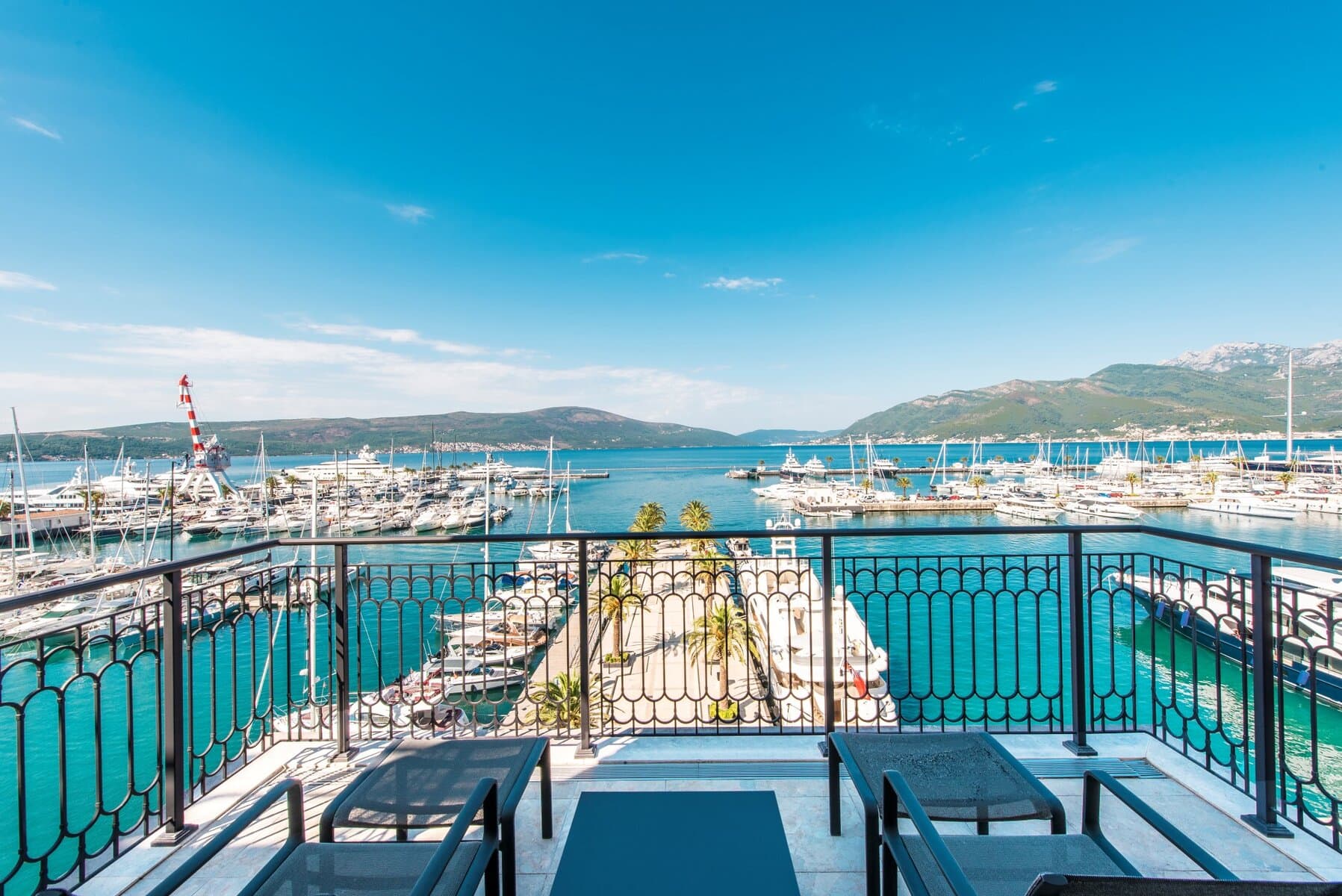
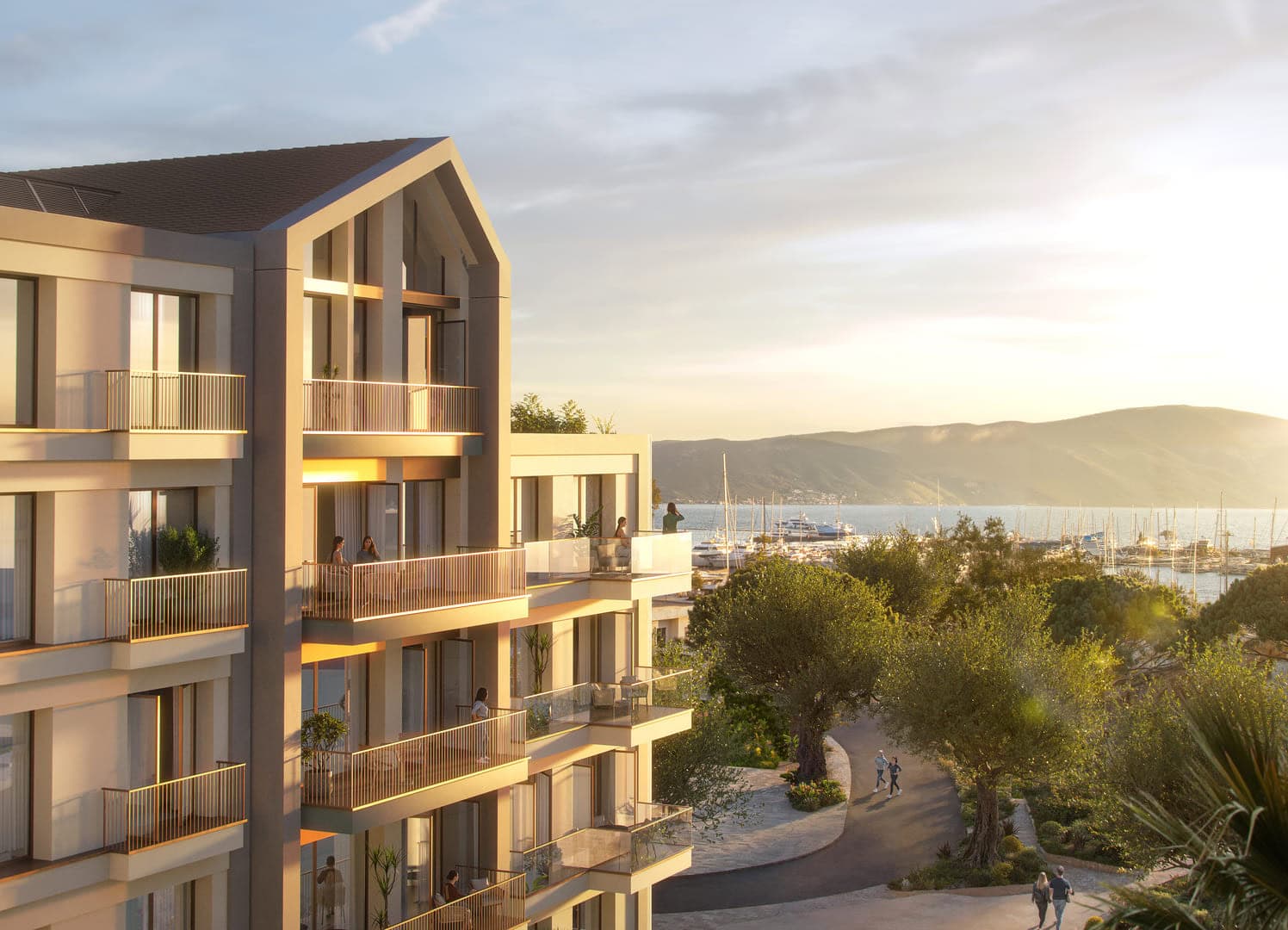
Why the Luxury Real Estate Location in Montenegro Matter?

Montenegro’s coastline is dotted with luxury developments that rival Mediterranean rivals like the French Riviera or Costa Smeralda. According to market observers, Porto Montenegro, Luštica Bay, and Budva — together with nearby Portonovi — form a trio of premier destinations combining marinas, branded residences, five-star hospitality, retail, and premium living. Among these, Porto Montenegro and Luštica Bay are expanding rapidly, while Budva boasts an established reputation as the heart of Montenegro’s coastal property market. Let’s explore how they differ.

1. Porto Montenegro — Prestige, Marina Lifestyle, Global Appeal

Porto Montenegro, located in Tivat within the Bay of Kotor, was one of the first luxury marina-centric developments in Montenegro and remains the most internationally recognised. It blends a superyacht marina with luxury residences, Michelin-level dining, high-end boutiques, and cultural programming. Highly global and cosmopolitan in character, Porto Montenegro attracts yacht owners, global expats, and lifestyle buyers seeking both convenience and prestige. Existing over a decade, for many, this is still the prime Montenegro luxury real estate location.

Example Luxury Real Estate Listings from Sotheby’s Realty Montenegro:

Exclusive Regent Waterfront Three-bedroom Apartment Ekskluzivni Regent apartman sa tri spavaće sobe Waterfront three-bedroom serviced apartment within Regent hotel, with dedicated garage space and unique marina and sea-view. A ground-floor café, fine dining restaurant, cigar lounge and library bar will provide a range of dining and entertaining options, created by interior designer Tino Zervudachi. There are two hotel swimming pools, as well as a signature Regent Spa and fitness centre. On the upper levels, the rooms and residences provide sophisticated, contemporary living spaces notable for their multifunctional design. Each benefit from the hotel’s five-star services can if the owner wishes, be included in the rental pool, either in their entirety or in parts by closing off self-contained living areas within the unit, allowing for maximum flexibility and control. Vero Residences Studio Apartment, in new residential complex within Porto Montenegro Vero Residences Studio Apartment Studio apartment in Porto Montenegro brand new Vero residential building. The apartment will consist of open space living and dining area with kitchen, one bathroom and a terrace. Apartment will have an equipped kitchen as well as built-in wardrobe. The owners will have an option to choose fully bespoke furniture packages from Manor Interior Design, with fixed prices until June 2026. 1 Tivat Porto Montenegro – two bedroom apartment with sea view in Tara residence Spacious 2 bedroom Waterfront Apartment Tara, with panoramic sea and mountains view Two-bedroom apartment of 152 m2 in Tara building, Porto Montenegro. The apartment consists of an airy living room with a dining area and kitchen, two bedrooms, two bathrooms, and two terraces overlooking the sea and mountains. The Tara building is one of the most desirable within Porto Montenegro due to its beautiful interior, spacious shared pool, greenery, and style of construction.

Porto Montenegro Lifestyle & Amenities

Porto Montenegro offers: -A world-class marina with berths for superyachts -Gourmet restaurants, cafes, and nightlife -Luxury retail boutiques -Cultural and social events year-round -Concierge services and property management The environment is dynamic and sophisticated — perfect for buyers prioritising international connectivity, social vibrancy, and luxury services.

2. Luštica Bay Golf Rezort — Integrated Coastal Town & Community Living

Luštica Bay is a master-planned coastal community focused on lifestyle, sustainability, and long-term living. Spread across more than 690 hectares on the Luštica Peninsula, this destination aims to become a self-sustained seaside town with residential districts, marinas, hotels, parks, services, and Montenegro’s first 18-hole golf course. Luštica Bay appeals to buyers seeking year-round comfort, family-friendly design, and nature-integrated living, with a distinct Mediterranean ambiance and expansive open space. Piazza 01 Charming Studio Apartment in Centrale, overlooking the main square Piazza The apartment consists of a living room with a kitchen and dining room, one bathroom, and a terrace with a view of Piazza Centrale. Golf apartment: Furnished spacious studio apartment with private yard available in a new Luštica Bay Heights Residences. Heights Residences One Bedroom Apartment, with Private Outdoor Space at Luštica Bay The apartment consists of an open-plan living room with a dining area and kitchen, one bedroom, bathroom, a terrace of 8 m2 and exclusive usage area in front of the apartment of 23 m2. New owners will be able to enjoy a shared swimming pool surrounded by greenery. The price includes a custom fitted Nolte kitchen with appliances, floor-to-ceiling built-in wardrobes, underfloor heating in bathrooms, as well as internal storage spaces Tivat, Lustica Bay, Studio Apartment, for sale, sea-view. Golf Apartment: Studio Apartment in Horizon Residences Studio Apartment in Horizon Residences Golf apartment. Studio apartment with panoramic sea-view available in a new Luštica Bay Horizon Residences.

Lustica Bay Lifestyle & Amenities

Luštica Bay offers: -Marina Village with waterfront dining and retail -World-class golf course and club lifestyle -Schools, healthcare, and mixed-use facilities -Beach clubs, trails, green spaces -A natural and sustainable environment The vibe here is community-oriented and tranquil, ideal for families, full-time residents, and buyers prioritising balance between leisure and everyday life. Check also: The Best Mediterranean Golf Courses — and why Luštica Bay’s The Peaks belongs on every golfer’s radar

3. Budva — The Classic Riviera Experience

The Budva Riviera is Montenegro’s oldest and most established luxury market, known for its vibrant lifestyle, beaches, and historical appeal. This region appeals to buyers who want a mix of cultural heritage, entertainment options, and strong seasonal rental demand. Budva’s luxury segment includes charming & renovated stone houses in the Old Town high-end residences in complexes such as Dukley Gardens, as well as premium villas and apartments in nearby Reževići. Budva Old Town Waterside Apartment Budva Old Town Waterside Apartment Unique one-bedroom apartment in the Old Town of Budva, with an open and breathtaking view of the beach, the sea, and the walls of the Old Town. 14 Budva Tre Canne – three bedroom apartment with garage on the first line to the sea Exclusive 3bdr Apartment, Tre Canne Unique three bedroom apartment of 181m2 in Tre Canne residential complex in Budva. Within five minutes walk radius, there is the ancient Old Town of Budva, yacht marina, beach promenade, Slovenska Plaza beach and park, children playgrounds, nightclubs, etc. An exquisite three-storey residential villa with a swimming pool in Rezevici, Budva Authentic Villa Rezevici Premium five-bedroom villa presents a blend of old seaside village charm with the allure of ancient sights. Market Snapshot: Luxury real estate in Budva commands strong seasonal rental yields and benefits from high visibility due to tourism and urban lifestyle amenities. See also: Montenegro Safety: Travel, Life & Investment Safety in Montenegro

Comparing Key Factors Between These Luxury Real Estate Locations in Montenegro

Lifestyle & Ambiance Locations Best For Vibe: Porto Montenegro: International buyers, yacht owners. Porto Montenegro is cosmopolitan, social with high-end marina life Luštica Bay: Families & year-round residents in a relaxed, nature-integrated, sustainable environment, first-choice for golf lovers Budva: Dynamic, cultural, entertainment-rich. Real Estate Investment & Value Trends Porto Montenegro tends to have higher entry prices and strong liquidity because of its global profile and ultra-premium positioning. Luštica Bay presents a growth story — community expansion + infrastructure investments that can yield long-term appreciation. Budva combines seasonal rental strength with established tourism traffic, offering solid income potential. Find out also: Seasonal Real Estate Trends in the Mediterranean Who Each Location Suits Porto Montenegro ✔ Buyers who want prestige and global appeal ✔ Yacht owners or marina enthusiasts ✔ Investors seeking premium pricing and strong absorption rates Luštica Bay ✔ Families and full-time residents ✔ Buyers prioritising sustainable living and community ✔ Long-term capital growth seekers Budva ✔ Holiday home buyers who value lifestyle and entertainment ✔ Investors targeting seasonal rental returns ✔ Buyers seeking a blend of urban and coastal living Final Thoughts Montenegro’s luxury property market offers something for every high-end buyer. Whether you prioritise cosmopolitan marina life (Porto Montenegro), community-oriented living (Luštica Bay), or classic coastal allure (Budva), understanding each destination’s strength is key to making the right investment or lifestyle choice. These three locations are more than destinations — they are distinct expressions of luxury living on the Adriatic, each with its own personality, long-term outlook, and appeal.

Porto Montenegro vs. Luštica Bay vs. Budva: Which Luxury Real Estate Location in Montenegro Suits You? – Frequently Asked Questions

Which is the most prestigious luxury real estate location in Montenegro?

Porto Montenegro is widely regarded as Montenegro’s most prestigious marina-centric luxury destination with international appeal. Check now: Real estate investment in Montenegro — diversify your portfolio, tap the Adriatic hotspot, and (about citizenship) what’s actually possible now

Where are prices typically highest?

Porto Montenegro generally commands the highest pricing due to brand recognition and global demand. Find out also: How EU Accession Could Transform Montenegro Property Values?

Which luxury real estate location is best for year-round living?

Luštica Bay’s planned community and amenities make it well suited for year-round residents.

Which luxury real estate location in Montenegro is best for holiday rentals?

Budva combines strong tourism infrastructure with rental demand, making it ideal for holiday income strategies. Visit Us in Porto Montenegro Choosing the right luxury destination is best done in person. Our team welcomes you to visit the Sotheby’s International Realty Montenegro office in Porto Montenegro, where you can explore curated property opportunities, discuss lifestyle and investment goals, and gain first-hand insight into Montenegro’s most sought-after locations. Whether you are comparing Porto Montenegro, Luštica Bay, or Budva, a private consultation allows us to tailor recommendations and arrange exclusive viewings aligned with your vision. We invite you to stop by our Porto Montenegro office and begin your Montenegro property journey with expert local guidance. Read also: Ultimate Guide to Buying Luxury Real Estate in Montenegro (Step-by-Step)

How EU Accession Could Transform Montenegro Property Values

1 Tivat Lustica Bay – two bedroom apartment within the new development on the golf courses Botanika Residences

Montenegro’s EU accession is expected to increase property values by improving legal certainty, infrastructure investment, foreign capital inflows, and tourism demand. Luxury and prime coastal real estate are likely to benefit the most, as EU alignment reduces risk and attracts long-term international investors.

Montenegro’s path toward European Union (EU) accession is one of the most important long-term drivers of property value growth in the country. For luxury real estate investors, EU alignment signals structural change: stronger institutions, improved infrastructure, deeper capital markets, and rising international demand.

This guide explains — in clear terms — how EU accession could affect Montenegro property prices, investment risk, rental demand, and long-term returns.

What Is Montenegro’s EU Accession Status?

Montenegro is an official EU candidate country and has opened all negotiating chapters required for membership. The country is actively aligning its laws, institutions, and economic systems with EU standards.

Montenegro already uses the euro, which reduces currency risk and supports investor confidence.

EU accession is not speculative — it is a structured, ongoing process that already influences economic and real estate policy.

How Does EU Accession Affect Property Values?

EU accession typically increases property values through:

-Improved legal certainty

-Higher foreign investment

-Infrastructure upgrades

-Increased tourism and mobility

-Lower long-term investment risk

In Montenegro, this effect is expected to be strongest in prime coastal and luxury markets.

EU accession tends to raise property prices by reducing risk and increasing demand, especially in prime and luxury real estate markets.

Why Legal Harmonization Matters for Investors?

As part of EU integration, Montenegro is strengthening:

-Property rights enforcement

-Land registry transparency

-Contract and dispute resolution

-Anti-corruption measures

-Urban planning and zoning rules

For investors, this lowers the “risk discount” historically applied to non-EU markets.

EU legal alignment increases investor confidence and typically leads to higher real estate valuations over time.

Which Property Segments Benefit Most from EU Accession?

Not all property types respond equally to EU integration.

Most positively affected segments include:

  • Luxury waterfront villas

  • High-end apartments in established coastal towns

  • Branded residences and marina developments

  • Prime urban real estate with international appeal

Secondary and poorly located assets benefit less. Luxury and prime-location properties benefit most from EU accession due to international demand and limited supply.

How Infrastructure Investment Impacts Real Estate Prices?

EU accession unlocks access to European infrastructure funding, which supports:

-Transport connectivity (roads, airports, ports)

-Utilities and energy systems

-Digital infrastructure

-Sustainable development projects

Improved infrastructure expands demand beyond traditional hotspots and supports price growth.

EU infrastructure funding increases accessibility and livability, which raises property demand and values.

What Happens to Foreign Investment After EU Accession?

EU accession increases foreign investment, which supports long-term property price growth. EU alignment typically attracts:

-Institutional investors

-International developers

-Cross-border buyers

-Long-term capital seeking stable returns

As capital inflows increase, competition for prime assets intensifies.

Does Montenegro EU Accession Increase Rental Demand?

Yes. Montenegro EU accession supports rental demand through:

-Higher tourism volumes

-Increased business travel

-Digital nomads and professionals

-Longer average stays

Luxury rental properties in coastal and lifestyle destinations are positioned to benefit most.

EU accession increases rental demand by boosting tourism, mobility, and international presence.

Are There Risks During the EU Accession Process?

Yes, but they are transitional rather than structural.

Key risks include:

-Slower permitting during regulatory alignment

-Higher construction and compliance costs

-Short-term market pauses before price acceleration

-For long-term investors, these risks often create entry opportunities.

EU accession can cause short-term regulatory friction, but long-term effects are generally positive for property values.

Is It Better to Buy Before or After EU Accession?

Historically, investors who buy before full accession capture:

-Lower entry prices

-Greater asset selection

-Stronger long-term appreciation

Once EU membership is confirmed, markets often price in the “EU premium” quickly.

Buying before EU accession often offers better long-term returns than buying after membership is finalized.

Long-Term Outlook for Montenegro Real Estate

EU accession positions Montenegro to transition from an emerging market to a European-integrated luxury destination.

Over the long term, investors can expect:

-Stronger price stability

-Lower systemic risk

-Increased international liquidity

-Sustained demand for premium real estate

EU accession supports long-term stability and appreciation in Montenegro’s luxury property market.

Investor Timeline: Montenegro Property Market (Pre vs. Post EU Accession)

Phase 1: Pre-Accession (Now – Accession Confirmation)

Market characteristics:

-Prices remain below comparable EU coastal markets

-Limited institutional competition

-Higher negotiating power for buyers

-Regulatory reforms in progress

Investor advantage:
Early entry pricing, wider asset choice, higher long-term upside.

Montenegro EU Accession Phase 1: Pre-Accession (Now – Accession Confirmation) Market characteristics: Prices remain below comparable EU coastal markets Limited institutional competition Higher negotiating power for buyers Regulatory reforms in progress

Phase 2: Accession Milestones Announced

Market characteristics:

-Increased media and international investor attention

-Rising demand in prime locations

-Early price acceleration in luxury segments

Investor advantage:
Capital appreciation begins; best-positioned assets outperform.

Find out: Montenegro Real Estate Investor Guide


Montenegro EU Accession Investor Guide Phase 2

Phase 3: Full EU Membership

Market characteristics:

EU-aligned legal and regulatory framework

Strong foreign capital inflows

Infrastructure fully integrated with EU funding

Reduced volatility, increased liquidity

Investor outcome:
Lower risk, stable appreciation, EU-level valuation benchmarks.

Historically, the strongest gains occur between late pre-accession and early post-accession, not after full EU membership is completed.

Check now: The Best Mediterranean Golf Courses — and why Luštica Bay’s The Peaks belongs on every golfer’s radar

How EU Accession Could Transform Montenegro Property Values

Final Investor Insight

EU accession is not a single event — it is a multi-year value-creation process. For long-term luxury real estate investors, Montenegro represents a rare combination of European alignment, lifestyle appeal, and early-cycle pricing.

Strategic positioning today allows investors to participate in Montenegro’s transformation before EU membership becomes fully priced into the market.

Find out: Real estate investment in Montenegro — diversify your portfolio, tap the Adriatic hotspot, and (about citizenship) what’s actually possible now

How EU Accession Could Transform Montenegro Property Values – Frequently Asked Questions

Will Montenegro property prices rise after EU accession?

Yes. EU accession typically increases property prices by improving legal certainty, infrastructure, and foreign investment demand.

Which areas benefit most from EU accession in Montenegro?

Prime coastal areas, marina developments, and established luxury destinations benefit the most.

Does Montenegro already use the euro?

Yes. Montenegro uses the euro, reducing currency risk for investors.

Is EU accession good for luxury real estate investors?

Yes. Luxury properties benefit most due to international demand and limited supply.

Read also:

Ultimate Guide to Buying Luxury Real Estate in Montenegro (Step-by-Step)

Are there risks in buying luxury propeties in Montenegro before EU accession?

Short-term regulatory changes may occur, but long-term fundamentals in Montenegro are strong.

Is Montenegro real estate undervalued compared to EU countries?

Yes. Many investors consider Montenegro undervalued relative to EU coastal markets.

Read also:

How to Navigate the Montenegro Property Market in 2026: Trends and Predictions

For investors seeking early access to Montenegro’s most exceptional properties ahead of EU accession milestones, expert local guidance is essential. Contact us now or visit the Montenegro Sotheby’s Realty office in Porto Montenegro.

Ultimate Guide to Buying Luxury Real Estate in Montenegro (Step-by-Step)

Villa Peninsula, Budva. Ultimate Guide to Buying Luxury Real Estate in Montenegro (Step-by-Step)

Get our ultimate guide to buying real estate in Montenegro

Table of Contents

Montenegro’s dramatic coastline, historic towns, and investment-friendly real estate market have attracted global buyers seeking luxury property in Europe. Whether you’re pursuing a second home, a holiday residence, or a long-term investment, Montenegro offers scenic beauty, Mediterranean climate, and transparent property laws.

This step-by-step guide walks you through the legal process, taxes, residency options, inspections, and practical considerations when buying luxury real estate in Montenegro.

Why Buy Luxury Real Estate in Montenegro?

Montenegro is emerging as one of Europe’s most desirable luxury property markets. Key advantages include:

Strategic geographic location — between Western Europe and the Balkans, with excellent access to Adriatic Sea ports and airports.

High-end lifestyle appeal — dramatic seascapes, marinas, historic towns like Kotor & Budva, and world-class hospitality.

Growing international investment — especially in luxury villas, waterfront apartments, and private estates.

Favorable tax and legal frameworks — enabling foreign ownership and residency options.

Check now: Why Montenegro?

Step 1 — Define Your Goals and Budget

Before you begin property searches, clarify:

Purpose of purchase — primary residence, second home, rental investment, or retirement.

Preferred location — Bay of Kotor, Budva Riviera, Sveti Stefan, Tivat (Porto Montenegro), or quieter inland areas.

Budget and financing — luxury properties in Montenegro span a range of prices; consider construction quality, sea views, proximity to marina/amenities.

Setting clear goals ensures tailored search results and realistic expectations.

Step 2 — Engage a Local Real Estate Expert

A qualified local agent — especially one with luxury market expertise — is essential for:

-Presenting off-market and premium listings

-Negotiating on your behalf

-Explaining local market dynamics

-Assisting with legal and tax details throughout the process

Choose a licensed agency familiar with international buyers and Montenegro’s luxury segments.

Find out now: Sotheby’s International Realty Montenegro: Why Choose Us Over Other Luxury Real Estate Agencies?

Step 3 — Conduct Property Viewings and Due Diligence

Once you shortlist properties:

Property Viewings

Attend in-person or virtual tours focusing on:

-Structural quality

-Sea views, sunlight exposure, sound insulation

-Access to amenities (marina, beach, golf, restaurants)

-Privacy and security features

Due Diligence

Due diligence in Montenegro includes checks on:

-Ownership title and land registry

-Building permits

-Zoning and planning permissions

-Outstanding liens or obligations

-Utilities and service access

A reputable attorney or licensed real estate consultant should assist with these checks to ensure you are buying a clear and marketable title.

Step 4 — The Legal Process of Buying Property in Montenegro

Foreign buyers in Montenegro can purchase real estate under largely the same terms as locals, in most cases.


Typical Legal Steps


1. Letter of Intent (LOI) and Reservation Agreement

-Signals your intent to purchase

-May involve a reservation fee to take the property off the market

2. Preliminary Contract

-Sets out essential conditions: price, deposit, payment schedule, timeline

-Often accompanied by a deposit of 10–20%

3. Due Diligence Period

-Legal advisor verifies property documentation

-Confirms absence of encumbrances

4. Final Purchase Contract

-Notarized contract signed before a Notary Public

-Transfer of ownership registered with the Public Registry

5. Payment and Ownership Transfer

Balance paid, conditions met, keys handed over


Who Can Buy a Luxury Property in Montenegro?


Foreigners can buy real estate with generally the same rights as locals, except certain agricultural land or forested areas which have specific restrictions unless a company is involved or special permissions are granted.

Tip: Make sure your legal representative is fluent in English and experienced with foreign buyer transactions.

Step 5 — Taxes and Fees in Montenegro Real Estate Transactions

Montenegro’s fees and taxes are competitive in Europe, but you should prepare for the following:

Property Transfer Tax

Typically 3% of market value (can vary depending on property type and use).

Paid by the buyer upon registration of the property.

Notary and Registration Fees

Notary costs usually between 0.5–1% of the transaction value.

Public registry costs are comparatively modest.

Annual Property and Local Taxes

Annual property tax depends on location and property category.

Municipal fees for waste and utilities vary by region.

VAT Considerations

New properties may be subject to VAT; often included in purchase price for developers’ projects.

Always consult with a tax advisor to estimate your total tax commitment before purchase.

Find out all the details here: Montenegro real-estate taxes — a concise guide for our real estate clients

Step 6 — Financing Your Montenegro Property

Cash Purchase

-Preferred for simplicity and negotiation leverage.

-Most foreign buyers purchase luxury properties outright.

Mortgage Financing

-Montenegro banks offer financing, but terms for non-residents can vary.

-Expect comprehensive documentation and possibly larger down payments compared to some Western markets.

Work with your agent and legal advisor to understand current mortgage. availability and terms.

Find out more here: Property Financing and Mortgages in Montenegro (with Options for Foreign Buyers)

How to Finance a Luxury Property Montenegro: Complete Guide

Step 7 — Inspections Before Closing

A professional property inspection is crucial — especially for luxury homes — to uncover:

-Structural issues

-Electrical or plumbing problems

-Roof condition

-Insulation and energy efficiency

-Quality of construction materials

Inspection professionals can provide detailed reports which may influence price negotiations.

Step 8 — Closing the Deal

At closing:

-Ensure all conditions in the purchase contract are fulfilled

-Sign at the notary’s office

-Confirm transfer of funds

-Registration of new ownership

Once complete, you receive the title deed and officially become the owner.

Step 9 — Residency Options After Buying Property in Montenegro

Montenegro offers several pathways to residency tied to real estate ownership:


Temporary Residency


Foreign buyers may apply for a temporary residence permit if they own real estate in Montenegro. Requirements include:

-Proof of property ownership

-Valid health insurance

-Sufficient means of support

Temporary residency can be extended and may lead to long-term residency pathways.


Residency by Investment


While Montenegro does not have a formal “Golden Visa” identical to some EU programs, property ownership of substantial value, especially in developments linked to strategic investments, may support residency applications with local authorities.

Tip: Always verify the latest regulations as immigration rules can evolve.

Step 10 — Managing Your Property

If you do not reside year-round:

-Engage a property management service

-Arrange security, maintenance, cleaning, and seasonal rentals

-Consider hospitality services if renting as a luxury vacation property

Professional management ensures your asset retains value and generates income when unused.

Ultimate Guide to Buying Luxury Real Estate in Montenegro – Frequently Asked Questions

How do foreigners buy property in Montenegro?

Foreigners can buy Montenegro property similarly to locals, following a notarized sale contract and title registration, except for some agricultural land restrictions requiring permissions. Legal representation streamlines this process.

What taxes do I pay when buying real estate in Montenegro?

Buyers typically pay a 3% property transfer tax, notary fees (~0.5–1%), and registration costs. Annual property tax and local utility fees apply thereafter.

Can buying property in Montenegro lead to residency?

Yes. Owning real estate may help secure temporary residency if you meet requirements, including proof of ownership, insurance, and financial means.

Is a property inspection required in Montenegro?

A professional inspection isn’t legally required, but it is highly recommended for luxury properties to avoid hidden issues and costly repairs.

Do I need a lawyer to buy property in Montenegro?

Strongly recommended. A lawyer verifies title documents, confirms legal compliance, and protects your interests throughout the transaction.

Are there restrictions on foreign investment in Montenegro real estate?

Mostly no, but specific limitations apply to certain land types (like agricultural areas). Legal counsel can clarify property eligibility.

How long does it take to complete a property purchase in Montenegro?

Once due diligence and documentation are complete, transfers typically take several weeks to a few months, depending on negotiation and registration timelines.

What are the best regions in Montenegro to buy luxury real estate?

Popular luxury zones include Porto Montenegro (Tivat), Bay of Kotor, Budva Riviera, Sveti Stefan, and some inland hillside estates with panoramic views.

Can I rent my Montenegro property short-term?

Yes, with appropriate registration and compliance with local regulations, you can generate rental income — a common choice for luxury homes near the coast.

Does Montenegro have capital gains tax on property sales?

Montenegro applies tax rules to capital gains depending on ownership duration and personal circumstances — consult a tax specialist for specifics.

Buying luxury real estate in Montenegro offers more than property — it provides a gateway to Mediterranean living, potential residency, and strong investment prospects. With careful planning, expert guidance, and a clear understanding of legal and tax requirements, your Montenegro property purchase can be a smooth and rewarding experience.

Real estate investment in Montenegro — diversify your portfolio, tap the Adriatic hotspot, and (about citizenship) what’s actually possible now

Villa Kuljace. Real estate investment in Montenegro — diversify your portfolio, tap the Adriatic hotspot, and (about citizenship) what’s actually possible now,

Montenegro — a narrow coastal jewel on the Adriatic, bookended by dramatic fjord-like bays and the Dinaric Alps — has moved from “off-radar” to “must-watch” for European coastal real-estate investors. Over the last five years the country has attracted luxury marina developments, foreign capital, short-stay tourism growth and institutional interest. For investors thinking about diversification, real estate investment in Montenegro offers a compelling mix: attractive coastal locations with strong tourism demand, relatively open rules for foreign buyers, lower headline tax rates than many European competitors, and scalable opportunities from buy-to-let apartments to large resort plots.
This longform guide walks you through market context, hotspots, legal and tax realities, buying process and costs, financing and yield expectations, residency/citizenship facts, risks and exit strategies, plus a practical due-diligence checklist so you can act with clarity.

Snapshot: why investors are looking at Montenegro now

A few factors drive investor interest today:

Rapid price growth and tourism recovery. Coastal and resort areas recorded strong price increases in recent years as tourism and high-end developments (Porto Montenegro, Lustica Bay, Portonovi) pulled capital into the market. Several market reports cite double-digit growth in some segments and strong FDI into real estate—fuel for both capital gains and rental demand.

Open ownership for foreigners. Non-residents can buy apartments and houses freely; restrictions are limited mainly to some agricultural land and strategic areas, so transaction flows remain straightforward for overseas buyers.

Tourist demand and seasonal yields. Well-located coastal apartments show attractive short-term rental yields (variously reported in the mid-single digits to low-double digits gross, depending on seasonality and management). Institutional and project developers have concentrated on marina-adjacent, amenity-rich developments that appeal to ultra-high-net-worth buyers and premium holiday markets.

Comparative tax profile. Montenegro’s headline taxes (flat corporate/personal rates, capped capital gains rate) are lower than many western European peers — making net returns more attractive on paper. Details below.

These conditions make Montenegro attractive for opportunistic investors (seeking capital appreciation near resorts), income investors (professional short-let portfolios), and developers targeting large integrated projects.

Where to invest in Montenegro: coastal hotspots + inland opportunities

Not all locations behave the same. Pick your strategy and match it to geography.


Coastal & marina hubs (best for holiday rental & high-end capital appreciation):


Bay of Kotor (Kotor, Perast, Tivat) — UNESCO-listed Kotor Old Town, deepwater marinas, and the airport in Tivat make this the most internationally visible coastal submarket. High demand for luxury apartments and marina berths.

Porto Montenegro (Tivat) — premier marina development with branded retail and services; strong demand from yacht owners and affluent holidaymakers. 

Lustica Bay (Tivat peninsula) — large-scale resort masterplan aimed at long-term living and resort buyers; long runway for value creation as infrastructure and amenities roll out.

Budva & Budva Riviera — mass tourism stronghold with high summer occupancy; attractive for shorter-term rental strategies though yields vary with season. 

Emerging or value-play markets
Bar and Ulcinj — lower entry prices than Kotor/Budva, potential upside where infrastructure or marina projects land.

Northern Montenegro (Kolašin, Žabljak) — mountain resorts and winter tourism offer different seasonality and diversification outside the Adriatic coastal market. 

Match strategy to place: high-end apartments and villas = Porto Montenegro / Portonovi / Lustica Bay; short-term rental apartments = Budva/Tivat; long-term capital gains or value plays = up-and-coming coastal or northern mountain resort land.

Legal basics: can foreigners buy and how is ownership structured?

Yes — foreigners can buy most residential real estate. Apartments and houses are freely purchasable by non-residents; restrictions exist for agricultural land, property in strategic/military zones and very large land plots (where company registration may be required). Always confirm parcel status with the cadastre (Law Firm in Montenegro)

Common structures: direct purchase (individual), or purchase via Montenegrin company for commercial projects or large land acquisitions. Many investors use a local SPV when buying development land. (Law Firm in Montenegro)

Power of attorney: the purchase can be completed remotely via a notarised power of attorney; a court translator is required if parties are foreign. Notary signing and cadastre registration are critical final steps. (sothebysrealty.me)

Tip: engage a local, specialist property lawyer and use reputable notaries and agents. Montenegro’s cadastre system is functional but has occasional registration quirks; certified searches and title insurance (where available) reduce risk.

Transaction costs & timeline — what you’ll actually pay

Exact costs depend on property price, whether it’s a resale or new build, and municipality. Typical items:


Real estate transfer tax / purchase tax: Historically a flat 3% on resale properties; in 2023 some reporting suggested sliding scales for higher values (3–6% for very large transactions) — confirm current municipal rules and whether the seller is a developer (new builds sometimes exempt). Budget conservatively for 3%+ in many resale deals.


Notary and registration fees: regulated scale; notary fee caps exist (examples show a few hundred euros for modest properties; a capped amount for high-value deals). Expect €300–€5,000 depending on price.


Agent fees: typically paid by seller in many markets, but always confirm—negotiable.


Lawyer fees, due diligence & surveys: variable; budget for a substantial legal check and a structural/technical inspection for older buildings.


Ongoing ownership costs: annual municipal property tax (rates vary — many sources show ranges from about 0.1% up to 1% of assessed value, but municipalities can set different brackets), utilities, maintenance and property management (if renting).


Timeline: a cooperative transaction can be completed in weeks to a few months (deposit/contract, notary signing, then cadastre registration within 30 working days is common). Remote buyers use powers of attorney to simplify presence requirements.

Tax realities — what affects your net returns in Montenegro

Tax treatment is a critical driver of yield and net return in Montenegro similar to everywhere else. Below are the key tax items investors must budget for:

a) Purchase / transfer taxes
Transfer/purchase tax on resale: commonly ~3% of the property value for resale properties, though progressive scales for high-value deals have been reported. Developers’ new builds may be exempt. Always check the up-to-date municipal rules for your parcel.

b) Annual property / ownership tax
Property tax is set by municipalities within a national framework; typical published ranges place many residential properties in ~0.25% to 1% of cadastral/assessed value, though some sources show 0.1%–5.5% depending on local rules and categories. Use the local municipality tariff card.

c) Income tax on rental income
Rental income (for individuals and companies) is subject to a 15% tax rate (after allowable deductions where applicable). Short-term rental operators must also consider VAT registration thresholds and local accommodation taxes/fees.

d) Capital gains tax
Capital gains from property sales are typically taxed at 15% — applied to profit (sale price less acquisition and documented improvement costs). Non-residents can be subject to withholding on sale proceeds until final tax calculation.

e) Corporate tax / personal income tax
Corporate tax and personal income tax rates in Montenegro are competitive compared with western Europe; many guides cite flat or capped structures (corporate rates and personal rates often referenced at 9–15% depending on income and structure), but tax planning must be tailored to your holdings and residency.

Bottom line on taxes: Montenegro’s tax headline rates (15% capital gains / rental tax and modest property tax) are favourable versus many EU peers, but municipal variations and transaction-specific rules (e.g., exemptions for new builds) mean you must confirm liabilities on each deal with a local tax lawyer.

Find out more details here: Montenegro real-estate taxes — a concise guide for our real estate clients

Residency & citizenship — the reality behind “buy property, get passport”

There’s a lot of marketing and confusion around “Montenegro citizenship by investment.” The facts are important:


Citizenship-by-investment (CBI) program closed at end of 2022. The government suspended/terminated the program on 31 December 2022, and official commentary and multiple reputable sources confirm the scheme is not open for new applicants. Some private firms still reference the old program or market residency routes; treat such claims skeptically and verify with government sources.


Residency via property ownership: buying property does generally allow foreign buyers to apply for a temporary residence permit (renewable) — a practical benefit for investors wanting a base in Montenegro. After years of continuous residency there may be pathways to permanent residency and eventual naturalisation under general rules (which are separate from the now-terminated CBI program).


If your primary motivation for investment is citizenship for visa-free travel, Montenegro’s old CBI is not a reliable route now. Consider legitimate residency options (temporary/permanent) and alternative citizenship programs in other countries where CBI remains in force. Always verify program status with official government sources or reputable immigration counsel.

Returns & yield expectations — realistic modelling

Real estate investment in Montenegro expectations should be conservative and location-specific.

Short-let (holiday rental) yields: prime coastal apartments can generate gross yields in a wide range — some sources cite 4–7% net yields on institutionalized projects while boutique short-let managers in prime months can show higher gross seasonal returns. Seasonal concentration is high: summer months (June–Sept) drive most revenue. 

Long-term rental: yields are lower than short-let in tourist hotspots but more stable. Expect lower nominal yields but reduced turnover and management friction.

Capital appreciation: coastal luxury micro-markets (marina districts) showed notable price growth in recent years; expect further appreciation if infrastructure projects progress and EU accession continues to underpin demand. But past fastest-rising markets may cool; never rely solely on appreciation assumptions. (omniacapitalgroup.com)

Example model (illustrative): buy a €400,000 seaside apartment; assume 4% gross rental yield (annual €16,000), 15% tax on net income, 20% operating costs/management, and annual property tax/maintenance — net cash yield may sit around 2–3% after all costs, with capital gains potential over a multi-year horizon. Adjust numbers for location, management quality and occupancy.

Financing, currency and funding strategies

Mortgages: local banks offer mortgages to residents and sometimes foreigners, but leverage levels and loan terms are more conservative than some Western banks. Non-recourse or cross-border lending is less common — many foreign investors use cash or offshore financing. Confirm with Montenegrin banks for current terms. 


Currency: Montenegro uses the euro (EUR) de facto, which simplifies pricing, financing and repatriation for euro-denominated investors — no FX volatility if your liabilities and returns are in EUR. This is a practical advantage.


Structuring: for development and commercial investment, investors often use a local company (with Montenegrin bank relationships) and clear governance to optimize tax and operations.

Risks & things that can go wrong

Investing anywhere involves risk; in Montenegro, watch for:


Concentration & seasonality risk: coastal holiday markets cluster revenue in a few months; oversupply or a weak tourism season can compress yields.

Regulatory and municipal variation: property taxes, tourist levies, and building permits vary by municipality; unexpected local rule changes can affect returns.

Market overheating in hotspot micro-markets: fast price appreciation can slow or correct—don’t buy at peak pricing without a margin of safety.

Legal/title issues: older properties may have incomplete cadastre entries or unresolved encumbrances—thorough legal due diligence is non-negotiable.

Political & EU accession uncertainty: Montenegro is an EU candidate; accession could be a powerful structural positive — but timing is uncertain and policy shifts (e.g., closing the CBI program) can change the investment narrative.

Practical due-diligence checklist (before you sign)

Title & cadastre search: confirm seller’s ownership, mortgages, encumbrances and boundaries. Get a fresh cadastre certificate.

Planning & building permits: for renovations or rental conversions: check permitted use, occupancy permits and any pending municipal restrictions.

Tax history & liabilities: request proof of paid property taxes and any pending liabilities.

Technical survey: structural, roofing, damp and services check for older buildings.

Rental market analysis: local occupancy rates, ADRs (average daily rates), seasonal demand and comparable supply.

Legal representation & escrow: use a reliable Montenegrin lawyer and a notary; avoid paying large sums before a contract and registration.

Exit plan: consider resale liquidity (is the asset in a narrow niche?) and tax on disposal (capital gains).

Operational tips for higher net returns

Professional property management: use an experienced short-let manager for coastal holiday apartments to maximize occupancy and reduce wear.

Brand & amenity premium: properties in branded developments (marinas, hotel mixed-use) typically command higher rates and resale premiums. 

Staggered purchases: consider buying across submarkets (e.g., one coastal apartment + a mountain chalet) to smooth seasonality.

Renovate smartly: energy efficiency, modern kitchens and bathrooms, and good Wi-Fi materially increase short-let performance for a relatively modest capex.

Exit strategies & timeline

Short horizon (1–3 years): risky—relies on market momentum and quick flip demand in prime micro-markets.

Medium (3–7 years): more realistic for realizing capital appreciation as infrastructure and tourism patterns mature.

Long term (7+ years): attractive if Montenegro progresses on EU integration and tourism continues to professionalize.

Have a plan: keep an eye on transaction costs, capital gains tax at sale, and liquidity in off-peak months.

Final recommendations — how to approach your first Montenegrin deal

Decide your strategy (yield vs appreciation vs development). That determines location and structure.

Use local experts: lawyer, tax advisor, established real-estate agent and a property manager. Never skip title searches or technical surveys. 

Budget properly: include transfer tax (~3% typical for resales), notary/registration fees, legal fees, initial capex and 6–12 months of operating reserves. 

Don’t buy for citizenship promises. Montenegro’s citizenship-by-investment program closed on 31 December 2022; property ownership may open residency channels but not an instant passport. If citizenship is key, explore alternative legitimate programs. 

Stress test your numbers for downside scenarios. Assume 30–50% occupancy in a weak year for short-lets, and conservative appreciation.

Useful sources and further reading (selected):

Montenegro real-estate market reports and project analysis — Omnia Capital Group (market growth & yields). 

Property taxes and capital gains overview — GlobalPropertyGuide / Sotheby’s Montenegro tax guides. 

Citizenship-by-investment program status — Henley & Partners and other reputable migration advisers note the CBI program concluded on 31 Dec 2022. Verify with official government updates before acting. 

U.S. State Dept / Investment Climate Statements — macro FDI and investment environment context. 

Practical “how to buy” guides and cadastre/closing process — local notary and property practice guides. 

How to Finance a Luxury Property Montenegro: Complete Guide

Why The Ultra-Wealthy Are Choosing Montenegro For Their Next Home Base

Montenegro offers a rare combination: Adriatic lifestyle appeal, euro-based pricing, open foreign ownership, and project-level premium plays in marina developments. That said, it is a small market where micro-location and timing matter enormously.

Real Estate Investment in Montenegro Frequently Asked Questions:

Is Montenegro real estate a good investment?

Yes — many investors consider Montenegro real estate a strong investment destination because of its growing tourism market, attractive coastal locations, and relatively affordable property prices compared to Western Europe. The Adriatic’s natural beauty and rising international demand support both capital appreciation and rental income potential, especially in hotspots like Budva, Kotor, and Tivat.

Can foreigners buy real estate in Montenegro?

Yes — foreigners can buy most types of residential real estate in Montenegro without significant restrictions. Non-residents typically have the same purchasing rights as locals for apartments, villas, and houses. Some limitations exist for agricultural land, forests, and strategic border zones, but ordinary residential and commercial properties are freely purchasable.

Why are millionaires moving to Montenegro?

Millionaires and high-net-worth individuals are attracted to Montenegro for a blend of lifestyle, lifestyle access, and financial benefits:

-Mediterranean climate and natural beauty

-Luxury marina developments like Porto Montenegro and Luštica Bay

-European-style living with relatively lower costs

-Stable tax and property regimes

-Residency options linked to property ownership

These factors make Montenegro not only a potential investment hub but also a lifestyle destination for wealthy individuals seeking income, security, and quality of life.

Check now: Why Montenegro?

Read also: Why The Ultra-Wealthy Are Choosing Montenegro For Their Next Home Base

Where to invest in Montenegro?


Top investment locations in Montenegro include:

Porto Montenegro (Tivat) — luxury marina living and strong rental market

Luštica Bay — large-scale resort destination with long-term potential

Budva & Budva Riviera — high seasonal tourist demand

Bay of Kotor (Kotor, Perast, Dobrota) — UNESCO heritage and coastal appeal

Podgorica — growing long-term rental demand in the capital

Northern resorts (Kolašin, Žabljak) — diversification outside the coast

Choosing the right area depends on your strategy — whether rental yield, capital appreciation, or lifestyle residence.

What are the legal requirements for foreign property buyers?

Foreign buyers must follow Montenegro’s real estate transfer and registration process, which is relatively straightforward and transparent. While most residential properties are open for purchase by non-residents, restrictions apply to agricultural land and strategic plots. A notarised contract and cadastre registration are standard, and many buyers use local legal counsel to ensure due diligence. Mortgage options are available through local banks, though down payments and terms vary.

Read also: Montenegro real estate investor guide

Read also: Property Financing and Mortgages in Montenegro (with Options for Foreign Buyers)

Read also: Buying a property in Montenegro,
here’s what you need to know

How does tourism affect Montenegro real estate returns?

Montenegro’s strong tourism rebound drives demand for short-term rental properties, especially along the Adriatic coast. Places like Budva and Tivat see high seasonal occupancy, which can deliver attractive rental yields. Coastal properties often benefit from both holiday rental income and long-term capital appreciation, particularly in areas with well-developed infrastructure and amenities.

Check also:

Seasonal Real Estate Trends in the Mediterranean

Seasonal Real Estate Trends in the Mediterranean

12 Budva Tre Canne – one bedroom apartment with sea view and garage. Seasonal Real Estate Trends in the Mediterranean

Table of Contents


Winter vs. Summer Real Estate Market Activity — With a Focus on Montenegro. Discover Seasonal Real Estate Trends

Across the Mediterranean, real estate markets move in harmony with the seasons. Tourism flows, climate, and lifestyle rhythms play a defining role in when buyers arrive, when sellers list, and how values evolve throughout the year. Nowhere is this seasonal dynamic more visible than in coastal luxury markets—where homes are not only places to live, but gateways to a way of life. From the French Riviera and the Amalfi Coast to emerging Adriatic destinations such as Montenegro, understanding the contrast between winter and summer market activity is essential for buyers, sellers, and investors seeking to make informed, strategic decisions.

The Mediterranean Market: Defined by Seasonality and Lifestyle

Mediterranean real estate is fundamentally experiential. Demand is shaped less by necessity and more by aspiration—sunlight, proximity to the sea, architectural heritage, and the promise of slow living punctuated by vibrant summer energy. Summer is the region’s showcase season, when destinations are experienced at their most dynamic. Winter, by contrast, offers a quieter, more introspective view—revealing how places function beyond tourism and allowing buyers to assess long-term livability and investment fundamentals. Both seasons play a vital role in shaping market behavior.

Summer Market Activity: Visibility, Emotion, and Momentum

Summer is the Mediterranean’s peak real estate season. Tourism reaches its height, international buyers arrive in volume, and lifestyle appeal is immediately tangible. Tourism as a Catalyst for Demand During summer months, coastal towns and resort areas across Southern Europe and the Adriatic experience a surge in visitors—many of whom are high-net-worth individuals exploring the region through extended stays, yacht charters, or seasonal rentals. For a significant portion of buyers, ownership begins as an emotional response to time spent in a destination. Properties are viewed in their most flattering light: terraces in full use, marinas alive with activity, beach clubs, festivals, and cultural events reinforcing the appeal of location. This experiential immersion often shortens decision timelines and elevates perceived value. Increased Inventory and Faster Sales Cycles Sellers tend to list in late spring and early summer to capitalize on maximum exposure. Gardens, pools, and architectural details photograph beautifully, while international marketing campaigns gain traction during peak travel months. The result is higher transaction volume and, in prime locations, competitive buyer behavior. Well-positioned properties—particularly turnkey villas and waterfront residences—can achieve premium pricing when demand outpaces supply. Summer Rentals and Investment Appeal Summer is also the dominant rental season. Short-term rental performance during these months plays a decisive role in investor interest, especially in destinations where weekly rates during peak season can significantly offset ownership costs. For many buyers, seeing rental demand firsthand during summer validates the investment case and accelerates acquisition decisions. Check also: How to Navigate the Montenegro Property Market in 2026: Trends and Predictions

The Winter Market: A Strategic Season with Hidden Advantages

While summer captures attention, winter reveals the Mediterranean market’s deeper character. Often underestimated, the winter season offers distinct advantages—particularly for discerning buyers and serious sellers. A Quieter Market, Not an Inactive One Winter is traditionally the slowest period for coastal real estate transactions. Cooler weather, holiday travel, and reduced tourism all contribute to lower foot traffic and fewer listings. However, this slowdown does not equate to stagnation. Instead, the winter market tends to attract a smaller but more focused group of participants. Buyers active during this season are typically motivated by clear objectives—relocation, long-term investment, or strategic acquisition ahead of the next tourism cycle. Benefits for Sellers: Reduced Competition and Clearer Positioning With fewer properties on the market, winter listings face less direct competition. This allows well-presented homes to stand out more clearly, particularly those that demonstrate year-round functionality rather than purely seasonal appeal. Winter viewings highlight aspects that summer often obscures: insulation quality, natural light during shorter days, heating systems, and overall build integrity. For luxury properties designed for all-season living, this can reinforce value rather than diminish it. Opportunities for Buyers: Negotiation and Due Diligence For buyers, winter offers time and leverage. Sellers listing during this period are often pragmatic and open to discussion, particularly if properties have carried over from autumn. Negotiations tend to be more measured, with fewer emotionally driven bidding scenarios. Slower market conditions also allow for deeper due diligence. Buyers can evaluate legal structures, zoning regulations, and renovation potential without the pressure that often accompanies peak summer demand. For investors, purchasing in winter creates a strategic runway—allowing time for refurbishment, furnishing, and marketing ahead of the lucrative summer rental season. Winter rewards patience and clarity. It is a season for deliberate decisions rather than impulse purchases.

Montenegro: A Mediterranean Market Defined by Dual Seasons

Montenegro stands apart within the Mediterranean landscape. With its dramatic coastline, UNESCO-listed old towns, and rising profile among international buyers, it offers a rare blend of established lifestyle appeal and emerging-market opportunity. Seasonality plays a particularly influential role here—shaping not only transaction volume but also buyer demographics and investment strategies. Summer in Montenegro: Global Attention and Lifestyle Buyers Summer transforms Montenegro’s coast. Destinations such as Kotor, Perast, Budva, Porto Montenegro, and Luštica Bay attract yacht owners, second-home buyers, and international visitors drawn by the Adriatic’s clarity and the country’s understated luxury. During this period, demand is driven largely by lifestyle buyers seeking vacation homes or rental-performing assets. Waterfront apartments, marina-front residences, and villas with sea views are in highest demand, often achieving strong pricing during peak season. Summer also amplifies Montenegro’s visibility on the global stage. Buyers who may not have previously considered the country often encounter it through travel—leading to spontaneous viewings and, in some cases, rapid purchases. Winter in Montenegro: Where Strategy Meets Opportunity Winter reveals Montenegro’s long-term investment appeal. As tourism slows, the market becomes more navigable and transparent—particularly for buyers focused on fundamentals rather than seasonal emotion. A Clearer View of Livability Winter allows buyers to experience Montenegro beyond its postcard image. Infrastructure, accessibility, healthcare proximity, and community life become more apparent. For those considering permanent relocation or extended residence, this perspective is invaluable. Coastal towns function at a calmer pace, while Podgorica and emerging inland areas demonstrate year-round stability, attracting buyers with residency, business, or remote-work objectives. Investment Timing and Value From an investment standpoint, winter is often the most strategic time to enter the Montenegrin market. Pricing tends to stabilize, negotiations are more flexible, and developers may offer incentives on new-build or off-plan projects to maintain momentum. Purchasing during winter allows investors to prepare assets for summer—whether through renovation, furnishing, or short-term rental licensing—maximizing returns when tourism rebounds. A Mediterranean Real Estate Market Still in Evolution Unlike more mature Mediterranean markets, Montenegro still offers growth potential. Seasonal timing here is not merely about short-term price variation but about positioning within a market that continues to evolve in terms of infrastructure, international perception, and regulatory clarity. Winter buyers are often those with a long-term view—securing prime assets before broader demand fully matures.

Choosing the Right Season for the Right Objective

In Mediterranean real estate markets—and particularly in Montenegro—there is no universally ideal time to buy or sell. The optimal season depends on intent. Lifestyle real estate buyers often connect most strongly during summer, when destinations are alive and emotionally compelling. Strategic real estate investors may find winter more advantageous, benefiting from negotiation flexibility and preparation time. Real estate sellers seeking visibility and premium positioning often favor summer, while those prioritizing discretion may prefer winter listings. Many of the most successful transactions are initiated in one season and concluded in another, reflecting the international nature of luxury real estate and the importance of thoughtful timing..

Seasonality as a Strategic Advantage

In Mediterranean real estate, seasonality is not a constraint—it is a tool. Understanding how winter and summer markets differ allows buyers and sellers to move with intention rather than urgency. For those navigating Montenegro’s rising luxury market, this awareness is particularly powerful. Whether acquiring a coastal retreat, selling a waterfront residence, or investing ahead of peak demand, aligning strategy with seasonal dynamics enhances both lifestyle value and long-term performance. In a region shaped by light, movement, and rhythm, the most informed decisions are those made in harmony with the seasons.

Frequently Asked Questions: Seasonal Real Estate Trends

What is the busiest season in real estate?

The busiest season in real estate is typically spring and summer, especially between April and September. During this period, warmer weather, longer daylight hours, and increased tourism lead to higher buyer activity and more property listings. In Mediterranean markets such as coastal Italy, France, Greece, and Montenegro, summer is the peak season due to international travel, lifestyle-driven demand, and strong short-term rental performance. Transaction volumes, property viewings, and marketing exposure are generally at their highest during these months.

How do different seasons affect the real estate market?

Different seasons influence real estate markets by shaping buyer behavior, inventory levels, pricing, and negotiation dynamics. Spring and summer bring increased listings, higher demand, faster sales, and, in prime locations, stronger pricing. Autumn often sees steady activity as motivated buyers seek to close before year-end. Winter typically has fewer listings and lower transaction volume, but attracts serious, strategic buyers and can offer better negotiation opportunities. In seasonal destinations, including Mediterranean coastal markets, these effects are amplified by tourism cycles and second-home demand.

How do seasonal trends affect local property markets?

Seasonal trends impact local property markets by determining when demand peaks, how properties are valued, and which buyer profiles dominate. In tourism-driven markets such as Montenegro’s coast, summer increases exposure, rental income potential, and international interest, often supporting premium pricing. Winter, by contrast, reveals year-round livability and attracts buyers focused on relocation or long-term investment. Local infrastructure, accessibility, and community life become more relevant outside peak tourist seasons, influencing purchasing decisions differently throughout the year.

How does seasonality affect home sales?

Seasonality affects home sales by influencing speed, competition, and pricing. Homes listed in spring and summer tend to sell faster due to higher buyer traffic and improved presentation conditions. Outdoor spaces, natural light, and lifestyle amenities are more visible, which enhances appeal. In winter, sales volume typically slows, but transactions that do occur are often more deliberate. Buyers have more time for due diligence, and sellers may be more flexible on price. As a result, winter home sales can offer strategic advantages despite lower overall activity.

Will seasonal changes have an impact on the property market?

Yes, seasonal changes have a measurable impact on the property market, particularly in regions influenced by climate and tourism. Seasonal shifts affect buyer sentiment, marketing effectiveness, and rental income potential. In Mediterranean markets, summer boosts short-term rental yields and lifestyle-driven purchases, while winter stabilizes prices and encourages long-term planning. Over time, these seasonal patterns influence annual pricing trends, inventory cycles, and investment strategies.

Why are spring and summer peak seasons for real estate?

Spring and summer are peak seasons for real estate because they combine favorable weather, increased mobility, and heightened buyer confidence. Properties are easier to view, photograph, and market, while families and international buyers are more available to travel and make decisions. In luxury and second-home markets—such as those across the Mediterranean and in Montenegro—spring and summer also align with tourism peaks. Buyers often discover destinations during holidays or seasonal stays, turning travel experiences into property purchases. This convergence of lifestyle appeal and market accessibility makes spring and summer the most active periods in real estate. Explore how seasonal insight shapes smarter property decisions—connect with our Montenegro team, discover a day at our office, or visit us in person to discuss your next Mediterranean move.

Sotheby’s International Realty Montenegro: Why Choose Us Over Other Luxury Real Estate Agencies?

Sothebys Montenegro Sotheby's International Realty Montenegro: Why Choose Us Over Other Luxury Real Estate Agencies?

Table of Contents


The Sotheby’s Advantage: Global Prestige Meets Local Expertise

Sotheby’s International Realty Montenegro is not just another real estate agency. We are the exclusive local office of the world’s most prestigious luxury real estate brand, offering unparalleled access, service, and market knowledge for discerning buyers and sellers in Montenegro and beyond.

What Sets Us Apart?

Feature Sotheby’s Montenegro Local Agencies International Franchises Online Portals Global Brand Recognition Exclusive Listings Luxury Market Expertise Personalized Service Multilingual Support Legal & Financial Guidance Investment Insights Award-Winning Reputation Seamless Buying Experience

Why Sotheby’s International Realty Montenegro?

1. Global Reach, Local Knowledge Access to exclusive properties in Montenegro and worldwide through the Sotheby’s network. Deep understanding of Montenegro’s luxury market, including Porto Montenegro, Luštica Bay, Budva Riviera, and the Bay of Kotor. 2. Curated Luxury Portfolio Only the finest villas, waterfront estates, and apartments make it into our listings. Properties are handpicked for style, location, and investment potential. 3. Award-Winning Service European Property Awards Winner 2025. Recognized for excellence in client service and real estate marketing. 4. Personalized, Multilingual Support Agents fluent in English, German, Russian, Turkish, Arabic, and Serbian. Tailored guidance for international buyers and investors. 5. Comprehensive Buying & Investment Guidance End-to-end support: legal, financial, and citizenship advice. Market insights and investment analysis for confident decisions. 6. Transparency & Trust Sotheby’s reputation for integrity and professionalism. Clear communication and full disclosure at every step.

Featured Luxury Properties

Luxury Waterfront Villa – Herceg Novi, Mirista

Buying a property in Montenegro Luxury Waterfront Villa – Herceg Novi, Mirista Luxury villa under construction, gross area of ​​288 m2 on the first line to the sea in Mirista, Herceg Novi. Details & Photos – €3,800,000

Modern Townhouse with Private Pool – Budva, Reževići

Modern Townhouse with Private Pool – Budva, Reževići Brand new furnished townhouse with management service and private pool in Rezevici, Budva. Available townhouses in newly built neighborhood, each with its own private pool and garden. Details & Photos – €675,000

Regent Waterfront Three-bedroom Apartment – Tivat, Porto Montenegro

Exclusive Regent Waterfront Three-bedroom Apartment Waterfront three-bedroom serviced apartment within Regent hotel, with dedicated garage space and unique marina and sea-view. Details & Photos – Price Upon Request

Cliffside Villa Skocidjevojka – Budva, Skocidjevojka

Cliffiside villa Skocidjevojka A villa positioned on a cliff above the sea, located in Skočidjevojka, Reževići, with a total area of 580 m² on a 1,500 m² plot, offering an open sea view in a natural Mediterranean environment. The property is designed in a modern architectural style, with clean lines and high-quality natural materials. In the part of the yard facing the sea, there is a large infinity pool with a spacious terrace. The villa is organized across 3 levels, with a functional layout. Details & Photos – €2,900,000

Multilingual & International Real Estate Services

Real estate services available in English, German, Russian, Turkish, Arabic, and Serbian. Support for international buyers, including remote viewings and legal advice. Economic Citizenship guidance for qualifying investments.

Why Invest in Montenegro just with us?

Exclusive global network vs. Local or limited reach Award-winning client service vs. Standard service Curated luxury portfolio vs. Mixed-quality listings Multilingual support vs. Limited language options Investment & citizenship guidance vs. Basic property sales Trusted brand since 1744 vs New or unproven brands

Ready to Discover Your Dream Home?

View All Listings Contact Our Team Read Market Insights Connect With Us Facebook | Instagram | YouTube Sotheby’s International Realty Montenegro – Where Your Luxury Real Estate Journey Begins. Copyright ©️ 2025 Sotheby’s International Realty®️ Montenegro. Each office independently owned and operated.

MONTENEGRO REAL ESTATE INVESTOR GUIDE – INVESTING AND LIVING IN THE ADRIATIC GEM

Perast Montenegro 2 Luxury Real Estate Montenegro. Luxury Mediterranean real este. MONTENEGRO REAL ESTATE INVESTOR GUIDE – INVESTING AND LIVING IN THE ADRIATIC GEM Table of Contents

In the last decade, Montenegro has emerged as one of Europe’s fastest-rising real-estate hotspots. With its stunning Adriatic coastline, Mediterranean climate, and growing tourist appeal — combined with a favorable legal environment for foreign buyers — Montenegro offers a blend of lifestyle, potential income, and long-term value growth that is rare in the current European market. For investors, expatriates, and lifestyle seekers alike, Montenegro is fast becoming the Adriatic gem for both living and investing.

This guide — crafted with the kind of insight you’d expect from a platform such as Sotheby’s International Realty — walks you through everything you need to know about buying, investing, and living in Montenegro in 2025 and beyond.

Why Montenegro — The Appeal & Market Potential

Mediterranean Lifestyle Meets Strategic Investment

Montenegro combines sun-drenched Adriatic beaches, historic coastal towns, and mountain retreats — offering dramatic natural variety in a relatively compact country. Its coastline, dotted with bay towns, marinas, and heritage towns, acts as a magnet for tourists, yacht owners, retirees, and international buyers, creating consistent demand for both short-term holiday rentals and long-term residences.
From an investment standpoint, Montenegro offers several compelling advantages:

Favorable legal framework for foreign buyers. Foreigners can purchase residential and commercial properties with the same rights as locals.

Transparent and relatively low holding costs. Property tax ranges from 0.25 % to 1 % annually, depending on location and property value.

Euro-denominated market & economic stability. Montenegro uses the euro, offering monetary stability for investors.

Strong tourism-led demand. The rising number of tourists and the growth of yacht, marina, and resort tourism ensure consistent demand — especially along the coast.

Growth potential and rising property values. Over recent years, coastal areas have seen prices increase significantly — a trend many analysts expect to continue.
In short, investing in Montenegro is not just about owning a holiday home. It is also about tapping into a rising real-estate market, benefiting from steady rental yields, and possibly enjoying capital appreciation over time.

Who Can Buy Property in Montenegro & What Are the Legalities

Foreign Ownership in Montenegro: What’s Allowed, What’s Not

Foreign individuals and companies can buy apartments, houses, villas, and commercial real estate in Montenegro.

However, there are some restrictions: foreigners cannot buy large agricultural land, forests, certain strategic or protected lands, cultural monuments, or properties near borders.

For land purchases above a certain size (often 5,000 m²), foreign buyers may need to establish a local company to complete the acquisition.

For standard residential units — apartments, villas, second homes — foreigners enjoy the same rights as locals in terms of ownership, sale, and rental.

Purchase Process, Costs & Taxes

If you’re considering buying real estate in Montenegro, here’s a breakdown of typical costs and procedural steps:


Step / Cost

Real estate agents generally charge 3–5 % commission (often paid by the seller).


Legal & Notary Fees
Expect ~1–1.5 % for attorney representation, plus notary/registration fees.


Transfer Tax / VAT
For resale properties: 3–6 % transfer tax; for new builds: VAT ~21 % (usually included if buying from developer).


Annual Property Tax
Between 0.25 % and 1.0 % of registered value — possibly more for premium properties.


Utilities & Maintenance
For a typical apartment, monthly utilities may range from €50 to €150; maintenance and shared-facility fees apply for complexes.

Important Note: While the attraction of cheap coastal property once existed, today Montenegro’s most desirable coastal zones — especially coastlines, marinas, and luxury resorts — command prices similar to many Mediterranean peers, so the “value bargain” tends to be in less central or inland areas.

Montenegro Residency & Immigration: What Property Can Get You

Owning property in Montenegro offers more than just ownership — it can also open residency pathways. A foreign buyer with property ownership may be eligible for a residence permit, though this is not an automatic entitlement.


However:
The former “citizenship-by-investment” scheme (popular with some investors) officially ended in December 2022.


Therefore, purchasing property no longer guarantees citizenship. But long-term residency remains an attractive benefit for those wishing to live, retire, or work in Montenegro.

Where to Buy a Property in Montenegro — Montenegro Regions & Investment Hotspots

Waterfront Penthouse Tara, Porto Montenegro

Not all real estate markets in Montenegro are equal. What you’re after — high yield, capital appreciation, lifestyle, tranquility — should guide where you invest. Below is a breakdown of best-bet areas in 2025.

Coastal Luxury & Marina Living

Porto Montenegro & Tivat


One of the most sought-after luxury developments in Montenegro, targeting yacht owners, high-net-worth individuals, and luxury seekers.


Average price range for high-end apartments and waterfront villas: €4,000 – €7,500/m².


According to recent 2025 market data, luxury properties in Tivat have topped as high as €14,000/m² in specific developments.


Strong demand from the yacht community, summer rentals, and buyers seeking prestige.


Best for: High-net-worth buyers, yacht owners, luxury rentals, long-term capital appreciation.


Luštica Bay (Luštica / Boka Peninsula)


A modern coastal development combining luxury amenities (marina, beach clubs, golf course) with eco-conscious architecture — appealing to investors seeking resort-style homes.


Property options range from apartments to villas. Prices here are typically more moderate compared to Porto Montenegro but remain premium — often in the €3,000–€6,000/m² range depending on sea view and proximity.


Best for: Investors seeking resort-style living, rental income from tourists, and long-term value growth.

Tourist-Favorable Rivieras & Historic Coastal Towns

Budva Riviera (Budva, Bečići, Sveti Stefan, Petrovac…)


The Budva Riviera remains Montenegro’s most vivid center of tourism, nightlife, and beaches — a constant draw for tourists and seasonal renters.


Typical price range: €3,500 – €6,000/m² for new or well-situated seafront apartments and villas.

Strong rental demand during summer, making it ideal for short-term vacation rentals; potential for reasonable yields and capital growth.


Best for: Holiday homes, summer rentals, investors looking for rental yield from tourism.


Kotor & Herceg Novi (Bay of Kotor Historic Region)


Kotor’s old town (UNESCO heritage) and the wider bay region blend cultural-heritage appeal with stunning natural beauty — a perennial draw for heritage lovers, long-term renters, retirees, and buyers seeking scenic living.


Prices for quality coastal properties (waterfront apartments, heritage-style homes, or villas) typically range from €2,800 to €5,000/m², depending on view, proximity to sea, and condition.


For investors seeking a mix of cultural living and rental potential, this area offers a balanced, often more affordable alternative to ultra-luxury zones.


Best for: Heritage and culture lovers, long-term living, retirees, moderate-to-high yield rental properties.

Affordable Coastal & Inland Alternatives in Montenegro — Value & Long-Term Potential

2 Kolasin K16 apartments within the Swissotel Resort next to the ski center Kolasin 1600

Small Coastal Towns in Montenegro

Coastal towns like Bar remain more affordable than superstar marinas or luxury developments. According to older but still indicative data, some newer buildings in Bar offered prices between €1,600 – €2,500/m², with resales even lower.

For investors with modest budgets, coastline access, or a desire for simpler coastal living without the premium price tag, such towns may offer solid long-term value.

Inland Cities & Mountainous Regions (e.g., Podgorica, Kolašin, mountain resorts)

For those less interested in beach life but seeking affordability, inland regions and mountain towns present a compelling alternative. Prices there tend to be more stable and significantly lower than coastal ones.

Mountain-region real estate (chalets, apartments near ski resorts, countryside houses) is increasingly popular for buyers valuing nature, tranquility, and four-season tourism potential.

Best for: Buyers with a modest budget, seekers of nature & quiet, long-term growth in non-tourist areas, or seasonal/rural rental income.

What Investors Should Expect in Montenegro: Returns, Yields, and Market Performance

Strong Capital Appreciation

Recent data shows that property prices along the coast — especially in premium areas — have been rising steadily. Analysts forecast a 5–7 % annual price growth over the next few years for many coastal and high-demand zones.


For example:
Year-on-year increases of 7–10 % have been observed for coastal villas and mountain homes.

Average coastal apartments and villas have appreciated by 5–8 % annually in recent years.

In hot spots, pre-construction “off-plan” units are frequently sold before completion, a sign of high investor confidence.

Given limited coastal supply and growing demand, especially international, the potential for medium- to long-term capital gains remains strong.

Rental Yield & Seasonal / Year-Round Income Potential

One of Montenegro’s most compelling draws for investors is the rental yield — especially in coastal and tourist-heavy areas:
Coastal rental yields nationally range between 4.4 % and 7.1 %.


Summer-season short-term rentals (e.g., holiday apartments, villas) can deliver especially high returns — thanks to booming tourism and high demand for vacation stays.


Apartments and homes in cities or less touristy areas (e.g., inland, mountain towns, or secondary coastal towns) may yield more modest but stable income — appealing for long-term rental strategies.


Thus, investing in Montenegro real estate can be a hybrid strategy: capital appreciation over time, combined with rental income — either seasonal or long-term.

Practical Considerations & Risk Factors When Buying a property in Montenegro

Due Diligence & Legal Advice — Don’t Skip It

While Montenegro welcomes foreign buyers, it also enforces certain restrictions and regulations:
Some property types (agricultural land, large land plots, forests, protected zones) require extra steps — foreigners may need to establish a local company to purchase.


For coastal and high-end properties, demand is high — but so is competition. Properties can be sold quickly, sometimes even off-plan, before completion.


It’s important to use reputable real-estate agents and legal representation: costs (agents, notary, lawyer fees, taxes) can add up — 3–7 % on top of the purchase price.

Maintenance, Operating Costs & Taxation

Owning and maintaining a property involves more than just the purchase price:
Annual property tax ranges 0.25–1 % depending on value and location.


Utilities, maintenance fees (especially for apartments in a complex), insurance, and possibly property management — if you’re renting out — need to be factored in.


Rental income and capital gains (on sale) are subject to taxation: typical rental income is taxed, and capital gains may apply depending on duration of ownership and residency status.


Realistically, gross yields (4.4–7.1 %) need to be adjusted for costs and seasons — especially in coastal/tourist zones where occupancy may fluctuate.

Market Risks & Overheating

Rapid price increases can lead to overheating in some coastal hotspots. That means: buying at the peak could risk future slowdowns or lower rental yields if demand softens.


Seasonal demand: For coastal holiday-oriented properties, income may depend heavily on summer, which introduces fluctuations outside of high season.


Regulatory changes: While ownership laws are favorable now, changes in taxation, land-use regulation, or environmental/historical-site restrictions may affect future returns.


Thus — while the outlook is positive, investors should treat Montenegro real estate as a medium- to long-term commitment, with considerations for diversification, maintenance, and risk management.

Living in Montenegro — Lifestyle, Residency, and Real Estate as Home

Investing in Montenegro isn’t only about returns — for many, it’s about quality of life. Whether you’re buying for holidays, retirement, or long-term residence, here’s what you should know.


Attractive Lifestyle and Environment


Mediterranean climate, scenic coastline, marinas, historical towns, and a relaxed pace of life draw many foreigners, retirees, and digital nomads.


Coastal towns (Kotor, Budva, Herceg Novi, Tivat) combine scenic beauty with tourist amenities, international communities, and leisure infrastructure (yachting, beach clubs, restaurants, history).


Inland and mountain areas offer tranquil living, connection to nature, outdoor activities, and affordability — ideal for those seeking a slower pace or seasonal retreat.


Residency & Use of Property


Buying a property can open the door to residency — many foreigners purchase as second homes or retirement spots.


Owning property doesn’t automatically grant citizenship (the previous citizenship-by-investment program ended in 2022) — but long-term residence, especially with continuous habitation, remains feasible.


Many investors choose properties both as a lifestyle home and as rental investments — switching between personal use and rental as needed.


Practical Living Costs


Compared to many Western European or Mediterranean destinations, Montenegro tends to offer relative value: property maintenance, utilities, and everyday costs are generally moderate, though luxury coastal living will naturally raise the cost of living. As always, this depends strongly on location, property type, and lifestyle expectations.


Strategy Guide — How to Invest Smart in Montenegro

Exclusive Regent Waterfront Three-bedroom Apartment Porto Montenegro

If you’re considering real estate in Montenegro, here are different strategies depending on your goals:


Luxury/Mega-wealth Strategy — Marinas, Yachts & Prestige


Target prime marinas (Porto Montenegro, Luštica Bay) or luxury coastal developments.


Ideal for high-net-worth individuals, yacht owners, or global nomads looking for high-end Mediterranean living.


Expect high purchase prices, but also high potential for capital appreciation, premium rental yields, and lifestyle quality.


Holiday-Rental / Short-Term Rental Strategy


Focus on coastal resorts, vacation hotspots, or coastal town apartments.


During peak tourist season, short-term rentals (holiday villas, apartments) can produce strong cash flows.


This strategy works best if you are ready to manage rentals (or employ a property manager), handle seasonality, and maintain flexibility of use.


Long-Term Rental / Buy-to-Live Strategy


Consider inland cities, mountain towns, or more affordable coastal towns for long-term rentals or full-time living.


Lower entry cost, more stable yields, less dependency on tourism cycles.


Great for retirees, expatriates, families or remote workers seeking a stable home base.


Mixed Investment — Diversify Across Regions & Property Types


Combine a coastal property (for vacation/rental) with a more affordable inland or mountain property (for long-term rental or future use).


Diversifies risk: seasonal demand/market cycles and property maintenance.


Provides lifestyle options and flexible income streams.

What to Do Next — Due Diligence Checklist

Before you commit to buying property in Montenegro, make sure you:


Engage a local real estate lawyer or legal advisor to check land status, legal restrictions, and properly handle contracts,


Use reputable real estate agents with verified listings — especially if buying off-plan or in new developments,


Run full cost calculations — purchase price + taxes + legal fees + maintenance + utilities + property management (if renting),


Consider seasonal and market risks — especially for coastal / villa-based investments dependent on tourism,


Plan for a flexible exit or rental strategy — whether long-term rental, holiday rental, or resale — and adapt to market changes.

Montenegro — A Real-Estate Gem, with Eyes Wide Open

Montenegro offers a rare combination: Mediterranean coastal beauty, rising real-estate demand, favorable legal frameworks for foreigners, and growing investor interest. For many, it represents not just an investment — but a lifestyle: holidays by the sea, quiet mountain retreats, or a full-time home in a country balancing tradition and modernity.

However, as with any investment, success depends on due diligence, realistic expectations, and a clear strategy. The most rewarding investments will likely come from those who treat Montenegro not as a quick-flip opportunity, but as a long-term play — whether for capital appreciation, rental income, personal living, or a hybrid of all three.

If you’re looking for curated listings, personalized advice, or luxury real-estate opportunities, we at Sotheby’s International Realty — especially via our Montenegro arm — are ready to help you navigate this exciting, dynamic, and still-emerging market.

Contact us today or visit us in our office in Montenegro.

The Best Mediterranean Golf Courses — and why Luštica Bay’s The Peaks belongs on every golfer’s radar

Golf course Lustica Bay

Table of Contents

The Mediterranean is golf without apology: sapphire seas, citrus-scented breezes, championship design pedigree and resorts that pair seriously good golf with restaurants, marinas and easy access to culture. From Spain’s legendary fairways on the Costa del Sol to Portugal’s sun-drenched Algarve and Greece’s dramatic links-style layouts, the region serves a rare combo: world-class golf played beside some of Europe’s most spectacular coastlines. Into this fold now steps Montenegro — compact, dramatic and quietly ambitious — with Luštica Bay’s The Peaks, Montenegro’s first 18-hole course and a genuine contender for golfers who want coastal views and a new Mediterranean address.

Why the Mediterranean remains the ultimate golf destination

Golfers travel to the Mediterranean for three simple, irresistible reasons: climate, variety and lifestyle. Mild winters and long shoulder seasons mean more playable days; course architecture ranges from tight, tactical inland layouts to expansive seaside links that reward bold play; and the post-round life — from Michelin-level dining to private marinas and cultural gems — turns a golf trip into a full sensory holiday. The Costa del Sol alone hosts dozens of top-tier courses, from elite tests such as Valderrama to resort complexes like PGA Catalunya — each offering unique playing challenges framed by Mediterranean scenery.

Spotlight: The Peaks — Luštica Bay’s seaside masterpiece

Luštica Bay’s golf project, branded The Peaks, represents Montenegro’s first full 18-hole public course and one of the region’s most dramatic new entries. Designed in partnership with Gary Player Design, The Peaks promises a rare selling point: sea views from virtually every hole, carved into the natural ridgelines of the Luštica Peninsula so that each tee and green frames open Adriatic panoramas and the UNESCO-listed Boka Bay in the background. The routing takes full advantage of local topography — cliffs, coves and indigenous stone — producing holes that play to a variety of shot shapes and wind conditions while prioritising environmental stewardship.

What this means for players: the course looks and plays like a classic links-by-the-sea in many stretches — long, bold drives rewarded, approach shots to contoured greens testing club selection — while still remaining accessible for higher-handicappers through smart tee placements and generous fairway corridors. For owners and long-stay visitors, The Peaks is more than a golf course; it’s the spine of a new residential lifestyle that blends private villas, townhouses and apartments with a clubhouse, practice facilities and the island-meets-resort ambience the modern luxury buyer seeks.

A short drive from Porto Montenegro — the best of both worlds

Tivat Porto Montenegro real estate

Location is everything in luxury real estate. Luštica Bay sits on the Trašte Bay side of the peninsula, offering a quieter, more residential pace than the bustling glamour of Porto Montenegro, but the two are close enough to combine: Porto Montenegro’s high-end marinas, boutiques and dining are roughly 14–16 km from Luštica Bay — roughly a 15–30 minute drive depending on route — making it ideal for buyers who want marina life and nightlife within easy reach of a more serene, golf-centred home. This proximity lets owners enjoy both the sociable yacht culture of Porto Montenegro and the golf-focused tranquillity of Luštica Bay.

Other Mediterranean must-plays to pair with a Montenegro trip

If you’re plotting a Mediterranean golf tour, combining The Peaks with classic routes in Spain, Portugal and Greece gives a truly world-class itinerary.

Real Club Valderrama, Sotogrande (Spain)
Often called the “Augusta of Europe,” Valderrama is a benchmark for turf quality, strategic design and championship pedigree. It rewards pinpoint accuracy and plays a major role in any golfer’s Mediterranean wishlist.

PGA Catalunya / Camiral (Spain)
Near Girona, this modern classic boasts a “Stadium” course that challenges every part of a player’s game with elevation changes, intricate bunkering and laurel-lined fairways. It’s a perfect counterpoint to seaside links.

Finca Cortesín (Spain)
Host of world-class events, Finca Cortesín offers immaculate conditioning, luxurious clubhouse facilities and a layout that encourages aggressive iron play into sculpted greens.

Monte Rei (Portugal, Algarve)
A contemporary favourite in the Algarve, Monte Rei pairs dramatic elevation and wide airways with a refined, private-club experience and excellent year-round weather.

Costa Navarino (Greece)

For those eager to pair golf with islands and ancient sites, Costa Navarino offers two championship courses set against the Messinian Gulf and an emphasis on sustainable design and local culture.

These courses provide variety: tactical parkland, expansive links by the sea, and resort complexes with five-star hospitality. Building a trip around Luštica Bay and adding one or two of these classics will satisfy both the competitive player and the leisure traveller.

Living where you play: golf villas, apartments and townhouses at The Peaks

Golf apartment: Furnished spacious studio apartment with private yard available in a new Luštica Bay Heights Residences.

Where The Peaks really changes the game is in the real estate. The development’s Peaks neighbourhood is conceived as an integrated golf community of villas, townhouses and apartments positioned to maximise green and sea views. Properties range from intimate two-bed apartments ideal for seasonal escapes to expansive golf villas with private terraces and direct course access. The design language favours local stone, generous glazing and terraces that blur indoor/outdoor living — perfect for the Mediterranean climate and the entertaining lifestyle of golfers and families alike. For buyers seeking an active, service-rich lifestyle, this is a rare opportunity to combine ownership with a true resort experience. Examples of available listings in Luštica Bay — from one-bed apartments to multi-bedroom townhouses — can be explored on Sotheby’s Realty Montenegro’s Lustica Bay pages.

Why golf real estate buyers are choosing Montenegro now

Montenegro’s rise on the luxury map is fast but measured. Developments like Porto Montenegro, Portonovi and Luštica Bay are reshaping the Adriatic with carefully curated residential communities, hotels and marinas while capitalising on the region’s dramatic natural assets. For property buyers, the appeal is threefold: comparatively competitive pricing versus Western Mediterranean hotspots, a growing luxury-service ecosystem (hotels, marinas, dining) and the cachet of a newer destination where inventory remains limited — a key factor for long-term value. For golfers specifically, owning near a signature course is both a lifestyle perk and a way to increase rental appeal during shoulder seasons.

Practical travel notes for golf visitors

Timing: The Mediterranean shoulder seasons (April–June and September–October) often provide the best balance of course conditions, quieter resorts and pleasant temperatures. Montenegro’s climate aligns well with these windows.


Accessibility: Luštica Bay and Porto Montenegro are served via Tivat Airport (close) and Podgorica for wider international connections. Transfers between Porto Montenegro and Luštica Bay are short — ideal if you want to combine marina life with golf.


Course bookings & memberships: New courses like The Peaks typically offer a mix of pay-and-play, resort tee times and member packages. If you’re considering purchase as well as play, investigate owner benefits and reciprocal access across local clubs.

Planning an itinerary: play, stay, dine

An ideal long weekend could look like this: arrive into Tivat, settle into a Peaks villa or apartment with sunset views, play an early round at The Peaks, lunch at the clubhouse, relax by the villa and spend an evening in Porto Montenegro — dining by the marina and walking the promenade.

Ready to make The Peaks your home course?

1 Tivat Lustica Bay – two bedroom apartment within the new development on the golf courses Botanika Residences

If the idea of waking to Adriatic vistas, stepping onto a Gary Player-designed course and returning to a villa or townhouse beside the fairway appeals to you, there’s never been a better time to explore Luštica Bay. Browse current golf villas, golf apartments and townhouses in The Peaks neighbourhood on Sotheby’s Realty Montenegro and arrange a viewing to experience the course and coastline in person. Whether you’re a committed player seeking a private base, a buyer looking for a luxury holiday home, or an investor targeting the fast-growing Adriatic market, Luštica Bay offers a unique Mediterranean lifestyle laid out on immaculate greens.

Montenegro Safety: Travel, Life & Investment Safety in Montenegro

Montenegro Safety for Travel and Life

Table of Contents

Montenegro’s dramatic coastline, medieval old towns and small, sun-baked marinas have made it one of Europe’s most attractive destinations for short breaks, second homes and long-term relocation. Yet any sensible buyer, family or traveler asks about Montenegro safety. It is the same practical question early on: how safe is Montenegro — for everyday life, for children and solo female travellers, for nights out, and for investing in real estate? The short answer is: for most visitors and residents Montenegro is a safe country by many measures, but like any place it has variations by place and circumstance, and there are particular risks (petty crime, seasonal tourist pressure, and a continuing challenge with organised crime and money-laundering that the state and EU partners are actively addressing) that anyone considering travel or property purchase should understand before making decisions.

On a national scale the picture is nuanced. Official statistics and judicial reports show that Montenegro’s police and courts process a steady number of criminal cases each year; property-related crime and petty theft cluster around busy urban areas and peak tourist sites rather than being evenly distributed across the country. International travel guidance from major foreign ministries is typically measured: the U.S. State Department advises travellers to “exercise normal precautions” in Montenegro, a level of warning that aligns Montenegro with many European countries where most visits are trouble-free but common-sense vigilance is still recommended. That assessment reflects reality for the majority of travellers — violent crime against foreigners is uncommon, but pickpocketing and opportunistic theft can rise sharply in crowded summer spots.

Montenegro Travel Advice

f you are a tourist, the single most common nuisance you will hear about from locals and expats is petty theft — wallets, phones and unattended bags in busy promenades, market lanes and night-time entertainment districts.

Historic centres like Budva and Kotor are wonderful to explore but they are also compact, often crowded, and therefore convenient spots for thieves working in teams.

Families travelling with children should be especially attentive in those areas: keep children close in crowded alleys, avoid leaving valuables unattended on beaches, and use hotel safes for passports and spare cards. Local police presence in major tourist hubs rises substantially during high season and many hotels and marinas have private security, but the risk of quick grab-and-run theft remains the most frequent source of complaints from visitors.

Safety at night in Montenegro

View this post on Instagram

A post shared by Tivat Music Festival (@tivatmusicfestival)

Safety at night in Montenegro depends a lot on where you are. Coastal resorts are energetic after dark — bars, restaurants and nightclubs draw younger crowds — and in those places the risks are again primarily non-violent: pickpockets, occasional scuffles after heavy drinking, and the predictable problems that come with late-night crowds. By contrast, gated marinas, private residential developments and many luxury resorts operate like small, self-contained communities where 24/7 security and controlled access reduce street-level risk considerably. Podgorica, as the capital and largest city, has neighbourhoods that feel very safe and others where you should be cautious after midnight; this is typical of medium-sized capitals across Europe. For anyone arriving late, the sensible rule is the same as elsewhere: choose reputable transport (pre-booked taxis or hotel transfers), avoid poorly lit routes, and keep the same travel-smart habits you would in any European city.

Solo Female Travelers Safety in Montenegro

Montenegro safety for female travelers

Female travelers often worry about harassment and the conspicuousness of solo travel. Montenegro is conservative in parts and relaxed in others; overall, it is not routinely singled out as a high-risk destination for women, but cultural and regional differences matter. Small towns and older generations can be more traditional in dress and behaviour, which sometimes leads to stares or intrusive remarks rather than physical danger. In tourist areas and international marinas, you will find an increasingly cosmopolitan, welcoming environment.

Still, solo female travelers should exercise normal gender-aware precautions: stay in well-reviewed accommodation, avoid isolated beaches or roads at night, and be cautious about accepting invitations from strangers — the same advice that reputable travel resources and foreign ministries offer for much of southern Europe.

When women travel together or with family, the experience in Montenegro is often comfortable and straightforward; solo female travel is feasible and common similar to any other European country, but it benefits from the usual travel sense and simple precautions.

What does that mean in practice for your property purchase and investment security in Montenegro?

First, choose a reputable, fully licensed real estate agent and a conveyancer (or lawyer) who will run the standard legal checks on title, liens and seller provenance. In recent years Montenegrin courts have used temporary measures — freezes on real estate and bank accounts — in organised-crime cases, which is good evidence that the system can act when illegal activity is identified, but also a reminder that buyers should perform careful vetting before purchase. Newer, master-planned developments such as Porto Montenegro in Tivat and Luštica Bay operate as controlled, amenity-rich enclaves with private security, CCTV, and homeowner associations that add layers of personal and asset protection; purchasers in such developments often cite a higher comfort level precisely because these communities resemble gated neighbourhoods with professional management. Even so, title verification, checking for encumbrances and post-purchase compliance (tax filings, official registration) remain non-negotiable steps. 

Tivat, Lustica Bay, Studio Apartment, for sale, sea-view. Golf Apartment: Studio Apartment in Horizon Residences

The Safest Zones in Montenegro and the Best Places to Life & Invest

If you are weighing where in Montenegro to live or buy, location choice is the single most influential safety decision.
Porto Montenegro and the newer marina-centric developments in Tivat are widely regarded as among the safest pockets: they are private, heavily serviced and have direct investment and management structures that maintain high standards of security and public order.


Luštica Bay and other branded coastal projects emphasise community policing, gated access and professional property management that make them reassuring to families and international buyers. Kotor and Perast have the charm and small-town atmosphere of UNESCO heritage areas but their narrow streets and tourist crush make petty theft more likely during the summer months. Budva is lively and glamorous but busy, and many residents will tell you to expect the same petty crime patterns found in Mediterranean party towns. Podgorica, as an inland capital, offers broader employment and services but, like all capitals, contains districts where vigilance after dark is sensible. The southern coastal town of Ulcinj has a distinct character and a strong local culture; while not uniquely unsafe, its border adjacency and different socio-economic profile make local knowledge and sensible precautions advisable.

Montenegro’s safety into international perspective

A useful way of putting Montenegro’s safety into international perspective is to compare it with nearby or similarly sized places. Monaco (Monte-Carlo) sits at the top of European safety indexes thanks to intense security, tiny size and extraordinary wealth: it is significantly safer than almost any other Mediterranean jurisdiction for day-to-day street crime and has institutional resources focused on protecting high-net-worth residents and visitors.


Croatia and Italy, on aggregate, score differently by region: Croatia’s coastal towns are often seen as very safe for tourists — low violent crime and effective policing in tourist centres — while Italy’s picture varies dramatically between well-policed tourist cities and more challenging urban districts. On many common measures (perception indexes such as Numbeo’s crime and safety scores) Monaco outpaces Montenegro and both Italy and Croatia, while Montenegro’s indicators tend to sit between the broader safety profiles of Croatia and parts of Italy — safer than the riskiest neighbourhoods in large Italian cities but behind Monaco’s exceptional levels of private and public security. These comparisons are indicative rather than definitive, because methodologies and data sources vary, but they do offer a practical framework: expect Monaco to be a different class of security, and expect Montenegro to feel broadly comparable to mid-level tourist areas in Croatia and Italy, with local pockets of higher or lower risk.

Montenegro safety for children

For families with children the core safety considerations are straightforward: choose accommodation with secure access, be mindful of road safety (some coastal roads are narrow and drivers can be brisk), and pick neighbourhoods with good medical facilities and child-friendly amenities. Tivat, Kotor and parts of Herceg Novi have family-oriented communities and international schools or clinics nearby; coastal resort developments often include security teams and concierge services that alleviate many day-to-day concerns. Parents should still model normal city caution: supervise children near water, be cautious on late-night promenades, and register important documents in a hotel safe rather than carrying them during excursions. Health-care access is improving but remains better in larger towns than in remote mountain villages, so proximity to services is a sensible factor when choosing permanent residency. 

Ultimately, Montenegro’s safety profile for travellers and prospective residents is a story of contrasts: radiant natural beauty and warm hospitality set against the seasonal pressures of tourism and the persistent, though addressable, challenge of organised crime in the financial and property sectors. For the culturally curious buyer or family moving here, the practical checklist is familiar — do due diligence on property, prefer managed communities for peace of mind, keep valuables secure in tourist seasons, and treat late-night urban exploration with the same prudence you would apply in any European city. If you prioritise exclusivity and security, options such as Porto Montenegro and Luštica Bay offer an attractive blend of amenity, private security and community governance; if you prefer the intimate authenticity of Kotor or Budva, accept a slightly higher burden of daily vigilance in return for the incomparable atmosphere these towns provide. Recent EU and international policing initiatives show that Montenegro is not oblivious to its security challenges — on the contrary, authorities and international partners have intensified cooperation and legislative reforms to make the country safer for residents, tourists and investors alike.

Montenegro Real Estate: Pre-Purchase Security and Due-Diligence Checklist

Buying property in Montenegro is a straightforward process for foreign nationals, but attention to legal and security details is essential. The country has made great strides in transparency and regulation, yet a thorough vetting process remains the hallmark of a sound investment.

Verify Ownership and Title

Always confirm the seller’s ownership through the official Cadastre (Land Registry). A licensed lawyer or notary can ensure there are no outstanding liens, inheritance disputes, or unresolved co-ownership rights. Avoid verbal agreements and request certified copies of title deeds.

Conduct Legal Due Diligence Early

Before paying a deposit, have your legal representative perform a title search, check urban planning documents (especially for coastal plots), and verify that all construction and usage permits are valid. Properties built before 2006 may have incomplete documentation — an issue your lawyer should flag before signing.

Work Only with Licensed Real Estate Agents

Choose agencies registered with the Chamber of Commerce of Montenegro or international networks such as Sotheby’s Realty. Licensed agents must follow disclosure standards and can provide an additional layer of assurance in verifying property provenance.

Understand the Development Structure

If purchasing in a branded development such as Porto Montenegro, Luštica Bay, or Portonovi, confirm that the property is part of a registered project with transparent management and security systems. These developments offer 24/7 surveillance, access control, and property management services that substantially enhance both personal and investment security, but it does not mean that surrounding cities are unsecure

Avoid Cash Transactions

Montenegrin law requires high-value property purchases to be processed through bank accounts to comply with anti-money-laundering regulations. Always use a reputable bank transfer and keep records of all payments. Your notary will handle the official transfer and registration once funds are received.

Title Insurance and Escrow

Consider title insurance for extra protection, especially if purchasing outside the main luxury developments. For peace of mind, use an escrow arrangement through a local bank or your lawyer’s trust account until all documents are verified and notarized.

Review Community and Maintenance Agreements

In gated resorts or residential complexes, review homeowner association rules, maintenance fees, and security provisions. These documents outline services such as 24-hour guard patrols, CCTV, and emergency support — crucial for families or second-home owners who spend part of the year abroad.

Evaluate Area Safety and Infrastructure

While Tivat, Luštica, Kotor Bay, and Herceg Novi offer excellent safety and management standards, some inland or border areas may have limited infrastructure or slower emergency response. A brief stay in the area before purchase helps assess noise levels, lighting, and security presence at night.

Confirm Tax and Residency Obligations

Engage a local accountant to clarify annual property taxes, utility fees, and any obligations tied to your residency or investment visa. Montenegro offers competitive tax rates and investor-friendly residency options, but compliance is key to maintaining a secure legal standing.

Register Promptly After Purchase

After notarization, the transfer must be recorded in the Land Registry. Ensure your name appears on the official extract and that all utilities are transferred to your ownership. This final step is essential for full legal and security protection.

In Montenegro’s growing luxury property landscape, careful due diligence is not a sign of mistrust — it is the foundation of confident ownership. With the right legal and professional support, buyers can enjoy both the serenity of the Adriatic coast and the reassurance that their investment is protected under a modern, transparent legal system.

How to Navigate the Montenegro Property Market in 2026: Trends and Predictions

How to Navigate the Montenegro Property Market in 2026: Trends and Predictions

Table of Contents

  The property market in Montenegro has become a magnet for international investors, offering both high returns and an enviable lifestyle. As we look ahead to 2026, Montenegro continues to evolve into a premier destination for real estate investment in the Balkans. This article delves into the trends, predictions, and opportunities you should consider when navigating the Montenegro property market in 2026. Whether you are a seasoned investor or an expat seeking a permanent residence, understanding the shifts in this dynamic market will ensure you make informed decisions in the years to come.

The Economic and Political Landscape in 2026

Before diving into specific property trends, it is essential to understand the macroeconomic and political environment that will shape the Montenegro property market in 2026. As of recent years, Montenegro has shown robust growth, with foreign direct investment (FDI) pouring in due to its strategic location, tax-friendly policies, and political stability. In 2026, Montenegro is expected to continue its path toward EU integration. The country’s official status as an EU candidate is likely to bring further economic reforms, enhancing its business climate and improving investor confidence. For real estate investors, these changes are significant because they lead to increased demand for properties, particularly in urban areas and key tourist destinations. Moreover, Montenegro’s focus on developing sustainable tourism and infrastructure will likely continue to drive growth in the real estate sector. Investors who stay ahead of these changes will have a clear advantage when selecting properties in the most promising regions.

The Rise of Luxury Real Estate: A Booming Sector of the Montenegro Property Market

As Montenegro’s reputation as a luxury destination continues to grow, the high-end real estate market is seeing unparalleled demand. Check out: Future Value Of The Luxury Real Estate In Montenegro with Niko Lakovic Coastal cities like Tivat, Budva, and Kotor remain top hotspots for luxury properties, including seafront villas, boutique hotels, and exclusive apartments. In 2026, luxury real estate will likely experience another surge, driven by several factors: Increased Global Wealth: As the global economy stabilizes, affluent buyers from the EU, the Middle East, and Russia will continue to seek Montenegro as an attractive second-home destination. Montenegro’s Residency Program: With the potential for favorable residency policies, including the Montenegro Citizenship by Investment Program, luxury real estate will appeal to buyers seeking both a residence and a profitable investment. In addition, developers are increasingly catering to the growing demand for smart homes and environmentally conscious properties. Investors looking for high-end, sustainable projects will find that Montenegro offers a wealth of options that meet international luxury standards.

The Growing Appeal of the Coastal Montenegro Property Market

The Montenegrin coast remains one of the most sought-after areas for real estate investment. Known for its pristine beaches, scenic views, and historical towns, the Montenegro coast offers diverse investment opportunities — from luxury waterfront properties to commercial developments. Read now: Why The Ultra-Wealthy Are Choosing Montenegro For Their Next Home Base However, as Montenegro’s real estate market matures, certain areas along the coast are expected to see significant appreciation in property values: Tivat: The port city of Tivat is rapidly transforming into a luxury hub, primarily due to the development of the Porto Montenegro marina. By 2026, Tivat is expected to attract even more international investors looking for premium properties, with a focus on both commercial and residential options. Budva: Budva, already known for its vibrant tourism scene, is likely to see rising property values due to ongoing development projects and its proximity to the airport and other key attractions. Properties with high rental income potential in Budva are expected to remain in demand for years to come. Kotor: The UNESCO World Heritage site of Kotor, with its medieval charm, remains a top choice for those seeking both beauty and investment potential. While prices in Kotor have already seen considerable increases, there is still significant room for appreciation, particularly in the luxury segment. Investors looking to capitalize on the booming tourism sector should consider the coastal property market as one of the most secure and lucrative options in 2026.

Investment Opportunities in Montenegro’s Urban Centers

While the Montenegrin coast grabs much of the attention, the country’s urban centers, particularly Podgorica, are seeing steady growth in real estate development. As Montenegro’s capital and largest city, Podgorica has become a focal point for those seeking a more urban lifestyle, whether as expats or investors looking to tap into the business district.In 2026, Podgorica’s real estate market will likely experience continued expansion, driven by Urbanization: As Montenegro’s economy diversifies, more people are moving to Podgorica for employment and educational opportunities. This growing population will increase the demand for both residential and commercial properties in the city. Modern Developments: With the rise of modern office spaces, mixed-use developments, and luxury apartment complexes, Podgorica is becoming a hub for international businesses and high-net-worth individuals. Transportation and Infrastructure Projects: Major infrastructure improvements, including better transportation networks and the development of business districts, will enhance the city’s appeal for real estate investors and residents alike. While the coastal properties continue to dominate in terms of investment returns, Podgorica presents an excellent opportunity for those looking for long-term growth and diversification within Montenegro’s real estate market. Read also: Property Financing and Mortgages in Montenegro (with Options for Foreign Buyers)

Montenegro Property Market Emerging Trends: Sustainable and Eco-Friendly Properties

In line with global trends, Montenegro property market is experiencing a shift toward more sustainable and eco-friendly real estate development. By 2026, this trend is expected to gain significant momentum as the government, developers, and investors focus on environmental sustainability. Key areas to watch for sustainable property development in Montenegro include: Eco-Tourism Developments: Rural and mountain areas, such as Zabljak and Kolasin, are prime candidates for eco-friendly tourism properties and sustainable investments. Developers are increasingly integrating green spaces, renewable energy systems, and environmentally conscious building materials into their projects. Green Building Standards: The growing importance of energy-efficient buildings and sustainable design will likely impact both residential and commercial properties. Investors interested in green real estate should consider properties that adhere to these standards, as they may offer long-term value and tax incentives. For investors with a keen eye on future-proofing their portfolio, sustainable properties in Montenegro will become an attractive and highly profitable niche.

Navigating the Legal and Regulatory Environment in 2026

As Montenegro becomes more integrated into the European Union, investors should be aware of potential changes in the country’s legal and regulatory framework. While Montenegro remains relatively investor-friendly, understanding the evolving legal landscape is critical for ensuring compliance and protecting your investment. Key areas to consider: Property Ownership and Residency Regulations: By 2026, foreigners will likely face fewer restrictions when purchasing property, particularly in urban centers and luxury developments. It’s important to stay updated on changes to residency permits and property ownership laws for non-EU nationals. Taxation: As Montenegro continues to align with EU standards, tax policies may change. While the country currently offers low property taxes and favorable capital gains tax rates, it’s crucial for investors to stay informed on any potential shifts. Due Diligence: Ensuring that all legal paperwork, property titles, and contracts are in order will continue to be essential when navigating Montenegro property market. Working with a local lawyer and real estate agent will mitigate risks and ensure a smooth transaction. Check out too: Montenegro real-estate taxes — a concise guide for our real estate clients The Montenegro property market in 2026 will offer substantial opportunities for investors and expats seeking both high returns and a desirable lifestyle. As the country continues its journey toward EU integration, the market is expected to grow, particularly in the luxury, coastal, and urban property sectors. Investors looking to navigate this evolving market should keep a keen eye on economic developments, emerging trends, and legal changes to ensure they make sound investment decisions. Whether you are interested in luxury properties along the coast, urban developments in Podgorica, or eco-friendly investments in rural Montenegro, there are ample opportunities to capitalize on this thriving market. By staying informed, conducting thorough due diligence, and partnering with reputable real estate professionals, you can position yourself for success in Montenegro’s property market in 2026. Now, when the global leader in the luxury real estate market, Sotheby’s International Realty, has its representative office and office in the nautical resort of Porto Montenegro, you have a trustworthy partner in navigating real estate trends both in Montenegro and globally, who wants to offer its services to the Mediterranean and European markets, but also ready to present to prestigious clients all the benefits of life on the Montenegrin coast. Visit the Sotheby’s Realty office in Porto Montenegro or drop us a message now.

Property Financing and Mortgages in Montenegro (with Options for Foreign Buyers)

Property financing Montenegro Porto Montenegro

Table of Contents

Buying property in Montenegro — whether a sleek apartment overlooking the Bay of Kotor or a mountain retreat in Žabljak — is becoming increasingly attractive to both local and international buyers.

Welcome To The New Mediterranean, Niko Laković, Managing Director Of Sotheby’s Realty: Highlighting Montenegro’s Luxury Real Estate Potential

But beyond the beauty of the Adriatic coast lies a key practical question: how to finance your dream home or a perfect investment opportunity in this extremely popular Adriatic country?

The good news is that property financing in Montenegro has evolved significantly over the past decade. Local banks now offer competitive mortgage options, and developers are increasingly providing flexible payment plans. At the same time, Montenegro’s stable currency (the euro) and predictable legal framework make it one of the more transparent emerging markets in Southern Europe. Whether you are an expat relocating to the Boka Buy or an investor diversifying your portfolio, understanding how mortgages and financing work is essential to making a smart purchase.

The Rise of Real Estate Financing in Montenegro

Historically, most property transactions in Montenegro were made in cash. However, as the market matured and foreign interest increased, local banks began expanding their real estate lending portfolios. Today, mortgage options are available to both residents and non-residents, though with some important differences in conditions. Local buyers have access to standard home loans with favorable interest rates, while foreign investors can often obtain limited or secured financing through select banks or via developer-backed payment schemes. As of 2025, mortgage demand continues to rise, driven by:

Stable property prices compared to neighboring Croatia and Greece,

Strong tourism and rental returns, and

The growing number of expatriates settling in Montenegro for lifestyle and business reasons.

Mortgage Options for Expats and Local Buyers

For Montenegrin citizens and permanent residents, most banks provide property financing such as traditional home loans with relatively straightforward requirements. Key features include:

Loan-to-value (LTV) ratio: up to 80% of the property’s appraised market value.

Down payment: typically 20–30%.

Interest rates: range from 4% to 6.5% per annum, depending on fixed or variable terms.

Loan duration: usually between 10 and 25 years.

Currency: all loans are denominated in euros (EUR), minimizing exchange-rate risk.

Typical requirements to apply for a property financing mortgage, local buyers need to provide:

Proof of stable income or employment (last 6–12 months of salary slips or tax returns).

Credit report from the Central Bank of Montenegro.

Valid ID and proof of residency.

Property appraisal (organized through the bank’s approved valuer). Once documentation is approved, banks issue a preliminary loan offer subject to the notarial verification of the property and registration of collateral.

The entire process, from application to approval, typically takes 3–5 weeks.

As an example, a local buyer purchasing a €180,000 apartment in Podgorica may obtain a €140,000 mortgage with a 5% interest rate over 20 years, resulting in a monthly repayment of around €920–950.

Read also our article Buying a Property in Montenegro, Here is What You Need to Know

Property Financing Montenegro – Mortgage Options for Foreign Buyers


For international buyers, property financing is possible — but more limited. Not every bank in Montenegro provides mortgages to non-residents, and those that do generally impose stricter conditions.

Property Financing for Foreign Buyers – How It Works?

Foreign citizens can purchase property in Montenegro without restrictions, and mortgage loans are available under the following frameworks: Banks that lend to foreigners: Lovćen Banka, Erste Bank, CKB (Crnogorska Komercijalna Banka), and Hipotekarna Banka occasionally provide loans to non-residents, depending on nationality, creditworthiness, and income documentation.

Loan-to-value ratio: usually capped at 50–60%.

Down payment: 40–50% required.

Loan term: generally up to 15 years.

Interest rate: slightly higher than for residents (around 5.5–7%).

Property Financing Documentation for Non-Residents

To qualify, a foreign buyer will typically need:

A valid passport and proof of foreign address.

Income proof (employment contract or tax declaration translated into Montenegrin).

Bank statements (last 6–12 months).

Property valuation report.

Confirmation that the property is legally registered and free of encumbrances.

Some banks may also require proof of residency or local tax identification number. Legal representation through a licensed Montenegrin lawyer is strongly advised to handle translations and submissions.

Foreign property buyers with income from EU or EEA countries often find it easier to obtain financing in Montenegro because banks can more easily verify income and credit ratings. Buyers from countries outside these zones might consider developer financing or cash purchases as alternatives.

Interest Rates and Loan Conditions

Interest rates for property financing in Montenegro remain relatively stable compared to the wider Balkans. Since the country uses the euro as its currency (despite being outside the Eurozone), there is no currency conversion risk, which helps both lenders and borrowers.

Typical Mortgage Terms in 2025:

Buyer Type Interest Rate LTV Ratio Loan Term Down Payment
Local Buyer 4–6.5% Up to 80% 10–25 years 20–30%
Foreign Buyer 5.5–6.5% Up to 60% 10–15 years 40–50%
Most banks offer both fixed and variable interest options, with fixed-rate loans preferred for long-term stability.

For example: A fixed 5% rate for 10 years may later convert to a variable rate based on the Euribor plus a margin (1.5–2.5%).

Banks charge a loan processing fee (usually 1–2% of the loan amount). Mortgage insurance may be mandatory, especially for high-value loans.

Developer and Private Property Financing Alternatives

Given that some international buyers face challenges obtaining traditional property financing bank loans, many property developers in Montenegro have introduced flexible payment plans or private property financing options.

Developer Payment Plans

Off-plan developments in coastal areas such as Luštica Bay, Porto Montenegro, and Portonovi often offer staged payment options, for example: 30% upon signing the purchase contract, 40% during construction, 30% upon completion and handover. Some high-end projects also allow extended post-handover payments over 2–3 years, often interest-free. This model has proven especially popular with foreign investors seeking luxury apartments without going through bank financing procedures.

Private Property Financing or Offshore Loans

For investors with strong international banking relationships, it may be possible to secure financing through offshore or home-country banks, using Montenegrin property as collateral. However, this requires specialized legal coordination to ensure the mortgage is recognized under Montenegrin law and registered in the local cadastre.

Property Financing Legal and Financial Requirements

When purchasing property with financing, legal accuracy and transparency are essential.

Notary and Registration

All real estate transactions in Montenegro must be certified by a public notary. Once the mortgage contract is signed, it is registered with the Real Estate Cadastre (Katastar), which officially records the property and the lender’s lien.

Collateral and Insurance

The purchased property itself serves as collateral. In some cases, banks may require additional collateral, such as another property or a guarantor. Buyers must also arrange:

  • Property insurance (mandatory for mortgaged properties).
  • Life insurance (in some cases, especially for longer loans).

Taxes and Fees

  • Property transfer tax: 3% for resale properties (paid by the buyer). VAT: 21% for new constructions, included in the purchase price when buying from a developer.
  • Notary and registration fees: typically €300–€800 depending on the property value.

All payments are conducted in euros, through licensed banks, ensuring traceability and compliance with anti-money laundering regulations.

Check The Best Montenegro Real Estate Tax Guide 2025

Tips for a Smooth Financing Process

Whether you are a Montenegrin resident or a foreign investor, a well-prepared application will make a major difference. Here’s how to streamline your property financing process:

Start early with pre-approval. Request a pre-qualification letter from a bank before signing a property contract. It helps you understand your budget and speeds up later stages.

Work with bilingual professionals. Choose a real estate agent, lawyer, and notary who are fluent in English (or your preferred language). This avoids costly misunderstandings.

Get the property evaluated independently. Even if the bank provides an appraisal, it’s worth getting a second opinion on market value — especially in tourist areas where prices can fluctuate.

Check the cadastre records carefully. Confirm that the property is legally registered, free of disputes, and has no unpaid utilities or encumbrances.

Prepare for additional costs. Include notary fees, insurance, and taxes in your total financing plan.

Be cautious with foreign exchange transfers. All large payments should go through your local bank to ensure compliance with anti-money laundering laws.

Global real estate brand Sotheby’s opens a representative office in Porto Montenegro

Now with the Sotheby’s Realty office in Porto Montenegro, Tivat, Montenegro, you have a trustworthy partner in navigating real estate market who will help in selecting and financing your luxury property. Contact us now.

Real-Life Scenarios

John, a British investor, wants to buy a €400,000 sea-view apartment near Porto Montenegro.
He secures a €200,000 mortgage from Erste Bank (50% LTV) at a 6% interest rate for 15 years, and covers the remaining €200,000 in cash.
John uses rental income during summer to offset his mortgage payments and plans to hold the property long-term for capital appreciation.
These example reflects how foreign investors and buyers can successfully navigate property financing when properly prepared and advised.

The Future of Property Financing in Montenegro

Montenegro’s financial landscape is steadily modernizing. With EU integration on the horizon, more international banks are expected to enter the market, bringing:

  • Lower interest rates,
  • Longer loan terms, and
  • Greater mortgage accessibility for foreigners.

Digital banking is also expanding rapidly, with several local banks now offering online loan pre-approvals and mobile mortgage management platforms. Moreover, as Montenegro continues to strengthen its real estate laws and promote sustainable development, mortgage-backed investments are likely to become more secure and diversified.

Financing a property in Montenegro — once a challenge — is now an attainable reality for both locals and foreign investors. Local buyers benefit from competitive euro-denominated loans, while international purchasers can explore tailored options through banks or developers. The key lies in preparation: understand the legal process, gather accurate documentation, and work with experienced professionals. Whether you’re buying your first apartment in Podgorica or investing in a villa in Luštica Bay, Montenegro offers not only a stunning location but also an increasingly accessible path to ownership — where lifestyle and financial opportunity meet on the Adriatic shore.

Contact us now or visit  Sotheby’s Realty office in Porto Montenegro.

How to Finance a Luxury Property Montenegro: Complete Guide

Table of Contents

  Did you know that foreign luxury real estate purchases in Europe have grown by over 30 percent in recent years? This surge attracts discerning investors who want both security and status from exclusive destinations like Montenegro. Navigating the financial and legal complexities of buying high-end property abroad can feel daunting, but a well-prepared approach ensures your investment delivers lasting value and peace of mind. Sotheby’s Realty’s  team prepared this guide to help you decide, navigate and finance a luxury property in Montenegro. First, let’s answer some common questions our team gets when meeting clients, then check our new step by step for financing luxury properties in Montenegro.

Is Montenegro good for real estate investing?

Montenegro has been established as a hottest real estate investment point for a few years.
If you are wondering why, have in mind: strong inbound FDI into real estate, especially luxury coastal projects (Porto Montenegro, Luštica Bay, Portonovi); appealing tourism-driven rental yields on the coast; ongoing infrastructure and EU-accession prospects that support long-term demand. That said, returns and risk profiles vary greatly by location (coast vs inland), asset class (new marina developments vs older town properties) and holding horizon.

Can a foreigner get a mortgage in Montenegro?

The short answer is yes but have in mind caveats.
If zou are looking for a current picture from 2025, you can find that Montenegrin banks do provide mortgages to non-residents and expats, but lending criteria are stricter than for locals (larger deposits, more documentation, higher rates or shorter terms in some cases). In some years/developments buyers used developer financing or instalment plans as an alternative. Always check current bank policy, nationality-specific rules, and whether a bank will accept foreign income/documentation. Now, when we are pretty sure this is a hot investment opportunity, we can find a best way to finance a luxury property in Montenegro.

Table of Contents

How to Finance a Luxury Property in Montenegro Quick Summary

Luxury apartment Porto Montenegro
Key Point Explanation
1. Assess your financial readiness Conduct a personal financial audit to understand your assets, income, and debt before investing in luxury properties.
2. Research financing options Investigate banks in Montenegro that specialize in luxury real estate financing and their specific requirements.
3. Prepare essential legal documents Gather necessary legal documentation including passports, financial proof, and background checks to support your investment legitimacy.
4. Strategize mortgage applications Develop a comprehensive financial profile for mortgage lenders, detailing your investment strategy and financial history.
5. Verify and finalize acquisition Confirm all financing terms and legalities are in order before completing the property purchase to protect your investment.

Step 1: Assess Financial Readiness for Luxury Investment

Lustica Bay 1 bedroom apartment on sale Montenegro If you need to finance a luxury property in this beautiful country, before diving into Montenegro’s luxury property market, you need a clear snapshot of your financial landscape. This step is about understanding whether you have the resources and strategic positioning to make a significant international real estate investment. Start by conducting a comprehensive personal financial audit. According to research examining investment strategies, individuals must carefully evaluate their wealth levels and retirement planning before committing to luxury assets. Pull together all your current financial documents including bank statements, investment portfolios, income records, and existing property holdings. Your financial readiness checklist should include:
  • Total liquid assets available for investment
  • Current annual income
  • Existing debt obligations
  • Projected investment returns
  • Emergency fund statu
  • Retirement savings healthResearch on household investment decisions emphasizes the critical importance of understanding your financial constraints. As studies from Spanish investment research indicate, strategic property investments require a holistic view of your portfolio choices.
Consider consulting a financial advisor who specializes in international real estate investments to get a professional assessment of your investment capacity. Remember that luxury property investment is not just about having money it is about having the right financial strategy. Your goal is to ensure this investment enhances rather than disrupts your overall financial stability. Once you have a clear financial picture, you will be ready to explore specific financing options to finance a luxury property in Montenegro and navigate a real estate market with confidence and clarity.

Step 2: Explore Financing Options and Bank Requirements

2 Herceg Novi Portonovi – luxury furnished two bedroom apartment overlooking the swimming pool and the sea min Now that you understand your financial readiness, it is time to dive into the complex world of financing options for your Montenegro luxury property. This step will help you navigate the intricate landscape of bank requirements and identify the most suitable financing strategy to finance luxury property. According to research on real estate finance, understanding the nuanced financing options is critical. As outlined in studies from Glion Real Estate Finance Overview, investors have multiple pathways including debt and equity financing. Your goal is to match the right financing approach with your specific investment profile. Start by researching international banks operating in Montenegro that specialize in luxury real estate financing. These institutions often have unique requirements for high value properties. Research indicates that ultra luxury home financing typically involves:
  • Minimum loan amount thresholds
  • Specific borrower credit profiles
  • Detailed documentation requirements
  • International income verification processes
As research from Home Loan Agents highlights, private bank mortgages frequently have more flexible terms for international investors compared to traditional lending channels. Prepare a comprehensive financial portfolio showcasing your international income sources, existing assets, and investment history to strengthen your financing application. Expect to provide extensive documentation including tax returns, bank statements, proof of income, and detailed property appraisals. Each bank will have unique criteria so be prepared to negotiate and compare multiple financing offers.

Step 3: Prepare Legal Documents and Residency Proof

With financing options to finance a luxury property explored, it is time to tackle the critical legal groundwork for your Montenegro luxury property investment. This step involves gathering and organizing the comprehensive documentation required to establish your legal standing and investment legitimacy. According to The Wealth Report, successful real estate transactions hinge on accurate documentation and strict compliance with legal requirements. Your preparation will involve collecting several key document categories: Essential legal documents include:
  • Valid international passport
  • Proof of financial standing
  • Criminal background clearance
  • International tax identification numbers
  • Certified translations of personal documents
  • Professional references
Research from AFIRE Real Estate Insights emphasizes the necessity of understanding complex legal frameworks when acquiring international property. You will need to demonstrate not just financial capability but also personal credibility. Specifically for Montenegro, focus on obtaining:
  • Residency permit application materials
  • Property purchase authorization documents
  • Proof of investment meeting minimum investment thresholds
  • Banking statements showing funds transfer capability
Pro Tip: Work with a local legal expert specializing in Montenegro real estate to ensure your documentation meets all specific national requirements. Maintain multiple certified copies of all documents and create both digital and physical file backups. International property investments require meticulous record keeping and attention to administrative details. Here’s a summary of essential legal documents required for Montenegro luxury property investment:
Document Type Purpose Typical Requirement
International Passport Identity verification Original, valid, certified copy
Proof of Financial Standing Demonstrate investment capacity Recent bank statements, asset documentation
Criminal Background Clearance Security/legal check Local & international police clearance
Tax Identification Numbers Tax compliance International tax ID, certified translation
Certified Document Translations Compliance in Montenegro Notarized translations of personal docs
Professional References Credibility assessment Written references, business/professional contacts
Residency Permit Application Legal residency basis Completed application, supporting docs
Property Authorization Forms Purchase permission Signed purchase agreements, permits
Proof of Investment Meet minimum thresholds Receipts, transfer confirmations, bank letters
Once your legal documentation is comprehensive and verified, you will be positioned to move forward confidently with your Montenegro luxury property acquisition.

Step 4: Apply for Mortgage or Structured Finance Solutions

With your legal documentation prepared, you are now ready to navigate the complex world of mortgage applications and structured finance solutions for your Montenegro luxury property. This critical step transforms your investment strategy from theoretical planning to concrete financial execution. According to research from Glion Real Estate Finance, the application process for real estate financing involves intricate financial analysis and strategic documentation. International luxury property investments require a nuanced approach that goes beyond traditional mortgage frameworks. Your mortgage application strategy should include:
  • Comprehensive financial profile preparation
  • Multiple financing option comparisons
  • International banking relationship documentation
  • Detailed property valuation reports
  • Proof of income from global sources
  • Investment portfolio performance records
Research from Home Loan Agents highlights that private bank mortgages for luxury international properties often have unique approval criteria. Each institution will evaluate your application through a sophisticated lens that considers global financial standing.
Pro Tip: Prepare a comprehensive financial narrative that explains your investment strategy, showcasing not just numbers but the strategic thinking behind your Montenegro property acquisition.
Expect a thorough review process that may involve multiple rounds of documentation requests and financial scrutiny. International luxury property financing requires patience and meticulous attention to detail. Once your mortgage application is submitted and approved, you will be one step closer to securing your Montenegro luxury real estate investment.

Step 5: Verify Approval and Finalize Property Acquisition

When you started your way to finance a luxury property, you have navigated the complex journey of luxury property investment in Montenegro and now stand at the final critical stage of securing your dream property. This step involves meticulously verifying your financing approval and completing the legal formalities that transform your investment from a concept to a tangible asset. According to The Wealth Report, the final stages of property acquisition demand precise attention to detail and comprehensive verification of all financial and legal components. Key verification steps include:
  • Confirming exact mortgage terms and conditions
  • Reviewing final financing documentation
  • Validating property title and ownership transfer details
  • Ensuring all legal requirements are met
  • Checking international transfer protocols
  • Verifying tax implications and registration processes
Research from Real Estate Insights emphasizes the importance of rigorous compliance checks during the final acquisition phase. Your goal is to create an ironclad transaction that protects your international investment.
Pro Tip: Engage a local legal expert to conduct a final comprehensive review of all documents and ensure no hidden clauses or unexpected conditions exist in your property acquisition agreement.
Expect to coordinate multiple stakeholders including banks, legal representatives, local authorities and potentially international financial regulators. Each will play a crucial role in finalizing your Montenegro luxury property purchase. With careful verification and meticulous attention to detail, you will successfully complete your international real estate investment journey and finance a luxury property in Montenegro.

Secure Your Montenegro Luxury Property with Confidence

Financing a luxury property in Montenegro can feel overwhelming with its complex bank requirements and detailed legal documentation. If you want to transform your financial readiness and investment strategy into a tangible asset, it is crucial to work with a trusted partner who understands the nuances of this exclusive market. Whether you need expert guidance on how to finance a luxury property in Montenegro access to verified luxury listings, make sure your next step is grounded in clarity and confidence.

Montenegro real-estate taxes — a concise guide for our real estate clients

Understanding Montenegro real-estate taxes is an essential part of making an informed property investment along the Adriatic coast. From annual property tax and capital gains tax to the 21% VAT on new developments, the country maintains a transparent and investor-friendly framework. At Sotheby’s International Realty Montenegro, we guide our clients through every detail of ownership costs to ensure clarity, confidence, and lasting value in every transaction.

What is the property tax in Montenegro?

Luxury real estate Montenegro. Luxury property Montenegro, eco villa Kolasin

The standard yearly property tax rate in Montenegro ranges from 0.25% to 1% of your property’s assessed market or cadastral value. As of September 2025, most residential properties fall within this bracket, with municipalities setting their specific rate within this range.

Annual Property Tax (“Godišnji porez na nepokretnost”)

  • Applies to all property owners (residents and foreigners). 
  • The rate is set by local municipalities (opštine) and depends on factors like type of property (residential, commercial, tourist hotel), location (coastal, tourist zones vs inland), age / condition, etc.
  • Typical rate ranges:
Type / SituationRate (% of assessed / cadastral value)
Residential properties (ordinary)~ 0.25% to 1.0% annually 
Tourist special properties (hotels etc.)Can be significantly higher, in some cases up to 5.5%


What is the 21% tax in Montenegro?

Luxury real estate Montenegro. 2bdr furnished apartment in Boka Place Tivat

The 21% tax in Montenegro usually refers to the standard Value-Added Tax (VAT) rate. 

Here’s a breakdown of how it works:

What is the 21% VAT?

  • It’s the general VAT rate applied to most goods and services in Montenegro. 
  • VAT is collected at each stage of the supply chain (producer → wholesaler → retailer → consumer). Businesses that are registered for VAT collect “output” VAT on their sales, but can deduct “input” VAT paid on their purchases. The difference is paid to the tax authorities.

Exceptions from the 21% rule / Reduced Rates

Not everything is taxed at 21%. There are reduced rates and zero-percent or exempt categories. 

  • Reduced 7% rate for certain basic goods & services: e.g. basic foodstuffs (milk, bread, flour), medicines, some educational materials, public transport, etc.
  • Zero-rate (0%) for things like exports, international transport services, some goods in free zones etc.


Executive summary (what every real estate buyer should know)

Luxury property Montenegro. Sea view duplex

  • Montenegro is attractive for buyers because taxation on property is relatively straightforward and generally competitive by European standards: VAT on new builds, a transfer tax on resales, an annual property tax set by municipalities, and a flat 15% rate for capital gains and many forms of income.
  • Practical effects: buying a new property from a developer typically includes 21% VAT (built into the price); buying a resale usually triggers the real estate transfer tax (RETT) (historically 3%, now on a progressive scale up to around 6% in some bands introduced recently)
  • Annual holding costs are modest: municipal property tax is commonly between roughly 0.1%–1% (many towns 0.25%–1%) of assessed/cadastral value; tourist taxes apply for short-term lets.

Is there a capital gains tax in Montenegro?

One bdr apartment for sale Lustica bay. Luxury real estate Montenegro. Montenegro real estate taxes

Yes, Montenegro does have a capital gains tax. The specifics depend on whether you are an individual or a legal entity, whether the gains are from real estate, securities, etc., and whether any exemptions apply.

What is taxed as a capital gain?

Capital gains in Montenegro may come from: sale of real estate (property/buildings) sale of shares in a company, or other securities or other assets/property rights. Capital gains rates for individuals are 15%, for legal entities (companies), gains are taxed under the standard corporate income tax regime, commonly 9%, 12%, or 15% depending on the level of profits. Some capital gains are not taxable, or are exempt under certain conditions. Examples include primary residence exemption: If the real estate sold is your only and main place of residence, it’s typically exempt, or transfers between close family members (spouse/children) or by inheritance are often exempt.


Key Montenegro real-estate taxes explained (what they are, who pays, typical rates)

Krasici sea view apartment for rent

1. VAT (value-added tax) — new properties

  • When it applies: First transfer of newly constructed buildings (developer sale).
  • Rate: General VAT rate is 21%. This is normally included in the developer’s price for new apartments and villas.

2. Real Estate Transfer Tax (RETT) — resales

  • When it applies: Purchases of resale properties (i.e., not new-build first transfers subject to VAT).
  • Typical rate: Historically 3%, but Montenegro introduced a progressive scale for certain price bands in recent years (effectively 3% rising to higher bands for more valuable sales). Always check the current brackets for a given transaction.

3. Annual property tax (municipal)

  • Basis: Market (or cadastral) value; rate set by each municipality.
  • Range: Commonly 0.1%–1%, with many municipalities using 0.25%–1%; reductions/exemptions may apply (e.g., primary residence concessions). Payment is usually split into installments

4. Capital gains tax (sale of property)

  • Rate: 15% on taxable gains for individuals (companies are subject to corporate rules).
  • Allowable deductions: acquisition costs, documented improvements, fees — these reduce the taxable gain. Exemptions commonly apply to primary residences and certain family transfers.

5. Rental income tax & withholding

  • Residents: Rental income is taxable under personal income rules — effectively taxed at standard rates (Montenegro’s capped income tax rates are typically modest; many sources reference a 9–15% framework depending on category).
  • Non-residents: Montenegro commonly applies a withholding tax on rental income, often around 15% on Montenegro-source rental receipts after allowable deductions; short-term rental (tourism) rules and local tourist levies may also apply.

6. Other levies

  • Tourist tax: Applied per guest/day for short-term rentals — municipal levels vary (often small amounts per night).
  • Stamp duty/registration fees: Minor administrative fees for notary, cadastral registration and legal checks — budget a few hundred to a few thousand euros depending on transaction complexity.


Living full-time or owning a holiday home guide

Ksenija residence 2bdr

Objectives: comfort, legal safety, predictable running costs, and residency possibilities.
Key points/recommendations:

  • If you plan to live or use the property frequently, aim for a primary-residence designation where possible — it can bring exemptions (notably for capital gains when sold after minimum residence conditions). Confirm local rules with a lawyer. 
  • Prefer new or resale? New developer homes include VAT (21%) in the listed price, but avoid the RETT; resale purchases avoid VAT but usually incur RETT. Compare total landed cost (price + VAT vs. transfer tax + notary/fees).
  • Annual Montenegro real-estate taxes costs: Expect modest municipal property tax (often <1% of assessed value) plus utilities, condo/HOA fees and a small tourist tax if occasionally rented out. Factor those into your holding cost calculation.
  • Residency note: Montenegro has pathways to temporary residence through property ownership (check current program rules and durations). This can affect tax residency if you stay >183 days, and tax residency changes your global tax obligations. Always plan residency with a specialist and check our global citizenship guide.

Montenegro Real Estate Investor Guide (Buy-to-let, Short-term Rental or Capital growth)

Luxury real estate investor guide. Montenegro real-estate taxes guide

Objectives: net yield, tax efficiency, predictable exit taxes.
Key points/recommendations:

  • Yield calculation: After purchase, expect to pay municipal property tax, maintenance, insurance, tourist levies (for short lets), platform fees and, importantly, income tax / withholding on rental profits. Model net yield after a ~15% tax on net rental income in many non-resident cases (confirm exact deductions allowed).
  • Capital gains: Expect 15% tax on gains, though exemptions may apply (see above). For investors, the typical strategy is to account for this at exit and model returns net of a 15% gain tax (less allowable cost deductions).
  • New-build vs resale: Developers’ prices include VAT (21%) — that can be offset by higher rental appeal (brand-new amenities). Resales attract RETT; use a total-cost model when comparing. 
  • Structuring: Investors sometimes use Montenegro companies or foreign structures depending on holding period, financing and double taxation treaty positions. This is complex — always seek bespoke tax and legal advice before deciding to hold property via an onshore or offshore entity.
    Read also: Future Value Of The Luxury Real Estate In Montenegro


Example — quick, illustrative landed cost Montenegro real-estate taxes comparison 

Krasici sea view apartment with the pool

Purchase price: €500,000

  • New-build (developer): Price typically includes 21% VAT (so a quoted €500k normally already has VAT built in). Check the developer’s invoice: is VAT itemised or included? Total upfront tax component is the VAT embedded in price. Buyer typically pays notary/registration fees on top.
  • Resale: Price €500k + RETT (say 3% = €15,000) + notary/cadastral/legal fees (~€1k–€4k) → add these to purchase budget. If RETT brackets apply, the effective RETT could be higher for very high values — verify current bands.

(These are illustrative; always ask the seller/developer and your notary for exact line-item costs.)


Finally, is Montenegro a good place to invest in real estate?

Historical real estate with private pool, Tivat
www.zoan.photography

If I had to sum up: Yes, Montenegro is promising for many investors, particularly those with: a moderate to long-term horizon, willingness to navigate legal and regulatory complexity, a focus on desirable locations (coast, good infrastructure), and enough buffer to deal with seasonal variations in income

Read also: Why The Ultra-Wealthy Are Choosing Montenegro For Their Next Home Base


Practical checklist for Sotheby’s clients (before signing)

1 Kotor Dobrota – historical stone palace on the first line to the sea min

  1. Confirm whether the sale is “new” or “resale” (VAT vs RETT applies). Ask for the developer’s VAT invoice or the seller’s confirmation of RETT.
  2. Request an itemized cost summary: purchase price, taxes (VAT or RETT), notary fees, registration/cadastral fees, outstanding utilities/condo fees.
  3. Check the municipal property tax rate for that municipality and any local tourist tax rules.
  4. Clarify residency/tax residency implications if you plan to spend >183 days/year in Montenegro.
  5. If renting out: confirm short-term rental registration requirements, tourist levies, and how rental income tax will be withheld/declared.
  6. Get a local lawyer and accountant to review contracts, confirm cadastral title, and model tax outcomes (capital gains scenarios, VAT recovery if relevant).

Explore our Porto Montenegro luxury properties available now.


Recommended Montenegro real-estate taxes advisors & next steps

1 Herceg Novi Portonovi – luxury furnished two bedroom apartment overlooking the swimming pool and the sea min

  • Notary & real-estate lawyer: for title searches, drafting purchase contracts and escrow arrangements.
  • Local tax advisor/accountant: to model income tax, VAT implications for investors, RETT exposure and residency tests.
  • Property manager (for investors): to estimate realistic occupancy and to handle tourist registration and local levies.

Explore our luxury properties in Portonovi now available for sale or rent.

Closing note 

Portonovi 2bdr marina apartment marina view

Montenegro blends a Mediterranean lifestyle with investor-friendly fiscal simplicity. For owner-occupiers, the numbers usually translate into manageable holding costs; for investors, the predictable 15% capital-gains and clear rental-income rules make modelling returns straightforward—provided you run the numbers with the right local advice. At Sotheby’s Realty, we pair boutique market knowledge (locations, finishing, seasonal demand) with trusted local legal and tax specialists so every purchase is both beautiful and secure.

Selected sources:

  • PwC — Montenegro tax summaries (VAT, capital gains, income rules). (PwC Tax Summaries)
  • KPMG (Montenegro real-estate tax guide). (KPMG Assets)
  • Global Property Guide — Montenegro property taxes overview. (Global Property Guide)
  • Investropa / local property guides — recent practical summaries on RETT, VAT, annual property tax, rental rules. (Investropa)
  • U.S. State Department / investment climate — background on investment rules. (U.S. Department of State)
Read also: Luxury Coastal Lifestyle in Montenegro: Beyond the Property (Marinas, Cuisine, Culture)

Why The Ultra-Wealthy Are Choosing Montenegro For Their Next Home Base

Welcome to Montenegro Sotheby’s, your source for luxury property in Montenegro. Whether you’re an investor looking for incredible seaside villas, high-end apartments in Porto Montenegro, or historical stone houses in the mountains, our collection has been sourced to fulfill the highest and most luxurious standards of both luxury property and convenience. From the stunning beaches of the sea level to the distinct historical architecture of the old towns, Montenegro is becoming one of the hottest real estate markets in Europe. Having a stable economy, tax-friendly incentives for real estate investors, and a healthy tourism industry, now is the actual time to invest in the Montenegro real estate market—just for lifestyle, maybe just for returns, or both.

Reasons to invest in Montenegro real estate

The beauty of Montenegro is out. International investors are looking toward the country behind the Adriatic Sea—and here’s why: ● Sublime natural beauty: Think brilliant waters, stunning beaches, and rough mountains. ● Strong growth in tourism: Over 2.5 million visitors per year means strong rental demand. ● Investment-friendly environment: Low property taxes, foreign ownership not limited, and an easy buying process. ● EU candidate status: Future integration with the EU will enhance Montenegro’s investment property further. Whether you are a first-time buyer or adding to your international real estate portfolio, Montenegrin real estate provides unparalleled value and opportunity.

Our expertise – Montenegro real estate agents you can trust

We are more than just realtors. We are trusted counselors, lifestyle consultants, and strong negotiators. Our team of seasoned professionals, who are the best for real estate in Montenegro, has experience with the particulars of the local market, from its legalities, property assessment, to after-sales follow-up. We assist buyers from across the globe with: ● Property selection & private viewings ● Legal guidance & due diligence ● Rental and resale advisory ● Golden Visa consultation (if applicable) When you deal with Sotheby’s Realty in Montenegro, you have access to an international network of discerning buyers, sellers and investors, presented with local knowledge and global standards. Montenegro properties

Buying a luxury property in Montenegro – a straightforward, transparent process

International clients choose to purchase property in Montenegro because of its clear legal system. Whether you are purchasing a holiday home or looking for a long-term Montenegro investment property, the procedure is simple: ● Select your dream property – Browse listings or arrange a personal property tour. ● Due diligence & negotiation – Our legal associates secure clean title deeds and assist contract negotiations. ● Sign the sales contract – After conditions are satisfied, sign the contract and make payment. ● Register ownership – The property is registered in your name in Montenegro’s land registry. In contrast to most countries, Real estate in Montenegro permits the direct purchase of property by foreign nationals without extensive residency requirements.

Montenegro property for sale: a home to match your lifestyle

A holiday home, rental property, a quiet retreat, or an active commercial building: Montenegro houses for sale accommodate a broad range of choices. ● Seafront villas with secluded beaches ● Luxury apartments with complete amenities ● Cozy countryside homes ● Development-ready investment plots ● Upscale estates in gated communities Share with us your dream, and our agents will find you homes that enhance your lifestyle and investment strategy. Montenegro properties. Luxury property in Montenegro. Luxury properties in Budva. Budva beach with the old town view.

Reasons to choose Montenegro Sotheby’s

We are local affiliates of Sotheby’s International Realty. Our brand represents the finest in excellence, integrity, and recognizable global affiliation. Therefore, we have the opportunity to position ourselves among esteemed peers of elite real estate brands, but what exactly makes Sotheby’s Montenegro (Porto Montenegro) such a special brand?
  • VIP Listings: Access to other off-market luxury properties in Montenegro and VIP listings that you will not find anywhere else.
  • Local Knowledge: You cannot beat our expertise in local zoning rules, permits, and local dynamics.
  • Customer Service: Whether you want the entire turnkey luxury experience or an opportunity to renovate, we match up with your purpose.
  • Private Representation: Your discretion and financial privacy are our priority.
 

Let’s find your ideal home in Montenegro

The right property is not just the money—it means being home, making a wise investment and that you’ve made the right choice in one of the luxury property rising stars of Europe. Whether you are looking to buy an upstairs apartment in Porto Montenegro, a family home in Tivat, or somewhere to escape to in Kotor, Montenegro, Sotheby’s will provide service with honesty, intelligence, and personal service throughout the purchase process of your luxury property in Montenegro.  

Begin your path with Montenegro Sotheby’s

● Luxury Montenegro property bespoke to your lifestyle ● Prime positions such as Porto Montenegro, Budva and Kotor ● Specialist Montenegro real estate agents with local & international networks ● Easy, transparent buying process ● Find unparalleled opportunities to buy property in Montenegro Browse our portfolio today or speak with one of our specialist Montenegro real estate agents. The key to future luxury living in Montenegro starts here.

6 Undiscovered European Travel Destinations For 2024

While the allure of popular tourist cities like London, Barcelona or Paris is undeniable, if you’re seeking European travel destinations less frequented by the masses, a more off-the-beaten-path adventure could be just what you’re looking for. Here are six suggestions for lesser-known holiday spots and undiscovered European travel destinations.  

Kotor, Montenegro

Kotor, Montenegro European Travel Destination   As the most beautiful fortified town in Montenegro, Kotor has been named by Lonely Planet as the number one city to visit in the world, but unlike popular tourist destinations in neighboring Croatia, is not as overrun by tourists and is still one of the undiscovered European travel destinations. According to the UNESCO World Heritage site, the Old Town of Kotor was built between the 12th and 14th centuries, and a visitor could spend many happy hours wandering the pretty streets. Climb the 1300 steps to the fortress of San Giovanni for spectacular view of the Old Town and Boka bay. Then have lunch at a restaurant on the harbor front with sweeping views across the bay. Galion restaurant is a good choice. Stay at the four-star Astoria, a boutique hotel within the UNESCO-protected 13th-century Buca Palace in the heart of Kotor’s fascinating old town. If you fall in love with the Bay of Kotor and think about moving here, check this list of charming, luxury properties in the Bay.
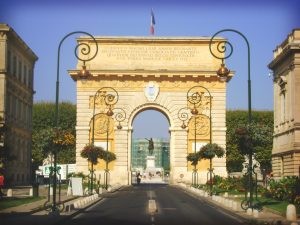
Montpellier, France

Montpellier, France. Undiscovered European Travel Destinations  

Although the coast of Languedoc-Roussillon isn’t as obvious a holiday destination as the Cote d’Azur, it has just as much to offer with less crowds, even in peak season. And Montpellier, a medieval city founded around 1200, is an excellent base for a visit to the area. Stay at the gorgeous Hotel Richer de Belleval, a 17th-century former private mansion, beautifully restored as a Relais & Châteaux hotel-restaurant in the heart of the city. Or, for the more budget minded, the family run Hotel du Palais has 26 charming rooms and a sweet terrace. Montpellier is a gastronomic delight. Even the simplest cafes offer high quality food, always beautifully presented. Among the best high-end restaurants are Le Petit Jardin, with a gorgeous internal terrace garden and the Pourcell brothers’ La Canourgue in the Hotel Richer. Chez Canaille in Place du petit Scel has a cute outdoor terrace for a casual meal on a pretty square and La Coquille has great seafood including gambas with squid ink linguine. Culture lovers will enjoy the Fabre Museum, with European works from the Renaissance to the present day, and a full wing dedicated to contemporary artist, Pierre Soulages. If visiting in the summer, the annual Radio France Music festival showcases top international talents featuring hundreds of mainly free classical, opera, jazz and DJ music concerts.

Stavanger, Norway

Stavanger, Norway   Stavanger has been known as the country’s oil capital since the major discovery of the Ekofisk field in 1969. Further discoveries in the North Sea transformed Norway from Europe’s poor relation into one of the wealthiest countries in the world. The city has also become the country’s top foodie destination and has three Michelin starred restaurants. Foodies will love lunch at Spiseriet at the concert hall with fabulous views of fjords and mountains or at Fisketorget, an excellent fish restaurant on the harbor. A great choice for dinner is Matbaren by renaa, an informal bistro with a super creative menu using local ingredients. And for a unique Japanese-Norwegian tasting experience at Michelin-starred Sabi Omakase, chef Roger Asakil Joya uses Edomae, an age old method of sushi making, one of the most revered in the world. And a well-deserved Michelin star was awarded in 2023 to Restaurant K2. Stavanger is surprisingly arty, with Kunstmuseum, a cutting edge contemporary art museum and a thriving artists’ community with studios often open to the public. Also, essential to visit is the fascinating Petroleum museum which uses engaging and interactive displays to show how oil and gas are formed, how resources beneath the seabed are found, and how drilling and production are conducted.
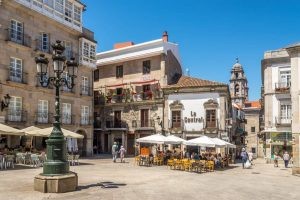
Vigo, Spain

Vigo, Spain. Undiscovered European Travel Destinations   The sprawling fishing port of Vigo in Galicia, Northern Spain has ancient Roman ruins, neoclassical churches, a lovely old town and the best octopus you’ll ever taste. Stay at the four-star NH Collection Vigo, overlooking the harbor. MARCO, the museum of contemporary art housed in what was formerly Vigo’s prison and court (1880), doesn’t have a permanent collection but has regular temporary exhibitions. For a lovely day trip, take a ferry to the nearby islands. The beautiful Islas Cies with the Playa de Rodas has been described as “the best beach in the world” with turquoise water and white sand. A real bijou among undiscovered European travel destinations.  

Tallinn, Estonia

Tallinn, Estonia. Undiscovered European Travel Destinations   Tallinn has less than half a million people but its charms are those of much larger cities. A multitude of museums and galleries, a historic old town that’s a World Heritage site, a strong foodie culture and a long sandy beach on the city outskirts, hemmed with a pine forest, are just a few of Tallinn’s attractions. A wander around the quaint cobbled streets of the historic old town with its walls and towers is a must. And just outside the city walls one of the undiscovered European travel destinations, is the KGB museum in the Viru hotel. During Soviet times, Hotel Viru was the main hotel for foreign visitors, all the while being monitored by the KGB, particularly on the officially non-existent 23rd floor. The rooms, frozen in time, offer a unique glimpse into the past, showcasing an extraordinary collection of espionage paraphernalia. Also essential to visit are Kai Art Centre in the Noblessner former shipbuilding area, Tallinn Art Hall (currently in a temporary location on the city outskirts because of renovations) and internationally renowned photographic art center, Fotografiska, with a great rooftop restaurant. And for a really unique art experience, go to the Flo Kasearu House Museum, a site-specific art project by a contemporary artist Flo Kasearu, in her home, attic, basement and backyard.  

Gaziantep, Turkey

Gaziantep, Turkey. Undiscovered European Travel Destinations   For history buffs, Gaziantep beckons with its ancient charm, woven with cultural, religious and gastronomic treasures spanning 6000 years. Positioned strategically in southeastern Turkey, along historic trade routes near the border of Syria and serving as a crossroads for civilizations, the city is still one of the undiscovered European travel destinations and a fascinating place to spend a few days. A must-see is the Zeugma Mosaic Museum, which houses one of the world’s most important mosaic collections, most of which was discovered at the Roman site of Belkıs-Zeugma. The most famous exhibit is the Gypsy Girl, although equally impressive are huge, detailed floor mosaics. Stay in the center of the old town at family-run boutique hotel Aynur Hanim Konagi Butik, which has plenty of character and a fantastically generous Turkish breakfast.

Buying a property in Montenegro

Buying a property in Montenegro Luxury Waterfront Villa – Herceg Novi, Mirista

Table of Contents

Have you ever thought about having an exclusive Mediteranean property? Are you thinking just about buying a property in Montenegro? With unrivaled natural wonders and plenty of sunshine, history and serenity, Montenegro has emerged as one the most attractive destinations attracting visitors from all over the world. With its favorable economic climate, the country has attracted many foreign investors. Buying an apartment in Montenegro is an easy and straightforward process. Individuals can buy properties under their own name, domestic or foreign company. In every case, we prepare this guide to help and make the process of buying a property in Montenegro even more straightforward.

Buying a property in Montenegro guide

Foreign citizens can apply for 2 types of residency permit taking into account they meet the necessary requirements. Temporary residence permit gives foreign citizens opportunity to stay in Montenegro for maximum 365 days which includes full time employment, school / university attendance, family reunion, and property ownership. Permanent residence permit can be obtained after 5 years of temporary residency and can be renewed for subsequent 5 years. Permanent residence permit gives the foreign nationals the same rights of Montenegrin citizen except the right to vote. With the recent introduction of notaries, the whole purchase process is safe and transparent for both parties. Outlined below are some of the most important steps and facts: Once both parties have agreed on the purchase price of the property, it is recommended to hire a lawyer who can check that the property fulfills all the necessary elements, especially the title of deed and that there is no mortgage on the property. Depending on the agreement between the parties, the deposit is paid prior to scheduling the notary. Deposit amount depends on the value of the property and it is communicated and handled by the selling agent. When all the details regarding the sale of the property are agreed on, the selling agent will schedule the notary. At the notary, both the buyer and the seller need to be present in person. In cases when either of the parties is not in Montenegro, the agreement can be signed on their behalf by their representative holding the Power of Attorney for such purpose. When the agreement is signed between the parties who are not Montenegrin nationals, the presence of the court translator is mandatory. Once the Sales and Purchase Agreement is signed and the purchase price paid in full ( deadline for the payment is agreed between the parties and noted in the agreement ), the notary will send all the paperwork to the cadaster in order for the title of deed to be changed, which takes up to a few weeks. The buyer will be required to pay 3% purchase tax or title transfer tax. Once the deed transfer is confirmed, the new owner can change all the communal bills to his own name.

Financial incentives and taxation

CORPORATE TAXATION

The basis for domestic companies is considered to be worldwide income, while non-resident companies are taxed only on Montenegro-sourced income. The corporate profit tax rate is progressive: 9% – profit up to 100,000 eur 12% – on profit above 100,000 eur and up to 1,500,000 eur 15% + 177,000 eur on profit above 1,500,001 eur

PERSONAL TAX

Personal income tax ranges between 9% and 15%. A 0% tax is levied on the inherited real estate among close family members. The income tax rate is also progressive: Personal income tax 0% on the amount up to 700 eur 9% on the amount from 701 eur to 1,000 eur 15% on the amount over 1,001 eur 15% on capital gain

VALUE ADDED TAX ( VAT )

The VAT rate is 21% with implementation of 7% on certain products and service categories, including the sector of tourism.

PROPERTY TAX

Property tax is paid annually to the state and municipal authorities, called the Annual Property Tax, ranging from 0.1% to 1% depending on the location of the property, size etc.

PROPERTY TRANSFER TAX

As from January 1st 2024, new property taxation will apply as follows: 3% on properties worth up to 150,000 eur 5%- + 4,500 eur on properties worth between 150,001 eur and 500,000 eur 6% + 22,000 eur on properties worth over 150,001 eur Please feel free to use this guide for buying a property in Montenegro and to call our high-skilled real estate agents prepared to make this process flawless.

Visiting Montenegro in 2024

Viting Montenegro traveling tips 1     Heroic-looking highlands, pretty blonde bays overlooking the royal blue Adriatic Sea, antique villages, Venetian fortresses and UNESCO walled cities, Montenegro might be small, but this gorgeous nation has a huge array of natural and man-made wonders. The right moment for visiting Montenegro is now! Once overlooked in favor of more well-known Mediterranean nations, Montenegro is fast gaining a reputation as a great place to travel. It’s easy to see why.
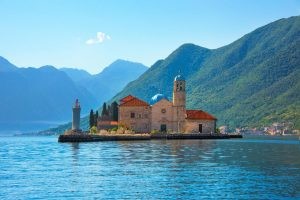
Mountainous hinterland nestles deep canyons, gushing rivers, glacial lakes and primeval forest, popular for adventure activity. The serpentine coast skirts glistening ports, from palazzo-embellished Perast in UNESCO-protected Bay of Kotor, to Tivat, a swanky super yacht marina.

Viting Montenegro traveling tips 2 - Perast in the Bay of Kotor   In 2006, Montenegro declared independence and became a sovereign nation. Today, the country’s population is primarily made up of Montenegrins, with smaller populations of Serbs, Bosnians, and Albanians. The official currency is euro, and the country’s size is roughly equivalent to the state of Connecticut in the United States. Despite its small size, traveling to Montenegro is worthwhile because of its stunning natural beauty, rich cultural heritage and warm hospitality. The population of Montenegro is 619,211, and even though that is not much, these people will welcome you with hospitality, so make sure your trip to Montenegro will be a pleasant experience!

Visiting Montenegro in 2024 – What to Know & What to Do

One of the great things about traveling to Montenegro is that it can be a very affordable destination. The cost of your trip will highly depend on your travel style, as well as the level of luxury you are looking for. Before traveling to Montenegro, it is important to make sure you have all the necessary documents and paperwork. First and foremost, you will need a valid passport that will remain valid for at least three months after the date of the entry. It is also a good idea to have travel insurance that covers medical emergencies and unexpected events. With these basic requirements covered, you can focus on other aspects of your trip to Montenegro, and enjoy all that this beautiful country has to offer. Travel requirements to Montenegro might include a visa, but this of course depends on your country of origin. Citizens of some countries, including the United States, Canada, Australia, and the European Union, can enter Montenegro without a visa for stays of up to 90 days. However, visitors from other countries may need to obtain a visa before traveling to Montenegro. If you are unsure whether you need a visa, you can check with the Montenegrin embassy or consulate in your home country. After collecting all the documents you need for your trip to Montenegro, all that is left for you to do is enjoy the various beauties of this country.   Viting Montenegro traveling tips 3   Another way you can acquire a visa to Montenegro is by working remotely . This country is heaven on earth for digital nomads and all others who work remotely. Warm climate, low taxes, co-working spaces, beautiful apartments and hotels, fine dining and shopping are just some of the amenities digital nomads look for.

Montenegro Digital Nomad Visa

Anyone that works remotely does not need to worry about their most important needs such as internet connection, work-life balance and affordable cost of living. Montenegro has all these aspects covered. Digital nomad visa is not hard to obtain, you only need to fulfill some basic requirements and you are ready for a trip to Montenegro! Also check global citizenship opportunities here. So if you are a remote worker who is looking for their next destination, this country by the sea should definitely be on your list! There are several ways to travel to Montenegro, depending on your starting point and travel preferences. If you are coming from a neighboring country, such as Serbia or Croatia, you can easily travel to Montenegro by bus, car, or train. There are also international bus and train connections from other European countries, such as Italy or Austria. If you prefer to fly, there are several airports in Montenegro, two of them being Podgorica and Tivat airports, offering connections to major cities in Europe. Montenegro has a good network of roads and highways, making it easy to explore the country at your own pace. If you like this beautiful place in the Adriatic coast, you may even want to buy or rent a luxury property.          

Future Value Of The Luxury Real Estate In Montenegro with Niko Lakovic

Niko Lakovic, partner and executive director of Montenegro Sotheby’s Realty – With the entry into the EU, the value of the luxury real estate in Montenegro will further increase

  Niko Lakovic, Niko Lakovic, partner and executive director of Montenegro Sotheby's Realty
Unreal nature, proximity to mountains and the sea, resorts on the coast, but also authentic and timeless buildings in one of the most beautiful bays in the world, have positioned Montenegro high on the map of the most attractive destinations when it comes to the luxury real estate market. As Niko Lakovic, partner and executive director in the Montenegrin representative office of the famous Sotheby`s Realty, said in an interview for eKapija, the market is young and still insufficiently researched, and surprises again and again anyone who sets foot in this country for the first time. And whoever comes once, falls in love at first sight and stays.
With all this, prices in Montenegro are still acceptable compared to some other luxury destinations, and the fact that the country will be the next member of the European Union is an additional incentive for investors to invest in real estate, because their value will only increase in the years ahead.
– Montenegro is still unknown to people, they perceive it as a product from 20, 30 or 50 years ago. It is often difficult for them to decide to come due to objective circumstances – infrastructure, proximity to some other destinations… However, the moment they arrive, most people fall in love at first sight and decide to buy real estate in Montenegro. Being in Tivat, Budva or Kotor where the airport is 15 minutes or half an hour away, the possibility that you can be in Belgrade in 45 minutes, finish your work and return to the sea on the same day… Not many countries offer such opportunities and these are all the advantages that Montenegro has as a destination and for which an increasing number of people decide to settle permanently, or for a few months during the year, in Porto Montenegro, Lustica Bay or Portonovo – Lakovic said in an interview for our portal.
Has living in resorts become a trend on the market, so additional facilities in residential complexes are no longer just an advantage, but a necessity, especially when we talk about luxury real estate?
 
– Of course it is. Real estate is no longer just a place to live, investors now have to take into account the additional contents that accompany that real estate. After the covid crisis and other uncertainties that we are witnessing, people have awakened the tendency and thinking that they should change their lives, spend more time with their family, but also in contact with nature. They realized that they should lead a high-quality life, and the resorts with all the amenities that have a five-star level enable them to do just that.
Emotion is no longer enough. It is extremely important, a large number of people have that emotion towards Montenegro or the former Yugoslavia, the Adriatic, they want to be in a familiar and friendly atmosphere. But you also have to provide them with those additional features that will make them want to stay. If you are part of a community where you have a great network of people, it will be easier for you to decide to buy that property. Classic buildings are increasingly losing their primacy in relation to facilities with additional facilities or resorts. When you have a swimming pool, gym, 24/7 reception, facility management within the property – you feel safe, have a quality life and want to stay there.
Resorts brought emancipation to the market and placed the Montenegrin luxury real estate market in a position it had never been in before, and I am glad about that.
Baia penthouse in Porto Montenegro with private pool and marina view ( Photo: Montenegro Sotheby’s Realty )Baia penthouse in Porto Montenegro with private pool and marina view
 
Since the development of Porto Montenegro, and then the settlements of Lustica Bay and Portonovi, Boka Kotorska has positioned itself as the most popular destination when it comes to luxury real estate. How are the square footage prices moving in these complexes?
– If we take the example of Porto Montenegro, sales in this resort began in 2010 with a figure of EUR 4,000 per square meter. Today, the average price is between 9 and 10,000 EUR, and some units reach a value of up to 15,000 per square meter. Porto Montenegro is seriously maturing as a destination, in addition to its real estate offering, it also has serious retail. In May next year, the SIRO hotel with 145 rooms will be opened, which will operate under the One&Only brand, which is now present in Portonovi. A shopping center, a cinema, all those facilities that every local community likes to have, which will additionally make Porto Montenegro even more attractive in the winter months, will also be opened.
The next project that is already attracting a lot of attention is Synchro, it will have its own beach, another five-plus star hotel also under the One&Only brand, but also condo units on the water itself, which is a curiosity in itself. The arrival of serious names from the restaurant business and retail is also expected, and I believe that this project will be the crowning glory of Porto Montenegro and everything it represents.
The demand for real estate in this resort, which also has its own kindergarten, elementary and high school, is so great that it happens that we sell the same unit several times. For example, people stay in Tivat and then decide to go to another destination. However, those units have never been on the market for long, due to the excellent conditions, there is a lot of pressure and the properties are selling quickly. Another plus is the fact that Porto Montenegro, with its master plan, perfectly fits into the rest of Tivat and looks like an addition to the city itself.
Outside of Porto Montenegro, we have Lustica Bay and Portonovi as serious parallels.
 
The first golf resort is also being developed in Lustica, which will certainly raise the bar even further when it comes to positioning Montenegro as an elite destination. Is there already client interest in golf residences, and will this novelty in the offer further push the boundaries of the Montenegrin luxury real estate market?
– The first 18-hole golf course being built in Lustica will certainly be a strong added value to the Montenegrin real estate market and tourism. We in Montenegro do not have a parallel for it, it is a completely new and rather unknown product for us. However, judging by the projects in America, Canada, Spain, Greece or France, wherever golf courses were built, the value of residential units increased significantly, and the country`s tourist offer itself was enriched. I sincerely believe that it will be the same in Montenegro, and that this project will be a strong impulse that will bring us a clientele that we have not had in the country so far.
Lustica Bay is an integrated community that very carefully takes care of projects, Mediterranean architecture, the use of local materials in construction, which is very visible. What is characteristic of this resort, and what I believe is the future and an important segment of the luxury real estate market, are very good payment plans. In Lustica, you arrange everything directly with the investor, there is no additional paperwork and complications as can be the case with banks, you pay directly to the investor and you have a very efficient purchase.
All of us who are in that chain and deal with the sale of real estate must put ourselves in the position of a potential buyer and make it easier for him to complete the whole buying process. Most of them, for example, will be able to pay a 10% down payment and will start thinking about buying. However, if you ask him to pay 100% of the amount immediately, or to make the payment in four stages, it is a huge challenge and a demanding figure. A well-designed repayment plan can be the deciding factor for them to buy a property. It is an important factor for us in sales as well and makes it easier to bring in customers. That`s why I repeat that payment plans are the future of all luxurious projects.
The luxurious Mirišta villa, whose architectural design and aesthetics are based on coastal architecture and Venetian classicism (Photo: Montenegro Sotheby’s Realty)The luxurious Mirišta villa, whose architectural design and aesthetics are based on coastal architecture and Venetian classicism
 
The luxury real estate market in Montenegro has been developing for more than a decade, but it seems that it still hasn`t reached its peak. The interest of investors is not abating, and new renowned world brands are constantly coming to the country. What`s the secret? Where lies the advantage of Montenegro compared to other Mediterranean countries that are also working to position themselves as luxury destinations?
– If you compare Montenegro with Croatia, we have integrated resorts that are real small towns with their marinas, where you can have a completely independent life in relation to the rest of the territory. The development of the luxury market in Albania is still in its infancy, and we are cheaper than Italy and Spain, so here you can still buy a historic house on the seashore for a million or a million and a half euros.
Our nature is also very interesting to people, we are a safe environment, and healthy and high-quality air, food, and untouched nature are what will attract them in the future as well. In our country, size also has a comparative advantage, so the fact that you can reach Durmitor or Kolasin in two hours from the sea also attracts people. You can reach Dubrovnik, Italy and Belgrade, which is the center of the region, very quickly. These are all advantages that Montenegro has. People prefer an active life more and more, the time of the traditional understanding of tourism and real estate has changed, the buyer is not the same today as it was 15 years ago. Today, he`s looking for content, and that`s what foreigners understood, but we didn`t. Fortunately for us, they set the standard that we now follow and successfully adapt to those new trends.
We have seen real estate prices skyrocket over the last few years, and it seems that there is still no end to it. What is the situation when it comes to luxury real estate? Is there still room for their value to increase?
– During the last two years in Montenegro, we have recorded an increase in real estate prices at the level of 40%, and the strong buying trend continued. What makes me particularly happy is that we have an increase in interest from the Western European market. Germany is present with about 20% of the purchase share and we see that there is a strong room for improvement, because they are just discovering Montenegro as a destination. The same applies to Czechs, Slovaks and Poles who discover Montenegro and buy real estate for serious sums. We traditionally have a lot of pressure from the Russian and Ukrainian markets, currently around 100,000 Russians and Ukrainians live in Montenegro. It is very good for us, because they start and run their businesses there and thus contribute to the economy. We have significant interest from the British and Scandinavian markets, Turkish as well.
I always like to emphasize that the region has a strong presence as standard, and I think that this year, around 50% of purchases were made by people from the region. The closeness and emotion that binds us together with the 5-star amenities in the resorts is a winning combination.
When it comes to the space for further increasing the value of real estate, it certainly exists, and the possibilities for this will grow as we get closer to the European Union, but also as we improve the infrastructure.
I keep repeating that the infrastructure is our biggest weakness and without which we cannot function for a single season anymore. We have to make quick and active decisions. No matter how many good things we do for the country and the destination, we must put the infrastructure first, build roads, do something with the airports and bring them to a serious level, and if necessary, form teams that will invest in the country. We can no longer bring in big investors in infrastructure from Tito`s era, it is senseless.
Historical real estate represents the character of Sotheby`s – An elegant and unique villa known as the “Old Post Office” in the town of Rose (Photo: Montenegro Sotheby’s Realty)Historical real estate represents the character of Sotheby`s - An elegant and unique villa known as the "Old Post Office" in the town of Rose
 
Montenegro Sotheby`s International Realty has been a reliable partner to clients all over the world for more than three years, as evidenced by the numerous awards you have received. How much did the arrival of such a prestigious brand affect the development of Montenegro as a luxury destination?
– The entry of a company like Sotheby`s into our market brought a lot to Montenegro as a destination. It is a very well-known, current and recognized brand all over the world, which brings strong credibility to the destination. We are present in 80 countries around the world and what we do in Montenegro attracts a lot of attention from all partners. They see us as a destination they don`t know much about, but they would like to promote it. Last year, we hosted partners from 14 countries in Montenegro, who were completely delighted with everything they saw.
We have properties from the 15th or 17th century, from the period of the Venetian Republic, Venice. We have new resorts where you have great units and where you can bring the boat to 250 meters. We strongly promote Montenegro as a destination through world media such as Bloomberg, Forbes, Financial Times, Wall Street Journal. A country that was previously known only in a political context, is now becoming recognized as a destination where you can buy luxury real estate and which has gathered prestigious world brands such as Aman, One&Only, Accor, Hilton, Hyatt… in a small space.
In addition to the coast, thanks to the economic citizenship project, these brands have also reached the north, so a dozen hotels are being built in Kolašin. We expect that in the next ski season Radisson and Swissôtel will be opened, and then also hotels from the Westin and Accor groups. The InterContinental Hotels Group with the Crowne Plaza brand is coming to the center of Kolašin, and the construction of a resort on Durmitor is also expected. If we return to the coast, we also hope for the arrival of the Four Seasons and Ritz Carlton brands, and development will also begin in hitherto neglected cities such as Bar and Ulcinj.
Starting this year, for the first time in Montenegro, it is possible to sell and buy real estate through the famous Sotheby`s auction. Do you believe that this type of sale can take off in our region, or can we soon expect some Montenegrin real estate at auction?
– We are very excited about the cooperation with the concierge service. Within its group, Sotheby`s now has a company that deals with real estate auctions, not only art, and which achieves serious results in Hong Kong, London and New York. Their delegation has already visited our real estate several times and we expect that some of them will be auctioned in the coming months. I believe that we will show that real estate from Montenegro can be sold in this way.
We often hear that investing in real estate is an investment that always pays off. Is it always like that? And are there real estates that you think can only increase in value over time, and that they are just such safe investments?
– People invest money in real estate as a serious and safe asset, which may fluctuate in value, but is always there. We have witnessed that money can lose 30 to 40% of its value within two years due to inflation. However, real estate is always a safe investment. You can have rent income, and the value of the property itself can increase over time. What I see as something that is always worth investing in are amenity properties, resort properties, then historic and waterfront properties.
If people decide to engage in construction, it works very seriously in Montenegro. Here, I repeat my recommendation to investors to focus on projects that will provide future tenants with all the amenities and a certain added value, because this is definitely the future of construction.

Why to retire by the beach

Do you want to retire by the beach? Retiring by the beach can be an incredibly rewarding experience that offers numerous benefits to your physical and mental health, as well as your overall well-being. The sound of the waves crashing on the shore, the smell of the salty Mediterranean air, and the feeling of the warm sun on your skin can all contribute to a sense of peace and tranquility that is difficult to find elsewhere.

Find the primary benefits when you retire by the beach

One of the primary benefits of retiring by the beach is the opportunity to engage in outdoor activities that promote physical health. Swimming, walking on the beach, and playing beach sports are all excellent ways to stay active and maintain a healthy lifestyle. These activities can also be enjoyed with family and friends, creating a sense of community and social connectedness that is important for mental health. If you decide to retire by the beach on the Mediterranean coast, it will also provide access to fresh, healthy food. Many beach communities have local farmers’ markets where you can purchase fresh produce and seafood that is locally sourced. Eating a healthy diet is crucial for maintaining good health, and retiring by the beach can make it easier to access fresh, nutritious foods. Additionally, living near the beach can provide a sense of peace and relaxation that is difficult to find in other environments. The sound of the waves can be incredibly calming and can help to reduce stress and anxiety. Many people find that spending time near the ocean helps to promote feelings of happiness and contentment, which can be beneficial for mental health. Retiring by the beach can offer a sense of adventure and excitement. Many beach communities offer a wide range of activities and events, including live music, festivals, and cultural events. Retirees who live by the beach can explore these activities and connect with their local community in a way that is both fun and fulfilling. Whether you’re looking for a sense of peace and relaxation, opportunities for outdoor activities, or a sense of community and social connectedness, retiring by the beach can provide all of these things and more.

Retiring in Montenegro near the coast

Montenegro is a beautiful country located in the Balkans, known for its stunning coastlines, majestic mountains, and rich culture. It has become a popular destination for retirees who are looking for a peaceful, yet exciting place to spend their golden years. To retire by the beach in Montenegro near the coast is a dream come true for many. With its crystal-clear waters, sandy beaches, and sunny weather, the coast of Montenegro offers the perfect setting for a relaxing retirement. The coastal towns of Budva, Kotor, and Herceg Novi are particularly popular among retirees. These towns offer a mix of old-world charm and modern amenities, making them ideal for those who want to experience the best of both worlds. Montenegro has a low cost of living compared to many other European countries, which is one of the reasons why it has become a popular destination for retirees. The cost of accommodation, food, and entertainment is significantly lower than in many other European countries, making it an attractive option for those who want to stretch their retirement savings while still wanting to retire by the beach. Aside from its stunning natural beauty and low cost of living, Montenegro also offers a relaxed and welcoming lifestyle. The locals are friendly and hospitable, and the pace of life is slow and laidback. Those who decide to retire by the beach here can spend their days exploring the town, sampling the local cuisine, and soaking up the sun on the beach. They can also take part in various cultural activities and events, such as music festivals and art exhibitions. In conclusion, retiring in Montenegro near the coast is an excellent option for those who want to enjoy their golden years in a peaceful and beautiful setting. With its stunning scenery, low cost of living, and welcoming lifestyle, Montenegro is becoming an increasingly popular destination for retirees from all over the world. Whether you want to spend your days relaxing on the beach or exploring the local culture, Montenegro has something to offer everyone. Check our beautiful, elegant beachfront properties now.

Montenegro Sotheby’s Welcomed Real Estate Sales Professionals From 15 Countries

Real Estate Sales Professionals  

In recent years, Montenegro has become an increasingly important investment destination. The world’s leading company in the luxury real estate market, Sotheby’s International Realty, has also recognized this and opened a representative office in Tivat two years ago, in the midst of the coronavirus pandemic. Right there, in the heart of the luxurious Porto Montenegro marina, where it all began, the local Montenegro Sotheby’s Realty office welcomed friends and partners from as many as 15 countries in August.

The event, held in the wonderful ambiance of the Buddha bar with an unreal view of the bay, was the crowning glory of a three-day gathering, during which Sotheby’s representatives from all over the world had the opportunity to learn about Montenegro’s potential.

Real Estate Sales Professionals 1        Real Estate Sales Professionals 2. Montenegro Sotheby's    

Despite the pandemic, political instability, and global events, the Montenegrin office has only achieved success and in a short time has become synonymous with the offer of luxury real estate in Montenegro. According to Niko Laković, partner and executive director of the Montenegro Sotheby’s Realty group, who is the mastermind behind the arrival of this prestigious brand in Montenegro, they will continue to work to promote the best that this country has to offer in the future.

– It makes me proud and additionally motivates me to achieve even more serious results in the promotion of everything we have here, that today, after only two years, we have 14 countries from the Sotheby’s group to get acquainted with Montenegro and luxury projects. If we manage to reach all 78 countries of the Sotheby’s group with what we offer, we have done a good job. For example, last year one of the properties from our portfolio was among the world’s top five in the selection of Mansion Global from the Wall Street group – said Laković, greeting the guests at the event in Porto Montenegro.

  Real Estate Sales Professionals 3      Real Estate Sales Professionals 4  

Laković’s acquaintance with Hunter Milborne, a true legend of Sotheby’s, who sold real estate measured in billions, is another reason for introducing Sotheby’s to a Montenegrin market.

When I first came to Montenegro, I felt great investment energy, I met serious developers and knew that this place has great potential. My partner, Mr. Laković, already had a well-developed real estate business, and together we entered into the project of developing Sotheby’s offices in Montenegro. Today, we are still here, with already tangible results and an excellently positioned office in Porto Montenegro, our strategic partner – said Milborn.

  Real Estate Sales Professionals 5 Real Estate Sales Professionals 6   Marina Porto Montenegro, Portonovi, and the first One&Only resort in Europe, Luštica Bay tourist resort, Huma Kotor Bay, and Nikki Beach resort assured guests of Montenegro Sotheby’s that Montenegro is rightly one of the world’s most luxurious destinations. Boka Bay, one of the most beautiful bays on the planet, as well as charming palaces from the 17th and 18th centuries, whose value reaches up to ten million euros, have shown that this market is not behind Greece, Spain, and similar destinations.     Real Estate Sales Professionals 7   – We are impressed by the positioning of Montenegro as a luxury destination, the projects implemented here, and the fascinating brands present on the market.



What is particularly impressive is that in a short period our office has become one of the leaders in the luxury real estate market in Montenegro.

Real Estate Sales Professionals 8

We are witnessing a mini-gathering of European offices and great socializing – said Natalie Meek, Global Vice President of Sotheby’s Realty Group.

The presence of the world’s most famous brands significantly influenced the value of real estate in Montenegro.

In addition, the arrival of Sotheby’s has created new value for the Montenegrin market and increased the attractiveness of the destination itself.

Real Estate Sales Professionals 9 Real Estate Sales Professionals 10  

With the opening of Porto Montenegro, and then other resorts on the coast, Montenegro is increasingly becoming a year-round destination.

Life in the Mediterranean, on the coast, with all the amenities that these complexes offer, is seen less and less as a vacation, and more and more as a lifestyle.

Real Estate Sales Professionals 11   Real estate world elite in one place At the event that rounded off two extremely successful years of operation, Montenegro Sotheby’s Realty gathered renowned global real estate companies.   Real Estate Sales Professionals 12  Real Estate Sales Professionals 13   In addition to the representatives of 14 countries from the Sotheby’s group and the presence of Sotheby’s Concierge, which recently also conducts auctions of the most expensive real estate, brand developers from Dubai and Abu Dhabi, Emaar and Aldar, as well as the partner company from Abu Dhabi Al Mira Real estate, also arrived in Montenegro. Real Estate Sales Professionals 14    

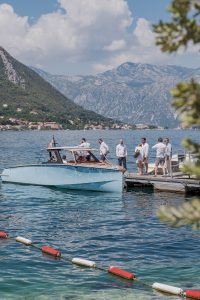
There were also representatives of the project management of Porto Montenegro, Luštica Bay, Portonovi, Dukley Gardens, Nikki Beach, Huma Resort & Villas, and Belgrade on the Water, as well as global brokers CBRE, JLL, and Savills.

In parallel with these activities, with the London Sotheby’s office and the British television Channel 4, we filmed the show The Most Expensive Houses of Europe and presented palaces from the 17th century, as well as One & Only signature villas on the coast, the first in Europe.

Real Estate Sales Professionals 15   The three-day meeting was an opportunity to get to know the market, present its potential, network, also to enjoy the beauty of Montenegro and the best tastes.   Real Estate Sales Professionals 16 Real Estate Sales Professionals 17 Real Estate Sales Professionals 18 Real Estate Sales Professionals 19                              

Welcome To The New Mediterranean

Niko Laković, Managing Director Of Sotheby’s Realty: Highlighting Montenegro’s Luxury Real Estate Potential

  • facebook
  • linkedIn
  • twitter
  • Whatsapp
  • copy
Niko Laković, Managing Director Of Sotheby’s Realty: Highlighting Montenegro’s Luxury Real Estate Potential and Talk About New Mediterranean
Niko Laković, Managing Director And Partner Of Sotheby’s Realty
Sotheby’s Realty is discovering regional and international markets for its luxury products. Montenegro Sotheby’s Realty is a real estate company specializing in luxury properties of distinguished style, location, and charm in different regions of Montenegro. With sales and rental properties in Porto Montenegro, Lustica Bay, Budva, Kotor, and more, Sotheby’s Realty is a sophisticated company with first-in-class business operations, leading the affluent real estate segment in Montenegro in attracting investment and supporting the country’s growing tourism sector. With properties in prestigious locations across the country, Sotheby’s specialty stands out in a class of its own. Its notable project in Porto Montenegro as a world-class marina with exclusive residences and the space for a potential of 450 boats up to 200 meters in length, makes this location one of the few marinas in the world that has the capacity to accept boats this size. Another project in Lustica, with 800 hectares at its disposal, is looking to provide Montenegro with its first golf course. Sotheby’s development of marina and real estate projects, authentic villas in Montenegrin olive groves, old Mediterranean houses, and Montenegrin estates will delight all aficionados of architecture. The Perast, Prcanj, or Dobrota palaces located where famous naval captains of old built their stone palaces, overlook the bay and quaint town squares. The Montenegrin coast has a great synergy of architectural heritage and century-old identities; the newer residencies have the leitmotif of the same with the added blend of modern architectural characteristics. Montenegro’s strategic position allows the government to market Montenegro as a tourism and real estate hub on the Adriatic coast. Thanks to Sotheby’s international network and 24,000 agents, they have been able to reach over 75 countries in the promotion of Montenegro as an alluring international destination. In 2020, a Sotheby’s Realty property was recognized as one of the top five properties in the world. The growing potential of tourism in Montenegro has resulted in many investments in the luxury real estate sector, aided by the nation’s investment-friendly policies, including a low corporate tax, favorable visa regimes, and the government-sponsored Citizenship by Investment Program (CIP). Many of these policies are designed to attract investors from the Middle East, as well. Niko Laković, Managing Director and Partner of Sotheby’s Realty, says, “With the Investment Corporation of Dubai (ICD) coming to Montenegro as a strategic partner of the country, I think interest will increase. They are working on the promotion of Montenegro and real estate here.” While the nation’s population rings in at approximately 620,000 citizens, it is clear that a largely untapped investment market, which was unaffected even by the COVID-19 pandemic, presents many great opportunities. “That’s the beauty of it; the Bay of Kotor is splendid and very underrated. People are interested regardless of the timing: we sold costly villas and palaces during the pandemic,” says Laković. “Indeed, the pandemic changed people’s perceptions, and for this reason, it is important to provide them with world-class services and allow them to feel that their properties are well protected and safe. In this way, they have peace of mind.” Throughout the years, the real estate sector in Montenegro has witnessed impressive growth in alignment with the country’s positive economic outlook. According to Laković, the market is maturing and more prepared than ever due to the government’s focus on facilitating investment and the prospect of joining the European Union and its multinational market customer base. “We have real estate buyers, including luxury real estate buyers, from over 50 countries, including Japan, China, Slovakia, Poland, the Czech Republic, Western Europe, the US, and Canada. This is partly due to the Citizenship by Investment Program and the promotion we have carried out.” Indeed, Montenegro’s inevitable growth is greatly supported by the luxury real estate sector, providing distinguished properties to tourists and discerning investors who are interested in experiencing the opportunities that Montenegro has to offer.

Porto Montenegro, now officially the World’s Best Superyacht Marina, catering to the global jet set

Porto Montenegro Marina. Source: Portomontenegro.com
 
Skip Monaco and St Tropez this September, as Montenegro is where you’ll want to be if you’re looking for the ultimate spot to park your superyacht. Porto Montenegro was awarded the title of the World’s Best Superyacht Marina this August by ACREW, a Netherlands-based company providing professional development to superyacht captains and crew. Each year ACREW’s prestigious Superyacht Business recognizes superyacht businesses that deserve global recognition in their field, with its network of more than 15,000 members invited to cast their vote. For the Best Superyacht Marina Award – one of seven categories – marinas are ranked on the services and facilities offered, and the willingness of staff to assist superyacht guests. Other judging criteria include location, accessibility, safety and security, value for money, and WiFi. Porto Montenegro, which carries the strapline ‘a life less ordinary’, came out on top after being voted the Adriatic’s Best Superyacht Marina last year.  

Porto Montenegro’s evolution

The marina, which is located on the eastern shore of the Adriatic, started life as a former Yugoslav army military base. Its transformation into a luxury superyacht marina was spearheaded by the late Hungarian-Canadian businessman, Peter Munk who purchased the site for €23 million. His aim was to build a superyacht marina that would rival mainstream destinations and he secured from several of the world’s most respected business figures including Lord Jacob Rothschild and LVMH chairman Bernard Arnault. In 2016, the marina complex was acquired by the Investment Corporation of Dubai (ICD), the principal investment arm of the Government of Dubai. Today it offers more than 450 berths for yachts of 12-250m in length and it will cater to 850 vessels upon completion. Of these spots, 350 will be specifically reserved for superyachts – the largest offering in Europe, capable of accommodating the world’s largest yachts afloat. Porto Montenegro prides itself on being a marina designed by mariners, with an impressive range of facilities on offer from a well-stocked chandlery to high-speed Wifi. One of the standout offerings is the Porto Montenegro Yacht Club, which features a photogenic 64m infinity pool overlooking the marina, a state-of-the-art sports club, a sailing school, and a beach facility where regular events are held. In terms of berths, there are short- and long-term opportunities available. During the winter season, there is currently an offer to pay for five and stay for seven months.
Artificial islands in the Bay of Kotor. Source: Portomontenegro.com

An aspirational destination

Porto Montenegro is easily accessible by air (there is an on-site helipad), land and sea and it boasts a sublime setting in the UNESCO protected Bay of Kotor. The charming coastal town of Tivat is on the doorstep, with an undulating mountain range beyond. Since opening in 2006, Porto Montenegro has flourished into an upscale lifestyle destination with high-end waterfront residences, luxury retailers, and fine dining venues. The waterfront area continues to evolve, and next year will see the arrival of the hotly-anticipated new Boka Place complex. The slick urban neighborhood has been designed for year-round living, with a focus on wellbeing and fitness. There will be 213 managed and private residences, ranging from studios to three-bedroom duplexes, and a sports-centric hotel called SIRO (the first-of-a-kind concept from Kerzner International Holdings, the parent company of the world-famous Atlantis and One&Only Resorts).  

A prime investment opportunity

Currently, there are two main residential offerings in Porto Montenegro which have set the tone for luxury living, which comprise the ‘Elena’ and ‘Regent’ residences. The Elena includes 50 luxury freehold apartments with sea and mountain views while the ‘Regent’, inspired by the Italian Riviera, features 129 condominium properties. The latter has a pool rental program, where homeowners can earn rental income from the pool when they are not there, by providing access to guests of the accompanying five-star hotel. Along with the Elena and Regent, there are six smaller complexes in the vicinity all boasting the same high end facilities and unparalleled views. Buyers of all managed residences are eligible to participate in Montenegro’s Citizenship by Investment Programme, introduced in 2019. With a minimum investment of €450,000 and an additional €100,000 donation to a Montenegrin government development fund, successful applicants will be granted full citizenship within six months of applying. Another perk of homeownership or leasing in Porto Montenegro is access to the 200-strong Owners’ Club. Membership offers a range of lifestyle benefits and experiences, with frequent invitation-only events and kids’ clubs days during the summer. Currently, the housing price in Porto Montenegro on JamesEdition averages around $3m or $11,000 per sqm but at the lower end, buyers can spot a one-bedroom waterfront apartment for $455,000, or at the top end, a four-bedroom penthouse in Regent Residences is currently going for $4.5m. Meanwhile, the median listing price in Tivat is $1m or $8,000 per sqm. Porto Montenegro attracts a mix of international jet setters, with buyers coming from the Balkans, Russia, Western Europe, Scandinavia, Turkey, and Australia.  

Porto Montenegro properties on JamesEdition

Currently, there are five properties listed on JamesEdition in the Porto Montenegro area. They are as follows:

1. Penthouse in Regent residences

Property: Ultra-luxe penthouse at the Regent hotel Price: €4.5m A unique penthouse apartment with panoramic sea views and a pool. The contemporary-style fully-furnished apartment includes four bedrooms, four bathrooms, ample space for entertaining, and a sprawling terrace. This property is located on the fifth floor and part of the Regent five-star hotel. Shared facilities include direct access to two pools, a wellness center, a gym, and restaurant offerings.  

2. Penthouse in Teuta Residences

Property: A colorful apartment in the Tueta residences Price: $2.9m This characterful and colorful apartment features prime views over the marina. In terms of living space, there are three bedrooms with bathrooms, a study room with its own bathroom, a guest toilet, a large living room with kitchen and dining room, a hallway, storage room, and two terraces. The property comes fully furnished. Shared facilities in the exclusive Teuta building include a swimming pool and a gym.  

3. Apartment in Elena Residences

Property: Modern living at the Elena Residences Price: €1,144,800 Apartment 106 is right in the center of the Elena building, which takes its name after a Montenegrin princess who married the future King of Italy in 1896. The bright and modern property is built and equipped to the highest level. There are two large en-suite bedrooms, a huge living/dining space, a well-equipped kitchen area, and a family bathroom. The terraces are large enough for al fresco dining and you are a few seconds walk away from your poolside lounger.  

4. 2-bedroom in Ksenija Residences

Property: Marina village living in a smart two-bed Price: €850,000 A charming two-bed apartment right next to the marina. The property, decked out with neutral tones, features terrace space with unobstructed sea and mountain views. It is located inside the Ksenija residential complex, with homeowners benefitting from a dedicated 24/7 concierge team, underground parking as well as secluded terraces, pools, and sun decks.  

5. 1-bedroom apartment in Regent Polo Club

Property: A one-bed investment opportunity Price: €650,000 This cozy and colorful one-bed makes for a great investment opportunity in the highly sought-after Regent Pool Club Residences complex. It includes views of the swimming pools, landscaped grounds, and marina, and benefits from a southwest positioning. The apartment comes full-furnished and homeowners can use all of the services of the five-star Regent hotel.
  Source: JamesEdition

Palaces of Boka Bay

Dear Boka bay virtual passengers, at first glance, I am nothing more than an ordinary stone. And I do almost nothing to justify my existence – I defy the sun and the rain, I resist the wind motionless and, sometimes, my steadfastness tames the sea. Only to be looking at it peacefully again, in the very next moment. Because whenever the sea decides to imitate the glass- there I go, starting over. Enjoying the calmness in the Boka Bay, full of magic.   But, yet again, I said- almost nothing. And that’s fine if you don’t want to waste your time on my story.  But if you do decide to stay just a bit longer, I will speak. Telling you that I, indeed, am a part of a special palace which, by definition – is a beautiful and luxurious house. In my case, even more special, because this in fact, is the residence and the pride of the Bronza family, whose first ship was mentioned in the archives from the end of the XVI century. The family whose members, captains Ivan and Josip, were awarded by the Venetian Republic the Order of St. Mark for their bravery in battles against pirates.

The Bronza Palaca in the Boka Bay Family Foundation

As I said, I represent a very important part of this family’s foundation, and am trying to prove (to those who donated me their precious time) why the “ordinary stone” expression was only seemingly. Let me first reassure you by showing off my baroque suit, which dresses up the whole palace and makes me a proud hero, standing this close to that terrible force and synonym for unbridledness and moodiness, as it’s the sea. For centuries. And it is, above all, the baroque spirit which inspired me to build this palace from the ground up – ground floor, first and, in the end, the second floor in the shape of a belvedere, whose dynamic volutes are synonym for baroque, pageantry and freedom in architecture. Deprived of the rules of symmetry and so absolutely free and unlimited in space, these moments gave my palace the opportunity to fit perfectly into the Pearl of Montenegro, as they call Perast, a long-time safe harbor for captains and their families. As a proud part of this entirety, which in the XIX century served to the Austro-Hungarians as the Customshouse (Dogana), which today has preserved the original layout of its space, I am proudly enjoying the view of the Mediterranean. Under this clear, picturesque sky, I testify variety or scenes during the day: fishermen sailing towards the horizon early in the morning, joyful tourists while enthusiastically taking new moments and memories from a place that so boldly watches the hills merge with water in the afternoon and then, in the evening, I will obviously send off a day to a new, endless journey into the quietness.   The Bronza Palace preserves the baroque of Montenegro, keeping all of its peculiarities and valuables intact while taking care of its unbreakable tradition with the sea. So again- I am just a seemingly ordinary stone that travels through time. Exposed to the sun, sea salt and the enchanting scents of the Mediterranean. Speaking an authentic language and carrying the fragments of eternity within me. Forever.  

Explore the Boka Bay with Sotheby’s Realty

  Look at the Sotheby’s Realty real estate in the Boka Bay. Owning a palace in Boka Bay means more than acquiring a home. It is an invitation to be part of Montenegro’s cultural fabric, where the past and present merge against a backdrop of crystalline waters and mountains that rise from the sea. Sotheby’s International Realty is proud to present these extraordinary residences to a global clientele seeking timeless elegance and exclusivity. These historic properties, once symbols of prestige, are today among the Adriatic’s most coveted real estate. Restored with respect for tradition, many palaces now serve as refined private homes or boutique residences, offering modern comfort within walls steeped in history. For discerning buyers, they represent more than just a property—they offer the rare privilege of inhabiting living heritage. The palaces of Perast are perhaps the most iconic, with baroque façades overlooking the islands of Our Lady of the Rocks and St. George. Families such as the Smekjas and the Zmajevićs constructed residences that rivaled the grandeur of Venetian estates, adorned with ornate balconies, arched loggias, and grand staircases. In Kotor, palaces like the Grgurina—today home to the Maritime Museum—showcase the legacy of Boka’s sailors and merchants. Prčanj, with its waterfront lined by elegant 18th-century villas, retains a quiet grandeur where architecture and sea meet in harmony. Boka Bay, a UNESCO World Heritage site, is not only celebrated for its dramatic fjord-like landscapes but also for the palaces that grace its shores. These stone residences, built between the 15th and 19th centuries, stand as architectural testaments to Montenegro’s maritime nobility. From Perast to Kotor and Prčanj, each palace on the Boka Bay tells a story of seafaring families who brought wealth and influence back from their global ventures, blending local craftsmanship with Venetian refinement.

Global real estate brand Sotheby’s opens a representative office in Porto Montenegro

Montenegro Resort Properties is the second in the region, next to Croatia, that the Sotheby’s brand wants to present to the world public as a jewel of the Mediterranean and one of the world’s fastest-growing tourist destinations. The global leader in the luxury real estate market, Sotheby’s International Realty, will have its representative office and office in the nautical resort of Porto Montenegro starting this March. This international community with a marina for superyachts, the Regent Hotel and luxury residences fits perfectly into the concept of Sotheby’s, which wants to offer its services to the Mediterranean and European markets, but also to present to prestigious clients all the benefits of life on the Montenegrin coast. Sotheby's Montenegro (more…)